QCP Group dropped a piece, darling, weighing in on the quantum risk for crypto, riding the buzz from Google’s March memo that Bitcoin‑style elliptic‑curve cryptography could be cracked with far less quantum oomph than we pretended to fear. Yes, the math goblins might be at the door, but apparently the real party exists in the plumbing of everything that keeps money moving.
A Bigger Threat Beyond Crypto
The crypto‑quantum panic is swirling like a washing‑up‑at‑midnight bottle of wine, and voices from crypto and tech-yes, even CZ in his hoodie-are weighing in with opinions that range from “we’re all doomed” to “calm your tits, it’s not happening this week.”
QCP’s article, penned by Rachel Lee, sums up the vibe in one neat sentence: the quantum threat isn’t a sudden market crash, it’s a slow‑burn structural beast that tweaks the knobs on the whole system, not just your favorite token.
At QCP, we view this as a long‑term structural issue, not an immediate market risk. The distinction matters.
What Lee is hinting at is that the peril isn’t crypto in isolation; it’s the entire public‑key infrastructure stack that also keeps SWIFT, TLS/HTTPS, VPNs, and the wider financial plumbing from singing a lullaby in the wrong key.
A breakthrough in quantum computing that compromises ECC would therefore have system‑wide implications, not just for digital assets.
This quantum‑vulnerability exists because what quantum computers could actually crack are public‑key signatures (ECDSA, Ed25519, RSA), not the proof‑of‑work hustle that makes blockchain feel “unhackable.”
A Transition, Not a Trigger, QCP says.
Lee reminds us we’re quite far from the actual power needed to break the cited ECDLP standard. Right now, the most advanced quantum systems we’ve got are about 1,000x shy of the threshold required to pull off such mischief.
But more importantly, even if the stars aligned and we had the hardware to do it, digital assets wouldn’t be the prime target. TradFi and networks carrying confidential or mission‑critical information would be the glittering prize.
The global banking system and sensitive communications infrastructure would present far more immediate and valuable attack surfaces.
Paradoxically, this means crypto is in a strange position to push through upgrades more decisively than many banking or government bodies stuck in slow hardware cycles and legacy HSMs.
The system is already repricing this structurally. Both crypto and traditional finance are pouring money into post‑quantum defenses and migration plans. Protocol communities are tinkering with mitigation approaches even as global security standards get refined like a fashion trend that won’t go away.
Notes from the field include Italia’s take on post‑quantum standards and Google’s own messy 2029 internal quantum deadline-quietly turning a sci‑fi edge case into a practical transition you can almost hear the coffee machine sighing about.
QCP frames quantum as a background macro risk for crypto, not a next‑month market catalyst. It’s more relevant to long‑duration value, L1 roadmaps, and wallet design than to the next wave of price action that could ruin your day in a few minutes.
Quantum computing is a long‑term issue the industry should monitor and prepare for, not a near‑term reason to reassess digital assets.
Projects that credibly ship post‑quantum signatures, hardened key‑management, and private mempools might snag a “quantum‑ready” premium over time, while assets with ossified governance or giant pools of exposed coins could trade at a structural discount. It’s not doom, darling-it’s a very expensive RSVP to a party you don’t want to miss.
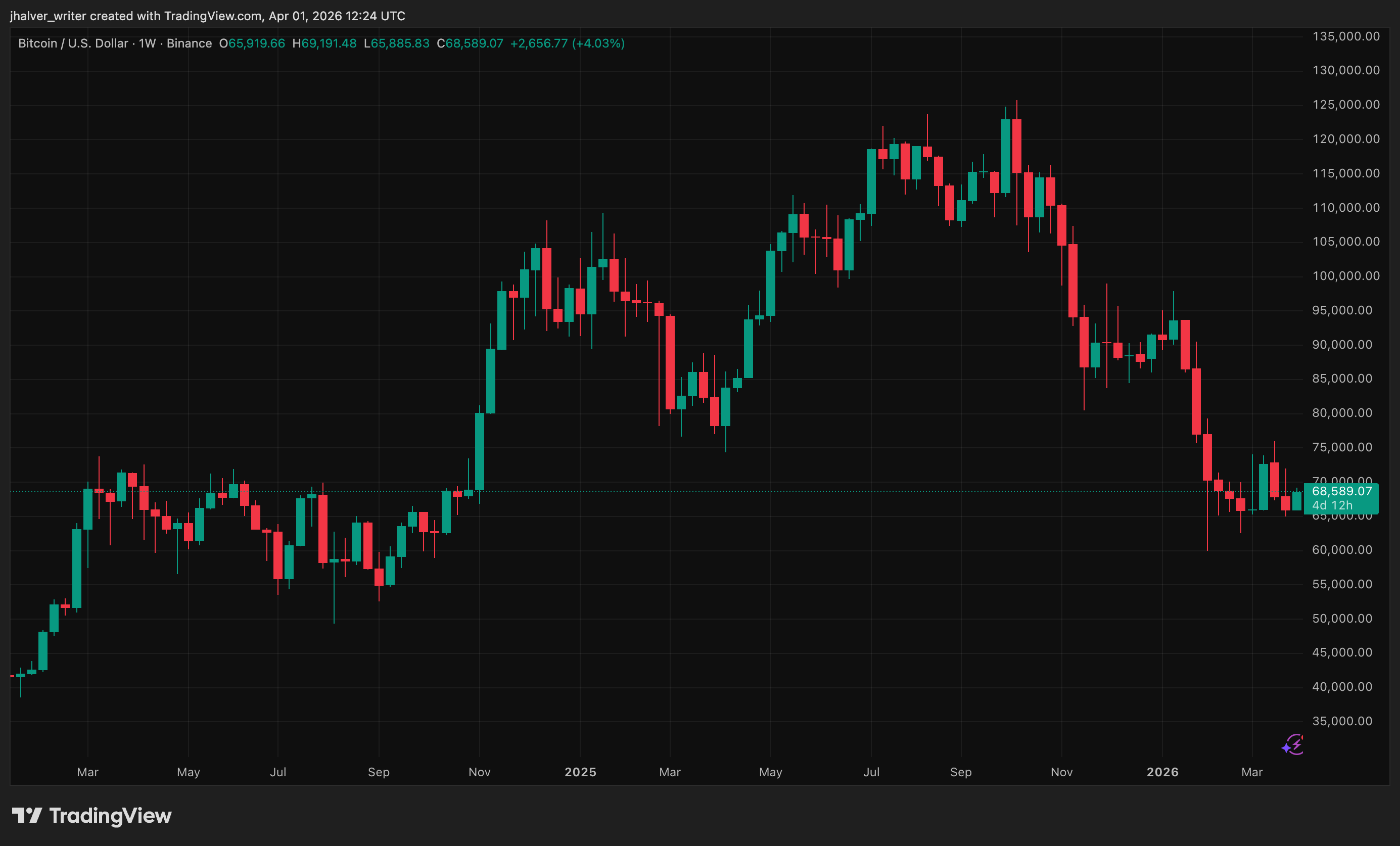
Cover image from Perplexity, BTCUSD chart from Tradingview
Read More
- United Airlines can now kick passengers off flights and ban them for not using headphones
- Crimson Desert: Disconnected Truth Puzzle Guide
- Katanire’s Yae Miko Cosplay: Genshin Impact Masterpiece
- How to Get to the Undercoast in Esoteric Ebb
- All Golden Ball Locations in Yakuza Kiwami 3 & Dark Ties
- All Itzaland Animal Locations in Infinity Nikki
- Zendaya’s 4 Big 2026 Movies Could Beat Brie Larson’s Box 2019 Office Record
- Sony announces price rises for PlayStation 5 & Portal handheld
- Pokémon Legends: Z-A Officially Reveals Free Downloads for April 2026
- Crunchyroll Makes Massive Deal With Streaming Giant: Details Here
2026-04-02 00:58