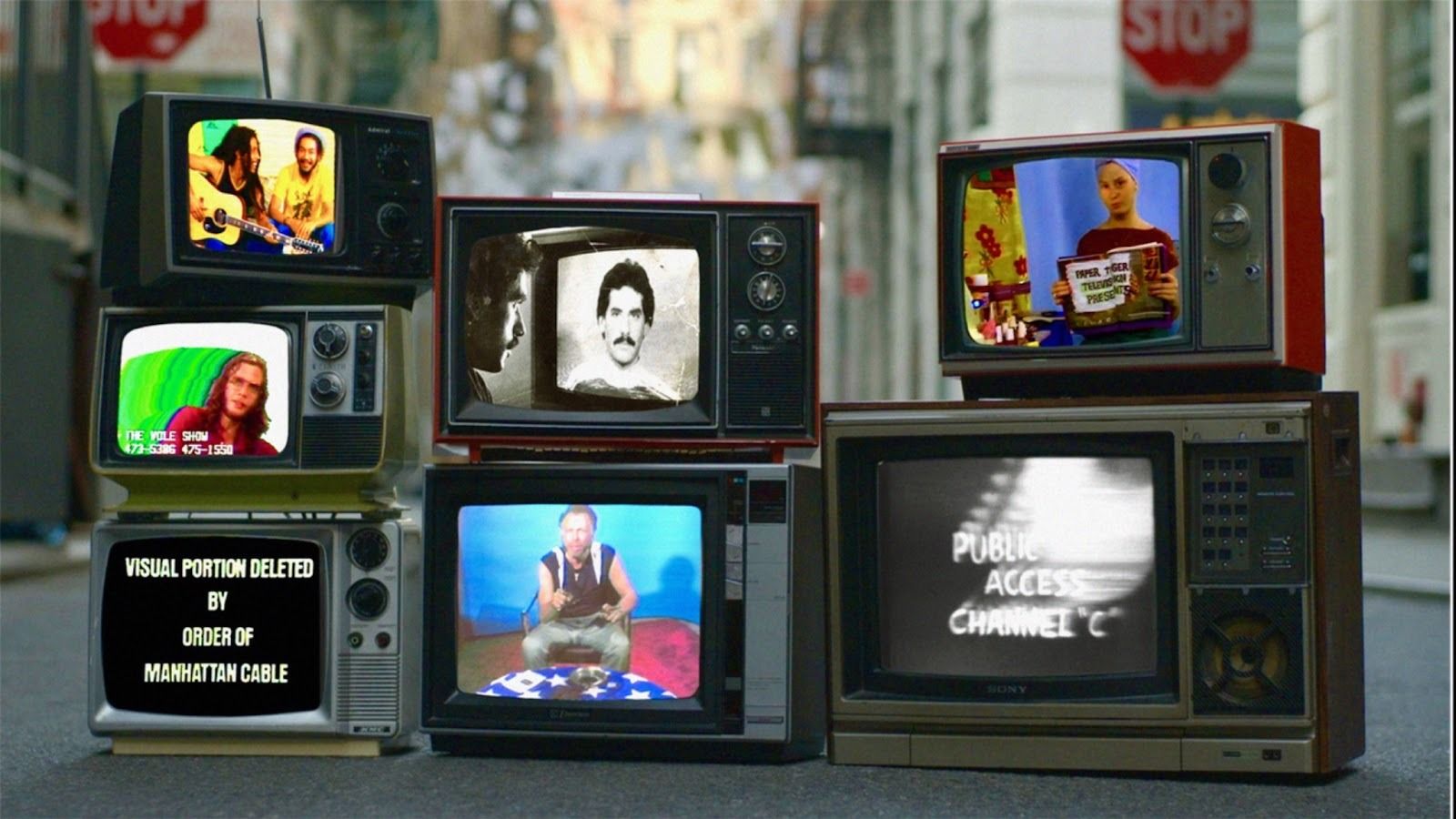
Back in 1971, New York City launched a unique experiment in television: public access. Anyone with a concept could get airtime, with very few restrictions on content. David Shadrack Smith’s fascinating and emotional documentary is a remarkable collection of footage from this early era of public access, a time when free speech was truly put into practice. While public access still exists today, it was in its beginning stages that the team at Channel C and the many people creating content for it fundamentally changed how we think about making and watching media.
There’s a striking similarity between this era and the current state of social media, particularly early YouTube. While history often repeats itself, the early 1970s were actually more chaotic than today’s heavily monitored platforms like Instagram and TikTok. The new film, Public Access, produced in part by Steve Buscemi and Benny Safdie, captures this spirit of unfiltered expression. Instead of relying on experts or academic analysis, the film prioritizes raw footage, letting the people involved speak for themselves through voiceover commentary.
The film feels a bit like watching a director’s commentary alongside a fast-paced collection of amazing, previously unreleased footage. While this approach doesn’t always work, it’s captivating when you see things you’ve never seen before. For example, there’s footage of Bob Marley on the reggae show Rockers TV openly discussing how he saw himself, artist Jean-Michel Basquiat playfully experimenting with design, and a raw, detailed recording of Bob Gruen documenting his wife Nadya’s childbirth. There’s also footage of The Spermathon, a live-recorded attempt at a Guinness World Record involving a woman and 75 men, and Jake Fogelnest, a child who became famous overnight by asking surprisingly thoughtful questions from his bedroom.
Public access television flourished thanks to activists who weren’t afraid to tackle controversial topics. Smith’s work, expertly edited by Geoff Guetzmacher, clearly explains the impact of shows like Midnight Blue, which featured explicit sexual content at a time when nudity on TV was rare, and The Emerald City and the Gay Cable Network, which offered a humanizing portrayal of homosexuality as the AIDS crisis began. Even Paper Tiger boldly exposed the influence of capitalism on childhood.
Shows on public access television unexpectedly became a key part of the fight for free speech, even when they included content some found questionable. With free speech facing new challenges today, the documentary Public Access highlights that these struggles have happened before, and that the media continues to play a vital role in shaping our society and its conversations.
Public Access screened at the 2026 Sundance Film Festival.
Read More
- United Airlines can now kick passengers off flights and ban them for not using headphones
- How to Complete Bloom of Tranquility Challenge in Infinity Nikki
- Gold Rate Forecast
- How to Solve the Glenbright Manor Puzzle in Crimson Desert
- All Itzaland Animal Locations in Infinity Nikki
- Katanire’s Yae Miko Cosplay: Genshin Impact Masterpiece
- All Golden Ball Locations in Yakuza Kiwami 3 & Dark Ties
- All 10 Potential New Avengers Leaders in Doomsday, Ranked by Their Power
- A Dark Scream Theory Rewrites the Only Movie to Break the 2-Killer Rule
- 8 Actors Who Could Play Blackbeard In One Piece Live-Action Season 3
2026-01-24 08:37