
Some video games are more than just well-made; they’ve become historically important, changing the industry and becoming truly revolutionary.
Video games can achieve lasting fame in numerous ways—through better graphics, creating entirely new types of gameplay, advancing technology, or even redefining how we interact with games. These innovations not only make a game memorable but can also fundamentally transform the entire gaming landscape.
Many important video games that shaped the industry haven’t received the public recognition they deserve, often because people simply aren’t aware of them.
Many excellent games don’t get the recognition they deserve for how much they impacted the gaming world. So, I’ve put together a list of ten PlayStation 3 games that quietly had a huge influence on the games we play today.
10. Warhawk
Herald to the Digital Age

Today, we’re used to games being released only digitally and console games being exclusively multiplayer. But Warhawk was ahead of its time, combining both of these uncommon features into one game.
This game was a landmark release for PlayStation, being the first title sold both as a physical copy and as a digital download on the PlayStation Network. This innovative approach helped establish the convenient way we buy and play games today, despite lacking a traditional single-player story mode.
While it wasn’t quite the start of today’s popular games-as-a-service model, it was an early success story for games that thrived beyond traditional retail sales. It received great reviews from both players and critics.
I never really got why people liked it, mostly because I’ve never been into games where you fight in vehicles. But Warhawk proved that a game could still be popular even without a traditional story campaign and by releasing it only as a digital download – which was pretty unusual for the time.
9. MAG (Massive Action Game)
The Unrecognized Precursor of Battle Royale

The battle royale genre, now incredibly popular, didn’t exist yet. However, the large-scale multiplayer experience of the game MAG (Massive Action Game) can be seen as an early influence.
While many games at the time had limitations, this one was remarkable for allowing up to 256 players to battle at once. Players formed into squads, creating large-scale conflicts that truly justified the game’s epic title.
On its own, the game was a typical first-person shooter – very similar to many others like Call of Duty and Battlefield. However, the game really stood out thanks to its well-designed servers, which created a completely different experience.
Although the idea took many years to develop into its current form, MAG was remarkably ahead of its time – nearly a decade early, in fact. Unfortunately, it was eventually lost to history.
8. 3D Dot Game Heroes
Pioneer of Voxels
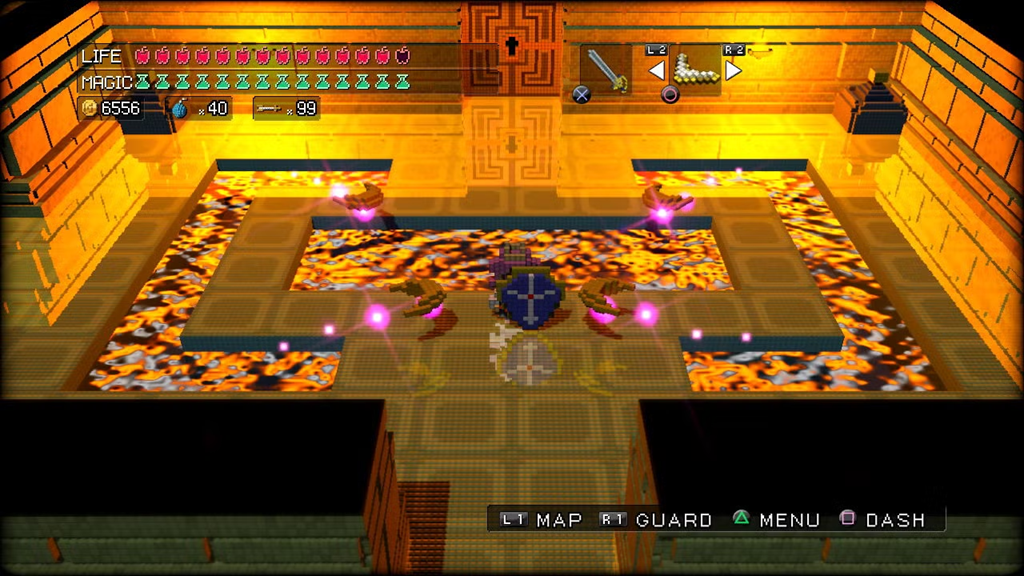
FromSoftware has worked on many different types of games throughout its history, and publishing 3D Dot Game Heroes is a great example of that variety.
Even before games like Minecraft and Hytale became popular, this title helped introduce the voxel genre to a wider audience on the PlayStation 3, using technology that was advanced for its time. While not the very first of its kind, it made voxel games more accessible.
This game was groundbreaking for its impressive 3D graphics and lively gameplay. It stood out because it was developed by a respected company, FromSoftware, and importantly, it brought the genre to PC gamers, who had previously been excluded.
Despite flying under the radar, 3D Dot Game Heroes really helped prove that voxel-based games could appeal to a wider audience, not just a niche group of players.
7. Gran Turismo 5
An Unattainable Realism

Racing games were once mostly known for their arcade-style gameplay, with series like Need for Speed being very popular. However, that changed when Polyphony Digital released Gran Turismo 5, which dramatically changed how racing games were made and experienced.
This game was the first in the series to display in full 1080p high definition. It also pioneered realistic damage effects, showing how objects deform based on the force and direction of impacts – a level of detail never before seen in games.
Players could crash over 1,000 different cars, witness spectacular destruction, and even drive from inside the vehicle using a cockpit view. This game set the standard for racing simulators, and since its release, arcade racing games haven’t been able to recapture that same level of popularity.
It’s unclear whether the recent changes in racing games are a good thing, but Gran Turismo 5 definitely played a big role in causing them.
6. LittleBigPlanet
The Power of Content Lies in the Community
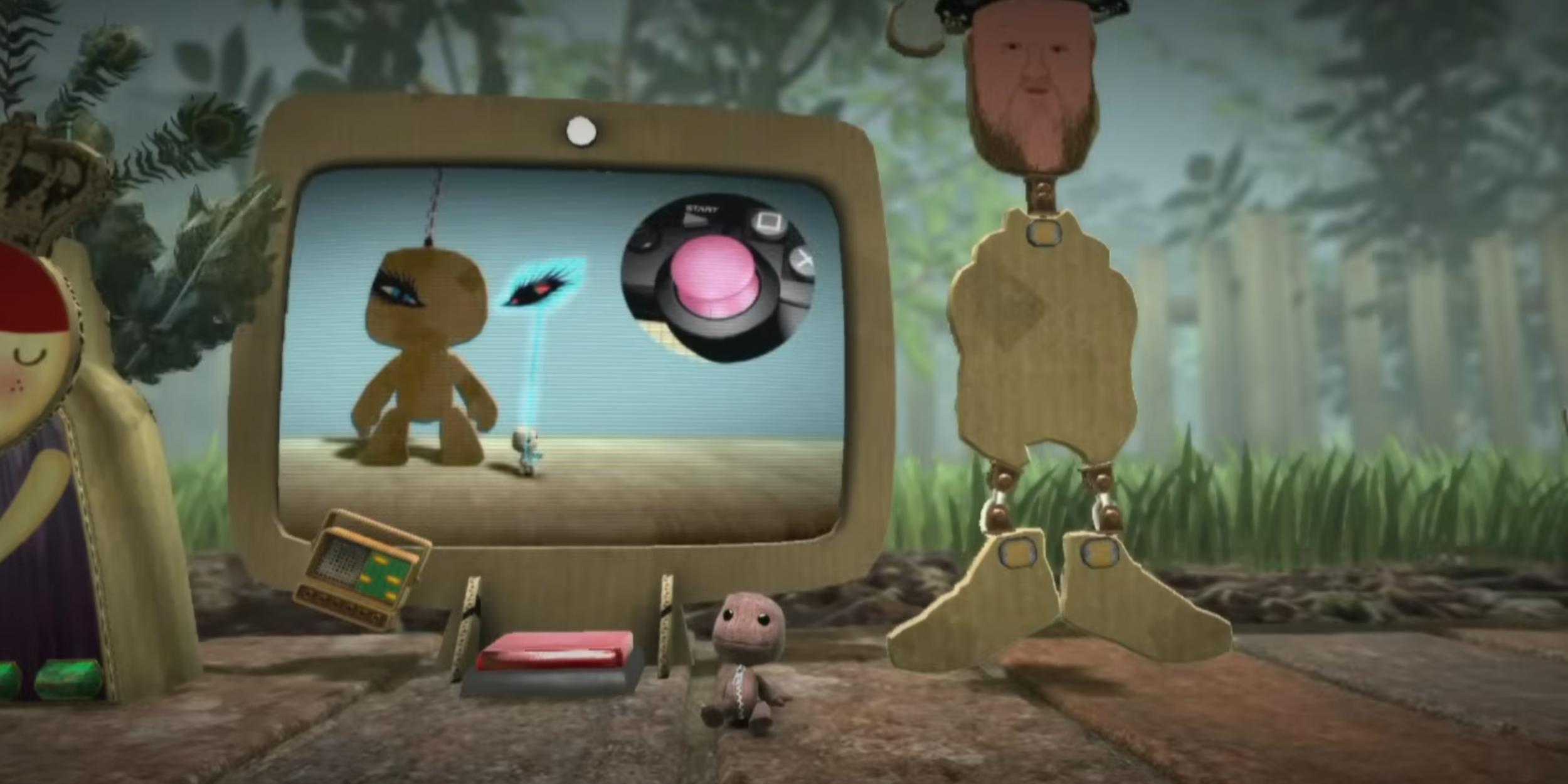
For many years, the PC gaming community’s passion for modifying games has been incredibly important to the video game industry. In fact, many popular games exist today because of this modding culture, ultimately paving the way for titles like LittleBigPlanet.
Media Molecule and Sony realized that instead of discouraging players who were already making their own content within games, they should empower those players with tools to express their creativity. This approach would naturally extend how long people enjoyed the games, without requiring additional development costs.
As a result, it was among the first big franchises to actively welcome content created by its fans, making it a central part of the game and inspiring many others for years to come.
Early modding tools were first seen on PCs, but LittleBigPlanet proved that consoles could also support them. This helped game developers become more open to including modding features in their games.
5. inFAMOUS
Morality and Superheroes

Man, so many PlayStation fans still talk about inFAMOUS! It was a huge deal back on the PS3 and PS4. For me, it really set the standard for superhero games, and it was one of the first games that made choices actually matter with its whole karma system. It’s a game I still think about!
Sucker Punch Productions didn’t come up with the ideas of superpowered heroes or choice-driven stories, but they pioneered a structure that many game developers have since used – whether intentionally or not – to build games focused on those elements.
The focus on dynamic movement while exploring open worlds and stories that changed based on your choices—features we see often today—really started gaining traction with the character Cole MacGrath, though he’s mostly a fondly remembered figure from the past now.
Although inFAMOUS isn’t considered one of the greatest game series ever, it played a significant role in developing the open-world action genre and its core gameplay elements, making it quite influential.
4. Heavy Rain
More Narrative than Gameplay
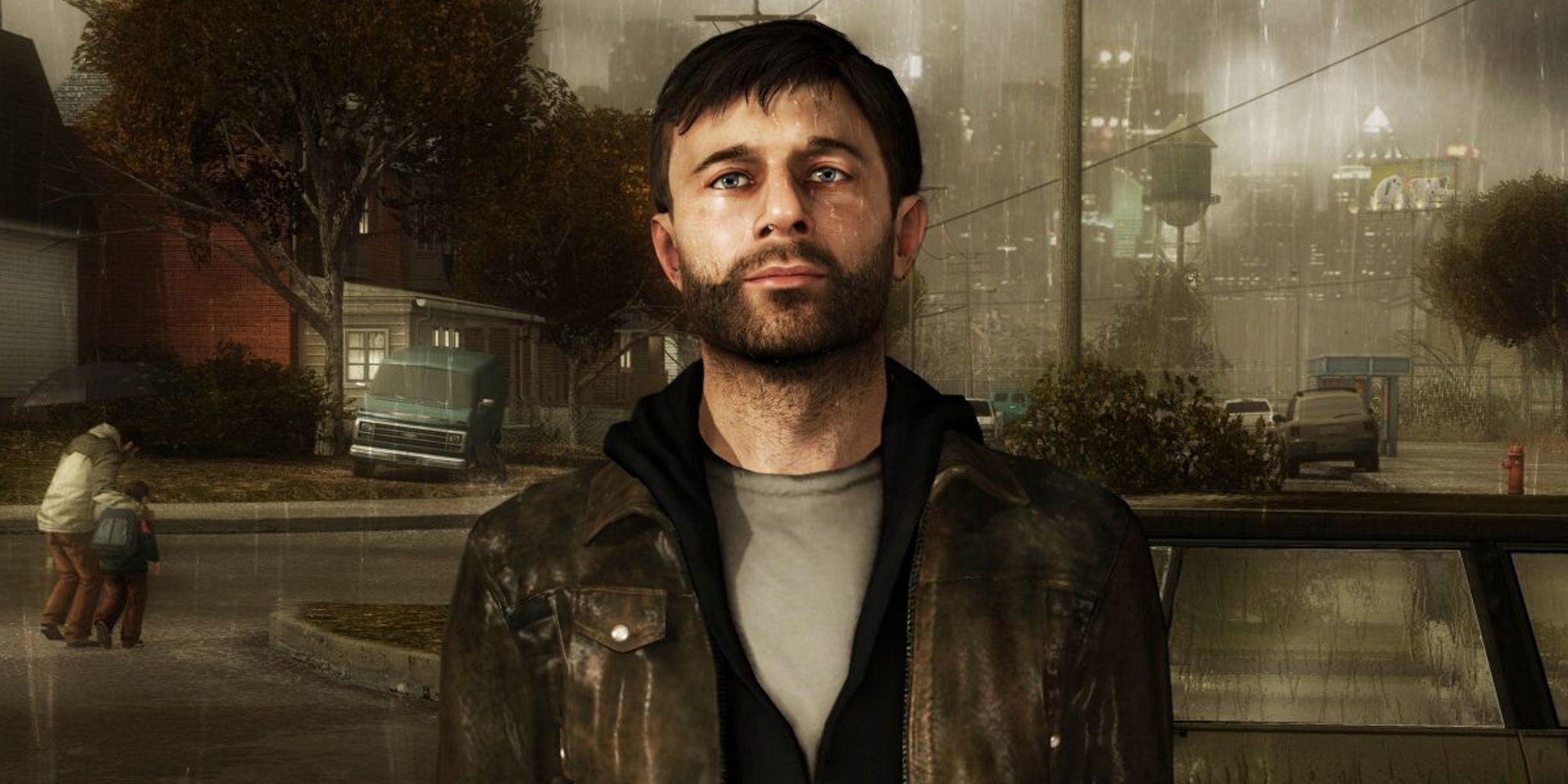
Even though I don’t enjoy games made by Quantic Dream, it’s clear that Heavy Rain was a really important game, changing the way stories were told in video games.
Though many big-budget games now feature Hollywood actors – a trend that started with Beyond: Two Souls – it was the game’s story about an origami killer that really made a difference. It reintroduced the idea of games where your choices matter to a wider audience.
Early 2000s video games often prioritized technological advancements over compelling stories. However, Heavy Rain broke new ground by putting the narrative first, creating a deeply engaging experience where player choices significantly impacted the story’s direction through numerous branching paths.
Games that focus on storytelling, like graphic adventures and visual novels, have become popular again. While not the only reason, Heavy Rain really demonstrated the depth and sophistication these genres offer, despite often having simple game mechanics.
3. The Last of Us
Art Goes Mainstream

Listing The Last of Us feels almost unnecessary because everyone knows it’s a great and important game. However, I don’t think we often discuss why Joel and Ellie have become such memorable characters.
I don’t think this game is the best at anything specifically – there are other third-person shooters with better gameplay, stronger narratives, more compelling characters, and more immersive post-apocalyptic settings. However, what really sets it apart is how captivating and engaging it is.
I remember back in the early 2010s, a lot of people still thought of video games as just kid stuff. But then The Last of Us came out, and honestly, it was a total game-changer. For so many of us, it was the first time we really saw what video games were capable of – a truly powerful storytelling medium.
Subscribe for deeper dives into gaming’s hidden turning points
While dark themes, complex characters, beautiful visuals, and memorable music weren’t new, this game uniquely combined them in a way that appealed to a wider audience. This success significantly influenced Sony’s strategy for its exclusive titles.
Following the success of The Last of Us, most of Sony’s exclusive games have been third-person action games with a focus on a cinematic experience. This is because The Last of Us achieved what many game developers hope for: becoming a high-budget, critically acclaimed game that also attracts a wide, mainstream audience.
2. Journey
Indie Games Enter the Big Stage

Early indie games mainly appeared on computers. This continued until Xbox Live Arcade came along, and for years after, no other platform really joined the scene. That changed in 2012 when Sony teamed up with thatgamecompany to release Journey.
While this game is a landmark title in the history of independent gaming, demonstrating the potential of smaller projects and their artistic expression, its most significant achievement was bringing indie games to the PlayStation platform.
It wasn’t a close partnership, and it isn’t now, but it was important because it helped independent games start appearing on consoles outside of Steam, proving they could be commercially successful on those platforms.
It’s common now for independent games to be released on many different platforms, but that wasn’t always true. The game Journey played a key role in showing people that indie games could be worthwhile, helping to build the successful independent game scene we have today.
1. Demon’s Souls
And the Industry was Never the Same
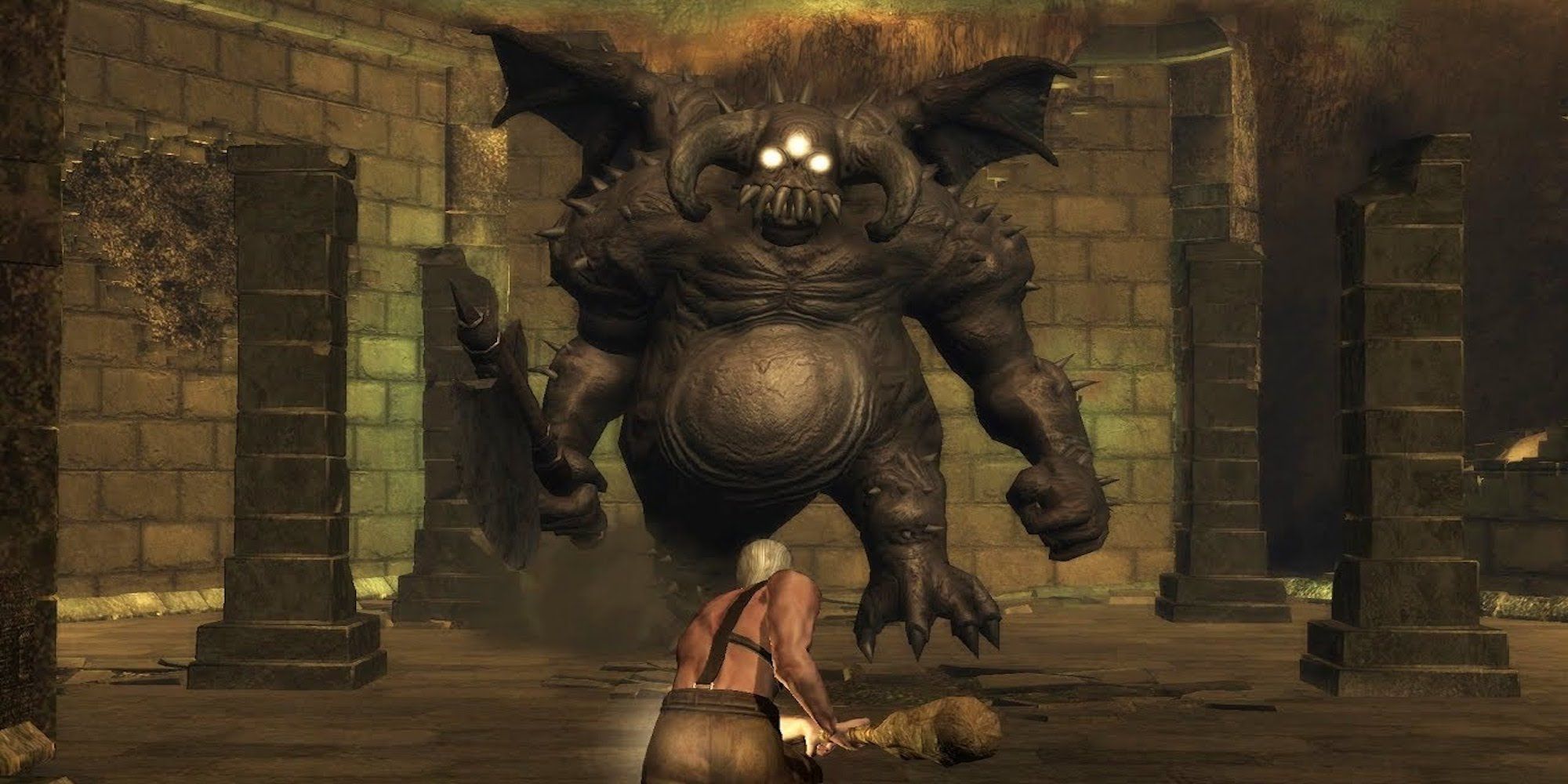
While many people play video games, very few truly appreciate how groundbreaking Demon’s Souls has been for the industry since its release in 2009. It’s a game that’s deeply influential, but not everyone recognizes its impact.
I think Dark Souls was the game that truly sparked excitement and changed things, but its earlier game deserves credit too, as it laid the groundwork for Dark Souls‘ success.
Demon’s Souls had a revolutionary impact on the video game industry, more so than any other game made exclusively for the PlayStation 3. Its challenging gameplay, complex story, detailed levels, and unique online features fundamentally changed the action role-playing game (ARPG) genre.
FromSoftware didn’t just create a new type of game – the ‘Souls-like’ – they profoundly impacted the entire gaming industry. Their influence can be seen in everything from major franchises to small independent games, and across different genres like first-person shooters and Metroidvanias. Even now, their design choices continue to shape how games are made.
While Demon’s Souls might not be the most celebrated or innovative game, it’s arguably the most important. It fundamentally changed the landscape of video games, primarily because it laid the groundwork for Dark Souls. That single contribution is enough to make it a truly remarkable title.
Read More
- United Airlines can now kick passengers off flights and ban them for not using headphones
- How to Complete Bloom of Tranquility Challenge in Infinity Nikki
- Gold Rate Forecast
- Katanire’s Yae Miko Cosplay: Genshin Impact Masterpiece
- All Itzaland Animal Locations in Infinity Nikki
- 8 Actors Who Could Play Blackbeard In One Piece Live-Action Season 3
- How to Get to the Undercoast in Esoteric Ebb
- A Dark Scream Theory Rewrites the Only Movie to Break the 2-Killer Rule
- NEXO PREDICTION. NEXO cryptocurrency
- Star Trek: Starfleet Academy Season 1 Unanswered Questions: Exploring The Plot Holes
2026-03-07 18:42