
Warning: This article contains SPOILERS for Scarpetta season 1
Similar to many recent shows and films, Prime Video’s Scarpetta struggles with its portrayal of AI, presenting it as a way to overcome death. However, murder mysteries traditionally depend on death being a negative event – a fairly obvious point.
Murder mysteries, from cozy stories like Agatha Christie’s Ms. Marple to dark thrillers like David Fincher’s Se7en, always start with a death. Surprisingly, the first season of Scarpetta manages to flip this fundamental rule of the genre on its head.
Scarpetta’s Janet AI Isn’t Realistically Possible With Current Technology
 Image courtesy of Everett Collection
This TV show is based on Patricia Cornwell’s popular thriller series. It follows forensic pathologist Kay Scarpetta, played by Nicole Kidman, as she investigates a new murder that eerily mirrors a case from early in her career. Because that original case made her name, Scarpetta begins to wonder if she originally convicted the wrong person.
At the end of Scarpetta‘s first season, the mystery of the murdered women in both timelines is solved. The killings were committed by two different, but connected, individuals, confirming Scarpetta’s long-held instincts. However, this resolution doesn’t address the show’s overall detached portrayal of death.
The biggest weakness of the show isn’t the main character, but rather Ariana DeBose’s portrayal of Lucy, Scarpetta’s niece. While DeBose is a very talented actress, known for her work in West Side Story and Hamilton, the show doesn’t seem to recognize how her character undermines the story. She does what she can with the role of a grieving niece, but it ultimately creates a problem for the plot.
Before the series starts, Lucy’s wife, Janet Montgomery, unexpectedly passes away. Overwhelmed with grief, Lucy activates an AI program she and Janet created together. This allows Lucy to interact with an artificial version of Janet, feeling like she can still communicate with her. It’s important to note this isn’t a simple text exchange with a computer program.
The show introduces DeBose’s character talking to Janet on a video call. It’s not until later that viewers learn Janet is actually an AI. Throughout the first season, Janet appears as a remarkably lifelike and independent AI, able to convincingly simulate a deceased person and chat with multiple people simultaneously through video calls.
As a film buff, I was completely floored by this show’s depiction of AI. They’ve created this character, Janet, who’s essentially brought back to life digitally, and it’s not just simple footage – the AI generates new scenes of her talking and moving, all in real time. What’s even more incredible is that she has these deeply emotional conversations, drawing on specific memories from the real Janet’s life. Honestly, it’s mind-blowing because the technology to do that just doesn’t exist, and I don’t think it ever will – it would require a leap in AI that’s almost impossible to imagine.
Scarpetta’s Janet Storyline Jars With Its Realistic Tone
 Connie Chornuk/Prime
In the first season of Scarpetta, Janet’s AI is remarkably human. She can think, communicate, experience emotions, come up with original ideas, learn from past experiences, and even physically express herself. Lucy and her late wife appear to have overcome death itself, effectively creating a being that can live forever.
Within the show’s storyline, this invention would be the most significant technological advancement ever made. It could make Dr. Scarpetta’s expertise unnecessary, as Janet’s artificial intelligence would allow Lucy to potentially revive the minds of murder victims and directly ask them to identify their killers.
It’s not too shocking that the first season of Scarpetta doesn’t center around Lucy actually developing her groundbreaking technology or tackling the huge task of eliminating death itself. Instead, the Prime Video series mostly shows her talking to her unbelievably realistic AI wife and continuing to drink throughout the day, seemingly unaware of how absurd the whole situation is.
Scarpetta’s AI Plot Highlights A Recent Storytelling Trend
I’ve been watching Scarpetta, and honestly, it’s falling into a frustrating trend I’m seeing in a lot of shows lately. They use “AI” as this easy fix, a way to handwave things that are just… completely unbelievable. It feels like a shortcut for writers. And frankly, as much as I enjoy sci-fi, the idea of AI bringing someone back to life? I really doubt that will ever be possible, and it just feels lazy storytelling here.
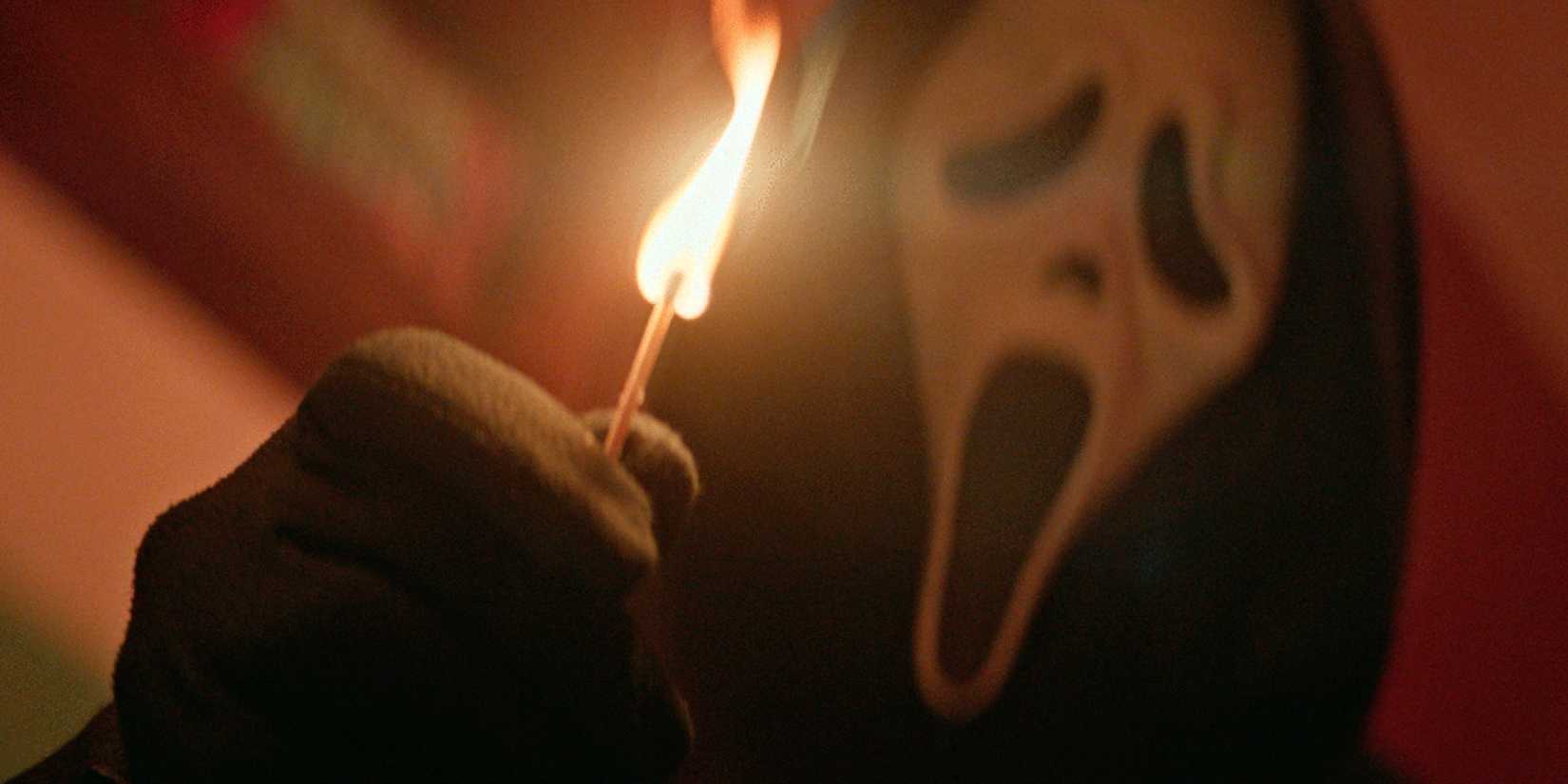
Recently, there’s been a lot of hype about what artificial intelligence can do, and the plot of Scarpetta season 1 isn’t the first story to unrealistically exaggerate its capabilities. Just weeks before, the latest Scream movie featured a plot point where AI perfectly recreated a deceased person, which is another example of this overestimation.
Explaining any further would spoil the big reveal in Scream 7. Essentially, the movie hinges on the idea of an AI program – created by one person – that can generate incredibly realistic video footage of deceased characters, perfectly mimicking their movements and behavior. While not as far-fetched as the plot of Scarpetta, it still strains believability and makes it hard to fully immerse yourself in the story.
Read More
- United Airlines can now kick passengers off flights and ban them for not using headphones
- Crimson Desert: Disconnected Truth Puzzle Guide
- All 9 Coalition Heroes In Invincible Season 4 & Their Powers
- Mewgenics vinyl limited editions now available to pre-order
- Grey’s Anatomy Season 23 Confirmed for 2026-2027 Broadcast Season
- Does Mark survive Invincible vs Conquest 2? Comics reveal fate after S4E5
- Viral Letterboxd keychain lets cinephiles show off their favorite movies on the go
- How to Get to the Undercoast in Esoteric Ebb
- All Golden Ball Locations in Yakuza Kiwami 3 & Dark Ties
- Dakota County’s plan to end hunger involves locking mayors in escape rooms
2026-03-15 19:32