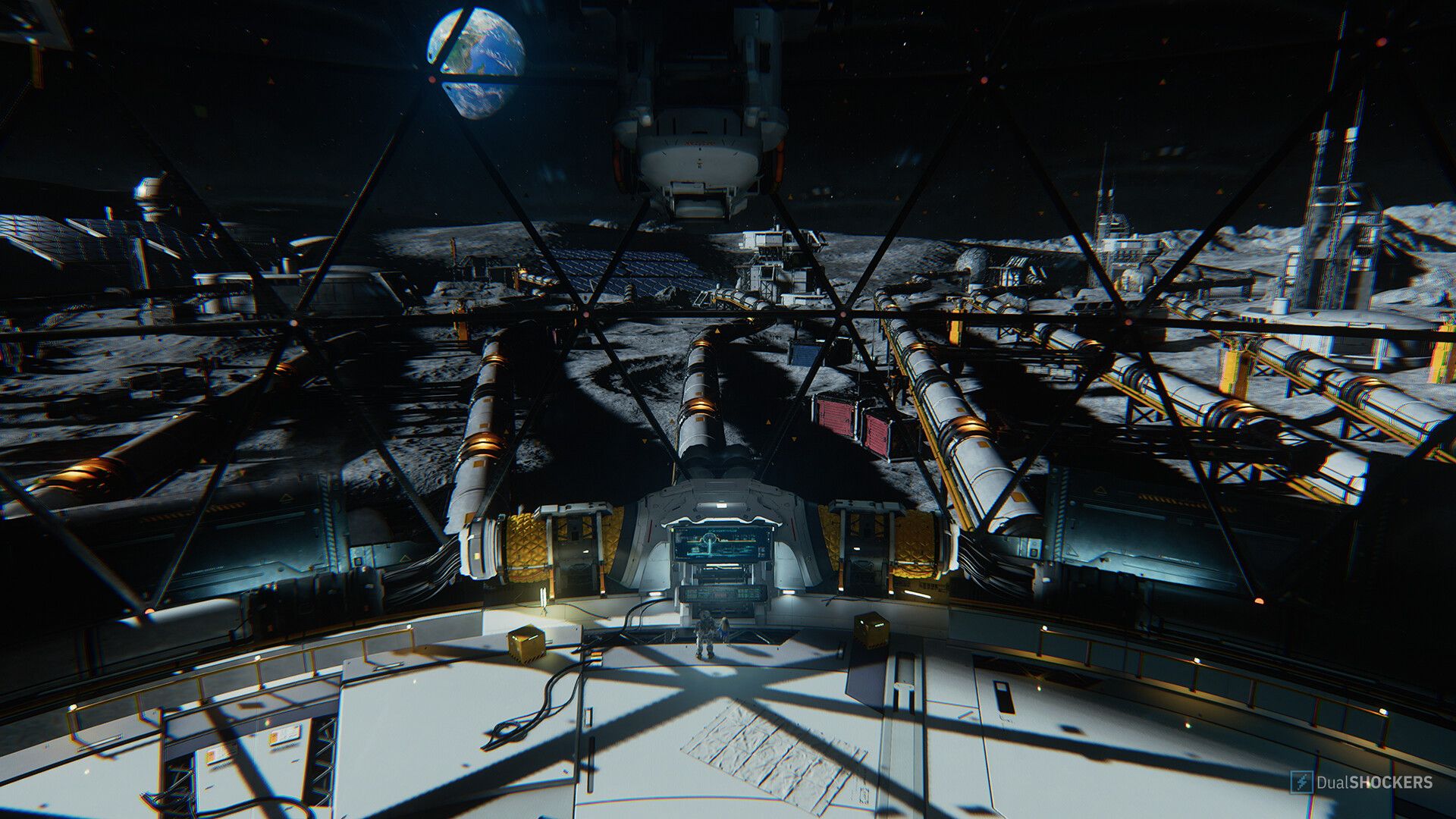
I remember when Capcom first showed off Pragmata back in 2020! They were really building it up as something totally new – their first original game idea in almost ten years. Honestly, though, as excited as I was, my first thought when I saw that initial trailer was…
“Oh. It’s another AAA dad-and-daughter third-person shooter. Okay.”
After the first exciting trailer, I honestly didn’t think much about Pragmata. Later trailers didn’t really grab my attention either, and I even struggled to remember the game’s name unless I saw it. I just thought of it as ‘that game with the father and daughter, the guy in the big suit, and the small robot girl.’
I wasn’t really interested in Pragmata until recently. But after watching another flashy trailer at the Game Awards, Capcom announced a free demo on Steam. I figured I had nothing to lose, so I tried it out. And honestly, that’s what finally got me hooked – it made me see the characters as more than just a “bulky suit dad and robot daughter”; they became “Hugh and Diana” in my mind.
This small change highlights a long-standing issue within the industry, and also suggests a potential solution – if major game developers are willing to address it.
The Demo Gave Me Concrete Concepts To Latch Onto
Moment-to-moment gameplay is paramount

Before I tried the Pragmata demo, I wasn’t sure what the game would actually be like to play. The trailers showed glimpses of shooting, hacking, and teamwork between the characters, but it wasn’t obvious how those elements would come together to create a cohesive and enjoyable experience.
This demo offers a brief but engaging glimpse into the gameplay, putting you in control of Hugh and Diana as they explore an abandoned moon base. The core mechanic is immediately clear: Diana targets incoming robots and initiates a hacking minigame controlled with the face buttons. While she’s hacking, robots continue to attack, requiring you to skillfully dodge and maneuver as Hugh. Successfully completing the hack opens the robots’ vents, allowing Hugh to finish them off with gunfire.
Right from the start, I quickly understood the game’s core idea. It features complex and varied action combat, reminiscent of the hacking challenges in BioShock 2, but with more depth. As the demo continued, both characters gained new abilities. Hugh unlocked more weapons, like a shotgun and a laser net that could stun enemies, while Diana discovered special icons that boosted her hacking power when used in her grid.
Beyond the main action, the demo includes some relaxed scenes where Hugh and Diana simply chat and connect. While the trailers focus on their playful arguments during intense moments or serious conversations, a game needs more than that. It’s these little, everyday conversations that really make you care about the characters, or at least that’s how I feel.
The Industry Has A Style-Over-Substance Problem
Flashy pre-rendered cutscenes are meaningless
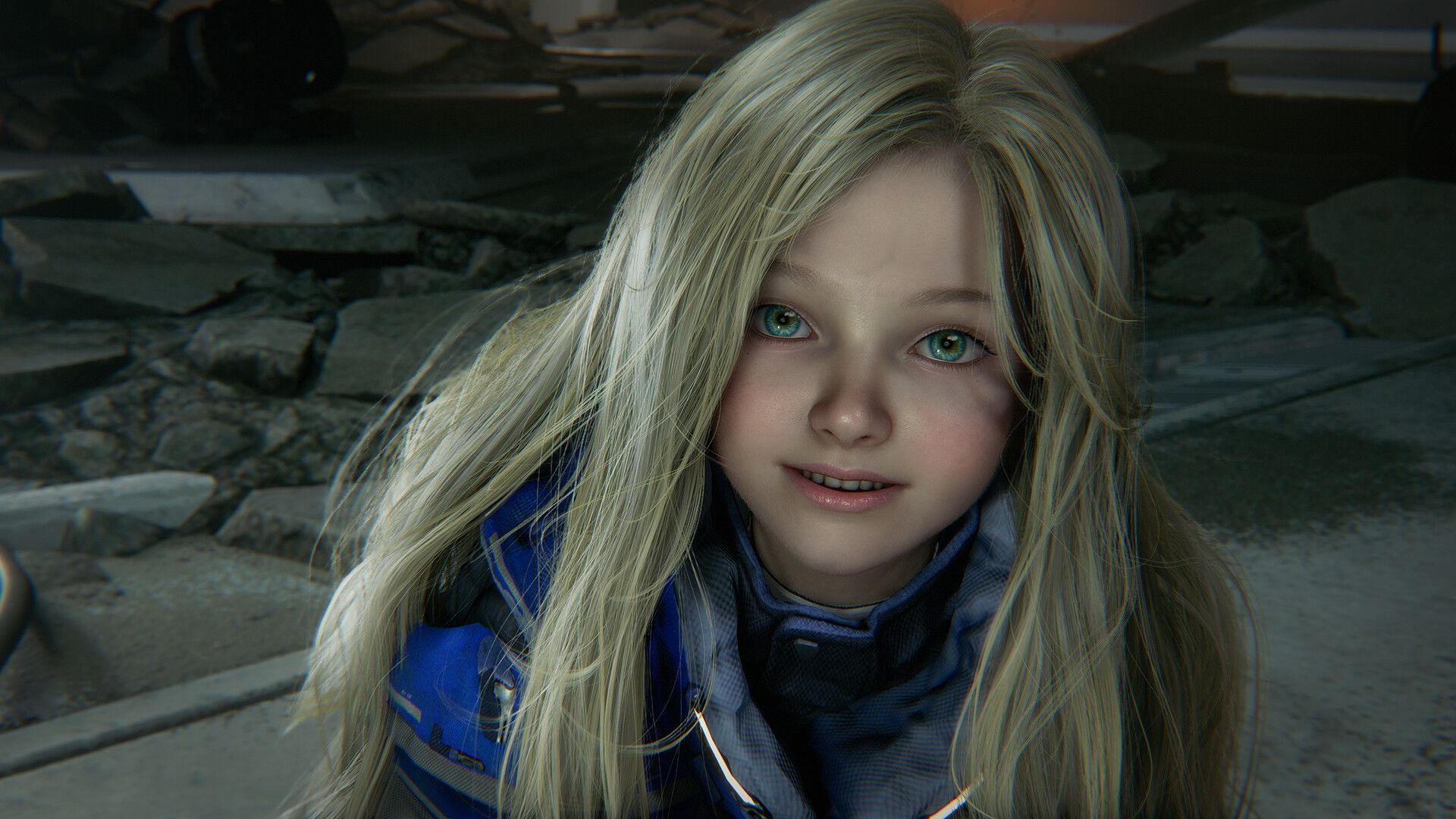
The recent Pragmata demo finally showed what the game is truly about in a way that years of impressive trailers never managed to. This highlights a growing problem I’ve noticed in the gaming world, both in how games are advertised and how they’re designed.
Many big-budget game ads focus too much on looking like movies instead of showing actual gameplay. We’re shown impressive, pre-made scenes, but these don’t tell us how the game feels to play. It’s often difficult to find real gameplay footage; you have to sift through lots of cinematic trailers, and even then, what you see might be a carefully edited highlight reel instead of typical in-game action.
The word “game” usually suggests something fun, but the trailers didn’t show me anything enjoyable or interesting about it – not in the first one, or any after that.
I first saw the Pragmata trailer a long time ago, and honestly, I didn’t quite get what it was trying to show. It featured a character in a heavy suit, a girl who seemed to be his companion, a destroyed version of New York City, and a strange, ghostly cat. It looked good visually, but I was expecting a game, not just an art film.
The trailers for this game don’t show anything fun or enjoyable. It just seems like another typical action game with a tough, older character protecting a child – a storyline we’ve seen repeatedly in big-budget games since ‘The Last of Us’. It feels like the game is trying too hard to be serious and dramatic, and frankly, it doesn’t make me want to buy it. I suspect many other gamers feel the same way.
Pragmata’s Demo Was A Major Step In The Right Direction
It finally got on my radar

I really enjoyed the Pragmata demo! I immediately added it to my Steam wishlist and started looking for time in my schedule to play it when it comes out on April 24th. While things could still go wrong and the final game might disappoint, I’m hopeful because the demo left me with a good impression. I think I’ll genuinely enjoy playing as Hugh and Diana, and it doesn’t feel like just another story-driven game – it feels like a game with heart.
Looking at the Steam forums, despite some unhelpful posts, the feedback on the demo has been mostly good, which supports my point. You can create amazing trailers with high-quality graphics and music, but if you don’t clearly show players what your game is about, you won’t attract anyone to play it.
Lately, I’ve noticed a trend where game trailers look amazing, but it’s often unclear what the actual game is. It’s all style and no substance, and I’m left wondering what I’d actually do in the game.
I don’t think every major game needs a detailed demo, as I understand demos take developers a lot of time and effort. However, instead of flashy trailers that look like movies, game advertising should primarily show actual gameplay, giving players a clear idea of what they’ll be doing in the game.
Lately, I’ve seen a lot of game trailers that are visually impressive, but leave me wondering what the game actually is. If a game is all looks and no gameplay, it doesn’t excite me. Showing a beautiful picture is the same as showing a trailer – it looks nice, but doesn’t tell me if the game will be fun or worthwhile. Good graphics don’t automatically make a good game.
Considering how many big-budget games focus on graphics over fun gameplay, it’s easy to suspect they rely on visuals to distract players. However, that doesn’t seem to be the case with Pragmata, which appears to have genuinely engaging gameplay.
Read More
- United Airlines can now kick passengers off flights and ban them for not using headphones
- Crimson Desert: Disconnected Truth Puzzle Guide
- How to Get to the Undercoast in Esoteric Ebb
- Katanire’s Yae Miko Cosplay: Genshin Impact Masterpiece
- All Golden Ball Locations in Yakuza Kiwami 3 & Dark Ties
- All Itzaland Animal Locations in Infinity Nikki
- Zendaya’s 4 Big 2026 Movies Could Beat Brie Larson’s Box 2019 Office Record
- Gold Rate Forecast
- Australia’s New Crypto Law: Can They Really Catch the Bad Guys? 😂
- Fire Force Season 3 Part 2 Episode 24 Release Date, Time, Where to Watch
2025-12-16 21:45