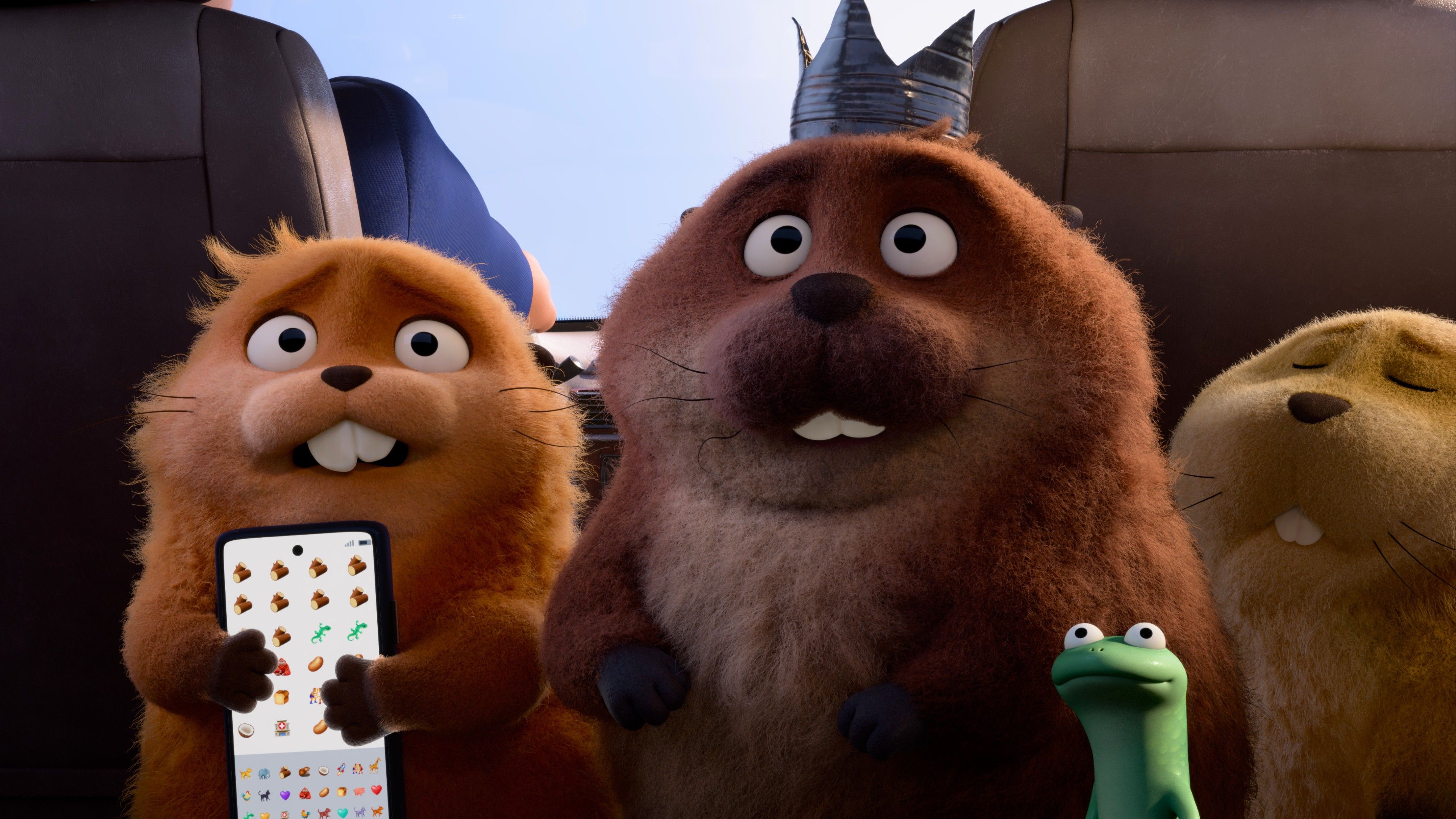
The character designs in Hoppers are a refreshing change for animated movies, adding depth to both the story and the visuals by cleverly subverting typical genre expectations. There’s much to enjoy about Hoppers – particularly its heartwarming story of Mabel, who transforms into a cyborg beaver to safeguard a beloved wildlife habitat – and the film is filled with a delightful variety of animal characters.
Despite being an animated story about animals – a very common theme – the characters in Hoppers feel remarkably unique and captivating. The film achieves this by deliberately avoiding typical character design tropes, successfully subverting expectations and enriching the narrative.
Hoppers’ Style Intentionally Breaks An Animation Rule For The Best Reason
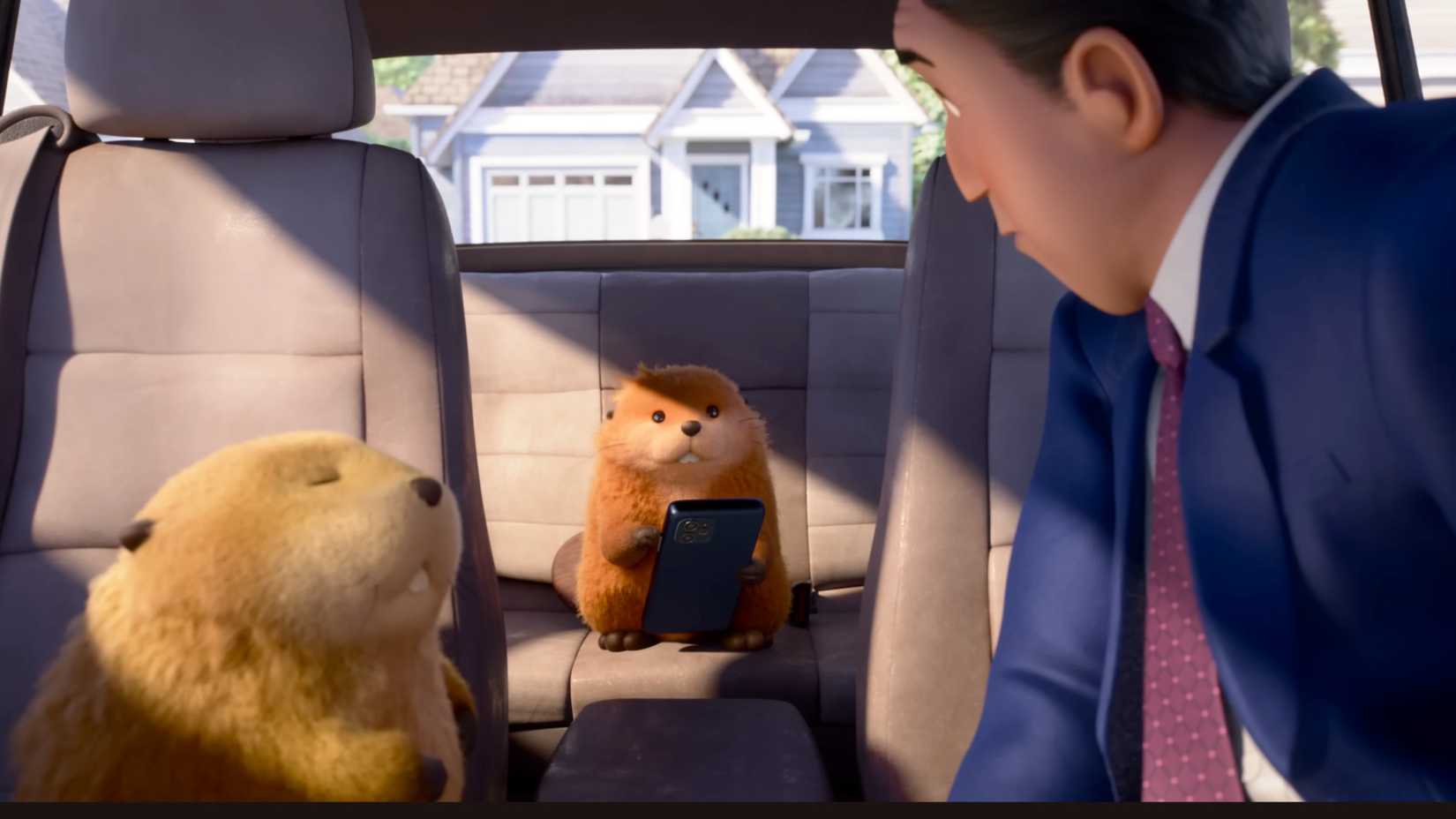
The movie Hoppers features lovable animal characters and follows Mabel’s efforts to safeguard their home, a place filled with cherished memories of time spent with her grandmother. This blend of traditional animation and a unique approach likely explains why Hoppers has received such positive reviews on Rotten Tomatoes.
The movie achieves this effect by showing its animal characters in two ways. First, they appear with the typical large-eyed animation style seen in Pixar films. This happens when a character is inside a robotic animal body, allowing them to communicate with other animals, or whenever we need to understand that humans and animals are able to understand each other.
Throughout the rest of the film, the animal characters in Hoppers become much more realistically animal-like, and this is most noticeable in their eyes. They shift from having the typical, expressive eyes seen in most Pixar films to simpler designs like black dots. This change is also reflected in their speech, which consists only of the natural sounds that animal would make.
As a big animation fan, I initially wondered if moving away from the typical, highly stylized animal designs we see in movies like those from Pixar was a gamble. There’s a reason most animated animals aren’t super realistic – audiences often prefer the more cartoonish look. But honestly, it really paid off for this film! It served the story so well, and I think it was a great creative choice.
As a movie fan, I really appreciate how the filmmakers visually distinguished Mabel’s beaver form – what they call a “Hopper” – from when she’s human. It wasn’t just a cosmetic thing, either. This choice really highlighted the disconnect between the human characters and the animal world, letting us feel how different their experiences were. It’s a clever technique that actually pushes the plot forward, and it’s especially impactful in the film’s ending – the payoff with the Hoppers is so much stronger because of it.
Hoppers’ Approach To Its Animal Designs Makes The Movie So Much Better

The playful use of different animation styles for the animal characters is crucial to the film’s success. This dual approach not only creates some of the movie’s funniest moments but also cleverly sets up important plot developments, such as the conflict between Mabel and King George. It’s a decision that benefits the story in two significant ways.
The way Hoppers portrays its animal characters – embracing their more natural, animalistic traits – really enhances the story, and likely would have been less effective otherwise. The art team also made these creatures undeniably cute and lovable, ensuring viewers will connect with them throughout the film’s enjoyable duration.
Read More
- United Airlines can now kick passengers off flights and ban them for not using headphones
- How to Complete Bloom of Tranquility Challenge in Infinity Nikki
- Gold Rate Forecast
- Katanire’s Yae Miko Cosplay: Genshin Impact Masterpiece
- How to Solve the Glenbright Manor Puzzle in Crimson Desert
- All Golden Ball Locations in Yakuza Kiwami 3 & Dark Ties
- All Itzaland Animal Locations in Infinity Nikki
- 8 Actors Who Could Play Blackbeard In One Piece Live-Action Season 3
- A Dark Scream Theory Rewrites the Only Movie to Break the 2-Killer Rule
- All 10 Potential New Avengers Leaders in Doomsday, Ranked by Their Power
2026-03-07 16:38