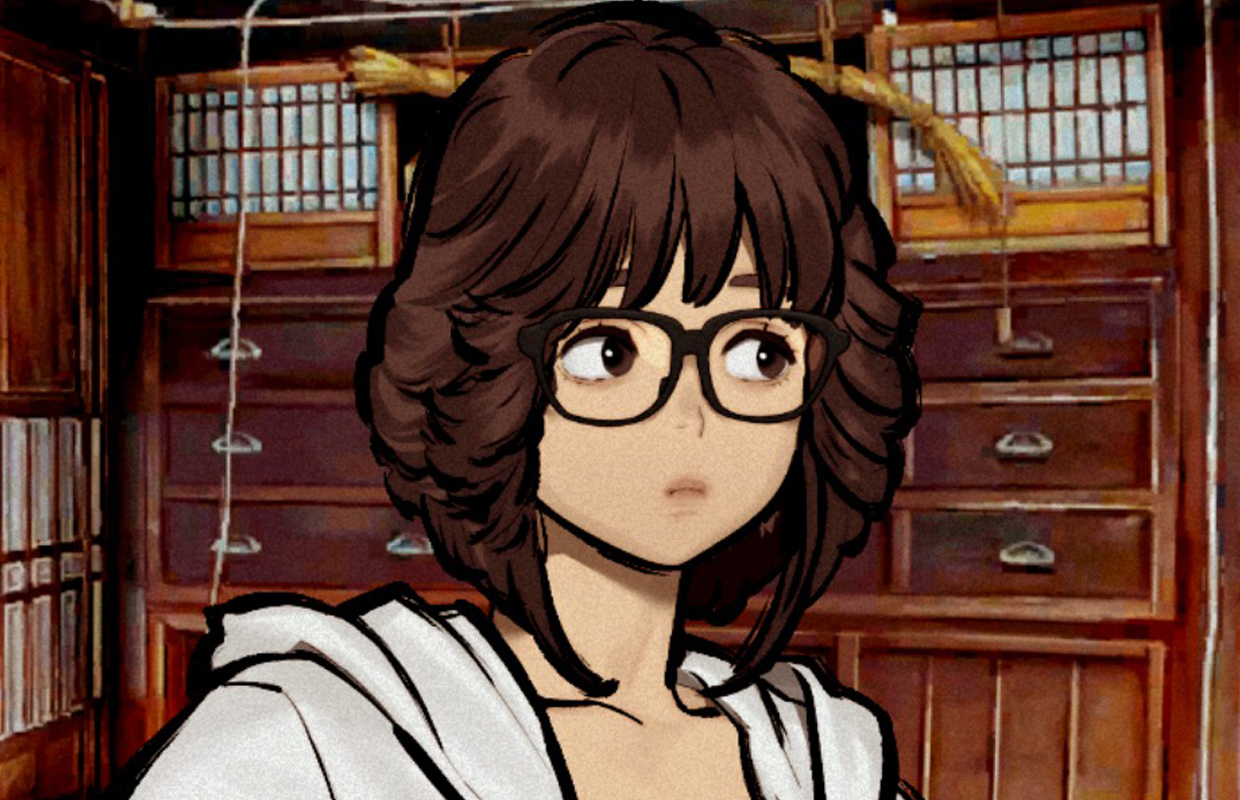
Man, Square Enix really surprised me with Paranormasight: The Seven Mysteries of Honjo a few years back. It was a horror adventure game, and what I loved was how the game’s design actually helped tell the story – it made the characters stick with me long after I finished playing. I seriously hoped it wouldn’t be a one-time thing, because the team at Xeen clearly made something really special, and I was already wanting more!
I was concerned about the future of Square Enix after hearing about their recent changes and focus on making fewer, higher-quality games. Reports suggested they were cancelling some smaller projects, and I worried that unique, experimental titles like Paranormasight might be overlooked. However, those fears were eased when Paranormasight: The Mermaid’s Curse was unexpectedly revealed at the Nintendo Partner Direct showcase a couple of weeks ago.
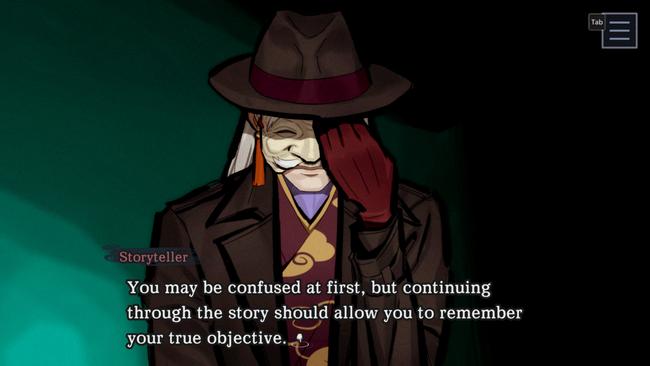
Mermaid’s Curse is a sequel to Seven Mysteries of Honjo, but it can be enjoyed on its own. It takes place a year after the first game and features a brand new set of characters. While playing Seven Mysteries of Honjo isn’t necessary to understand Mermaid’s Curse, you might find some familiar references if you have.
If you enjoyed Seven Mysteries of Honjo, you’ll quickly understand Mermaid’s Curse. The two games share many of the same gameplay features and how you move around. The story unfolds through scenes displayed on a chart, letting you experience events from the viewpoints of various characters.
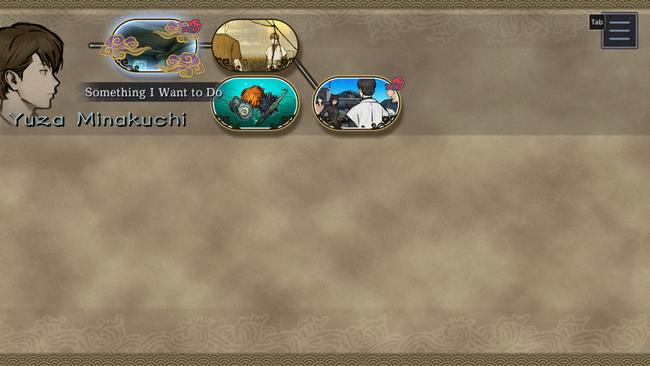
This story centers on Yuza Minakuchi, a young diver determined to uncover the truth behind his mother’s death five years after a fatal accident. During a dive, he experiences a strange, unexplainable event that gives him a new clue in his search.
The Mermaid’s Curse offers a completely different setting than Seven Mysteries of Honjo. Instead of Honjo, the story now takes place in the Ise-Shima region of Japan, centering around the made-up island of Kameshima. The island is inspired by real places known for their mermaid legends and folklore.
The second installment of Paranormasight builds on what made the first game great: beautifully written journal entries that are revealed as you progress through the story. ‘The Mermaid’s Curse’ offers rich details about the characters and settings, and includes a lot of interesting historical information. The developers clearly have a passion for the occult, drawing inspiration from various sources, and they enjoy sharing what they’ve learned with players along the way.
Playing Mermaid’s Curse, I was really impressed by how much better it looked. It seems the team behind it, Paranormasight, had a bigger budget thanks to the success of their previous game, Seven Mysteries of Honjo. This allowed them to create more detailed and lively characters, and the way the game uses the camera is much more dynamic and interesting.
I’ve noticed the fish-eye view in Paranormasight feels a lot smoother now. It’s partly because they changed where it’s used and how it works. Before, a lot of the game took place at night and had this filter over everything, like you were watching it on an old TV – it really fit the retro vibe they were going for.
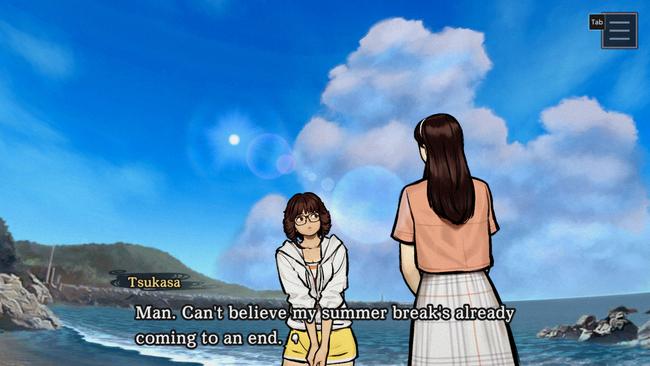
Compared to the original game, this installment features many more daytime scenes. While still set in the 80s, it doesn’t rely on a retro visual filter, allowing the unique, stylized backgrounds – created with enhanced photos of real locations for an illustrated effect – to stand out more clearly.
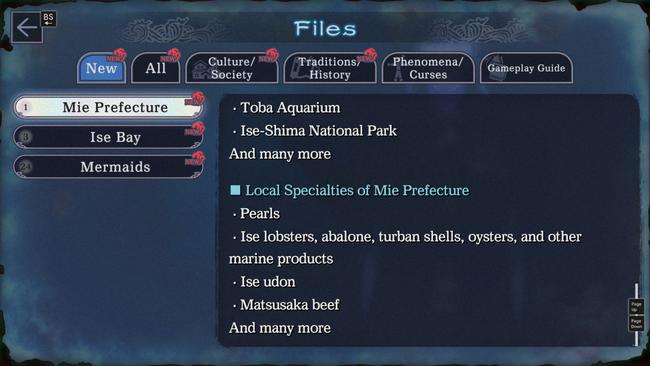
Changing the visual style of Seven Mysteries of Honjo also meant updating the game’s menus and interface. Before, opening the menu felt like turning on an old television, complete with sound effects and transitions. Now, in Mermaid’s Curse, the menus have a watery design, giving the impression of swimming underwater.
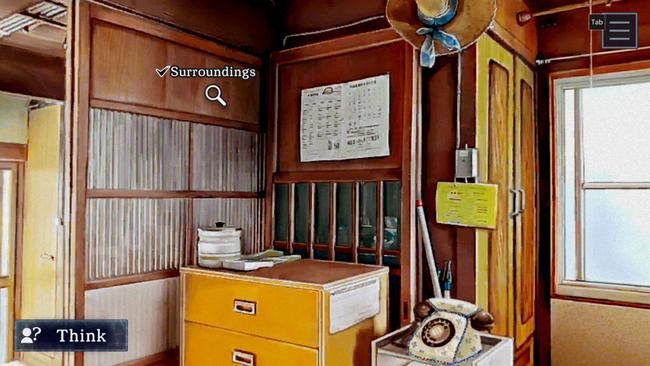
The Mermaid’s Curse offers a different feel compared to other Paranormasight stories. While Seven Mysteries of Honjo created a truly frightening experience with its encounters with cursed individuals, and a welcome relief when the sun came up, its characters were mostly people who just knew each other casually – coworkers, acquaintances, and strangers met along the way.
Many of the actors in Mermaid’s Curse are connected as a community. Yuza, for example, has a close-knit group of friends, and they all live together in the small town of Kameshima. The show really focuses on how people connect with and depend on the land they call home.
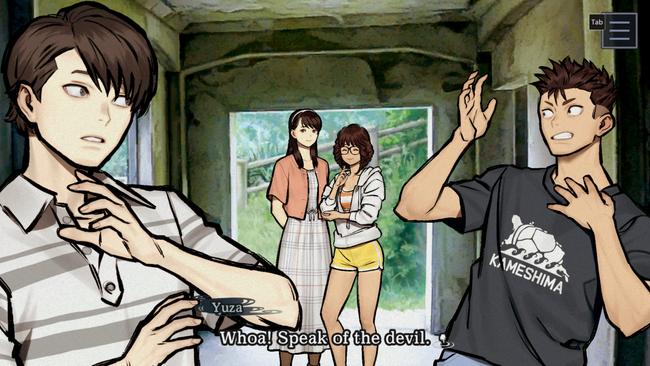
Mermaid’s Curse has some scary moments, but it’s not as intensely frightening as Seven Mysteries of Honjo. It focuses more on creating a sense of quiet tension that slowly builds into something unsettling. Though many scenes are calm at first, a subtle feeling of unease stays with you, leaving you feeling restless.
The biggest adjustment I had to make when moving from the original Paranormasight was that The Mermaid’s Curse isn’t as frightening. While I’m fine with that, the game’s non-linear structure and pacing sometimes hinder the experience.
As you talk to characters, you’ll occasionally see a button appear in the top left corner that unlocks a ‘Recollection’ – a short story chapter. These chapters reveal backstory, either for the main character or others, explaining how they got involved in the story. In the beginning of Mermaid’s Curse, it often felt like I was experiencing the story out of order because these unlocked memories kept revealing events and characters from the past.
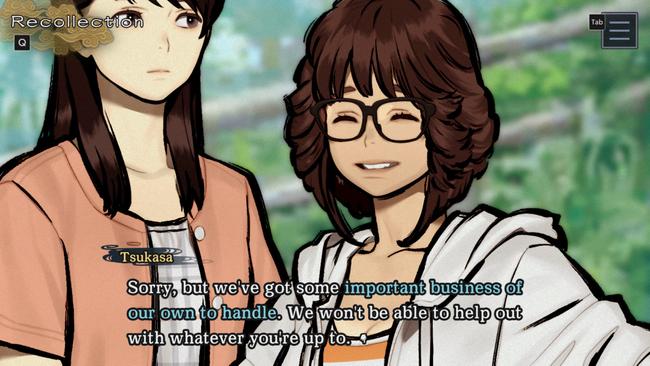
I wasn’t really bothered by this aspect itself, but the story often started with long journal entries that felt slow and delayed the main plot. It reminded me of spending hours with background reading for a research paper in college. While the information in The Mermaid’s Curse was interesting, it sometimes felt like too much detail was given at once.
So, they toned down the scary stuff in Mermaid’s Curse, but they really ramped up the puzzles, which I’m totally okay with! I don’t want to give anything away, but some of these puzzles are seriously clever – the way you have to do things to solve them is really cool. I especially loved one where you had to decipher a treasure map. There’s also a bit of reading involved – you need to fill in blanks using info from journals and character bios. Honestly, as long as you pay attention and read everything, the puzzles aren’t too hard.

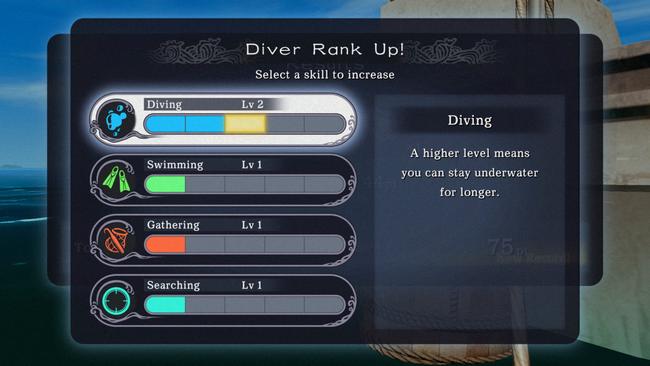
Mermaid’s Curse now includes a new diving minigame starring Yuza. Players can dive into the ocean to collect shells, urchins, and other items, but they need to watch their oxygen level. Everything collected earns Yuza experience points, increasing her Diver Rank. Leveling up allows players to improve skills like oxygen efficiency, movement speed, gathering rate, or the range at which interactable objects are detected. While the minigame is straightforward, it plays a role in the overall story – though I can’t reveal how just yet.
One of the things I loved about the first Paranormasight – and many others did too – was how it acknowledged itself as a game. It cleverly broke the fourth wall, using this as a key part of the puzzles. Mermaid’s Curse does this again, and it’s wonderfully strange. I hesitate to say this in a review, but I really hope players try to solve everything themselves first, and really challenge themselves, before looking up a guide. The most rewarding part of both games for me was the mental effort it took to figure everything out.
I finished Mermaid’s Curse in more time than Seven Mysteries of Honjo. It took me about 12 or 13 hours to beat the first Paranormasight game. However, my playtime for Mermaid’s Curse was a bit unusual. I think most players will probably need between 15 and 18 hours to finish it, especially if they try to unlock the hidden true ending without using a guide.
Similar to the hidden depths of games like Seven Mysteries of Honjo, Mermaid’s Curse has a secret, complete ending that I won’t spoil. I wanted to mention it because unlocking it took me a lot of frustrating trial and error, adding several hours to my total playtime – ultimately pushing it over 20 hours. While others might find it easier, I really had to work hard to figure it out, and it wasn’t a fun process.
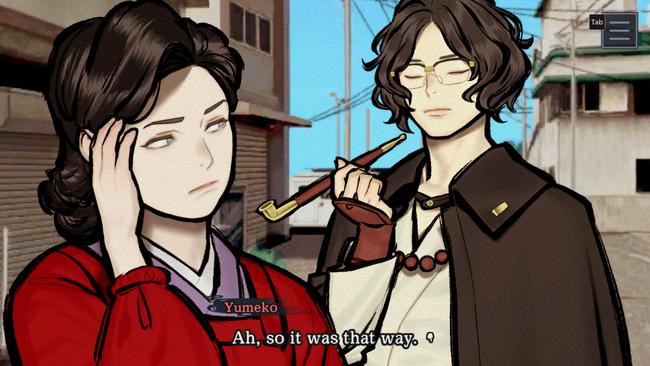
I enjoyed the story overall, but a few parts didn’t quite work for me. It’s hard to explain why without giving away spoilers. I appreciated the story’s themes and many of its elements, though some of the reasons behind the characters’ actions felt a little weak. It’s still a great story, but it didn’t connect with me as strongly as the first book in the series.
Seriously, the sound team for Paranormasight is killing it again. They’re really building a unique sound for the whole series – I was so happy to hear some of the tracks from the first game, like the title theme and those investigation tunes. The new music fits the tropical vibe perfectly, and they’re masters at adding just a touch of creepiness to even the most relaxed scenes without ruining the mood. If I had one tiny complaint, it’s that they maybe use this one ‘thwack’ sound a little too often, but honestly, the game sounds fantastic overall.
Paranormasight: The Mermaid’s Curse retains much of what made the previous game, Paranormasight: The Seven Mysteries of Honjo, so enjoyable. While it’s less focused on horror, it features more complex and engaging puzzles. It’s a difficult game to discuss beforehand, though, because the fun comes from discovering its secrets. I had a few minor issues with the story’s conclusion, but overall it’s another excellent Paranormasight game, and I’m hoping the developers continue the series.
8
We tested Paranormasight: The Mermaid’s Curse on PC. It’s also playable on Nintendo Switch and mobile devices (iOS and Android).
Read More
- United Airlines can now kick passengers off flights and ban them for not using headphones
- Katanire’s Yae Miko Cosplay: Genshin Impact Masterpiece
- All Itzaland Animal Locations in Infinity Nikki
- How to Complete Bloom of Tranquility Challenge in Infinity Nikki
- How to Get to the Undercoast in Esoteric Ebb
- Gold Rate Forecast
- A Dark Scream Theory Rewrites the Only Movie to Break the 2-Killer Rule
- All Golden Ball Locations in Yakuza Kiwami 3 & Dark Ties
- BloxStrike codes (March 2026)
- 6 Ways Invincible Season 4’s Hell Episode Rewrites The Comics
2026-02-17 14:28