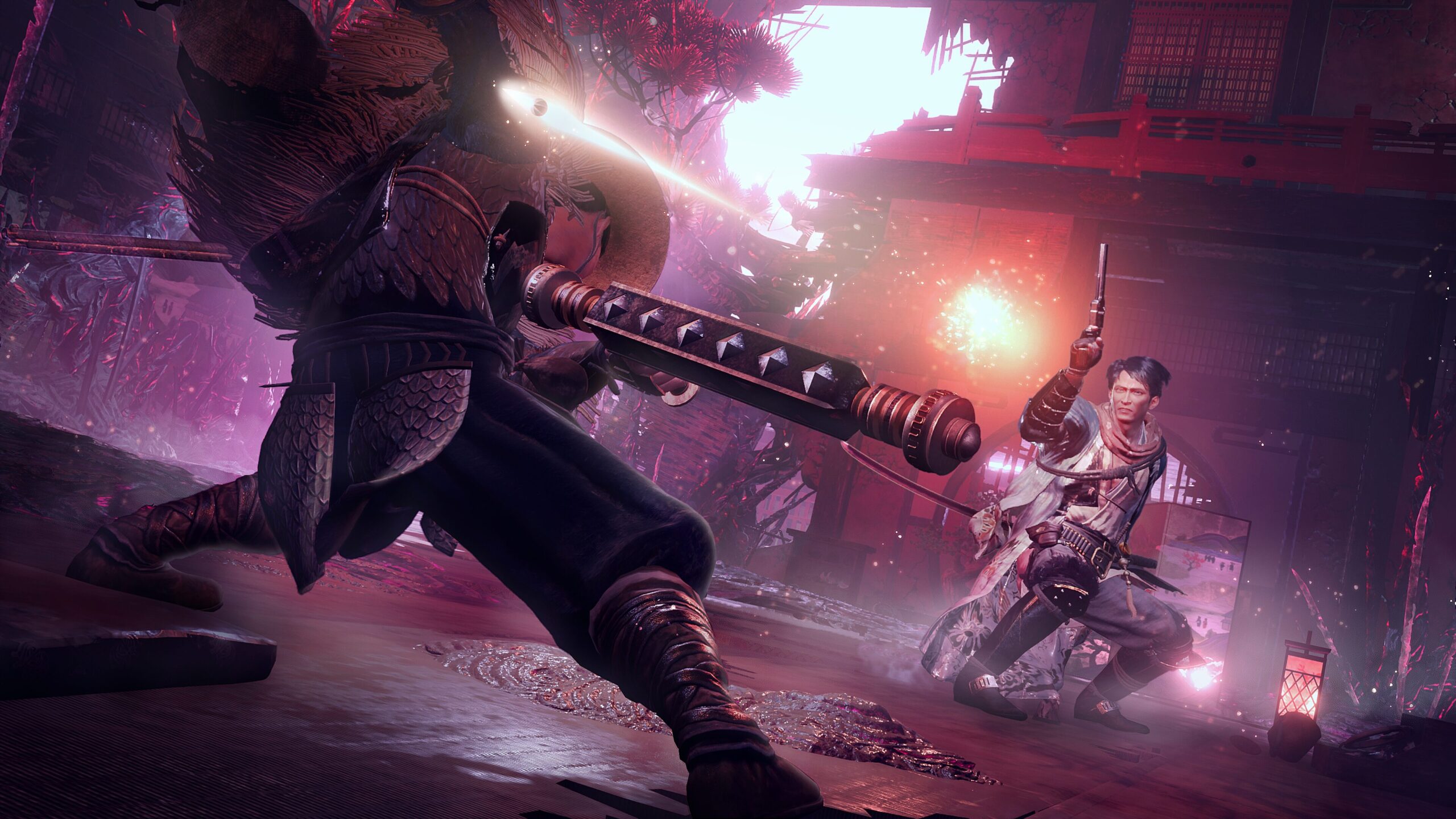
For a while, FromSoftware practically defined the Soulslike genre, and that assessment would have been accurate. However, in recent years, numerous skilled developers have created their own unique takes on FromSoftware’s groundbreaking ideas, though only the most successful have truly made the formula their own.
Nioh 3 builds on everything Team Ninja learned from previous games and other successful action RPGs. It represents the peak of their work with the Souls-like formula, bringing together ideas from multiple titles into a polished experience.
Both games are major players in the Soulslike genre, but they approach it with distinct ideas. These differences are clear in how they handle combat, exploration, and the overall feel of the game. They each prioritize different design elements, like how much control players have in battles, how challenging the game is while still feeling fair, and how character customization impacts later playthroughs.
We’re not going to declare one of these games superior to the other. However, it’s really interesting how their gameplay shares similarities and also takes different paths. We want to take a closer look at the design choices behind both games, and that’s what we’ll be doing now. Let’s dive in!
Clear Visions, Forward-Thinking Directions
Unlike Nioh 3, which feels very precise and methodical in its world design, battles, and how much freedom it gives you, Elden Ring aims to fully immerse you in a grand, sweeping story.
While Nioh 3 does have a story, it’s not the game’s main focus. It mainly serves as a reason to fight across different time periods, which feels like a natural progression from the magical Spirit Stones seen in the first two games. Team Ninja prioritized creating a combat-driven experience and improved the way you move through the game with a map-based system, moving away from the mission structure of earlier Nioh titles.
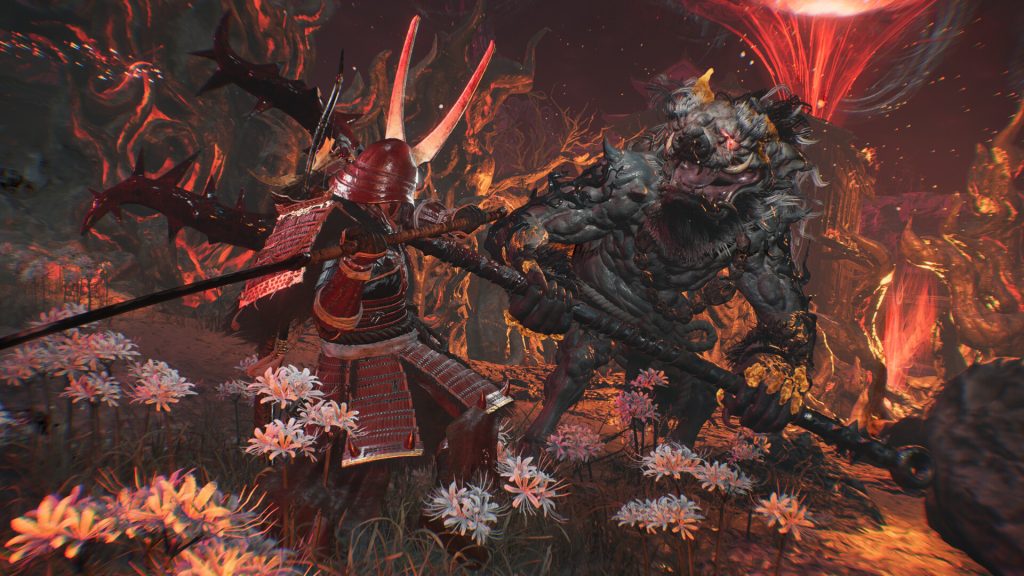
As a fan, what I really love about Nioh 3 is how much freedom it gives you to build a character your way. You can really hone your skills, experiment with different setups, and spend hours perfecting your favorite weapons. And the best part? If you decide your build isn’t working, you can completely change it without any penalties! It’s just pure, unadulterated action, and honestly, that’s exactly what this game needed. It fully commits to being an action game, and it nails it.
Unlike other games, Elden Ring focuses on letting players create their own adventures through exploration and discovery. While it offers plenty of ways to customize your character and playstyle, changing your build requires a rare item called a Larval Tear, and you won’t find many of those in a single playthrough. The game’s story complements this open-ended approach, creating a fantasy-adventure experience that differs from the mythology-focused style of games like Nioh 3.
Both games share a similar rhythm: you explore the world, steadily becoming stronger to tackle tougher areas. They both fall into the ‘Souls-like’ category, but they emphasize different things, leading to noticeably different combat and overall gameplay experiences.
Similar Fights, Different Techniques
Okay, so let’s talk combat. Before we dive into what makes each game different, it’s good to understand how they’re similar. Both games are seriously challenging – you’ll figure that out pretty quickly, whether you’re exploring ancient Japan or The Lands Between. I’d say you’ll be tested within the first hour in either one!
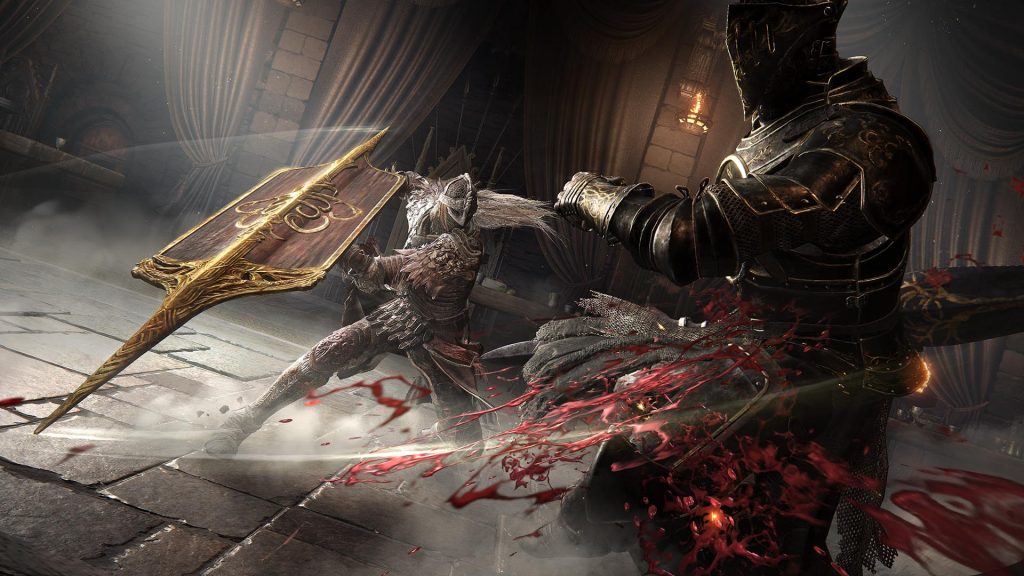
Both regular enemies and bosses in these games are designed with clear, easy-to-read animations and openings that players are meant to take advantage of quickly. This is a key feature of the ‘Souls-like’ genre, and most new games in this style include it.
However, when you compare the games, you’ll notice differences in how quickly they move and the ways you can attack. Nioh 3 really expands on its fast-paced action with a lot of new features designed for a more aggressive player. For example, Samurai characters can now deflect attacks, adding to the existing options of Ki pulsing, stances, and Onmyo magic, which lets you summon spirits or cast spells.
Combine this with the quick, evasive fighting style, and you’ll find combat that keeps you constantly moving, always looking for an opening against tough, fast enemies. It’s a very demanding experience – every fight feels like improvising a complicated dance – and mastering it brings a satisfying sense of consistent success.
Playing Elden Ring is a bit slower-paced, but danger is always present – you can be quickly sent back to the last checkpoint. Enemies, particularly bosses, attack with lengthy and unpredictable combinations, demanding careful timing and positioning. You’ll need to be patient and look for the right moments to strike.
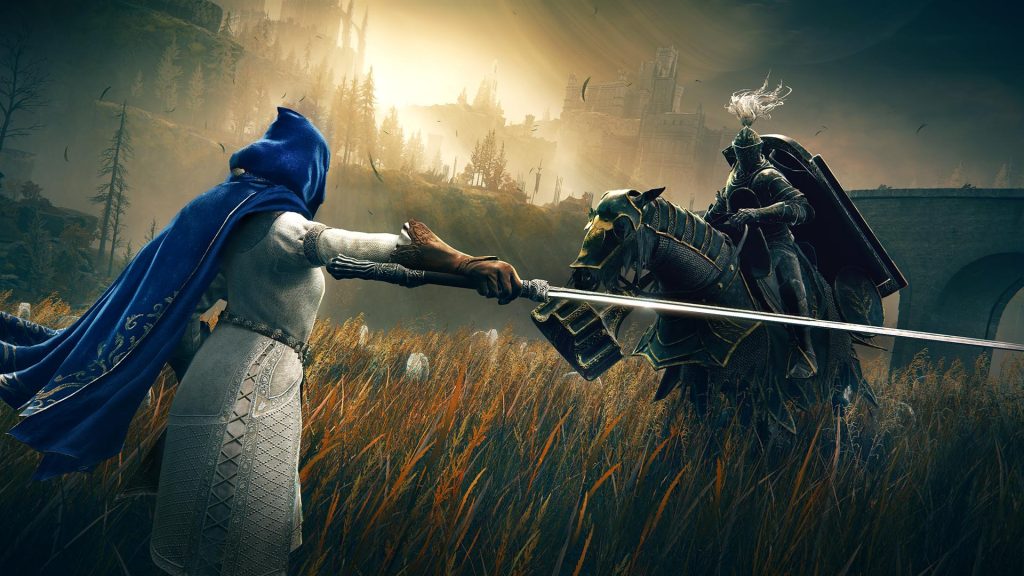
Battles feel more measured in Elden Ring, requiring careful timing of attacks, dodges, and counters. Unlike some other games, you need to manage your stamina more traditionally – you can’t quickly recover it during fights. While stamina isn’t unlimited in Nioh 3, it’s even more valuable in Elden Ring because you can’t regain much stamina immediately after performing a series of attacks.
However, Elden Ring offers unique features like customizable weapon skills (Ashes of War), magic, a subtle balance system, and a strong emphasis on learning enemy attack patterns. These allow players to overcome even the toughest challenges. Combat feels dramatic, often putting you at a disadvantage until you explore more of the game and develop a unique fighting style for your character. Unlike Elden Ring, Nioh 3 provides players with everything they need to succeed from the start and expects them to utilize those tools effectively.
This leads us to a key part of the experience where the differences between these design approaches really start to show – specifically, how they handle the open world.
Encouraging Exploration
Unlike the vast world of Elden Ring, Nioh 3’s Japan feels more compact and focused. It’s easier to move quickly from place to place thanks to the fast Gale Sprint and the fact that you’re traveling on foot. The levels, while not fully open, are packed with things to do in every area, and all of these activities eventually lead back to fighting enemies.
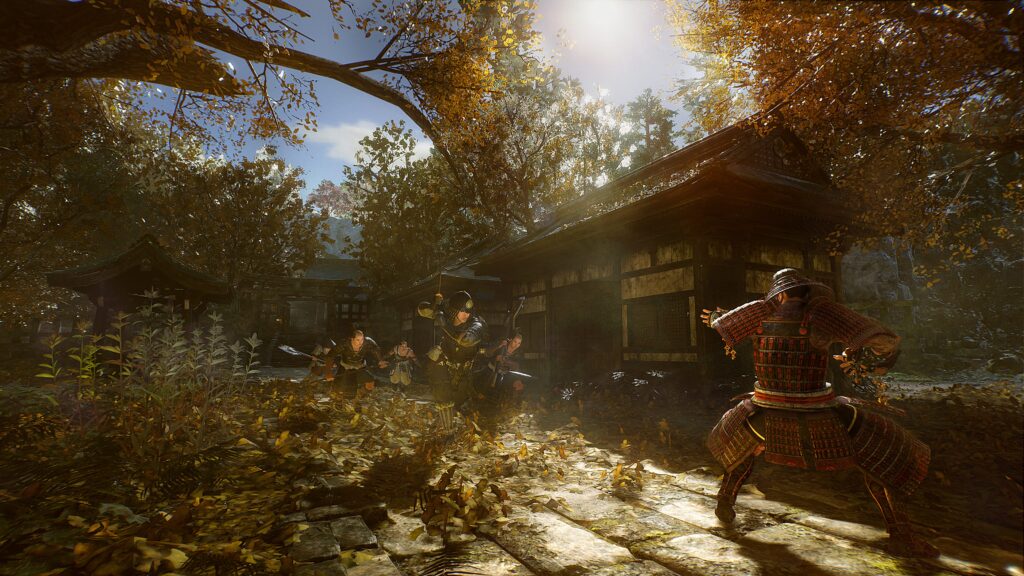
This system connects your character’s growth to the game world, and the way loot works supports that. You’ll constantly be improving your Samurai and Ninja by finding new gear, experimenting with different combinations, and creating powerful synergies between your equipment, weapons, and stats. The goal is to maximize your character’s damage output, and discovering new loot through exploration is key to achieving that.
This system is designed to help you build and test things quickly. It works by encouraging constant experimentation – trying out new versions, ideas, or making significant changes whenever needed.
When I’m building a character in Elden Ring, it’s all about deciding what kind of Tarnished I want to be. You really need to think ahead about how you want to spread your stats, because it impacts what weapons and armor you’ll be able to use effectively. Do I want to be a powerhouse, focusing on Strength to hit hard and take a beating? Or do I prefer something faster, dodging attacks and using quick weapons? Maybe I’ll go with a mage and sling spells from a distance. The cool thing is, any of those styles can work, and you can end up with a really strong character no matter what you choose.
Unlike some games where powerful items are found randomly, new weapons, spells, and equipment in this game are earned through gameplay. This design encourages players to explore the world thoughtfully, similar to Nioh 3, but with a greater emphasis on planning. The world is also filled with side quests and hidden events that constantly reward exploration, making each play session feel worthwhile.
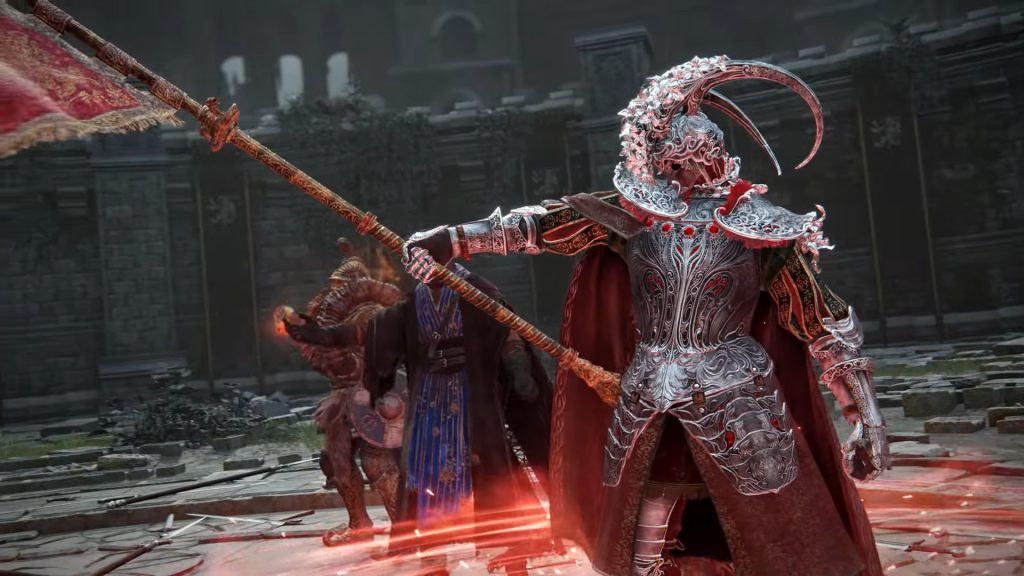
Elden Ring’s new DLC, The Shadow of the Erdtree, is so expansive it feels like a complete game. It will be interesting to see how Nioh 3 compares. Both games offer a lot of replay value, and playing through the game again with a ‘New Game Plus’ mode is almost essential for players who want to fully appreciate their character progression. While Elden Ring features a vast, open world that rewards exploration, the reasons for wanting to explore are quite different than in Nioh 3.
While Elden Ring focuses on exploration and a feeling of awe, Nioh 3 emphasizes constant peril and requires you to be constantly on guard. Despite these differences, both games ultimately push you towards the same goal: claiming a throne.
A Shared Crown
Both Elden Ring and Nioh 3 are fantastic games that clearly showcase what each one aims to achieve. Elden Ring, as a grand adventure, focuses on the joy of exploration and creates a world filled with wonder, which is also reflected in its impressive battles.
Nioh 3 emphasizes challenging and fast-paced combat that’s easy to get hooked on. The game centers around defeating enemies as you fight your way to power, combining effective techniques with a fluid, elegant style.
Nioh 3 feels like a playground for mastering combat, encouraging you to constantly try new strategies and explore different approaches. Elden Ring, however, is more about creating your own personal adventure, with rewards tied to discovery and a captivating story that stays with you even after the game is over.
Despite being different games, both titles are excellent examples of what a skilled development studio can achieve with the Soulslike genre.
Please be aware that the opinions shared in this article are solely those of the author and don’t reflect the official stance of GamingBolt.
Read More
- United Airlines can now kick passengers off flights and ban them for not using headphones
- Gold Rate Forecast
- How to Solve the Glenbright Manor Puzzle in Crimson Desert
- All Golden Ball Locations in Yakuza Kiwami 3 & Dark Ties
- 8 Actors Who Could Play Blackbeard In One Piece Live-Action Season 3
- How to Get to the Undercoast in Esoteric Ebb
- Netflix’s 4-Part Crime Thriller Is One Of Its Very Best
- How to Complete Bloom of Tranquility Challenge in Infinity Nikki
- All MLB The Show 26 Quirks & What They Do
- Blind Tekken 8 player reaches one of the game’s highest ranks after two years of grinding
2026-02-11 16:16