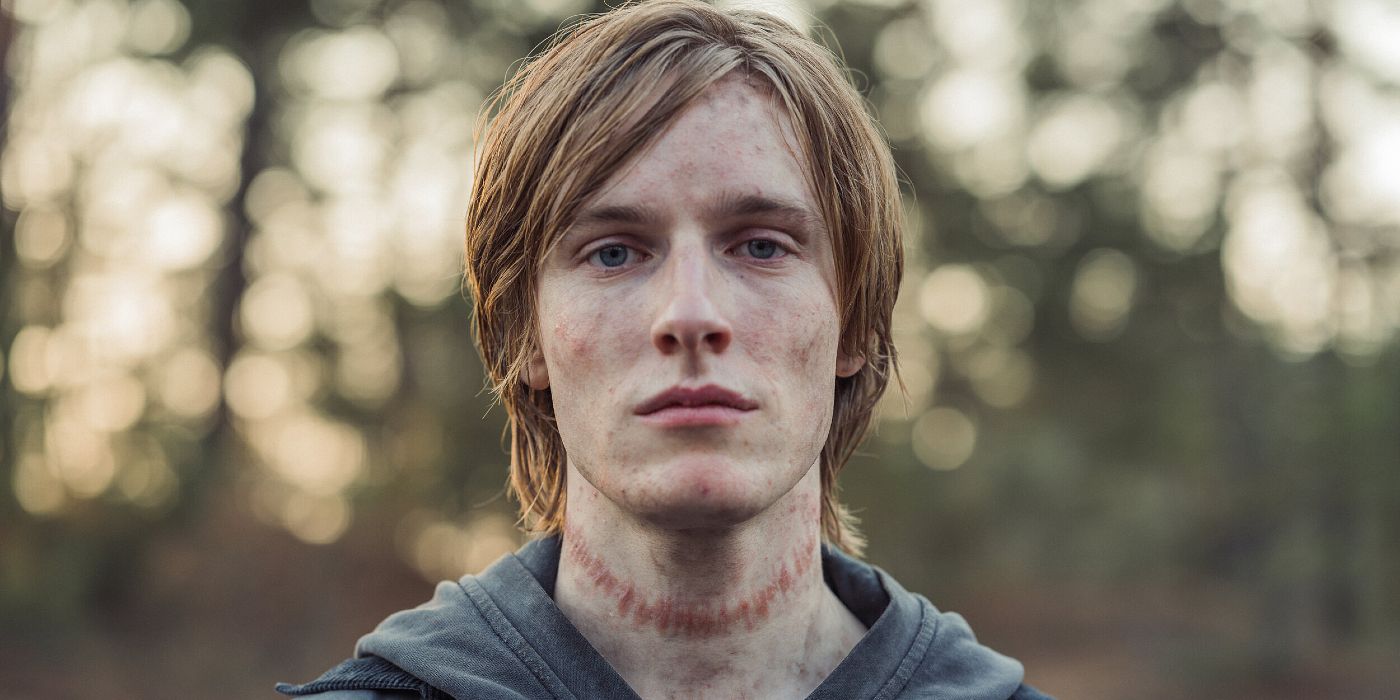
I remember when Dark first came out on Netflix in 2017. Honestly, it didn’t seem like a big deal at the time – there wasn’t much buzz or fanfare. It was just this intriguing German show about a boy who disappeared, set in a really gloomy little town. Little did I know it would completely change what I expected from sci-fi on TV!
At the time, many Netflix viewers didn’t realize that Dark was becoming a huge success – one of the most popular European shows on the platform. Unlike most Netflix series that quickly peak and then lose viewers, Dark actually grew in popularity over time. Parrot Analytics data showed it consistently gained new fans each week, proving that people were discovering it and recommending it to others.
Dark Didn’t Feel Like a Netflix Hit at First
The beginning of Dark felt grounded and realistic. Initially, it presented a simple mystery – a missing child and a complicated family – without immediately signaling its science fiction elements. The show started off quiet, serious, and perhaps intentionally a little off-putting.
The show also faced challenges as Netflix’s initial German-language drama. Many viewers don’t like watching shows with subtitles, and even the dubbed version wasn’t great. Plus, it was often compared to Stranger Things, which has been incredibly popular on Netflix for years.
Both shows involved missing children, science fiction elements, and mysteries, but Dark stands apart with its serious tone. It avoids nostalgia and humor, immediately diving into complex, philosophical themes and intense emotions. Initially, it seemed unlikely to succeed, but after its release, something unexpected happened: instead of quickly losing viewers, Dark steadily gained popularity.
The show Dark experienced its highest viewership worldwide nine days after it premiered – an unusual pattern for Netflix series, which typically see audiences decline over time. What made Dark different was that people weren’t just watching a few episodes; they were completing the entire series, rewatching it, and encouraging others to start from the beginning.
Dark Gains Popularity Through Word-of-Mouth
Netflix didn’t promote Dark as heavily as some of its other popular shows, so word-of-mouth among fans helped it gain traction. While many viewers initially found the first season confusing, they still recommended it to others. By the second season, it had become a beloved show with a dedicated fanbase.
By its third season, Dark had become a phenomenon. Viewers were so invested that they created detailed family trees and color-coded timelines online to help them follow the complex plot. As more people became fascinated by the show’s intricate story, fan communities grew, and many viewers spent hours analyzing each episode and developing their own theories.
Soon, rewatching became a key part of enjoying Dark, as earlier moments took on completely new significance. Seemingly minor details revealed hidden meanings and symbolism. It became clear that Dark truly rewarded viewers who paid close attention. By the end of the series, Dark had moved beyond being a well-kept secret and established itself as a high standard for other shows.
Dark Still Feels Unmatched on Netflix
Many sci-fi shows on Netflix offer interesting concepts but suffer from poor delivery and unsatisfying conclusions. However, Dark stood out by providing a fully realized and complete narrative.
The show consistently receives high praise, with a 95% score on Rotten Tomatoes, indicating each season builds on the last while staying true to its core themes. Regardless of the specific storyline, every season delves into complex ideas about destiny versus choice, how patterns of violence and hardship repeat themselves, and the complicated nature of love – how it can both protect and imprison us.
Visually, Dark has a timeless quality. Its atmosphere of decay and dampness is evident throughout the entire town. The music also plays a key role in setting the show’s mood. While many shows use flashbacks, Dark fully embraced a complex timeline. It wasn’t afraid to challenge viewers with a complicated story, and it trusted them to keep up without needing things to be explained too simply.
Dark stood out from most Netflix shows, and quickly became a huge success, not just a niche favorite. It’s become one of the platform’s most popular European series.
Read More
- United Airlines can now kick passengers off flights and ban them for not using headphones
- Crimson Desert: Disconnected Truth Puzzle Guide
- All 9 Coalition Heroes In Invincible Season 4 & Their Powers
- The Boys Season 5 Spoilers: Every Major Character Death If the Show Follows the Comics
- Mewgenics vinyl limited editions now available to pre-order
- Invincible Season 4 Episode 6 Release Date, Time, Where to Watch
- Grok’s ‘Ask’ feature no longer free as X moves it behind paywall
- Assassin’s Creed Shadows will get upgraded PSSR support on PS5 Pro with Title Update 1.1.9 launching April 7
- All Golden Ball Locations in Yakuza Kiwami 3 & Dark Ties
- ‘Timur’ Trailer Sees Martial Arts Action Collide With a Real-Life War Rescue
2026-01-18 04:09