
Despite running for only three seasons, Netflix’s Dark demonstrated that the complex, puzzle-like style of mystery box storytelling could work well in science fiction. These types of shows can be really engaging when done right, feeling like a satisfyingly intricate puzzle where each episode reveals another piece of the overall story.
Mystery box shows come in many different styles and moods. Examples like Lost, Stranger Things, Severance, Fallout, Westworld, The Leftovers, and Yellowjackets all fall into this category. Interestingly, six out of these seven shows include science fiction elements in their stories, suggesting this isn’t a random occurrence.
Netflix’s Dark Proves Sci-Fi Mystery Box Stories Can Work
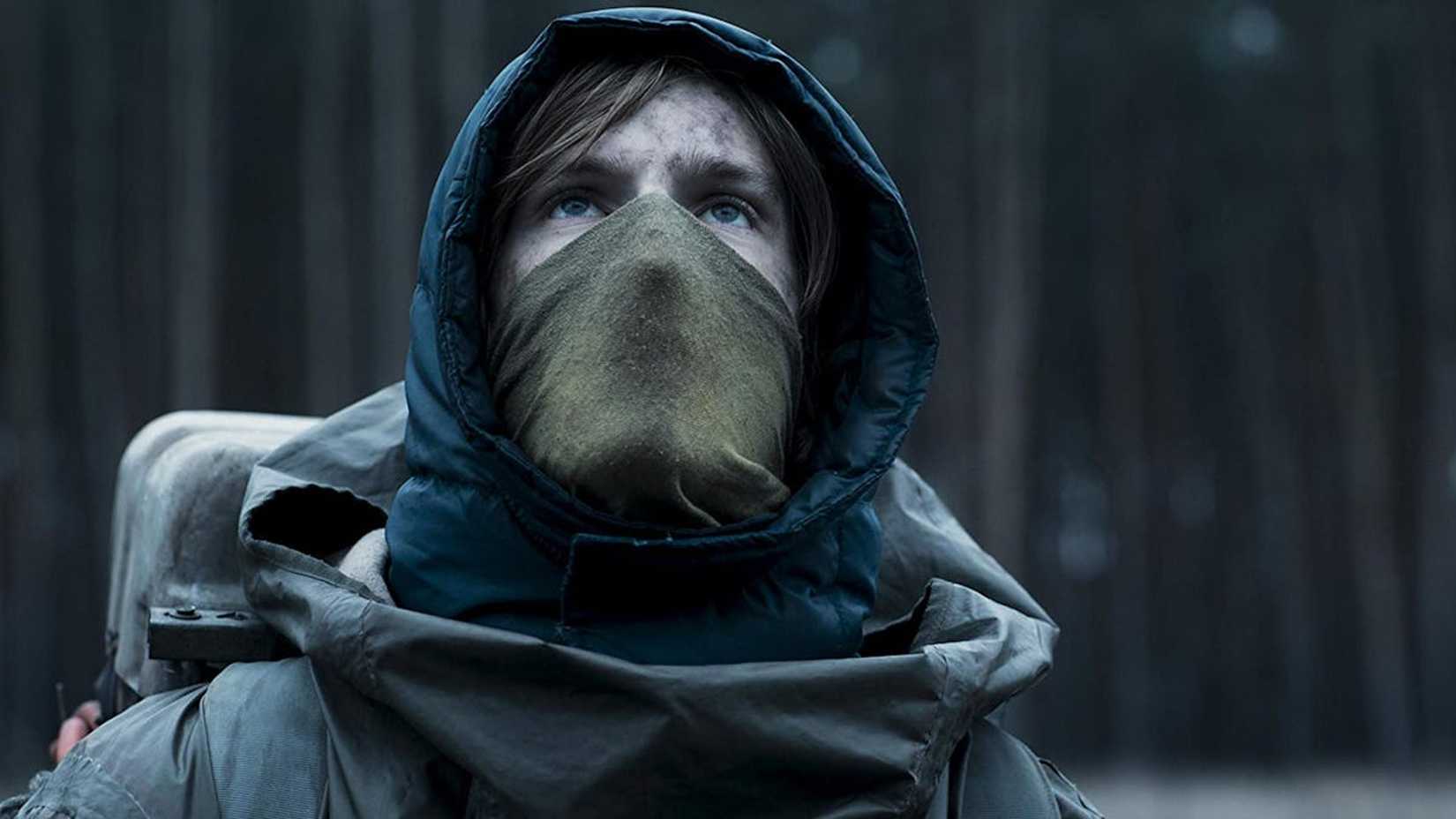
Shows like Prime Video’s Fallout and the classic Lost often work well as science fiction because the genre already embraces unusual ideas such as time travel, alternate realities, and identical doubles. Netflix’s German series Dark is a prime example, fully utilizing these strange and imaginative elements across its three seasons.
Like the films Primer and Interstellar, the show Dark takes its time travel seriously. It’s a slow-paced science fiction mystery centered around a small town where a child vanishes, and the discovery of a cave that appears to enable time travel. The story follows multiple generations of families as they grapple with these strange events.
Unlike the controversial ending of Stranger Things, the finale of Dark is remarkably well-done. The show neatly ties up the storylines of all four families and delivers a satisfying conclusion to its complex science fiction plot. It’s intricate enough to be interesting, but still easy to understand.
Netflix’s Dark Highlights A Secret Rule For Sci-Fi Mystery Box Shows

Watching Dark again highlights how skillfully the plot is constructed and how everything fits together. It makes complex, mystery-driven stories seem effortless. Unlike shows such as Lost and Stranger Things, which often left audiences with unresolved questions and loose ends, Dark provided a satisfying conclusion that answered key questions without feeling overly simplistic or tidy.
One reason Dark worked so well might be its concise length. The show was always designed to have just three seasons, unlike Lost, which went on for too long after repeated renewals. Similarly, the creators of Stranger Things initially planned their first season as a single, self-contained story. Dark, however, thrived as a complex, mysterious sci-fi series because the writers knew the ending from the start.
Read More
- United Airlines can now kick passengers off flights and ban them for not using headphones
- Gold Rate Forecast
- How to Complete Bloom of Tranquility Challenge in Infinity Nikki
- How to Solve the Glenbright Manor Puzzle in Crimson Desert
- All Golden Ball Locations in Yakuza Kiwami 3 & Dark Ties
- How to Get to the Undercoast in Esoteric Ebb
- 8 Actors Who Could Play Blackbeard In One Piece Live-Action Season 3
- A Dark Scream Theory Rewrites the Only Movie to Break the 2-Killer Rule
- Is Wuthering Heights a romance? Update on Margot Robbie movie controversy
- ‘Babylon 5’ Remains a Sci-Fi Classic That Completely Changed the Genre
2026-03-25 23:13