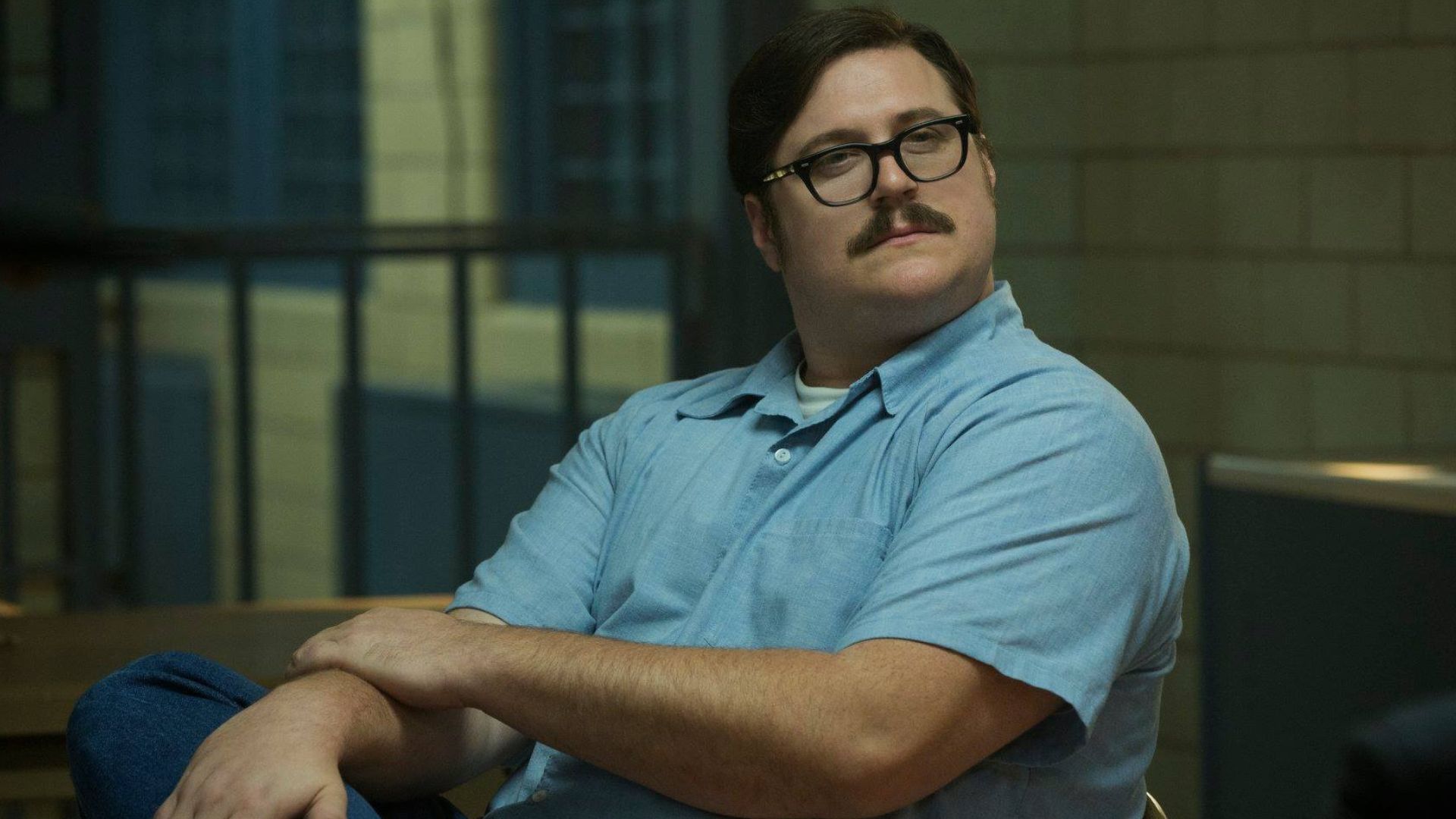
David Fincher is one of the most respected directors in Hollywood. He’s known for iconic films like Fight Club and The Curious Case of Benjamin Button. So, when he created the TV show Mindhunter, expectations were incredibly high. Yet, the show still managed to impress, quickly becoming one of Netflix’s most popular and well-regarded series.
Following his work on House of Cards, Mindhunter was David Fincher’s second project with Netflix. Though it didn’t become a huge cultural phenomenon like House of Cards, it gained a dedicated and passionate following. The show’s consistently high quality – it didn’t have a single weak episode – is the main reason for this loyal fanbase.
It’s rare for a detective show to be consistently excellent, as even the best series often have weak episodes or storylines. But Mindhunter was different. Over its two seasons, it maintained an incredibly high quality – a level most crime dramas can only hope to reach – and that was largely thanks to the careful attention to detail from director David Fincher.
Mindhunter Has No Bad Episodes
Every Single Installment Maintains The Same Relentless Standard
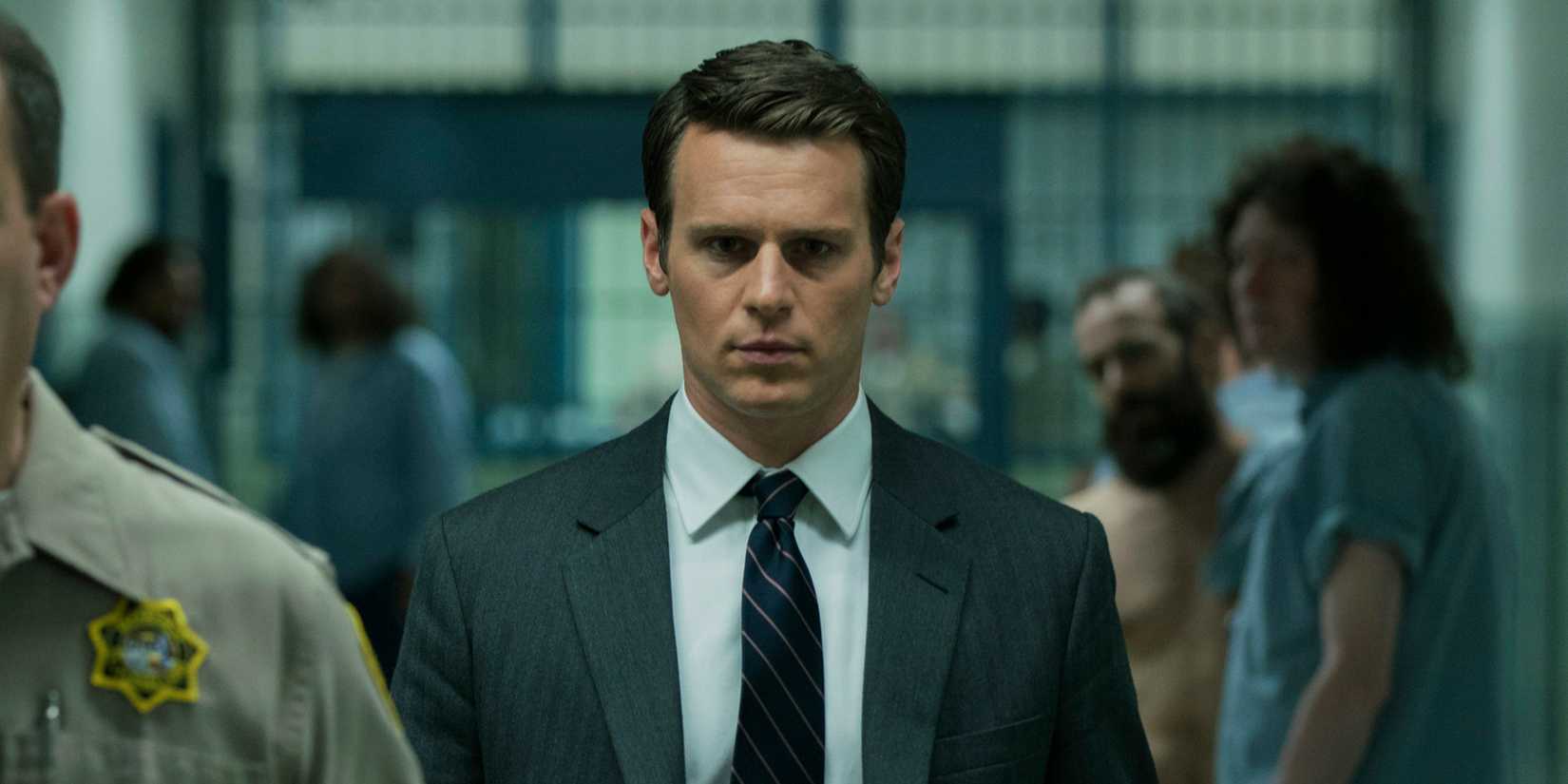 MovieStillsDB
Even over its two seasons and 19 episodes, Mindhunter consistently delivers high quality – a rare feat for any TV show. This is especially impressive considering it’s a deliberately paced crime drama that relies heavily on dialogue. Right from the start, the series finds its unique atmosphere and stays true to it.
The series centers on FBI agent Holden Ford (Jonathan Groff), who is fascinated by the minds of criminals and starts exploring new approaches to understanding them. He teams up with experienced agent Bill Tench (Holt McCallany) and psychologist Wendy Carr (Anna Torv) to interview incarcerated serial killers, hoping to gain insight into their motivations. It’s a straightforward concept, but brilliantly done.
Many detective shows become predictable over time, with cases feeling similar and relying on shock rather than meaningful stories. Often, extra storylines feel forced. However, Mindhunter stands out by avoiding these problems. It doesn’t try to be sensational; instead, the interviews are disturbing because of how they’re conducted – calmly and analytically – rather than any graphic content.
As a big fan, I think the truly great Mindhunter episodes really nail the balance between getting to know the characters and moving the investigations forward. Honestly, even the slower episodes are still amazing TV. They always manage to either build the suspense or help us understand the main team – Holden, Bill, and Wendy – a little better. It’s a show where even the ‘weaker’ parts are still really strong.
One of the strengths of Mindhunter is its brevity, even though fans are eager for more seasons. With just 19 episodes, the story doesn’t drag on. Each storyline feels intentional and contributes to the overall impact, making the two seasons feel more like a carefully constructed, nearly 20-hour movie than a typical crime series.
How David Fincher Brought Movie Quality To Mindhunter
Fincher’s Cinematic Precision Elevated The Series Beyond Television
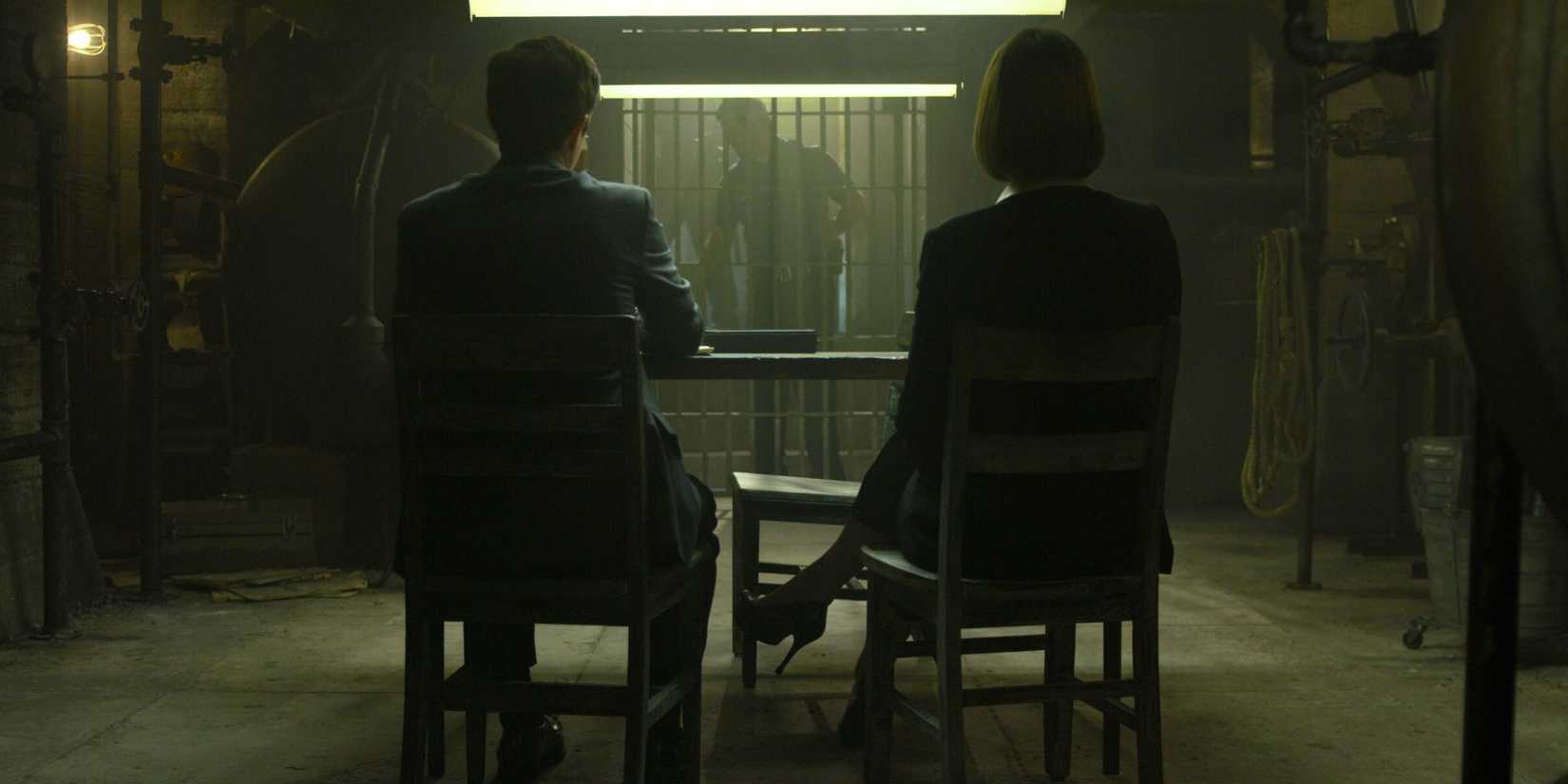
Although many were surprised by how popular it became, Mindhunter wasn’t an overnight success. Director David Fincher had been working on the idea since 2010, well before it was a Netflix show. His deep, long-held interest in criminal psychology – something he’d already shown in his 2007 film Zodiac – made him the perfect person to bring the story to life.
David Fincher wasn’t just involved with Mindhunter; he directed several episodes, including the first one, and essentially established the show’s distinctive look and feel. You can see his style throughout – deliberate camera work, a subdued color scheme, and a meticulous focus on how each shot is composed. Even everyday scenes, like people talking in prison, feel incredibly tense and gripping because of his direction.
Many crime shows rely on shock value, but Mindhunter is different. Director David Fincher deliberately avoids graphic violence, focusing instead on conversations with killers. The true horror comes from what they say, not from anything visually disturbing, which makes the show feel incredibly realistic and unsettling.
David Fincher insisted on incredible attention to detail in every aspect of the film. Everything, from the sets accurately reflecting the late 1970s and early 1980s to the actors’ nuanced performances, feels carefully considered and not at all hurried. The film’s design creates a believable atmosphere without being overly flashy, and it enhances the story instead of pulling focus.
The way Mindhunter was filmed made it more than just another crime show. It has a classic feel that won’t quickly feel outdated, unlike many other shows in the genre. In a lot of ways, it’s the best example of director David Fincher’s unique style when he’s not making movies.
Mindhunter Was Not A Cheap Show
Fincher’s Vision Came With A Price Tag Netflix Couldn’t Ignore
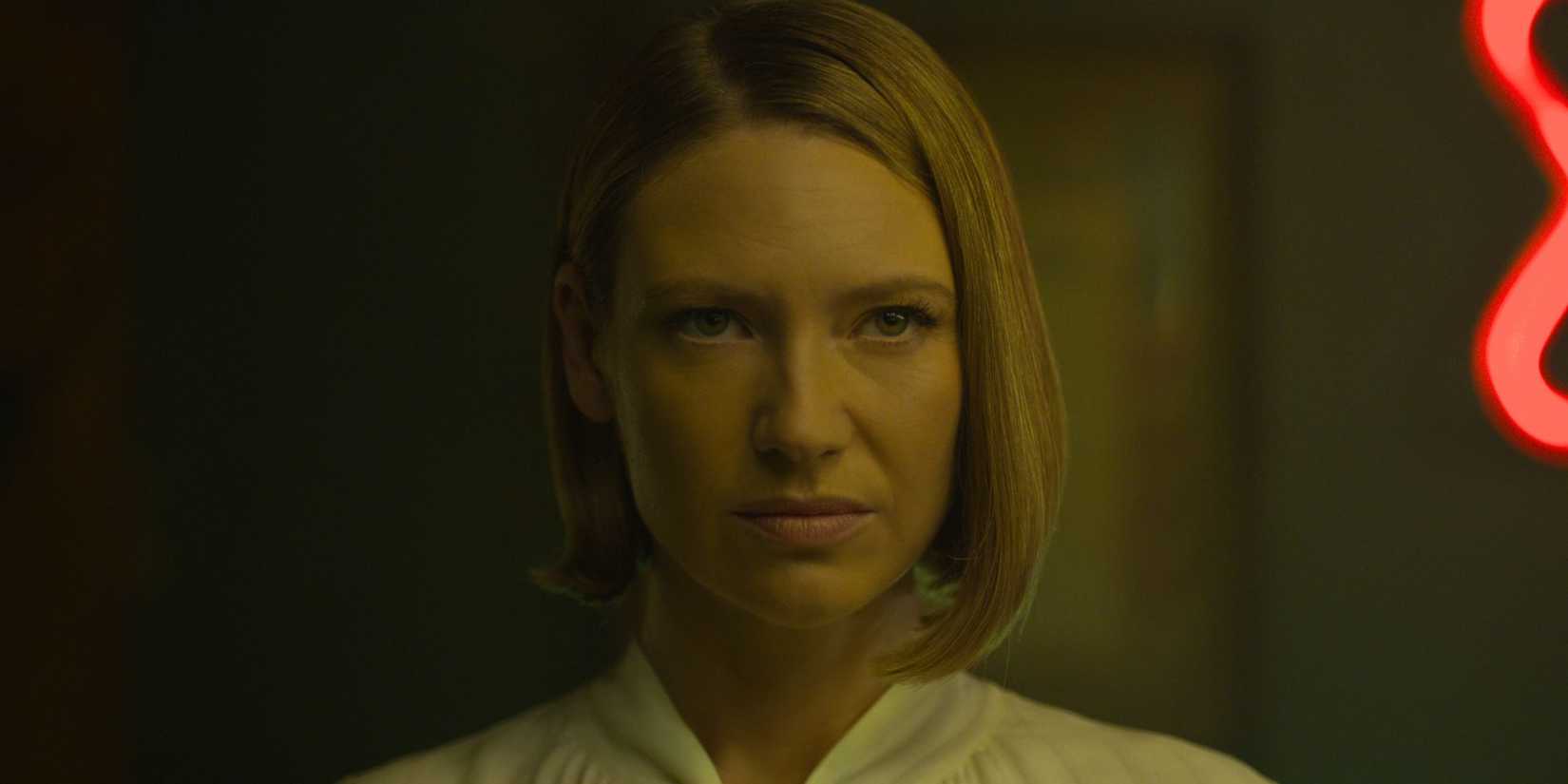
Shows like Stranger Things, One Piece, and The Witcher on Netflix rely heavily on expensive special effects. Mindhunter, however, was different – it didn’t need CGI or fantastical battles. Despite being realistic, it was still a costly show to produce, with each episode reportedly costing between $8 and $10 million (according to Alibaba). This high cost likely explains why a third season of Mindhunter hasn’t been released yet.
Creating a truly realistic historical setting is expensive. The detailed costumes, carefully built sets, and on-location filming for Mindhunter all added to the cost. Plus, director David Fincher is known for his perfectionism – he often shoots many takes and spends a lot of time editing – which further increased the show’s budget.
I recently read that David Fincher actually talked about why Mindhunter got cancelled. In an interview from 2024 – I saw it on Comicbook.com – he explained that money issues at Netflix were a big part of the decision. It’s a shame, but it sounds like it wasn’t a creative choice, but a financial one.
We weren’t able to finish the project as planned, and it was always a bit of a risk. It turned out to be a very costly undertaking. We pushed things as far as we could, but ultimately, the people funding it told us it didn’t make sense to continue unless we either lowered the budget or made the show more appealing to a wider audience. We preferred to stay true to our original vision, and they respectfully decided to end the project.
While it’s frustrating for fans, Netflix’s decision to pause Mindhunter makes sense. Despite the show’s critical success and dedicated following, it apparently wasn’t watched by enough people to cover its high production costs. Mindhunter was a truly exceptional series, but maintaining that level of quality is expensive, and few streaming services can afford to keep funding it long-term.
Read More
- United Airlines can now kick passengers off flights and ban them for not using headphones
- Crimson Desert: Disconnected Truth Puzzle Guide
- All 9 Coalition Heroes In Invincible Season 4 & Their Powers
- Invincible Season 4 Episode 6 Release Date, Time, Where to Watch
- The Boys Season 5 Spoilers: Every Major Character Death If the Show Follows the Comics
- Mewgenics vinyl limited editions now available to pre-order
- Grok’s ‘Ask’ feature no longer free as X moves it behind paywall
- Assassin’s Creed Shadows will get upgraded PSSR support on PS5 Pro with Title Update 1.1.9 launching April 7
- Grey’s Anatomy Season 23 Confirmed for 2026-2027 Broadcast Season
- Crimson Desert Guide – How to Pay Fines, Bounties & Debt
2026-02-26 17:00