It’s harder than ever to hold people’s attention these days. With shorter attention spans and more people watching on phones and tablets, viewers are easily distracted – a trend that’s become much more common in the last six years.
Today’s audiences are used to quickly changing content and feeds chosen by algorithms, which is challenging the traditional way stories are told in film and television. Industry professionals have noticed this shift, and writers and creators are feeling the pressure to make stories that grab and hold attention in a world full of distractions – where viewers can easily switch to something else with a tap on their phone. Because of this, discussions about shrinking attention spans and how people are watching movies and TV are now common at industry conferences.
Liam Crowley from ScreenRant attended a recent event in New York City on March 8th and interviewed several prominent movie and TV writers. They discussed how to captivate viewers while acknowledging that people’s attention spans are limited.
We aimed to create a show for viewers who were truly invested and paying attention. We never wanted to simplify the story just to cater to someone casually watching on their phone – that would be discouraging as a writer. Of course, you always want to give people a reason to keep watching. Someone asked if the way Netflix releases shows – allowing viewers to binge-watch – affected how we ended each episode. I don’t think it did. Ultimately, whether it’s on any network, you want a story that moves quickly, keeps people on the edge of their seats, and makes them eager to tune in. So, we didn’t really focus on the binge-watching model. Our main goal was to create a compelling and imaginative story that would really grab people’s attention.
What Other Acclaimed Netflix Writers & Directors Had To Say About Audience Engagement
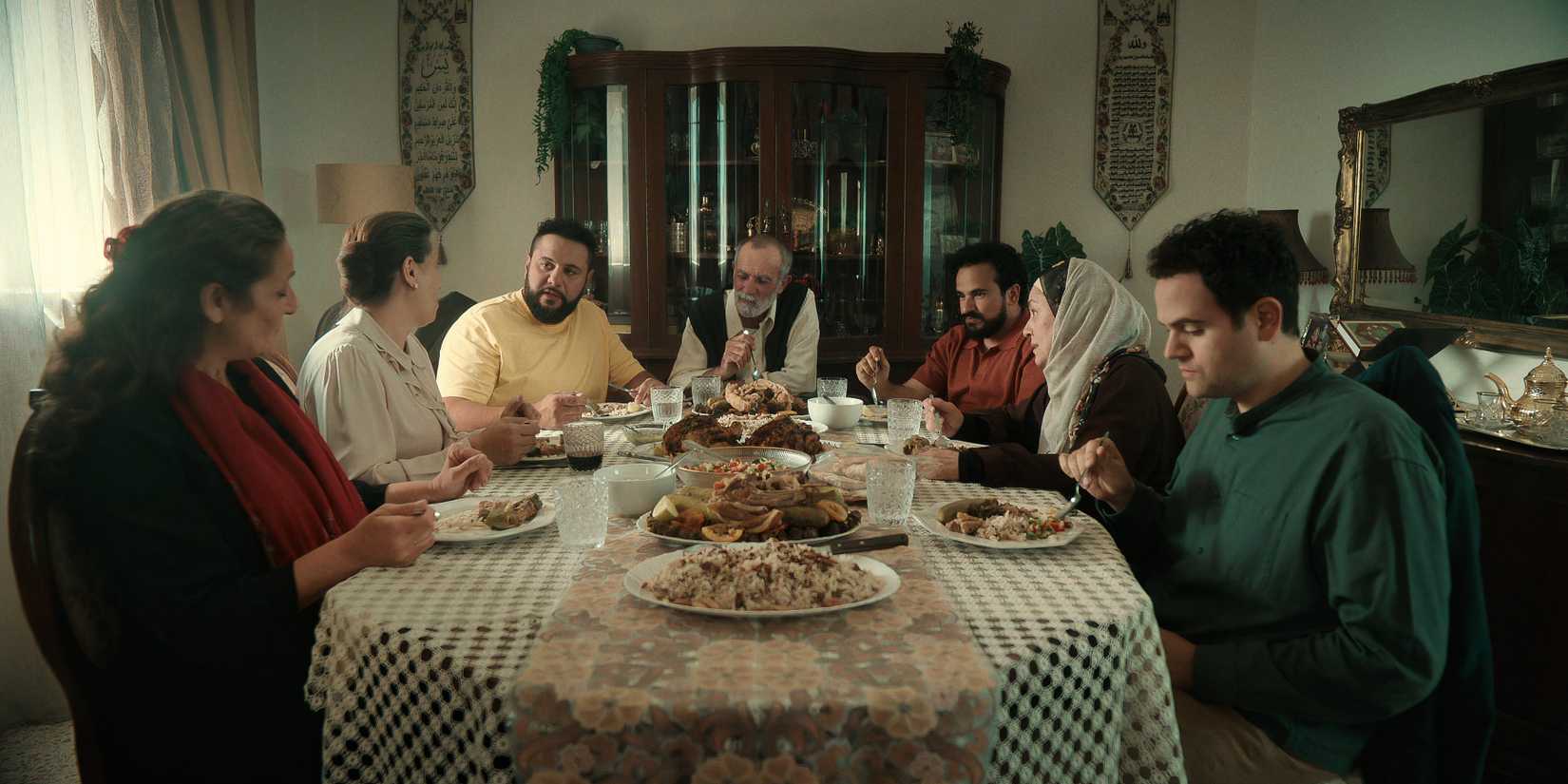
ScreenRant asked about the current trend of Netflix scripts repeatedly explaining the plot, given how viewers watch shows today. They wanted to know how writers balance keeping the audience engaged with acknowledging shorter attention spans and the way people now consume content.
The director, an Academy Award nominee, finds himself in a somewhat ironic situation. He told ScreenRant that his primary goal is to ensure the film is made according to his original vision.
I’ve been lucky, honestly. Our last movie came out on Netflix, and they let us keep our creative vision intact. It actually started at Sundance, and now we’re making another film with them. So far, we’ve been able to make the movies we want, the way we envision them. I imagine things would be different with a huge-budget project, but in my experience, everyone involved has been focused on making the best possible film.
Kwedar believes the best way to approach filmmaking, as he and Clint Bentley do, is to imagine you’re creating the film for just one person.
As a writer, Clint and I always start by making sure we love the work first. You have to satisfy yourself creatively before you can hope to connect with a wider audience. If you try to predict what others want and lose touch with your own vision and feelings, the result will likely be empty – both for you and for anyone watching. What’s the point of creating something that doesn’t resonate with you?
Mo Amer, the creator of the popular Netflix show Mo and a performer in multiple comedy specials for the platform, believes the key to captivating audiences is straightforward: simply telling a compelling story.
I always focus on crafting a good story because that’s what really connects with the audience. When you start thinking about how to keep people engaged – constantly reminding yourself to hit certain beats – it feels forced and loses its authenticity. The latest special, and the two seasons I did with Netflix, are full of genuine emotion and heart. I try to avoid that mechanical approach and let the storytelling flow naturally. Of course, there are technical aspects to screenwriting you need to be aware of – things you might realize are missing – but I prioritize staying true to the story.
The actor, nominated for a WGA Award, explained that he aims to both entertain the audience and ensure they follow the story without getting confused.
I want my audience to understand what I’m saying, so having detailed notes is crucial. Those notes help me refine my material – sometimes I realize a joke isn’t working and needs to be rewritten, and other times they just don’t fit the overall performance. It’s all about finding the right balance and making sure everything flows well. It really comes down to balance.
Check out more of our WGA Awards coverage here:
- Writers Guild Awards Winners 2026
Read More
- United Airlines can now kick passengers off flights and ban them for not using headphones
- Crimson Desert: Disconnected Truth Puzzle Guide
- How to Get to the Undercoast in Esoteric Ebb
- All Golden Ball Locations in Yakuza Kiwami 3 & Dark Ties
- Katanire’s Yae Miko Cosplay: Genshin Impact Masterpiece
- All 9 Coalition Heroes In Invincible Season 4 & Their Powers
- All Itzaland Animal Locations in Infinity Nikki
- Zendaya’s 4 Big 2026 Movies Could Beat Brie Larson’s Box 2019 Office Record
- HBO’s Harry Potter Is Already Breaking My Heart
- Man breaks world record by eating at 28 Michelin-star restaurants in 24 hours
2026-03-12 21:59