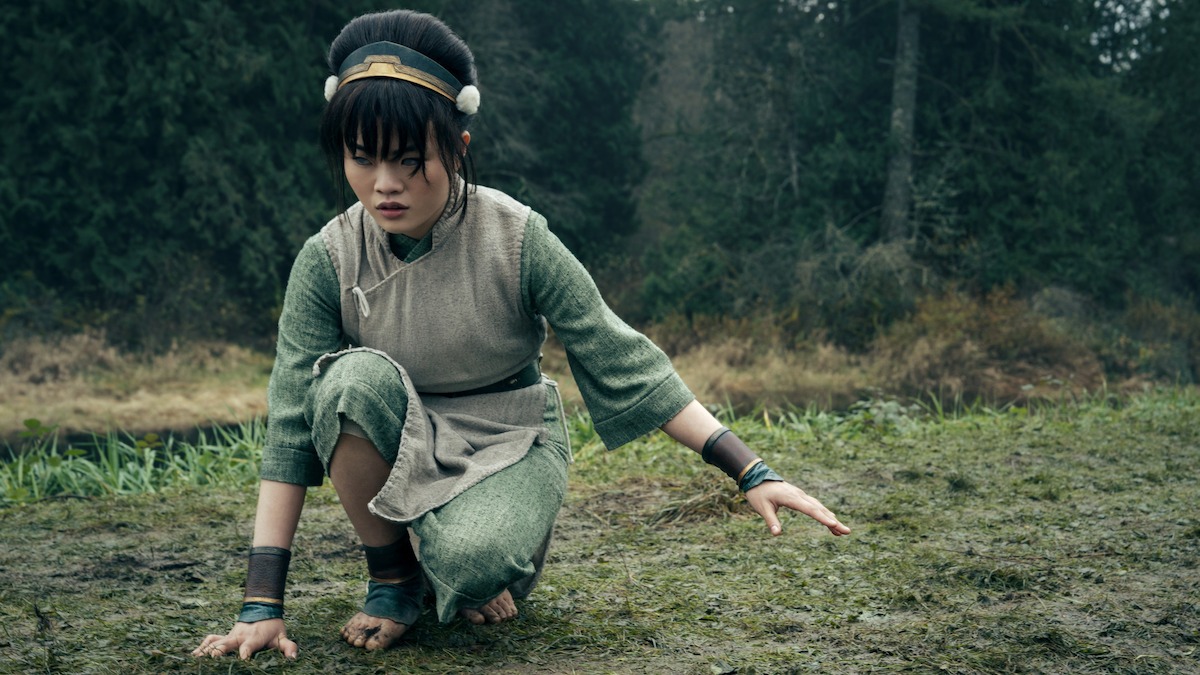
As a huge fan of Avatar, I’m really disappointed to hear about the changes Netflix is making to Toph’s character in Season 2 of the live-action show. It’s hard to see them go in this direction, and honestly, it’s tough to understand why they’re making these choices. It’s just not what longtime fans like me were hoping for.
A character who was once known for being rebellious, edgy, and full of strong opinions is now becoming more mainstream, gentle, and predictable.
TOPH IS HERE!!!!!
Here’s your first teaser for Avatar: The Last Airbender Season 2, coming out in 2026!
— Netflix Geeked (@NetflixGeeked) December 10, 2025
The new trailer for Season 2 reveals that Netflix is reimagining Toph Beifong. Instead of the quick-witted, rebellious earthbender fans know and love, this live-action version portrays her as older, more serene, and a mentor figure rather than a troublemaker. This isn’t just a change in appearance; it completely changes her role in the story.
Toph Was Never Meant To Be a Mentor Archetype
Toph, in the original animated series, was a refreshing break from typical character tropes. Despite being blind, short, and coming from a privileged background, she was assertive, outspoken, fiercely competitive, and didn’t tolerate being seen as weak. This refusal to conform wasn’t just a personality quirk – it defined who she was. She wasn’t created to be a calm mentor for Aang, offering guidance from afar. Instead, she was meant to push his buttons, playfully tease him, and help him improve by challenging him directly.
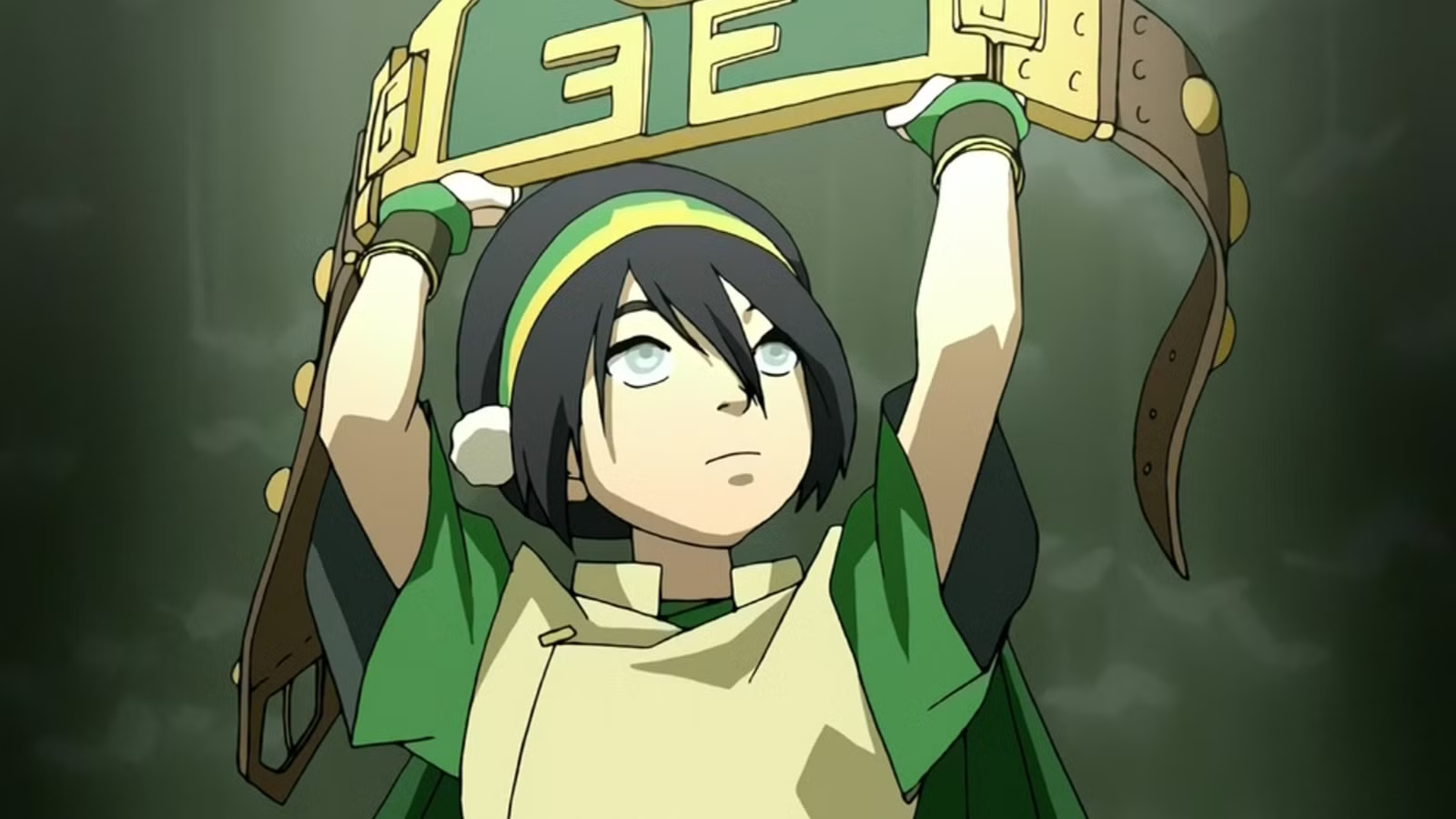
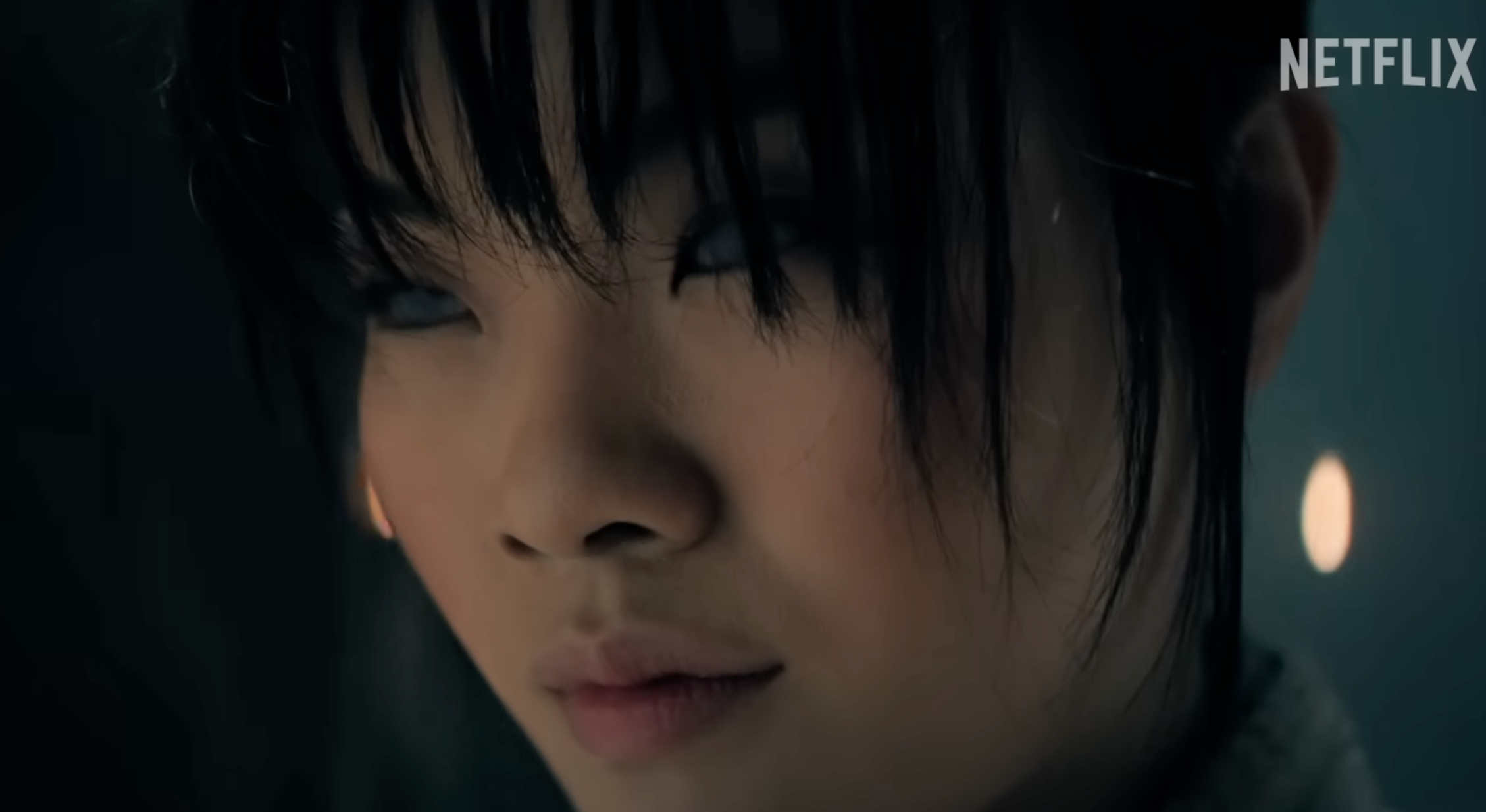
The new Netflix trailer presents a different side of Toph. Instead of the rebellious and headstrong character fans remember, she’s portrayed as calm and thoughtful. The trailer shows her as a steadying influence, patiently guiding Aang in earthbending with understanding and wisdom.
That may sound reasonable on paper—but it strips the character of what made her special.
Leaning Into a Familiar Trope the Original Series Avoided
One of the biggest issues with how Toph was changed in the Netflix series is that her character falls into a very familiar pattern seen in many live-action movies and shows: the blind martial arts master who teaches the hero to develop inner vision. This type of character has been used repeatedly, especially when adapting stories with fantastical elements to live action.
What I admire so much about Avatar: The Last Airbender is how carefully it avoided tired tropes. Toph wasn’t just there to help Aang learn; she was a complete person with her own story, struggles, and development. It would be a real shame to simplify her importance to just being a teacher, because that would take away everything that makes her such a compelling and well-rounded character.
A Pattern Emerging From Season 1
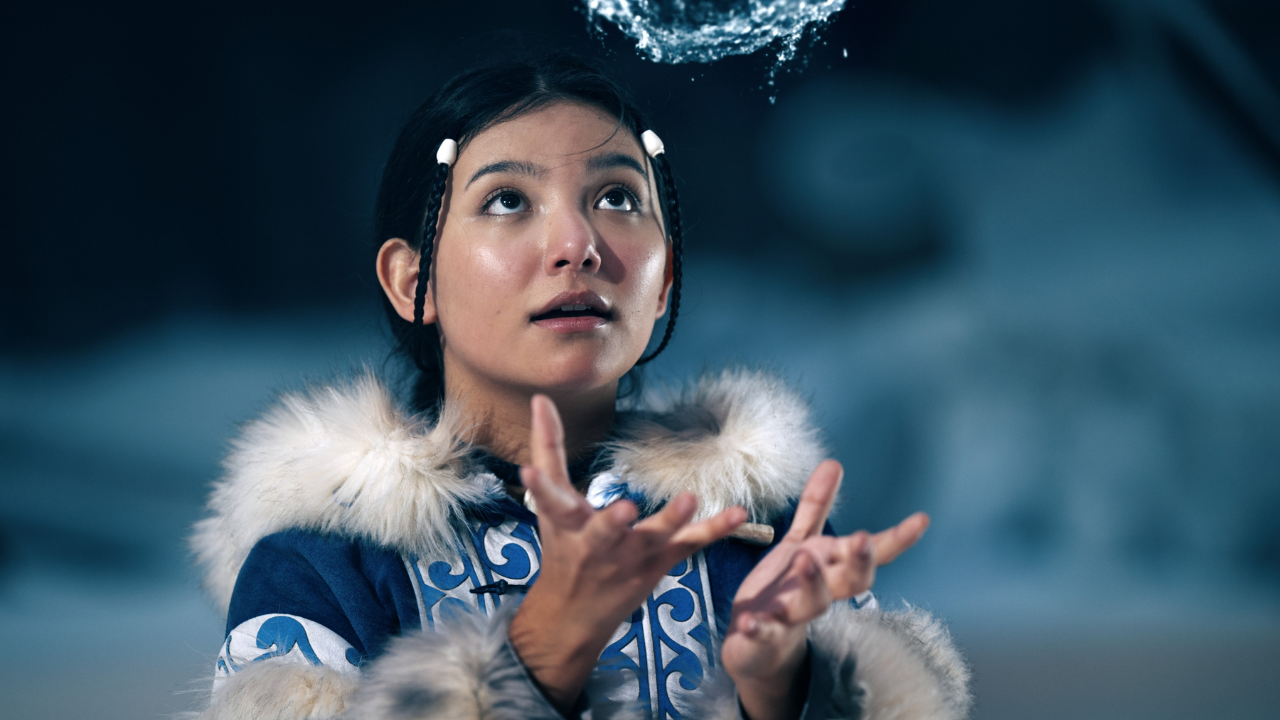
These changes aren’t isolated. The first season of Netflix’s live-action series already altered several characters and shortened their storylines compared to the original. A common example is Katara: instead of diligently training to learn from a waterbending master, she essentially becomes one on her own.
If Netflix significantly alters Toph’s character, it risks repeating a pattern seen in franchises like Star Wars and Marvel, where attempts to create ‘perfect’ female characters have ultimately harmed the stories.
The Actress Herself Confirmed Toph Would Be Different
Worries about the changes to Toph in the new Netflix series aren’t just from what people saw in the trailer. The actress playing the character hinted at these changes beforehand.
Before the second season of Netflix’s live-action Avatar: The Last Airbender premiered, Miya Cech, who plays Toph Beifong, shared that her portrayal of the character would be different from the original animated series. Cech explained that this version of Toph would appear more mature and traditionally feminine compared to how fans might remember her.
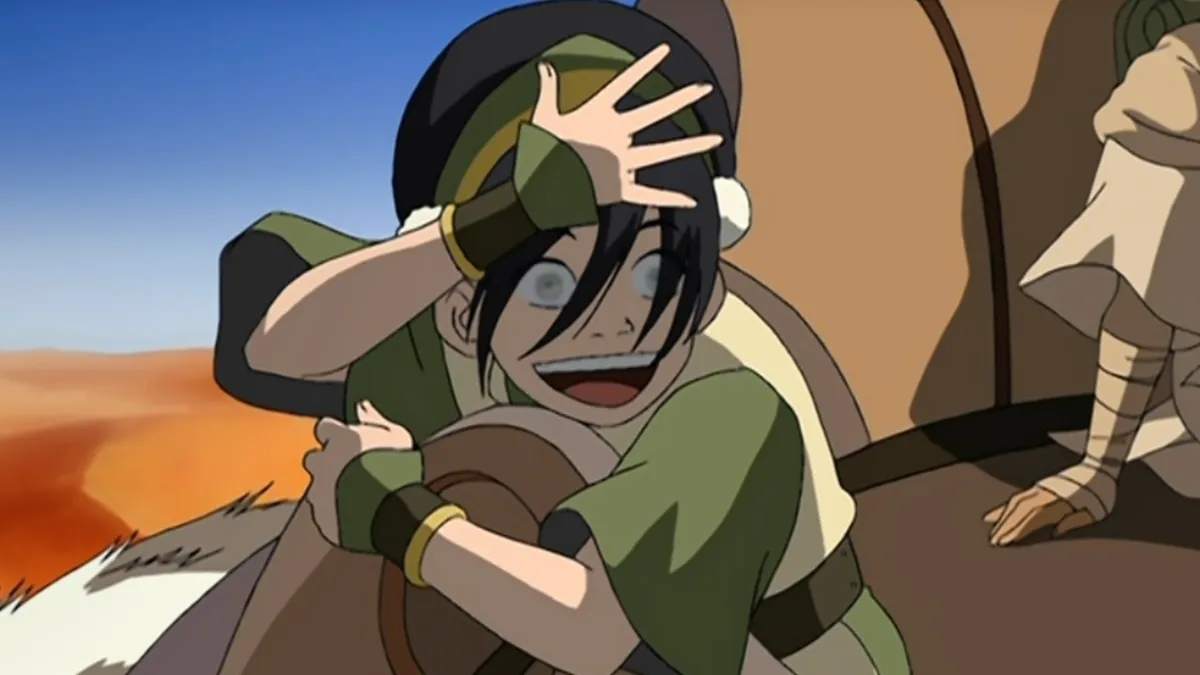
The way the story was presented immediately sparked discussion. Toph’s refusal to conform to typical female roles wasn’t just a small detail in the show—it was central to who she was and made her a compelling character. She intentionally challenged what people expected of her, given her blindness and upbringing. Changing that strong-willed attitude to something gentler or more conventional would drastically alter her core identity.
The Season 2 trailer doesn’t directly highlight Toph’s femininity, but it does seem to confirm the creators’ intentions. This version of Toph is portrayed as more peaceful and thoughtful, acting as a mentor rather than a rival. This suggests the changes to her character weren’t simply fan interpretations or mistakes—they were planned from the beginning.
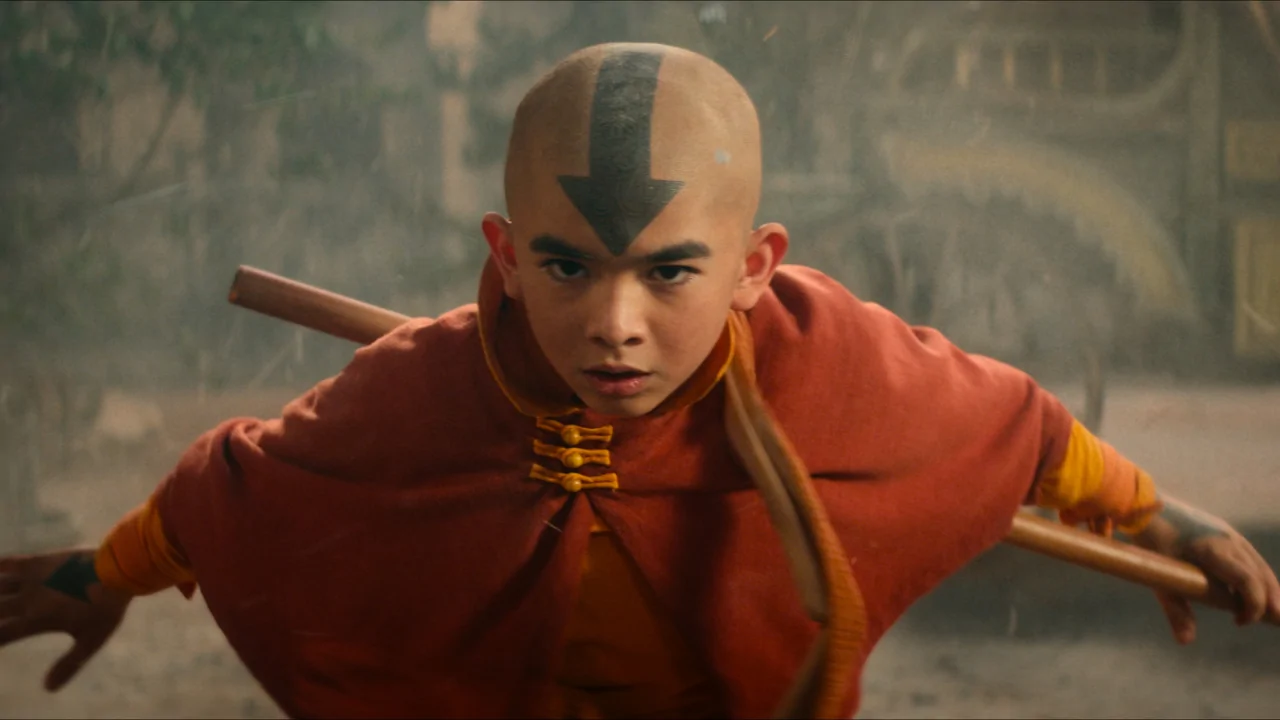
For fans who have loved the character for a long time, this news is perhaps even more worrying than the trailer. It implies that Netflix didn’t just change Toph’s appearance for the live-action adaptation, but fundamentally altered her personality—deciding her original character wasn’t quite right.
Modernization at the Cost of Identity
Netflix has presented its live-action Avatar: The Last Airbender adaptation as a thoughtful update, not a complete overhaul. However, the changes made to the character Toph have understandably worried fans. Toph’s strength and unique personality worked perfectly as is, and didn’t require adjustments like being made older or less assertive to translate to live action. Her character was a strength, not a flaw.
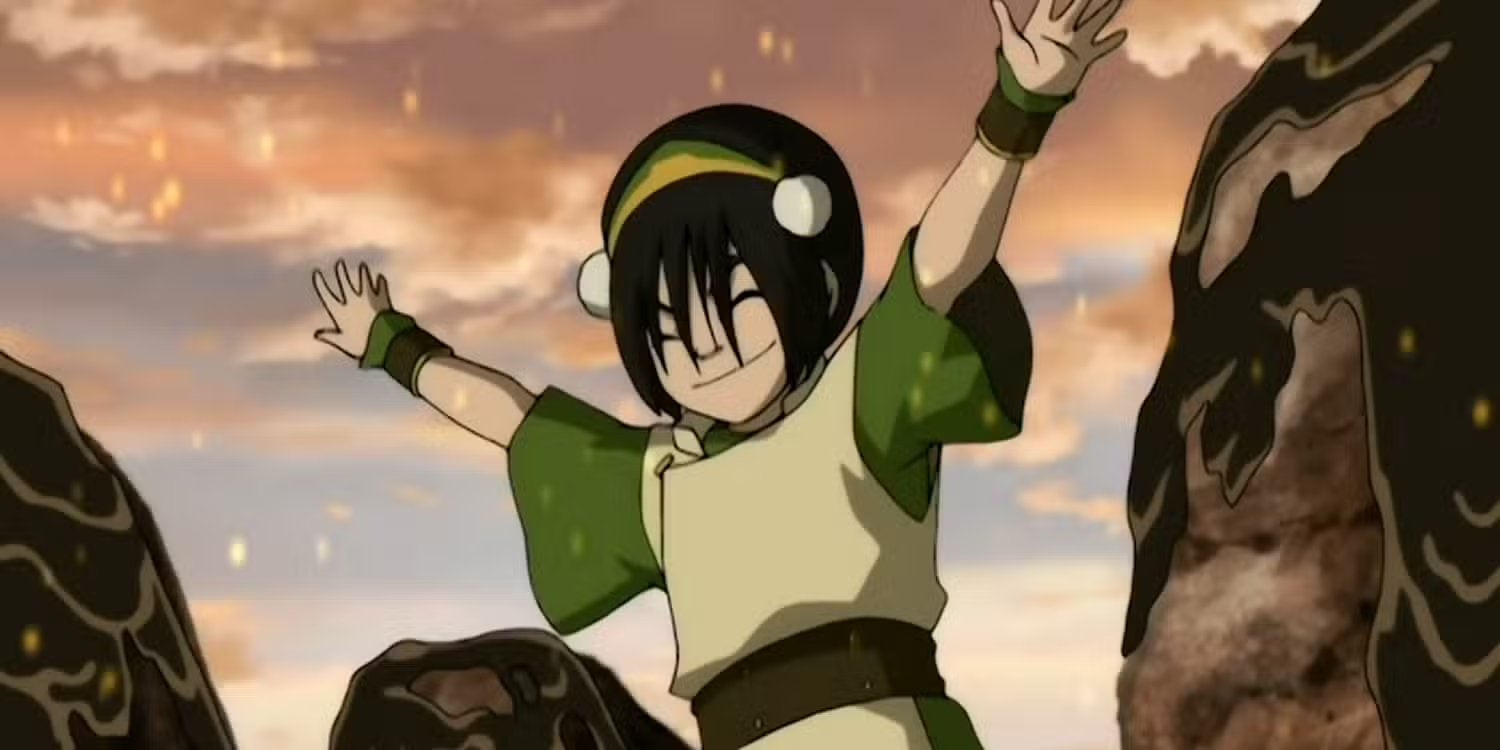
Changing Toph to fit a typical character mold could strip away what made her so special. It wasn’t her intelligence that people connected with, but her rebellious spirit.
While Season 2 could still offer surprises, initial indications suggest Netflix isn’t focused on faithfully recreating what made Toph such a beloved character. Instead, they seem to be adapting her to fit modern storytelling trends. This is concerning for a show that relies so heavily on strong, well-developed characters.
Read More
- United Airlines can now kick passengers off flights and ban them for not using headphones
- The Boys Season 5 Spoilers: Every Major Character Death If the Show Follows the Comics
- Solo Leveling’s New Manhwa Chapter Revives a Forgotten LGBTQ Story After 2 Years
- Grok’s ‘Ask’ feature no longer free as X moves it behind paywall
- Mewgenics vinyl limited editions now available to pre-order
- Assassin’s Creed Shadows will get upgraded PSSR support on PS5 Pro with Title Update 1.1.9 launching April 7
- How to Get to the Undercoast in Esoteric Ebb
- Nintendo Officially Rewrites Princess Peach After 41 Years
- ‘Timur’ Trailer Sees Martial Arts Action Collide With a Real-Life War Rescue
- Invincible Season 4 Episode 6 Release Date, Time, Where to Watch
2025-12-29 18:58