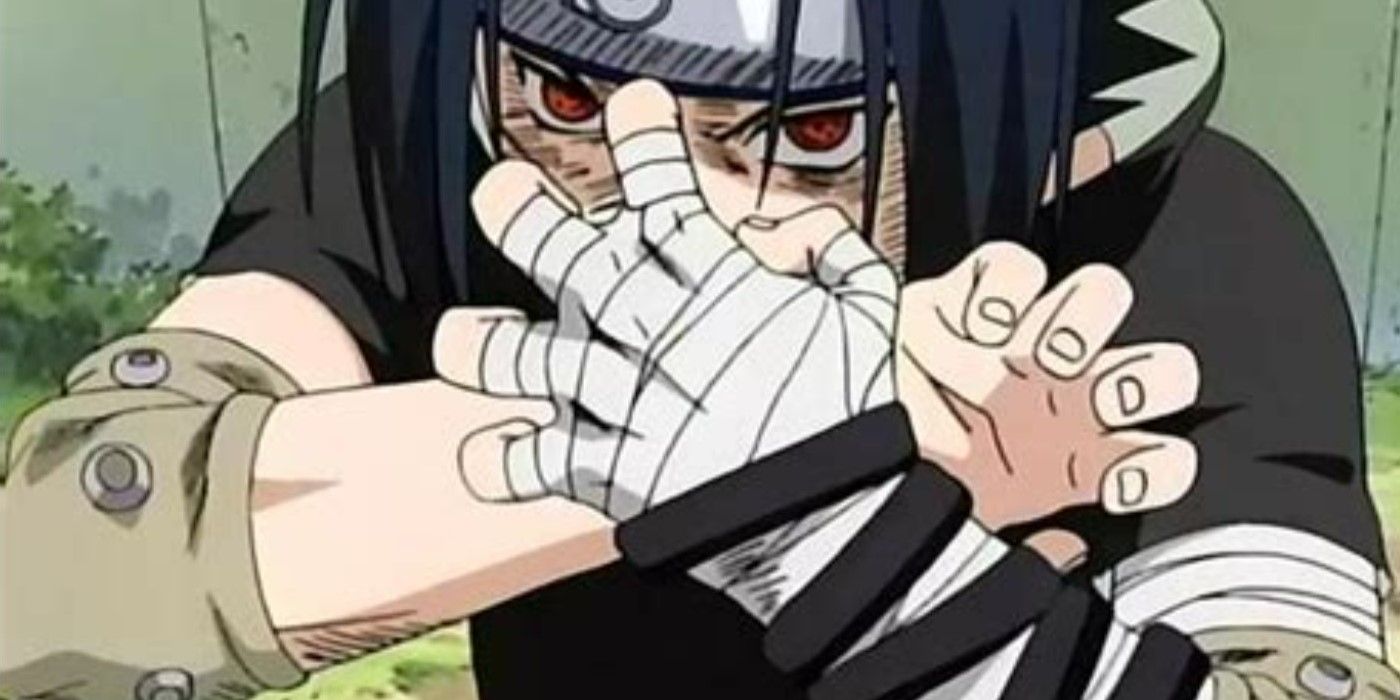
The Chunin Exams arc in Naruto is still considered the best example of anime tournaments, even 23 years after its debut. Starting with Episode 20, which aired in Japan on February 20, 2003, the arc’s preliminary and final rounds became a hallmark of shonen anime in the early 2000s. What makes it special is that the tournament isn’t just a series of battles; it’s a way to explore the characters and the complex relationships between them.
The Chunin Exams arc in Naruto redefined what viewers anticipated from extended action anime. It’s brilliantly paced, expertly building tension before delivering exciting climaxes. What truly sets it apart is how it uses a tournament as a tool for a larger, more dangerous story. By the time the competition begins, the focus shifts from simply winning to surviving a plot that transforms a festive event into a disaster. Even today, the Chunin Exams remain a landmark moment in the evolution of tournament arcs in shonen anime.
The Structure of the Chunin Exams Is Excellent
Many tournament storylines jump right into the competition, and Naruto cleverly uses a unique preliminary stage. Before the official matches begin, the new ninja face a series of trials that feel like a high-stakes job interview, complete with dangerous traps. The written exam isn’t about knowledge, but about skillfully cheating and remaining composed under pressure. Even the notoriously difficult tenth question isn’t about power – it tests a ninja’s courage and composure.
The tournament takes a dark turn when the participants are thrown into the deadly Forest of Death, a survival challenge where the stakes are incredibly high. While the rules are simple, the environment is unforgiving – contestants must manage their hunger, exhaustion, and any injuries. Temporary alliances are common, but quickly fall apart when self-preservation kicks in. This stage also marks a significant expansion of the world of Naruto, as ninja from other villages arrive, bringing their unique skills and political agendas, and making the competition feel much bigger than just a group of classmates.
Even before the main competition starts, the viewers know the risks: losing could lead to physical harm, public embarrassment, or something even more serious, while winning brings honor. The competition is designed like a good TV show, building suspense with each round instead of showing the same battles over and over.
The Fights Were Character Essays, Not Just Power Flexes
Watching the Chunin Exams, I realized the most compelling moments weren’t just about the fights themselves, but how they pushed the characters to reveal who they really were. Right from the start, Rock Lee’s battle with Sasuke showed us exactly what Lee was all about – years of relentless training to compete with those born with natural talent. That struggle between hard work and innate ability became the central theme of the whole arc. It really felt like a competition of dedication versus luck, and ultimately, overcoming your fears and fighting for your pride.
The fight between Lee and Gaara is famous for its intense action. It creates tension with a series of testing attacks and quick responses, ultimately showing just how much each fighter is willing to endure. Lee’s unique training and risky techniques make the battle incredibly dangerous, while Gaara’s sand shield makes it seem like he can’t even feel pain. The result is a powerful story about physical limits and the breaking point of the human body.
Even seemingly minor conflicts contribute to the overall story. Characters like Shikamaru demonstrate that intelligence can be just as powerful as physical strength, while the fight between Naruto and Neji represents a battle of different beliefs. These battles unfold deliberately, like scenes in a play, with clear rules and lasting effects. Far from being a break from the main plot, the tournament actually drives the story forward.
The Tournament Was Hijacked by Orochimaru, Making it So Much Bigger
Most anime battle tournaments feel predictable, sticking to simple matches. But the Chunin Exams are different – they constantly create a sense of unease. From the start, you suspect something is wrong, with mysterious characters and hidden agendas. The dangerous Forest of Death quickly raises the stakes, and Orochimaru’s arrival transforms the exams into a terrifying ordeal, demonstrating that some participants aren’t interested in playing fair.
The final tournament is a huge event, filled with spectators and village leaders enjoying the competition. But just when everyone is caught up in the excitement, Orochimaru uses the opportunity to launch his attack on Konoha. His plan works because he exploits the trust and celebration surrounding the tournament, turning a friendly competition into a dangerous trap. What started as a rivalry between young ninja quickly escalates into a major international crisis.
This story arc demonstrates how a tournament can drive a plot as powerfully as a season’s climax. The exams aren’t just a side quest; they’re crucial for developing the story and changing the entire village. What truly matters after the conflict isn’t who gets promoted, but the lasting emotional and physical wounds the young characters endure. The arc begins as a competition, evolves into a terrifying fight for survival, and ultimately feels like a story about the realities of war. This dramatic progression is why the Chunin Exams remain so influential in action-adventure storytelling.
The Chunin Exams Blueprint Still Runs Modern Anime
The Chunin Exams in Naruto showed other action anime how to create compelling tournament storylines. It proved that introducing a diverse group of characters, giving each a unique background, and then having their battles reflect their established personalities and training could be very effective. This became a common formula for anime wanting to feature large casts while still keeping the story focused. Even shows with different styles adopted the idea that a tournament should reveal character, not just be a series of random fights.
This storyline significantly shaped the feel of weekly anime episodes. It built suspense through genuine stakes, rather than relying on predictable surprises, and gave supporting characters moments that felt as important as the main plot. Characters like Rock Lee, Gaara, and Neji left a lasting impression, and scenes from this part of the series became instantly recognizable and emotionally resonant within the fan community, further solidifying its impact.
The Chunin Exams arc launched a new wave of fans when it premiered on Cartoon Network’s Toonami on September 10, 2005. Its tournament style made the series accessible, even for those just tuning in. The arc skillfully combined action, heartfelt moments, comedy, and genuine danger, all while connecting back to the overall storyline, making it a truly complete and satisfying experience.
Read More
- United Airlines can now kick passengers off flights and ban them for not using headphones
- All Itzaland Animal Locations in Infinity Nikki
- Katanire’s Yae Miko Cosplay: Genshin Impact Masterpiece
- Crimson Desert: Disconnected Truth Puzzle Guide
- How to Get to the Undercoast in Esoteric Ebb
- All Golden Ball Locations in Yakuza Kiwami 3 & Dark Ties
- How to Complete Bloom of Tranquility Challenge in Infinity Nikki
- BloxStrike codes (March 2026)
- 6 Ways Invincible Season 4’s Hell Episode Rewrites The Comics
- Crimson Desert: All Witch Locations
2026-02-20 00:42