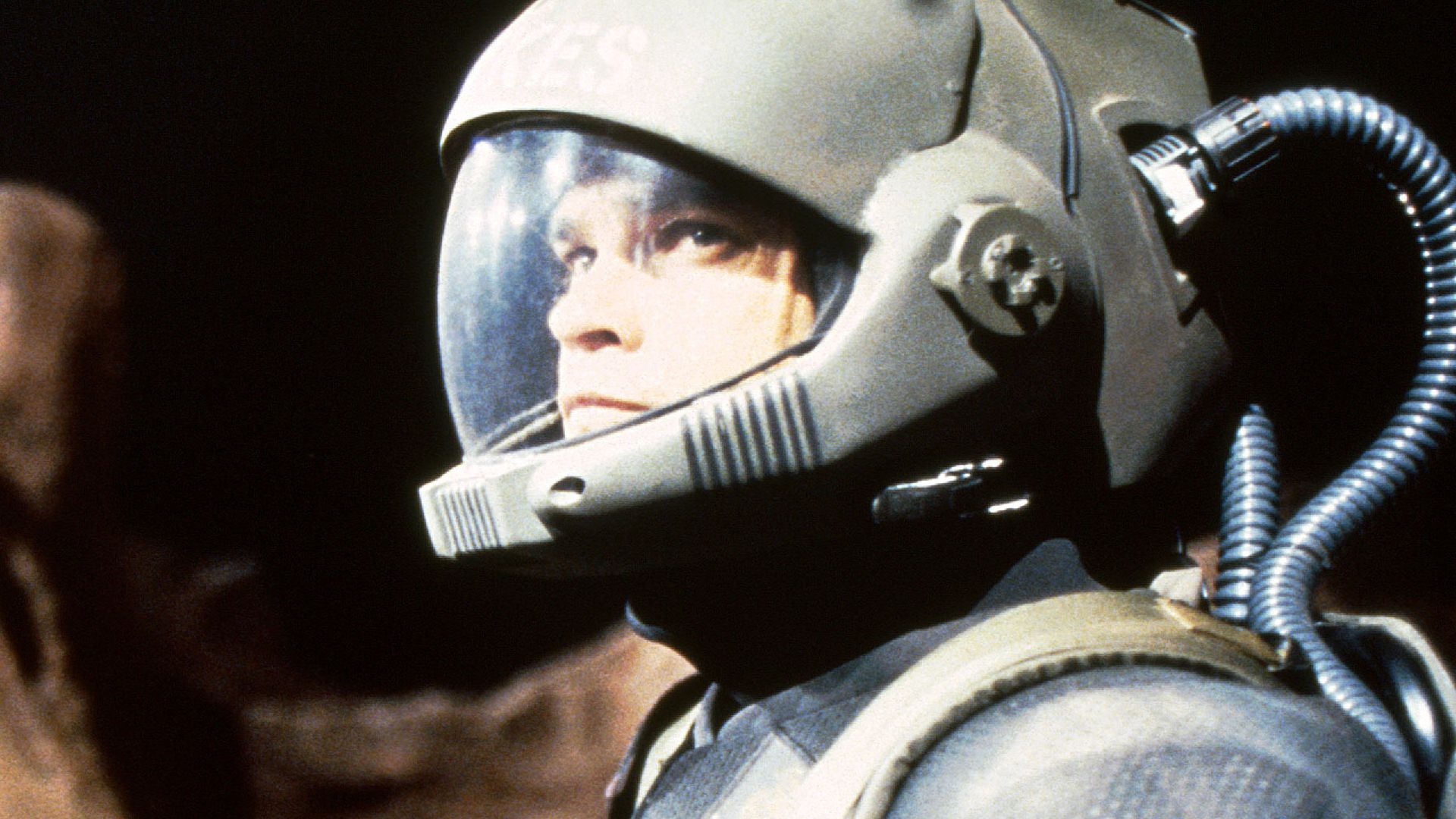
While TV often explores grand concepts, it doesn’t always ground them in actual science. Shows that prioritize scientific accuracy are rare, making it especially rewarding when a series strives for realism. This trend has gained traction recently, with high-profile projects like Christopher Nolan’s Interstellar leading the way.
Traditional science fiction often struggled to gain popularity because it tended to be slower-paced and required close viewing. Realistic sci-fi shows also had to contend with established genre expectations. However, streaming services have recently made it easier for niche series to find dedicated fans. Here are a few lesser-known, but worthwhile, hard sci-fi shows from the past that deserve another look.
Space: 1999 Tried to Bring Realism to Sci-Fi TV
Premiering in 1975, Space: 1999 aimed to create a more realistic and immersive science fiction experience, moving away from the often-lighthearted style of other shows at the time. The series focused on the bleakness and loneliness of space travel. The story begins when a nuclear explosion blasts the Moon out of orbit, sending the inhabitants of Moonbase Alpha hurtling into the vastness of deep space.
The show centers on how the crew struggles to survive with dwindling supplies. Rather than being traditional action heroes, the characters are defined by their jobs and keeping their base operational. This grounded approach lasted through the first season, but a new producer joined for the second, shifting the focus towards more standard, self-contained alien encounters each week.
Odyssey 5 is a Forgotten Sci-Fi Classic
The 2002 series Odyssey 5 began with a shocking and disturbing idea: a team of astronauts, including Chuck Taggart played by Weller, are on a normal space flight when they suddenly see Earth destroyed. Soon after, a mysterious figure called the Seeker appears and offers them a chance to send their minds back in time five years, hoping they can stop the disaster from happening.
The team dedicated their efforts to saving Earth by exploring promising technologies. Their adversaries were rebellious AI programs lurking within the internet. As the show tackled the challenges of artificial intelligence and nanotechnology, Weller and his crew worked tirelessly, analyzing data and overcoming the technological hurdles of the early 2000s.
Starhunter Brought Blue Collar Sci-Fi to the Galaxy
Premiering in 2000, Starhunter was a Canadian science fiction show set in the 23rd century. Unlike many sci-fi series of the time, Starhunter wasn’t sleek, optimistic, or polished. Instead, it depicted a gritty, realistic solar system and a future far removed from the utopian visions seen in shows like Star Trek.
Despite advancements in technology, many fundamental problems still affect people. The sci-fi series Starhunter was a smart, resourceful production given its limited budget, but this lack of funding made it difficult to promote effectively. Because it couldn’t secure consistent broadcast deals, the show struggled to build a dedicated fanbase.
Space: Above and Beyond Told a Military-centric Sci-Fi Tale
Created by James Wong and Glen Morgan, Space: Above and Beyond was a science fiction series that aired on Fox in 1995 for one season. The show follows a team of space marines, called the Wildcards, as they fight in a war against an alien enemy. The first few episodes depict the soldiers getting used to the harsh realities of combat.
Despite having a talented writing team, the sci-fi series Space: Above and Beyond didn’t attract a large audience during its single season on Fox. The show explored the mental toll of war and the impact of advanced technology, offering a brief but thoughtful look at the future of science fiction, and leaving viewers questioning the nature of the conflict and the alien race they were fighting.
Defying Gravity Was Better Than Its Marketing Suggested
I remember when Defying Gravity came out in 2009, created by James D. Parriott. It was pitched to networks as being similar to Grey’s Anatomy, but set in space, and honestly, that comparison really hurt the show. While it did get picked up by a network, it set the wrong expectations with viewers. It was a tricky situation – the pitch got them noticed, but ultimately, it didn’t quite work out.
Unlike many science fiction shows, this series pays close attention to the practical challenges of space travel. Set in 2052, it follows six astronauts on a six-year mission aboard the ship Antares. As the first season unfolds, realistic scientific details become central to the plot, with the crew consistently facing difficulties like cosmic radiation and the other dangers of deep space.
Earth 2 Was A Sci-Fi Survival Series That Was Ahead of Its Time
The TV show Earth 2 first aired on NBC in the winter of 1994. Unlike most shows at the time which told a new story each episode, Earth 2 had a continuing storyline. The show is about a group of people who leave Earth as it’s becoming uninhabitable. After living on space stations for years, they set out to build a new home on a nearby planet.
Rather than a traditional space opera, the show feels like a science fiction take on a western, realistically portraying the challenges of starting life on a new planet. Everything from the air people breathe to their bodies and cultural clashes presents a problem to overcome. Unfortunately, due to its high production costs, NBC canceled Earth 2 after just one season.
Found an error? Send it so it can be corrected.
Read More
- United Airlines can now kick passengers off flights and ban them for not using headphones
- Solo Leveling’s New Manhwa Chapter Revives a Forgotten LGBTQ Story After 2 Years
- The Boys Season 5 Spoilers: Every Major Character Death If the Show Follows the Comics
- Grok’s ‘Ask’ feature no longer free as X moves it behind paywall
- Mewgenics vinyl limited editions now available to pre-order
- Gold Rate Forecast
- How to Get to the Undercoast in Esoteric Ebb
- Nintendo Officially Rewrites Princess Peach After 41 Years
- Assassin’s Creed Shadows will get upgraded PSSR support on PS5 Pro with Title Update 1.1.9 launching April 7
- Invincible Season 4 Episode 6 Release Date, Time, Where to Watch
2026-04-12 22:38