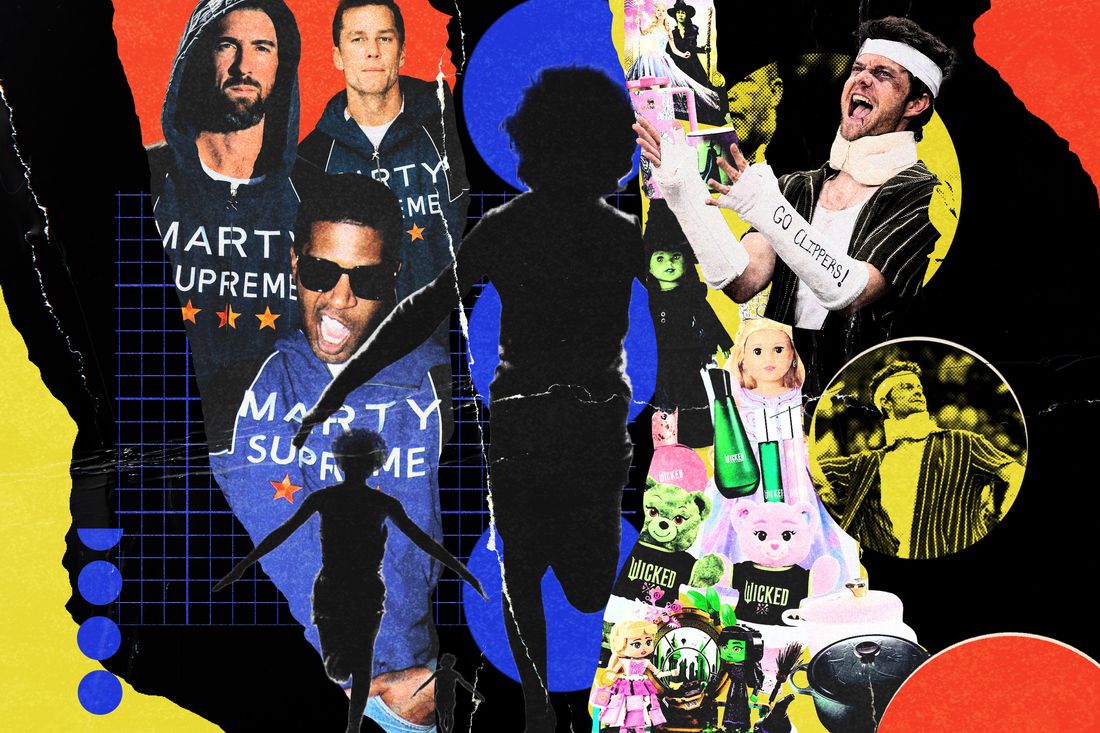
Have you noticed a lot of movie and TV show promotions popping up in unexpected places lately? Maybe you saw the ad with Peyton Manning shouting a password for a show, or celebrities wearing a sweatshirt from a fictional brand. Perhaps you spotted a character from a movie at a sporting event, or even considered gifting a product featured in a show. If it feels like marketing for big entertainment is everywhere, you’re right – it really is.
Are any of the new movies actually connecting with audiences? Films like Wicked: For Good, Zootopia 2, and Avatar: Fire & Ash are performing well. Among more serious films, One Battle After Another is expected to continue earning awards during awards season, and Marty Supreme has gotten off to a strong start. However, even with a lot of movie advertising, fewer people seem to know what new films are being released and when. The New York Times recently reported, based on research from National Research Group, that only 62 new movies released in 2024 had over 50% awareness – a near record low.
As film critics, we often hear people complain that there aren’t any good movies being made anymore. It’s usually the first thing they tell us when they find out what we do! But when you talk to them, you often realize they simply aren’t aware of what’s actually playing. They don’t go to the cinema, so they miss trailers, and they don’t read reviews or watch many commercials. They might catch a sporting event now and then, which is why so much movie advertising focuses on things like NFL and NBA games – they’re one of the few remaining places where a lot of people still see the same things.
It’s clear that everyone is dissatisfied with the current situation, but no one knows how to fix it. What appears to be a problem with the quality of things is actually a deeper issue: we’ve lost the ability to truly discover new ideas. We not only aren’t finding them, but we’ve also forgotten how to look.
If you’re of a certain age, you probably remember discovering movies differently than people do today. Back then, we’d learn about films by seeing trailers at the movie theater, catching TV commercials, or noticing posters. The most common way, though, was by reading the newspaper – specifically the entertainment section – where we’d find movie ads, listings, and reviews. It was how we decided what to see. Nowadays, almost no one does any of that anymore, which is a loss. For a while, the film industry had something special: advertising that people actually enjoyed. Despite being generally skeptical of ads, we genuinely liked seeing movie posters, watching trailers, and even reading the ads in the newspaper. How many businesses can say their advertising was actually liked by the public?
The internet promised to make information and advertising more accessible and affordable, but it had the opposite effect. It significantly harmed local news and the businesses that relied on local advertising. Online ads, initially seen as banners, became irritating, then were blocked altogether. While digital advertising is still prevalent, it’s rarely welcomed; noticing an online ad often indicates a frustrating experience. This is a stark contrast to the past, when people would actually save and display advertisements for things they were interested in. Marketing used to be something people enjoyed; now, it feels unavoidable.
It’s easy to assume things have simply changed and that this new approach to promoting movies is just how it is now. These days, every film release seems to require a completely custom marketing strategy, which isn’t necessarily a bad thing. Last year, Neon successfully created a viral buzz around Osgood Perkins’s Longlegs with an ad campaign that intentionally revealed very little about the film. While they couldn’t repeat that success with Perkins’s Keeper, Warner Bros. used a similar tactic for Zach Cregger’s Weapons, and it worked out well. Studios are now relying on TikTok creators, Instagram influencers, and others to capture our attention. We see filmmakers like Ryan Coogler explaining film formats, Christopher Nolan demonstrating the size of IMAX prints, Tom Cruise with his unusual popcorn habit, and Timothée Chalamet rapping and dancing. But even when these promotional efforts succeed, it often feels like a temporary stay of execution, a brief pause before things revert back to normal.
For years, franchise movies and horror films thrived because they already had dedicated fans who spread the word. Horror, in particular, benefited from fans seeing multiple trailers for upcoming films while at the theater. However, both are facing challenges now. Marvel movies aren’t performing as well as before, and even successful horror studios like Blumhouse are releasing fewer standout films. Increasingly, heavy marketing campaigns aren’t as effective – people get tired of the same tricks and start ignoring familiar content. As marketing executive Terry Press explained to the Times, reaching a broad audience is now harder than ever. Traditional advertising options are limited, and the digital landscape is overwhelming and noisy. Eventually, people either ignore the constant noise or actively avoid it.
Many major movies haven’t done well this year, and Hollywood is finally recognizing this is a problem. Constantly trying to create completely new concepts for each film isn’t working, especially with widespread layoffs happening across the industry. The current strategy of big-budget films competing for a limited audience isn’t promising, and feels like a desperate, ultimately futile struggle.
Read More
- United Airlines can now kick passengers off flights and ban them for not using headphones
- Crimson Desert: Disconnected Truth Puzzle Guide
- All 9 Coalition Heroes In Invincible Season 4 & Their Powers
- Mewgenics vinyl limited editions now available to pre-order
- Grey’s Anatomy Season 23 Confirmed for 2026-2027 Broadcast Season
- Assassin’s Creed Shadows will get upgraded PSSR support on PS5 Pro with Title Update 1.1.9 launching April 7
- Viral Letterboxd keychain lets cinephiles show off their favorite movies on the go
- Does Mark survive Invincible vs Conquest 2? Comics reveal fate after S4E5
- How to Get to the Undercoast in Esoteric Ebb
- The Original Resident Evil is Finally Available on Steam
2025-12-24 19:55