
I’ll never forget my first experience with Metroid Prime on the GameCube – exploring the world Retro Studios created was incredible. The game’s environments were brilliantly connected, and the familiar Metroidvania gameplay – finding new abilities and revisiting old areas – worked perfectly in 3D. The following games in the series continued this tradition, building on the story, taking Samus Aran on even bigger adventures, and offering even more immersive worlds to discover.
After 23 years, a new main installment in the Metroid Prime series has finally arrived. Metroid Prime 4: Beyond largely delivers the experience fans have been hoping for, though it’s not without its drawbacks. While the game offers a completely new world to explore, some changes to the world’s structure, a more straightforward progression, and a few experimental elements hold it back from reaching its full potential, making it good, but not quite exceptional.
Atmospheric Alien Areas
Like classic Metroid Prime games, Metroid Prime: Federation Force starts with Samus and the Galactic Federation trying to prevent Space Pirates from taking a valuable new artifact. However, Samus’s old enemy, Sylux, gets involved, and the artifact unexpectedly teleports everyone to the planet Viewros. On Viewros, Samus discovers the Chrono Tower, develops psychic powers, and learns about the Lamorn—an ancient race that tried to save themselves by moving their entire civilization to another world using five special teleporter keys.
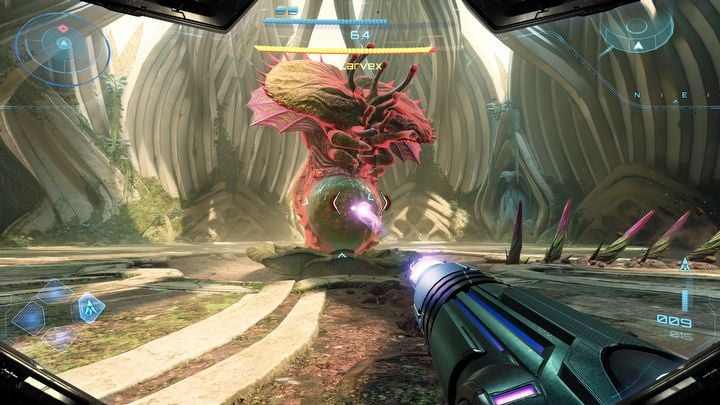
As Samus journeys across Viewros to find the keys, she uncovers the heartbreaking story of the Lamorn people. Their fate echoes that of other lost civilizations in the Metroid universe, but the way their history is revealed – through discovered records, holographic messages, and the environment itself – makes it feel deeply moving and gives your exploration a stronger meaning.
You’ll discover that Viewros is made up of very different regions, each with its own unique challenges, atmosphere, and enemies. The first major area is a dense jungle filled with ruins – you’ll find upgrades and weapons hidden within, as well as ancient texts that offer a glimpse into the Lamorn philosophy. In contrast, the Ice Belt is home to a cryogenics lab. As you restore power, the lab thaws, revealing what happened to the Lamorn people… and unleashing some dangerous, newly awakened creatures.
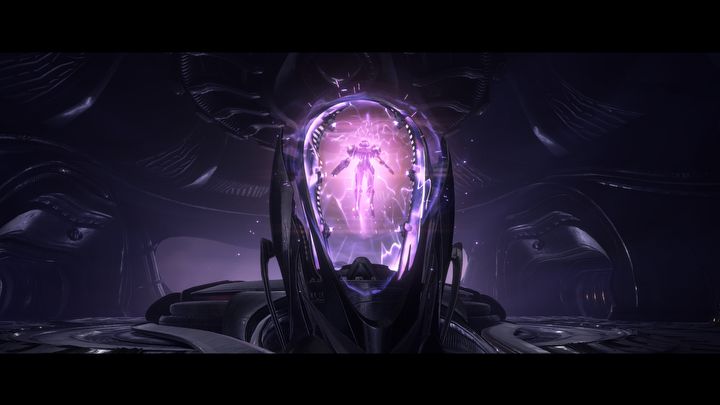
What really hooked me about Metroid Prime was how the story unfolded as I explored, and Beyond totally gets that. Every new area starts out peaceful, almost lulling you into a false sense of security. But then, as soon as I snagged a key item or reached a certain point, everything would go crazy! Suddenly, these AI drones would activate, these creepy creatures called Grievers would burst out of their frozen pods, and even the environment itself would start attacking after I flipped a switch or something. It’s awesome!
Lost in the Desert
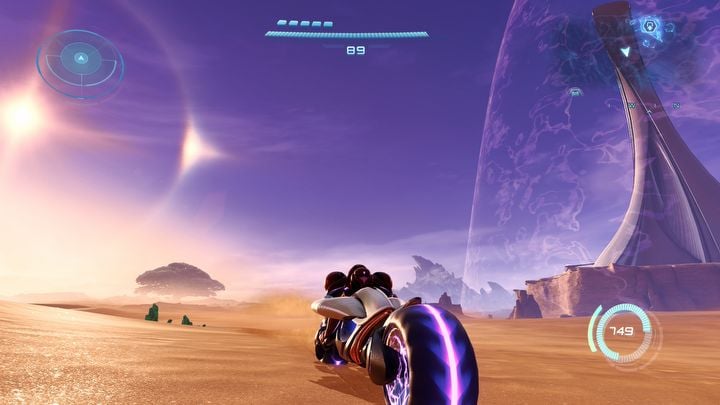
What really grabs you in Beyond is the atmosphere – it’s incredible! Though, there are a few things that feel a little odd. Like, early on you visit Volt Forge, these towers built to make motorcycles, and it just…doesn’t quite fit. It is a cool area with a great rock vibe and Samus gets a really awesome bike design (the Vi-O-La!), but the idea that this advanced, psychic race also spent their time riding motorcycles is honestly kind of funny. It feels a little out of character, you know?
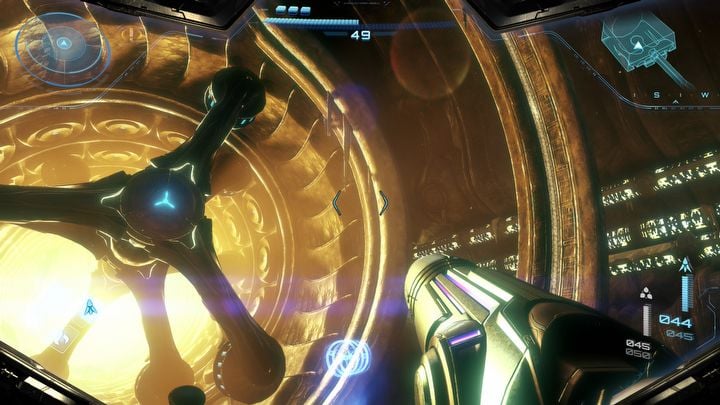
The most noticeable change is the vast desert between each world in the game. While the bike is intended to help you get around, there’s simply not much interesting to discover. A few shrines are scattered throughout, offering upgrades, but they feel like a weak attempt to make the desert feel worthwhile instead of adding real value.
Unlike previous games that linked areas with tunnels or elevators, Beyond spreads its worlds far apart on the map, separated by a huge, empty desert. Because there’s no fast travel, you’ll spend a lot of time riding across this desert whenever you need to revisit old areas – whether to use a new ability or find something you missed. This constant travel soon feels like unnecessary repetition instead of a deliberate part of the game’s design.
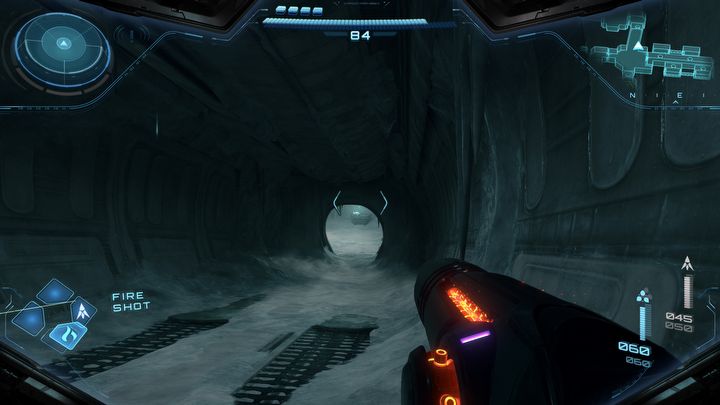
The way the game is divided into separate areas makes Beyond feel like a series of individual dungeons, each ending with a key to move on—similar to the structure of a Legend of Zelda game. While taking inspiration from Zelda isn’t a problem, it doesn’t quite work here. The desert environment connecting these areas feels bland and lacks personality. Combined with a more straightforward path through the game, it’s hard to get that sense of being truly lost on an alien planet, something the older Prime games did so well. You’ll sometimes revisit areas, but usually only to find hidden items after you’ve already completed them.
- Amazing atmosphere and world design that gives us that classic Metroid Prime feel;
- strong classic gameplay loop with some notable additions that keep the game from feeling stale;
- one of the stronger narratives in a Metroid Prime game thanks to lore, atmosphere, and some companion interactions.
CONS:
- The desert hub feels empty and disconnected;
- increased linearity makes the game feel smaller and more constricted;
- constant guidance gets annoying.
Masterful Metroid Moments
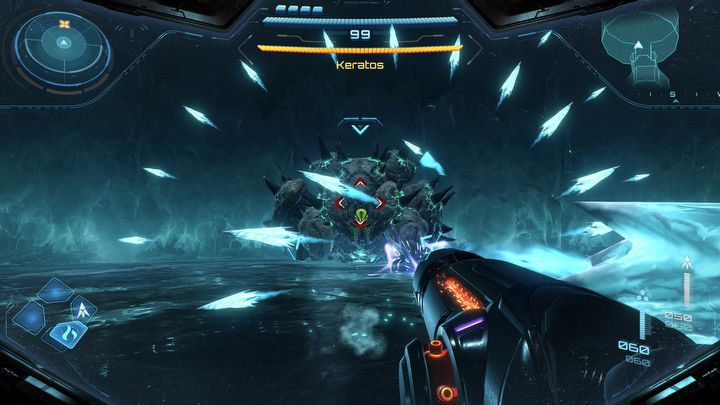
Honestly, what I really love about this game is that core gameplay loop – exploring these amazing worlds and then getting thrown into these intense, action-packed fights. It’s just so satisfying! Each planet feels like you need to really earn your progress, with a mix of finding secrets, solving puzzles, and taking on tough bosses. And those bosses usually give you cool new abilities or upgrades, which is awesome. What really gets me, though, is how well they build suspense. You’ll walk into a huge, dark room bracing for a fight, and… nothing happens. It’s so clever! Then, later, you’ll flip a switch or restore power, and that’s when the ambush hits – the one you were expecting earlier. They really make those moments pop with cool cutscenes, holographic stuff, and even by letting you chat with the new characters Samus meets. It all adds up to a fantastic experience.
While the Galactic Federation crew isn’t unwelcome, they do disrupt the series’ traditional sense of solitude. Samus is usually self-reliant, but in Beyond, an engineer named Myles Mackenzie constantly offers advice over the radio, urging you to fully explore each area. Unfortunately, you can’t turn off these messages, which become repetitive and make the game feel more linear, even if you’re trying to explore on your own.
Honestly, the other characters in the game really helped sell the feeling of being totally isolated on Viewros. Samus doesn’t say much, but her little reactions and connections with people felt surprisingly meaningful. There was this one injured sniper she helped, and a soldier who was a huge fan – those interactions, even though they were short, added a lot of emotional weight. They didn’t overstay their welcome, and by the end, you really understood how those relationships mattered, even if one character, Mackenzie, still got on my nerves!
The boss battles are a highlight, offering a great variety of challenges – from massive creatures that require skillful use of your abilities, to intense, fast-paced fights that demand precise movement and timing. Samus’s psychic powers feel fresh yet familiar, often acting as updated versions of classic tools like the grapple beam and spider ball. The psychic beam, in particular, is a standout feature, adding a lot of fun to both puzzle-solving and boss encounters, and it works equally well with mouse and Pro Controller controls.
Final Thoughts
After a long wait, Metroid Prime 4: Beyond delivers a game that successfully captures what makes the Metroid Prime series great, while also attempting to innovate. Some of these new ideas don’t quite work—the open desert area, for example, feels a bit pointless and barren—but the successful ones, like the added depth from companion characters, really improve the game.
The game successfully maintains its unique feel throughout. Exploring the beautifully designed worlds is a joy, and the music is exceptional. The combat also improves as you unlock new abilities during the roughly 13-hour adventure. While it might not be the very best in the series, it’s a great comeback and suggests exciting possibilities for future Metroid Prime games.
Read More
- United Airlines can now kick passengers off flights and ban them for not using headphones
- Gold Rate Forecast
- All Golden Ball Locations in Yakuza Kiwami 3 & Dark Ties
- How to Solve the Glenbright Manor Puzzle in Crimson Desert
- How to Complete Bloom of Tranquility Challenge in Infinity Nikki
- 8 Actors Who Could Play Blackbeard In One Piece Live-Action Season 3
- How to Get to the Undercoast in Esoteric Ebb
- 15 Lost Disney Movies That Will Never Be Released
- Wartales Curse of Rigel DLC Guide – Best Tips, POIs & More
- What are the Minecraft Far Lands & how to get there
2025-12-09 12:34