It’s incredibly frustrating to lose a game because of a technical problem, like a server crash or a bug. While most of us can just quit in anger, professional gamers have to keep playing even when things go wrong, with a lot of money at stake. Being able to quickly change their strategy when the game itself is the problem is a key skill for them. They don’t just rely on a stable connection; they actually prepare for things to go wrong. This is where mental toughness and fast thinking can turn a potentially disastrous situation into a chance to beat opponents who aren’t as prepared.
Key Takeaways
- Your Mental Game is Your Biggest Weapon: Beyond mechanical skill, the ability to stay confident and focused through technical issues and high-pressure moments is what truly separates top players from the rest.
- Build a Coordinated Team, Not Just a Roster of Players: Success in tournaments hinges on more than individual talent. It requires clear roles, practiced communication, and backup plans for when things inevitably go wrong.
- A Game’s Technical Health Dictates Its Competitive Potential: For a game to succeed as an esport, it must have core features like a reconnect function and regular balance patches to ensure fair competition and a dynamic, evolving meta.
What Defines Pro-Level Redsec Gameplay?
Have you ever watched a top Redsec player and been amazed by their skills? While quick reflexes are important, professional gameplay is actually a combination of talent, smart strategy, and a strong mental game. It’s not simply about winning battles; it’s about being able to outsmart and outplay your opponents consistently. What really sets the pros apart is a deep understanding of the game that goes far beyond just aiming and shooting. Let’s explore the key skills and mental strength needed to compete at the highest level.
The Core Skills That Set Pros Apart
At its core, Redsec is a team-based game. Highly skilled players know that individual talent isn’t enough – success depends on strong teamwork and understanding how different roles and strategies complement each other. Top players also have exceptional hearing, allowing them to locate enemies simply by listening to their footsteps – a crucial skill for staying alive. Finally, they excel at adapting to changing conditions. Redsec’s environments are dynamic, and pros cleverly use things like destructible objects and weather to their advantage, turning potential challenges into opportunities to win.
Mastering the Mental Game for Tournaments
While skill with the game controls is important, the biggest challenge for professional players is often mental. They’re masters of quick, strategic thinking, able to make critical decisions in moments. This isn’t just about reacting to what happens; it’s about anticipating it. Pros dedicate countless hours to studying their opponents, figuring out what they’ll do and countering their plans before they even begin. Crucially, they remain calm under intense pressure. In the final moments of a match, when everything is at stake, the ability to stay focused is what distinguishes a winner from someone who almost made it. This mental toughness is what truly sets professional players apart.
How Do Technical Glitches Change Pro Strategy?
A technical problem can quickly derail even the best-laid plans. In competitive gaming, where split-second decisions matter, unexpected issues like bugs, server problems, or delays aren’t just frustrating—they can completely change the outcome of a match. What separates a good team from a truly exceptional one is often how they react when technology fails. It’s easy to perform well when everything goes smoothly, but it takes real skill to stay focused and win even when the game itself is causing problems.
True skill at the highest levels isn’t just about aiming accurately or understanding the game; it’s about staying mentally strong and being able to quickly change plans. Top teams expect things to go wrong – like a player losing connection, equipment failing, or unexpected delays – and they prepare for these situations. They practice handling chaos, turning potential setbacks into opportunities. Instead of being thrown off by problems, they use them to surprise their opponents. A team’s ability to react to unexpected issues can often determine the outcome of a critical match.
Adapting to Last-Minute Game Updates
Picture this: you’ve trained for weeks for a big competition, meticulously studying rivals and perfecting your strategy. Your team is ready to go, but then a three-hour delay hits because of technical problems – exactly what happened during the REDSEC Elite Series. Suddenly, mental strength is just as crucial as skill. Professional players need to stay focused and prepared without getting mentally exhausted. It’s a tough challenge – you need to be alert but also conserve energy for a match that might not even start. Some teams use the extra time to review past games, while others step away completely to clear their heads, knowing a frustrating problem could still disrupt the competition when it finally resumes.
Playing Around Missing Reconnect Features
Losing a teammate early due to disconnection is a nightmare in battle royale games, forcing your squad to adapt instantly. It throws off your strategy and puts you at a significant disadvantage. Competitive teams prepare for this with pre-planned responses: do they play cautiously and focus on surviving, or try to quickly eliminate opponents to regain the advantage? Players may need to switch roles on the spot, and clear communication is essential to create a new plan during the heat of battle. Successfully navigating a teammate’s disconnection requires a team to be flexible, trust each other’s judgment, and perform well under pressure.
What Goes into a Winning Tournament Strategy?
Okay, so winning a big tournament isn’t just about being good at aiming or reacting fast. It’s about having a solid plan that doesn’t fall apart when things get intense. The really good teams? They’re like one mind – making smart, timed moves that other teams just can’t handle. They know exactly when to attack, when to defend, and how to basically own the map. It all comes down to working perfectly together, controlling the map, and knowing when to take a risk and when to play it safe. Let’s dive into how that actually works in a game.
Coordinating Your Team Under Pressure
In high-pressure situations, strong communication is the key to success. Top teams drill their strategies and signals so they can react quickly and confidently when the stakes are highest. They often keep recordings of these practice sessions private because their well-coordinated teamwork gives them a competitive edge. However, this dedication also creates a strong bond between teammates. There’s nothing quite like winning a match and sharing that excitement with your team – it’s the reward for all the hard work and practice put into building great teamwork.
Mastering Positioning and Map Control
Controlling key areas on the map is crucial for winning, as it allows you to determine how the game unfolds. Simply defending won’t be enough against skilled players. Pro player IceManIsaac explains that constantly being pressured will eventually lead to defeat. Successful teams take the initiative – they find weaknesses in the enemy’s setup and quickly attack. This relies on knowing the map well and predicting where other teams will move. Having versatile Warzone loadouts lets you adapt to any situation, whether you’re defending a strong position or aggressively pushing into enemy territory.
Making the Right Call: Risk vs. Reward
In any tournament, every choice involves a degree of risk. Teams constantly face decisions like whether to aggressively pursue points or rotate to a safer position for later in the game. The best teams understand how they need to win. If they’re focused on overall placement, they’ll prioritize scouting and play near the edges of the safe zone. If they’re aiming for eliminations, they’ll play more boldly. Crucially, this isn’t a one-time plan; professional players are constantly adjusting their strategy based on what’s happening in the game, who they’re playing against, and even how stable the game itself is. Making quick, smart decisions under pressure is what truly sets champions apart.
How Do Pros Stay Confident Through Game Issues?
Everyone who plays games has experienced frustrating technical problems – like a crash right before winning, or a key ability suddenly failing. For many of us, that’s incredibly frustrating and leads to giving up. But professional gamers see these issues as just another challenge. Staying calm and performing well even when things go wrong is a skill they’ve developed through lots of practice and competitive play.
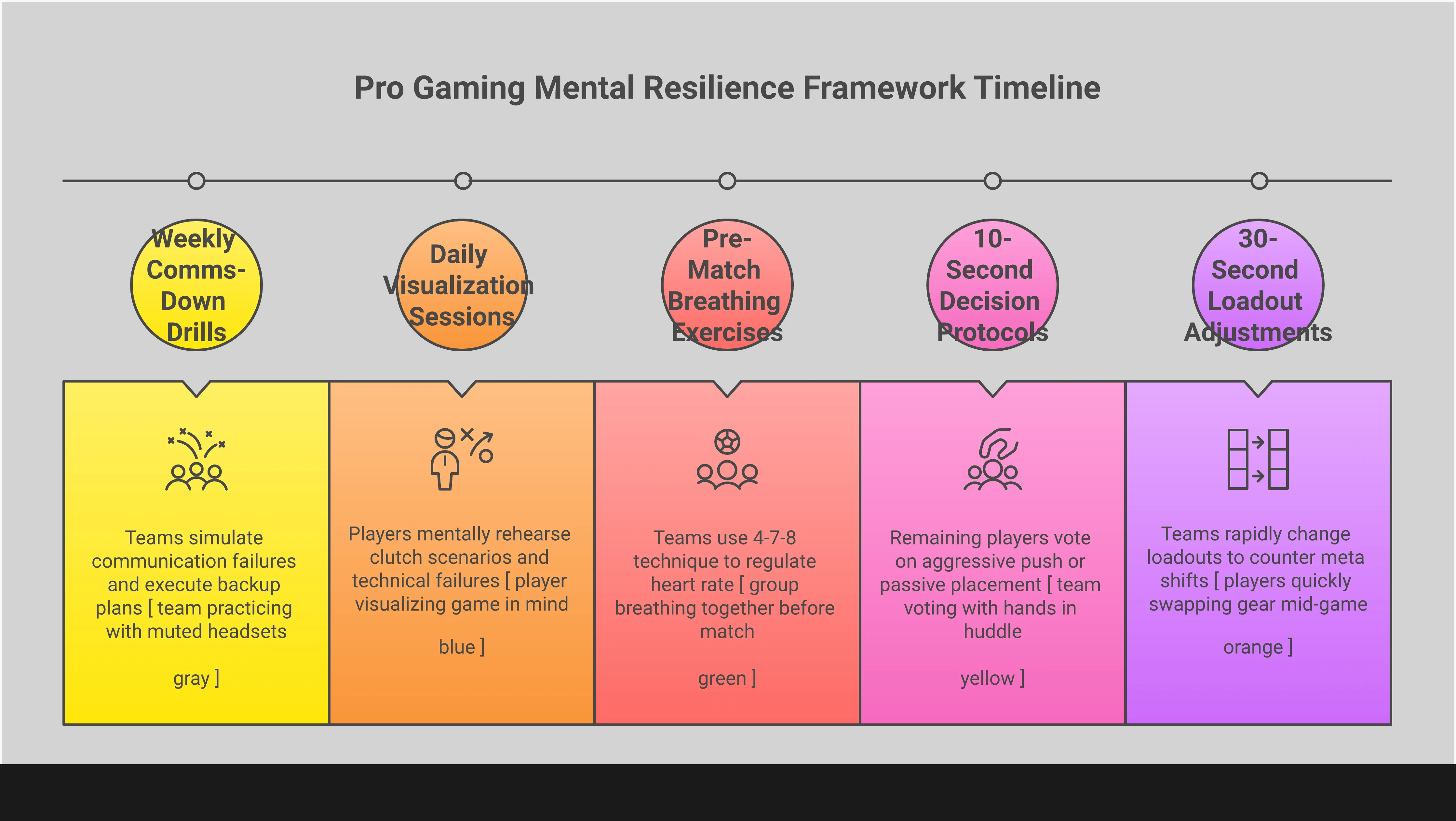
Look, pros get tilted just like anyone else, but they’re way better at handling it. It’s because they’ve worked on their mental game as much as they’ve practiced their reflexes and aim. A weird bug or getting disconnected doesn’t throw them off completely. Instead of letting something like that ruin their whole match, they have ways to stay calm, deal with the chaos, and keep focused. Honestly, that mental toughness is usually what wins them the game. They don’t just play the game, they play through all the little problems and glitches, adapting as they go and refusing to let a lag spike or server issue cost them the win.
Building Unshakeable Belief in Your Abilities
A professional’s confidence isn’t simply hoping for the best; it comes from a lot of hard work and experience. They’ve practiced extensively and have a clear understanding of their skills. When problems arise, they don’t question themselves. Instead, they rely on their strong belief in what they can do, knowing that a single mistake doesn’t undo all their training.
A strong belief in themselves is what helps top players stay calm and make good decisions, even when things aren’t going their way. Studies show confidence is key for players, and pros demonstrate this by relying on their intuition and understanding of the game, regardless of whether they’re winning or losing. They see mistakes or technical issues as things outside of their control, rather than a sign of their own shortcomings, allowing them to stay focused on what they can influence.
Focusing on Potential, Not Problems
Most players get frustrated when they encounter a serious bug in a game. But professional gamers react differently – they quickly start thinking about ways to overcome the issue. Instead of dwelling on the problem, they focus on finding solutions, figuring out if they can work around the bug or even use it to their benefit. This helps them stay in control and actively find a path forward instead of just reacting to what happened.
Developing this approach takes time, effort, and a hopeful attitude. To build confidence in your performance, you need to learn from every mistake and view it as a chance to improve. Skilled players stay composed even when things get tough, allowing them to think strategically and find solutions to unexpected problems. They see obstacles as challenges to overcome, which is key to success in any competition.
How Can You Develop Tournament-Level Skills?
Moving from playing casually to competing seriously is a big challenge, but definitely achievable. Success depends on focused practice and thinking strategically. While good reflexes are helpful, what really sets top players apart is smart training, effective teamwork, and mental strength. If you want to compete, treat practice like a workout – focus on improving specific skills instead of just playing game after game without a plan. By concentrating on these key areas, you’ll build a strong base for competing in tournaments.
Effective Training Drills for Competitive Play
Improving your skills takes effort beyond simply playing. Effective training means being focused and deliberate. Begin by watching professional players – it’s like studying game footage. You’ll pick up on smart team movements, better understand how maps work, and see how skilled teams take control. But don’t just watch; actively analyze why they make certain choices. Why did they change position when they did? How did they create a one-on-one fight to their advantage? Then, practice those ideas with your team. Drill specific situations – like reclaiming lost ground or launching a coordinated attack – until those actions become automatic.
Choosing the Right Team Comp and Roles
In Redsec, even highly skilled individual players usually lose to a team that works well together and has a solid plan. That plan begins with how your team is built – each player should have a specific job that uses their best abilities. This could be someone who starts fights, the person who directs the team, or a player who protects the sides. Once everyone knows their role, they need to choose the best gear. Many guides for new players emphasize that the right weapon upgrades and stats aren’t just helpful, they’re crucial for getting the small edge you need to win tough fights.
Proven Techniques for Mental Prep
Okay, so I’ve been realizing something: being good at a game isn’t just about how well you aim. Your headspace matters just as much, especially when you’re in a tough tournament. I’ve seen even pro players fall apart if they aren’t prepared mentally. What’s really helped me is watching live streams of top players using mouse and keyboard – seeing how they handle the pressure of a live match is awesome. I pay attention to how they stay calm after messing up and how clearly they talk to their team. To get my own head right, I’ve started a pre-game routine to help me focus. Deep breathing is a lifesaver when things get intense and my adrenaline is pumping. But the biggest thing? Learning to shake off a bad round. Seriously, if you keep dwelling on mistakes, you’ll just make more. I try to reset, focus on the next play, and trust that my practice will kick in.
What Features Make a Game “Comp-Ready”?
Not every popular game is suitable for esports. Beyond just popularity, a game needs to be technically sound to allow for fair and engaging competition. When we say a game is “ready for competition,” we mean it has the necessary features to ensure skill is the deciding factor, rather than glitches or unbalanced strategies. These features are essential for a successful esports scene.
A strong competitive game relies on two key things: a stable system for reconnecting to matches and regular updates to keep the gameplay balanced. Reconnecting players protects individual games, while balance patches ensure the overall game stays interesting and competitive over time. Without these, players get frustrated and viewers lose interest. Both are essential for a thriving professional gaming scene and keeping audiences engaged.
Why a Reconnect Feature is Non-Negotiable
It’s incredibly frustrating to lose a game due to a sudden disconnection, especially during important moments like the final round or a key team fight. For professional gamers, even a brief internet interruption can mean the difference between victory and defeat. That’s why a reconnect feature is so important – it acts as a safety net, letting players rejoin a match after a crash or disconnection. This ensures that technical issues don’t unfairly determine the result and helps maintain the fairness of a competition. Just as game updates aim to balance gameplay, a reconnect feature provides a way to recover from unavoidable technical problems.
How Balance Patches Shake Up the Pro Meta
Anyone who’s seen a beloved character become significantly weaker understands the impact of game updates, often called ‘balance patches.’ Though sometimes annoying, these updates are crucial for keeping competitive games healthy. They stop the most effective strategies from becoming predictable and overused, where players rely on the same few characters or tactics to win. A new update can dramatically change things, suddenly making previously overlooked characters strong or rendering popular choices ineffective. This ongoing change forces professional players to be flexible, find new strategies, and improve their overall skills. This constant evolution is what keeps the game exciting for both those playing and those watching, continually changing how the game is played and preventing the competitive scene from becoming stale.
How Do You Communicate When Tech Fails?
Imagine this: you’re in the final moments of a competition, your team is ready, and then your communication system fails. Complete silence. In competitive gaming, technical issues aren’t just frustrating – they can mean losing the game. Top teams don’t just rely on everything working; they prepare for things to go wrong. A strong plan for communicating when technology fails is what truly sets the best teams apart. It’s about maintaining teamwork and coordination, even when your usual tools aren’t working. It’s not enough to simply have a backup plan; it’s about building a communication style so natural that your team can still perform well, even in chaotic situations.
Keeping Your Team in Sync Mid-Crash
When technology fails during a critical moment, staying calm is key. Focus on simple, direct communication. Avoid complex plans or technical terms – just share the most important details: where enemies are, your team’s health, and what you plan to do next. A calm leader can help everyone stay focused. To be prepared, regularly practice how your team communicates. Discuss what works best and how to explain things clearly. Building strong communication habits beforehand will make you more effective when problems arise.
Your Go-To Backup Comms Plan
Relying on luck with communication isn’t enough for serious competitive play. You need a solid backup plan. Top teams use multiple ways to stay in touch, like voice chat during the game as their main method, a Discord server as a second option, and even a group text as a third. The important thing is to be able to switch between them smoothly. Practice drills where you pretend your main communication fails and switch to your backup – this helps you react quickly during a real match. And if everything goes wrong, don’t forget the tools within the game itself – pings and markers can be crucial when you can’t use voice communication.
What Makes a Battle Royale Ready for the Big Leagues?
What makes a battle royale game exciting to play and also suitable for competitive esports? It’s more than just cool features or a large game world. To become a serious esports title with professional tournaments and players, a game needs to be incredibly stable and well-supported. The key to moving from casual play to a professional scene is having a game that consistently performs well and a development team that pays close attention to feedback from top players. When players are competing for money and recognition, the game itself must be dependable. Let’s explore what that means in practice.
The Stability Standard for Pro Play
Pro gamers and tournament organizers dread the idea of a game-breaking bug happening during a major competition, like a million-dollar final. A stable game is the most fundamental requirement for any competitive scene. Even small issues, like a player getting stuck at the start of a match, can ruin the game and damage the competition’s fairness. To be truly ‘competition-ready,’ a game needs to run smoothly and predictably, so that wins are determined by player skill, not by unexpected glitches.
How Player Feedback Defines the Pro Scene
For a game to become a popular esport, it needs strong collaboration between its creators and professional players. These top-level players essentially act as rigorous testers, and their insights are incredibly valuable. Pros constantly share ideas with developers – everything from fine-tuning weapon performance to adding key features. One player believes improvements like better balance, a reconnect option, solo play, and proximity chat could make the game the best available. This open communication is what transforms a good game into a truly exceptional one, ensuring it meets the high expectations of professional competition and reflects what players actually want.
Related Articles
- Deus Ex LFG: Connect with Other Augs in LFG Feature on Z League App
Frequently Asked Questions
Becoming a professional gamer requires both natural talent and a strong mental game. While precise mechanics like aiming and quick reactions can get you noticed, it’s your mindset that allows you to thrive. In competitive situations, especially at the highest levels, teams with similar skills often succeed or fail based on their ability to stay composed, communicate effectively under pressure, and bounce back from errors.
If you’re looking to get into competitive gaming, the most important thing isn’t practicing your aim endlessly. Instead, focus on being a good teammate. Even if you have amazing shooting skills, you won’t win team-based games without working well with others. Practice giving clear and brief updates to your team, and really listen to your leader’s instructions. Knowing what you’re supposed to do and how it helps your team win is the key to success.
It’s common for teams to struggle when a player disconnects or communication breaks down. To avoid falling apart in those moments, proactive planning is key. Don’t wait for a critical failure during a match – set up a backup communication system, like a Discord server, and practice switching to it smoothly. Also, create clear procedures for when a teammate goes down. As a team, decide in advance whether you’ll prioritize safe positioning or immediately engage in a fight to regain an advantage. Having these plans in place will help you stay calm and make smart decisions under pressure.
Okay, so I’m putting in serious hours gaming every day, but I’m not getting any better, and it’s super frustrating. I’ve realized just playing isn’t enough – I need to actually practice the right way. Just grinding matches isn’t helping, and might even be making my bad habits worse! I need to be way more focused. I’m starting to record my gameplay so I can watch it back and see what I’m doing wrong. Instead of trying to fix everything at once, I’m picking one specific skill – like my late-game strategy or how I start a fight – and really working on that. It’s all about quality over quantity, apparently. Focused practice is the key!
Just because a game is popular doesn’t mean it will succeed as an esport. A strong technical base is crucial for fair play, including reliable servers and a way to reconnect if players lose connection. Developers also need to actively balance the game based on feedback from professional players. Without these things, a game might be enjoyable for casual players, but it will likely struggle to build a serious, long-lasting competitive community.
Read More
- United Airlines can now kick passengers off flights and ban them for not using headphones
- All Golden Ball Locations in Yakuza Kiwami 3 & Dark Ties
- Gold Rate Forecast
- 15 Lost Disney Movies That Will Never Be Released
- 8 Actors Who Could Play Blackbeard In One Piece Live-Action Season 3
- Best Zombie Movies (October 2025)
- 2026 Upcoming Games Release Schedule
- The Best ’90s Saturday Morning Cartoons That Nobody Remembers
- How to Complete Bloom of Tranquility Challenge in Infinity Nikki
- How to Solve the Glenbright Manor Puzzle in Crimson Desert
2025-12-29 14:27