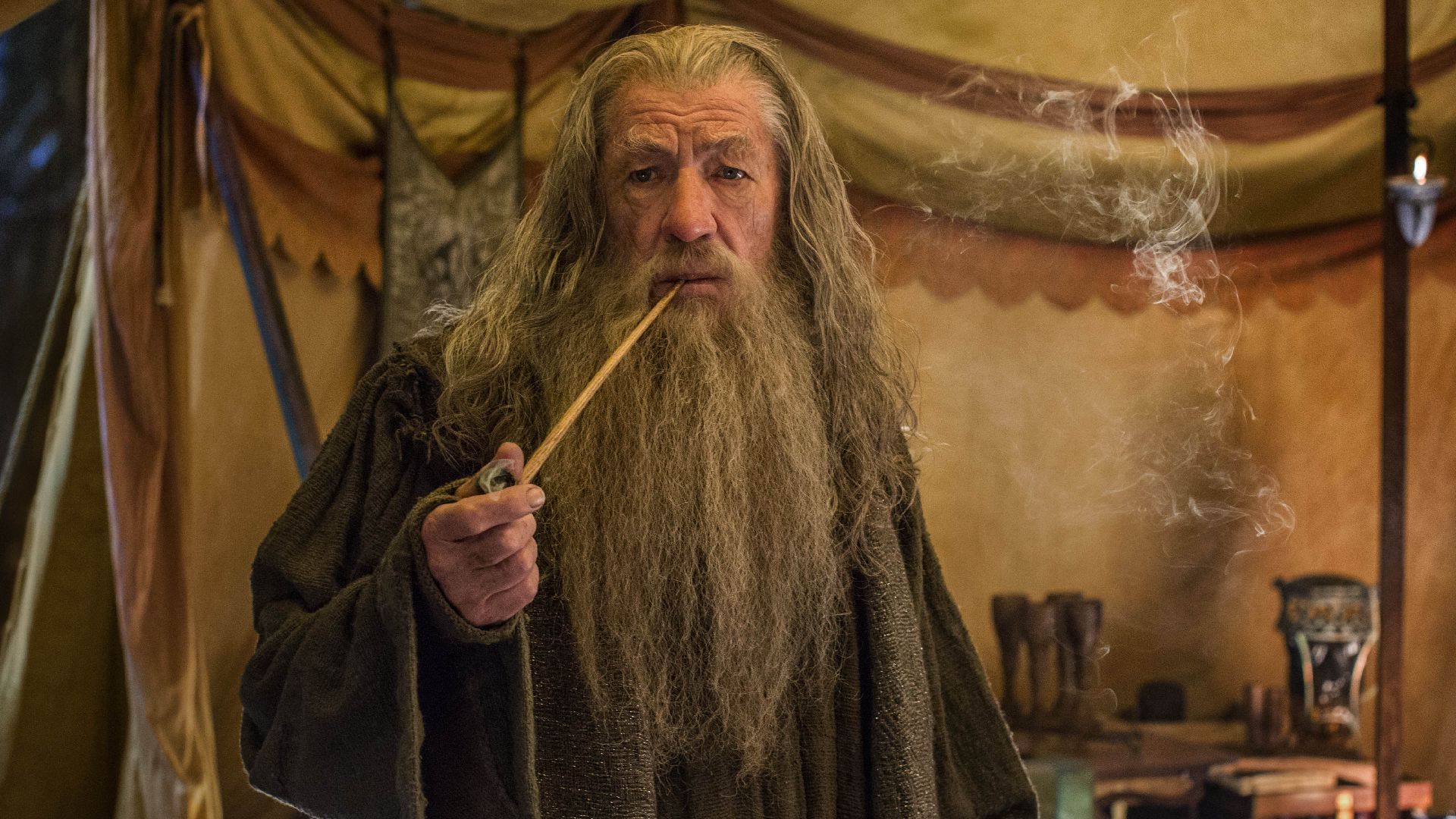
More than two decades after the original films finished, Peter Jackson’s The Lord of the Rings adaptations are still considered the best in fantasy cinema. While some changes were made from J.R.R. Tolkien’s books, and special effects have improved since the first movie came out, The Lord of the Rings remains a fantastic example of how to successfully adapt a book for the screen. From the perfect casting choices to the smart use of real sets and effects, and the beautiful music by Howard Shore, everything came together to make what many thought was an impossible project into a truly timeless film series.
Warner Bros. is returning to the world of Middle-earth after a long break. The first project will be Andy Serkis’ The Hunt for Gollum, a story that takes place early in The Fellowship of the Ring and includes characters like Gandalf, Frodo, and Aragorn. Following that, Stephen Colbert is creating Shadow of the Past, which will jump ahead in time after the events of the original trilogy, even though it’s based on a scene originally cut from Peter Jackson’s films.
The new projects need to prove to fans that it’s worthwhile to build on the world of Middle-earth. It’s a big challenge, especially considering that numerous Lord of the Rings releases since 2003 haven’t lived up to the quality of the original films.
No The Lord Of The Rings Adaptation Post-2003 Has Come Close To Matching The Original Trilogy
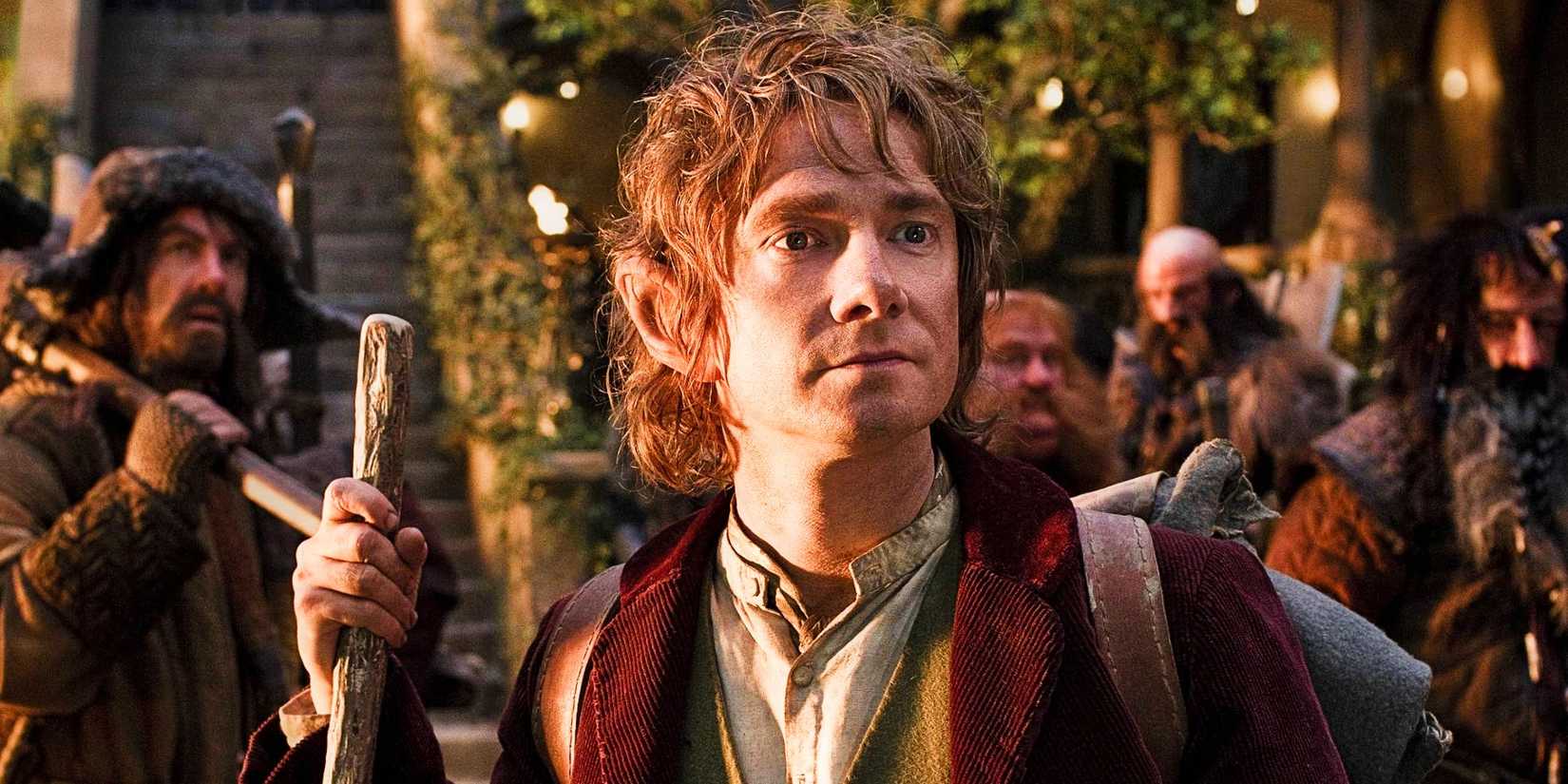
After the huge success of Peter Jackson’s The Lord of the Rings trilogy, a film adaptation of The Hobbit seemed certain to follow, and eventually it did. The Hobbit had source material just as well-regarded as The Lord of the Rings, and the established world-building from the previous films made a successful adaptation very likely. However, despite having all the right ingredients, things didn’t quite go as planned.
When Guillermo del Toro left the director’s chair, the future of The Hobbit films became unclear. Turning the story into three movies stretched it too thin. The choice to film in 48 frames per second and rely heavily on computer-generated effects changed the atmosphere of Middle-earth, much to the dismay of actor Sir Ian McKellen. While the Hobbit films aren’t necessarily bad, they don’t capture the same sense of wonder as The Lord of the Rings trilogy.
Then came Amazon’s The Lord of the Rings: The Rings of Power, which takes place thousands of years before the events of The Hobbit and The Lord of the Rings. The show has predictably sparked a lot of debate, as it takes more liberties with Tolkien’s original stories than Peter Jackson’s films did, and also tries to adapt the world of Middle-earth for modern streaming audiences.
The show is a bit of a mixed bag. The Rings of Power looks stunning and has some emotionally powerful moments, but it also makes some creative decisions that make you wonder if Amazon should have just created a brand new fantasy series instead. The way the show portrays the relationship between Sauron and Celebrimbor is particularly strong, taking a brief outline from Tolkien and expanding it into a tragic and compelling story. However, the romantic storyline involving Galadriel, Sauron, and Elrond feels more like something you’d find in online fan fiction rather than a high-quality adaptation of Tolkien’s world.
While visually striking and featuring a talented voice cast, The Lord of the Rings: The War of the Rohirrim didn’t quite live up to the standard set by Peter Jackson’s films. Like The Hobbit, the movie tried to stretch a relatively small part of Tolkien’s writings—the history of Rohan—into a full-length feature, and the result felt thin and lacked the depth of the original stories.
How The Lord Of The Rings: The Hunt For Gollum Can Break The Streak
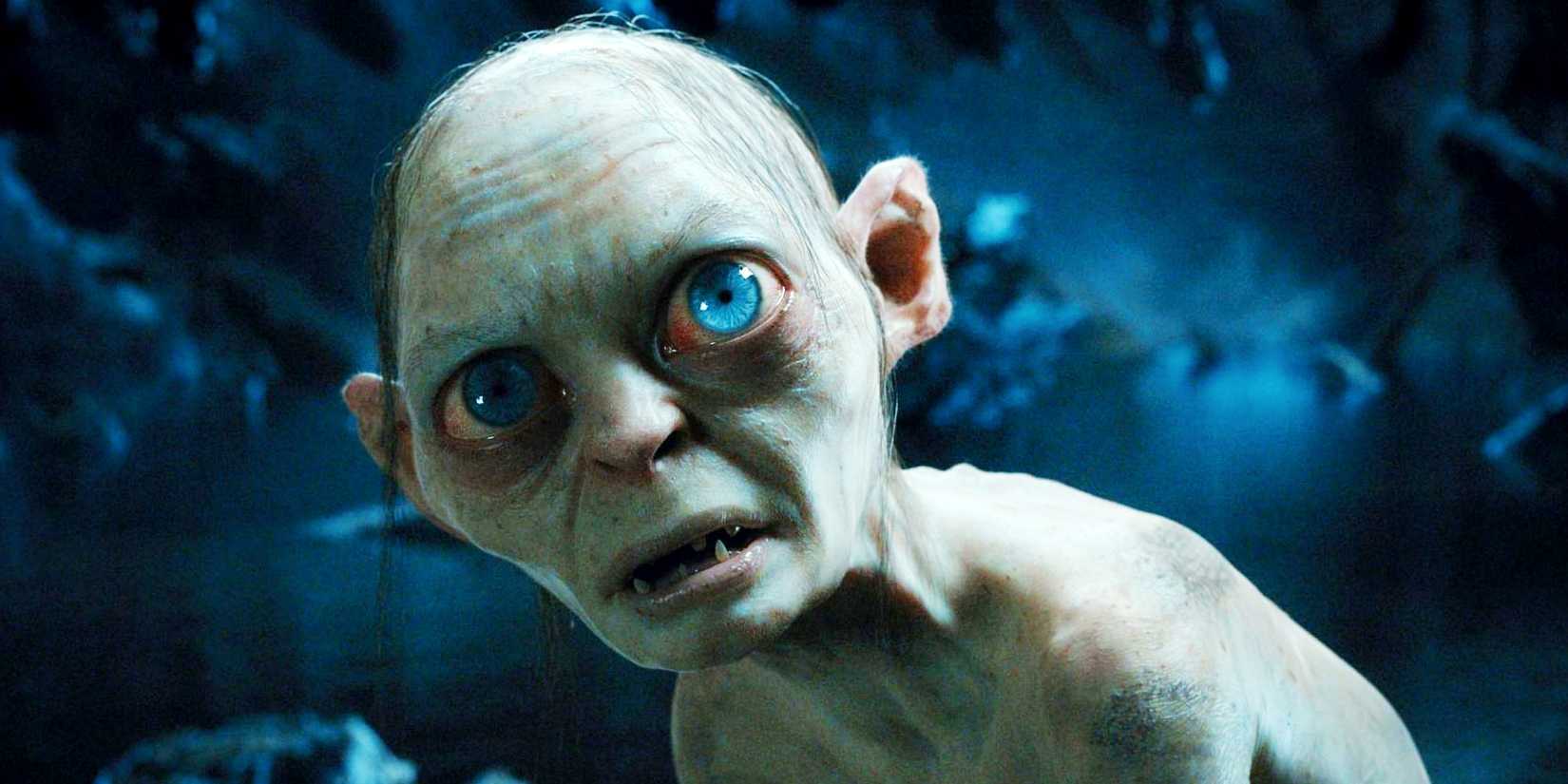
Following the success of Peter Jackson’s Lord of the Rings films, The Hunt for Gollum has the best potential to be both well-received by critics and a box office hit, much like The Hobbit trilogy. However, viewers will likely be hoping for the immersive, grand feel of the original Lord of the Rings movies, rather than the more artificial and digitally-focused experience of The Hobbit.
Creating The Hunt for Gollum will be a delicate balancing act, given its reliance on motion capture and advanced technology. It’s incredibly important to seamlessly combine a digital Gollum with traditional filmmaking techniques – something that could be key to winning over fans who weren’t fully satisfied with The Hobbit films. While few expect it to reach the epic scale of Peter Jackson’s The Lord of the Rings, a successful continuation needs to feel worthy of the original trilogy, and that means avoiding an overreliance on special effects.
How the story is told will also be crucial. Similar to The Hobbit and The War of the Rohirrim, the original story The Hunt for Gollum is based on is quite small in scope compared to the planned movie. While director Serkis is right to believe Gollum is a complex and interesting character with a lot to offer, setting the story at a very specific point in the Third Age could make the stakes feel lower, or cause the movie to lose steam as this small part of Tolkien’s world tries to live up to the expectations of a big-budget blockbuster.
There’s good reason to hope that The Hunt for Gollum will be a better adaptation than recent Lord of the Rings projects, which haven’t lived up to Peter Jackson’s original trilogy. However, the stakes are high. Past attempts since 2003 have shown that the Lord of the Rings name alone doesn’t guarantee success, and many viewers are starting to doubt anything can recapture the magic of the early films with Elijah Wood and the original cast. Some also question whether it’s artistically valuable to stretch smaller parts of the story into large-scale productions, or if it’s simply a way to benefit from the current trend of interconnected movie universes.
One way or another, The Lord of the Rings: The Hunt for Gollum will help to answer those questions.
Read More
- United Airlines can now kick passengers off flights and ban them for not using headphones
- Crimson Desert: Disconnected Truth Puzzle Guide
- The Boys Season 5 Spoilers: Every Major Character Death If the Show Follows the Comics
- All 9 Coalition Heroes In Invincible Season 4 & Their Powers
- Mewgenics vinyl limited editions now available to pre-order
- Invincible Season 4 Episode 6 Release Date, Time, Where to Watch
- Grok’s ‘Ask’ feature no longer free as X moves it behind paywall
- Assassin’s Creed Shadows will get upgraded PSSR support on PS5 Pro with Title Update 1.1.9 launching April 7
- Solo Leveling’s New Manhwa Chapter Revives a Forgotten LGBTQ Story After 2 Years
- Grey’s Anatomy Season 23 Confirmed for 2026-2027 Broadcast Season
2026-04-10 21:19