Romania today is a country struggling with rising nationalism, prejudice, and unfairness. In the city of Cluj, a woman named Orsolya, who works as a bailiff, is having a heated argument with her mother. She vehemently criticizes Hungarian president Viktor Orbán, calling him a disgrace. Interestingly, as she speaks, a news report on TV shows what appears to be a cockroach crawling on the wall – a detail left open to interpretation. This scene sets the tone for director Radu Jude’s latest film, Kontinental ’25, a sharp and critical satire that exposes the deep-seated issues within his native country. The film is filled with such moments of tension and despair, culminating in a bitter exchange where Orsolya’s mother insults her as they part ways.
Jude isn’t one to simply dwell on the problems of his country. He’s a playful and inventive filmmaker, constantly working on new projects. His films, like the darkly comedic Do Not Expect Too Much from the End of the World, cleverly address important issues with a mischievous sense of humor that masks a genuine frustration. While Kontinental ’25 continues his tradition of sharp social commentary, it’s different from his earlier comedies, which relied on bold experimentation. This new film was shot entirely on an iPhone, often featuring two characters in long, unbroken conversations that openly discuss Romania’s challenges. The iPhone’s low-quality look is noticeable, but it also highlights how quickly Jude can transform his immediate anger into a finished film, giving viewers a raw and unfiltered look at his perspective.
In his film, Jude takes a small incident and expands it to reflect broader issues facing Romania, issues that resonate universally. The story begins with Orsolya (Eszter Tompa), a bailiff, attempting to evict a homeless man (Gabriel Spahiu, known from the film The Death of Mr. Lazarescu) from a building slated for renovation. When she returns to complete the eviction, she discovers he has taken his own life. Through skillful storytelling, Jude quickly establishes the country’s homelessness crisis and the impact of tourism and gentrification. Though Orsolya believes she isn’t legally responsible for the man’s death, her overwhelming guilt leads her to confront even more of Romania’s challenges.
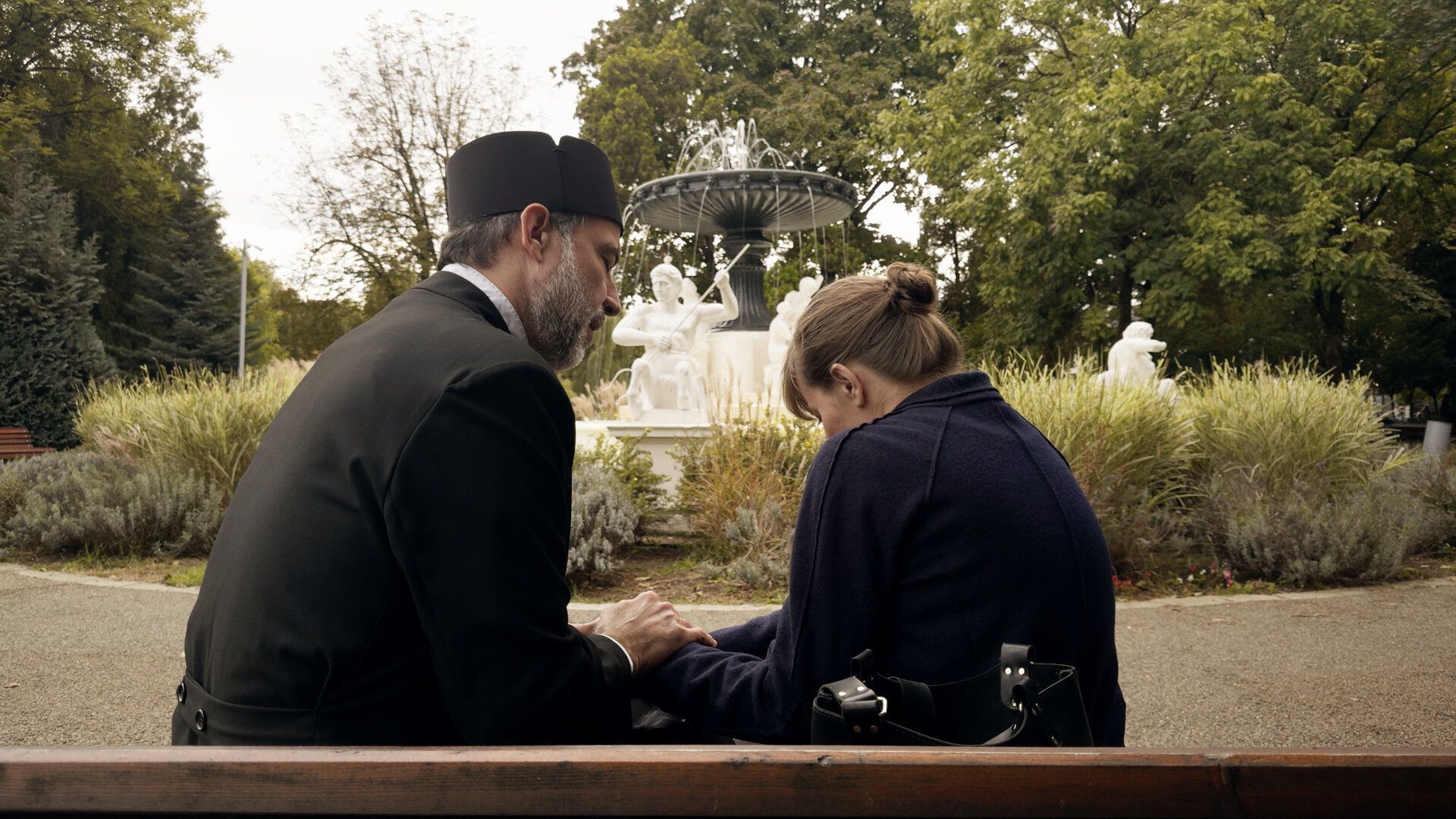
I was really struck by how Jude took Orsolya’s deeply personal story and turned it into something much bigger – a sharp, funny, and unsettling commentary on the world we live in. It’s heartbreaking to watch her, after being left behind while her family goes on vacation, desperately trying to share what happened, but everyone around her just offers empty sympathy. Her boss makes this incredibly insensitive comparison to Schindler’s List, and her friend just pushes her to donate to charity as if that will fix things. Even the priest can only offer tired, meaningless clichés. It really hits home what Jude seems to be saying: Romania, and maybe society in general, just doesn’t know how to handle someone who genuinely feels guilt or takes responsibility, even when they’ve done the right thing. It’s a powerful, uncomfortable film.
Cinetic Media
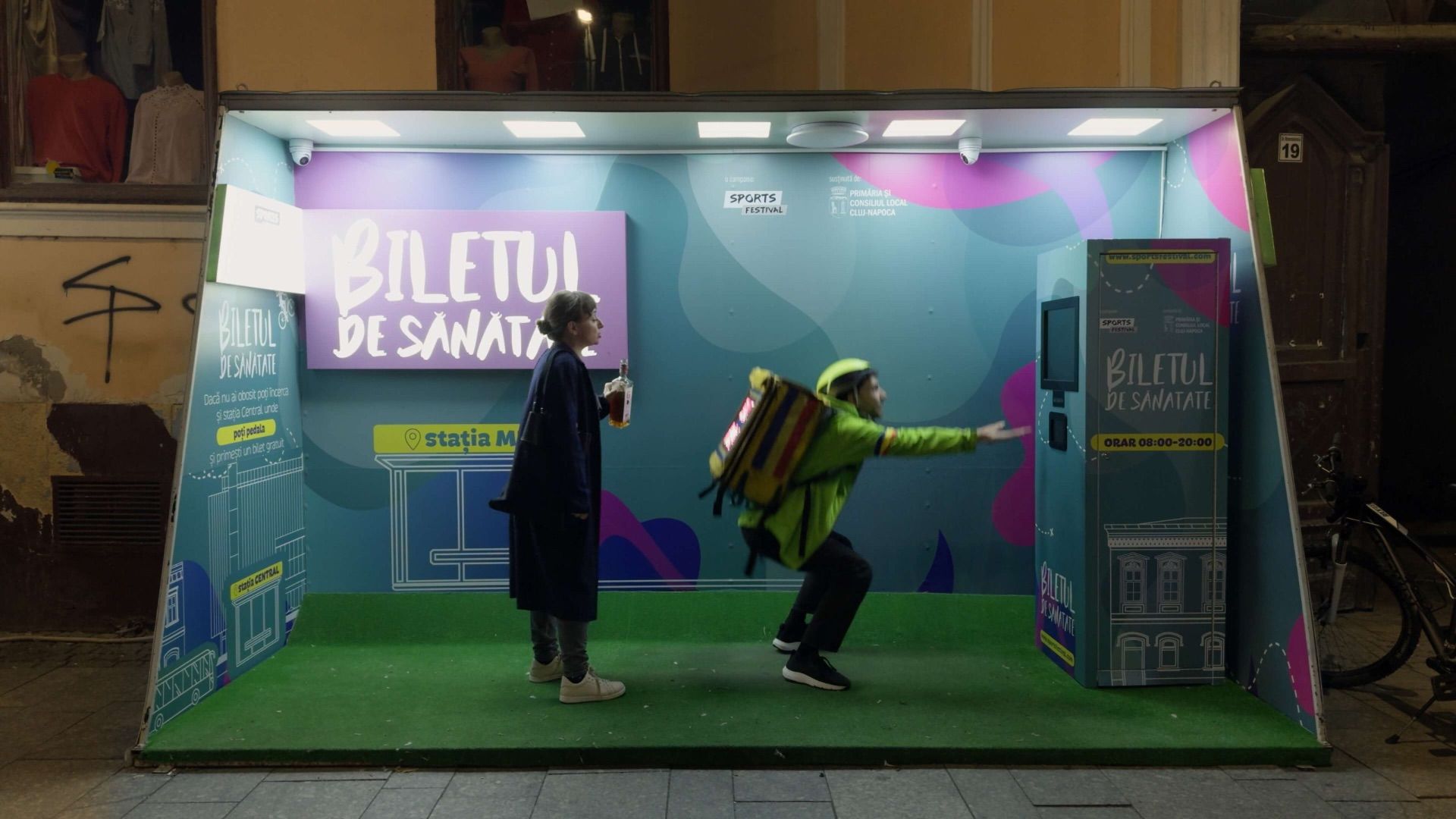
Despite being given traits that seem to mirror the people she’s investigating, Orsolya remains a believable character, largely thanks to Tompa’s nuanced performance – she avoids overacting or making obvious points. Originally from Hungary, Orsolya is a former law professor now working as a bailiff, a job that ironically contributes to the issues she’s trying to resolve. Romanian media often portrays her actions negatively, using harsh terms like “cruel” and “ghastly,” reflecting the country’s anti-Hungarian feelings. This prejudice also extends to foreigners in general, as seen with Fred, a former student of Orsolya who now delivers food. He’s added “I Am Romanian” to his backpack to protect himself from drivers who might target him because he’s perceived as an outsider.
Cinetic Media
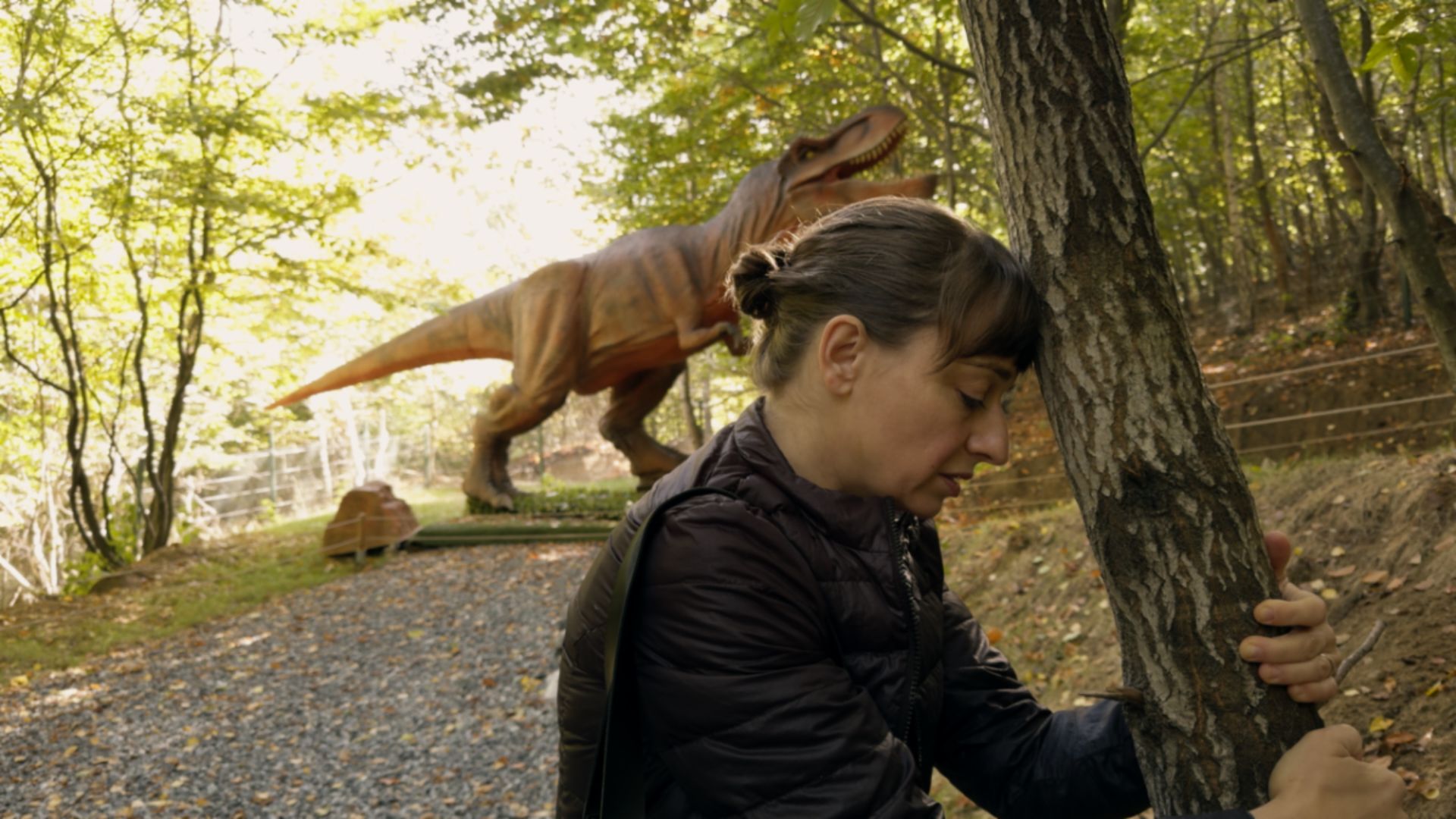
Jude’s latest film, Kontinental ’25, surprisingly shows he doesn’t need shocking imagery, like in his previous work Bad Luck Banging or Loony Porn (which remains his most widely seen film in North America), to demonstrate his insightful and cynical view of the world. He creates powerful moments through both surreal scenes – such as a woman reciting the Lord’s Prayer in a dinosaur park – and heartbreaking ones, like a Russian soldier choosing a grim fate to avoid capture. Ultimately, the film suggests that none of this matters, as the wealthy always succeed, a point driven home by a final sequence showing luxurious homes being built.
Read More
- United Airlines can now kick passengers off flights and ban them for not using headphones
- Gold Rate Forecast
- How to Solve the Glenbright Manor Puzzle in Crimson Desert
- All Golden Ball Locations in Yakuza Kiwami 3 & Dark Ties
- How to Get to the Undercoast in Esoteric Ebb
- 8 Actors Who Could Play Blackbeard In One Piece Live-Action Season 3
- How to Complete Bloom of Tranquility Challenge in Infinity Nikki
- $2B AI cow collars use “cowgorithm” to herd cattle with no fences
- Is Wuthering Heights a romance? Update on Margot Robbie movie controversy
- Blind Tekken 8 player reaches one of the game’s highest ranks after two years of grinding
2026-03-24 23:48