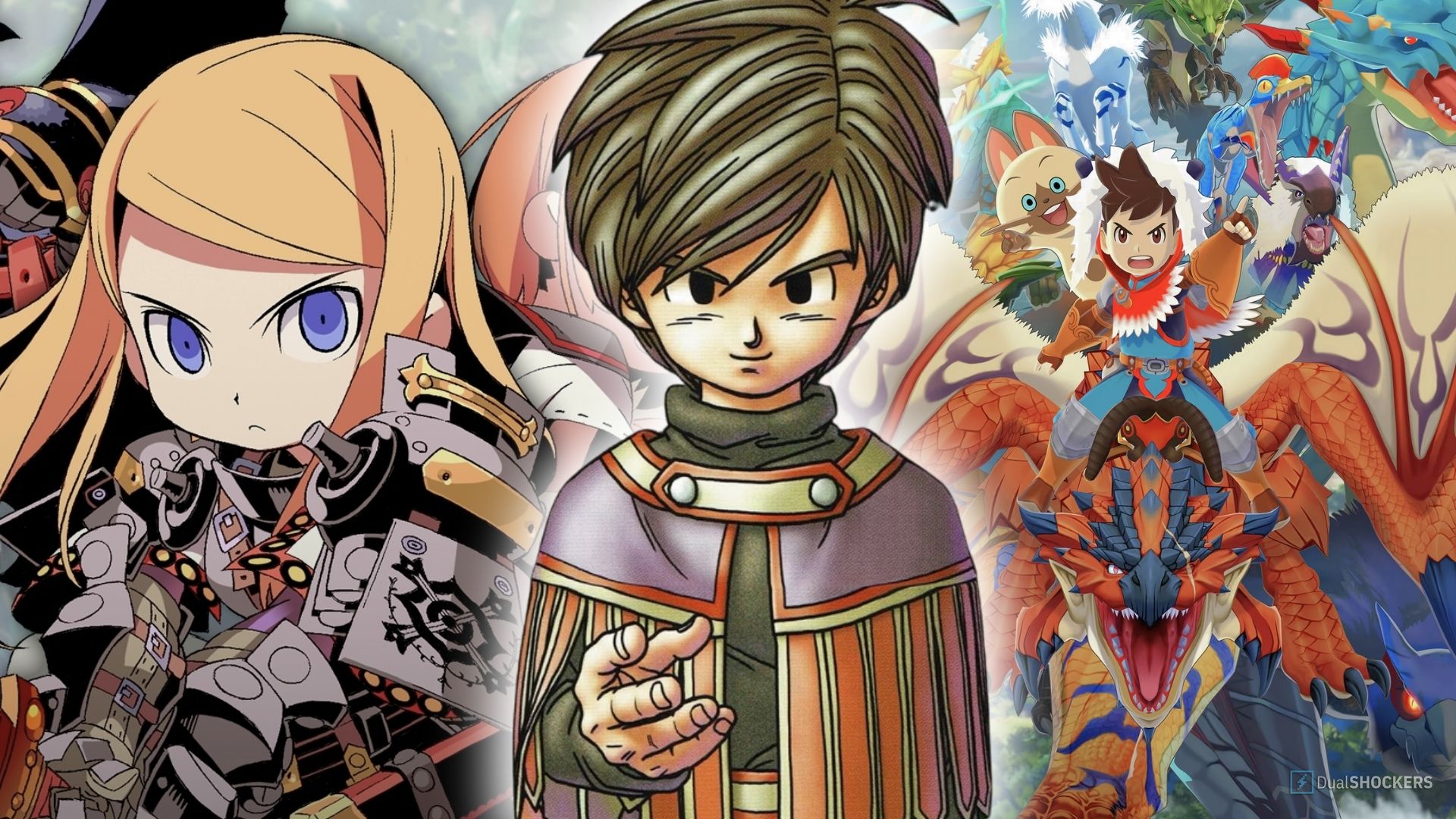
A key feature of Japanese Role-Playing Games (JRPGs) is having a set group of characters you play as. Players typically don’t have much control over the story’s ending and often watch the characters’ journeys unfold. This means the core gameplay focuses on things like character development, leveling up, and exploring the game world.
Sometimes, a Japanese role-playing game (JRPG) lets you build your character from the ground up, using the game’s creation tools. The main story isn’t changed by this – it still follows a set path – but it allows you to design a hero who reflects your own preferences.
Even in some Japanese role-playing games where you create a silent, customizable character who doesn’t say much during story scenes, that character is still crucial to how the story ends. I want to highlight a few of these games where, despite having a character you define yourself, the narratives are still strong and make sense.
8. Etrian Odyssey
Create a Whole Party from Scratch
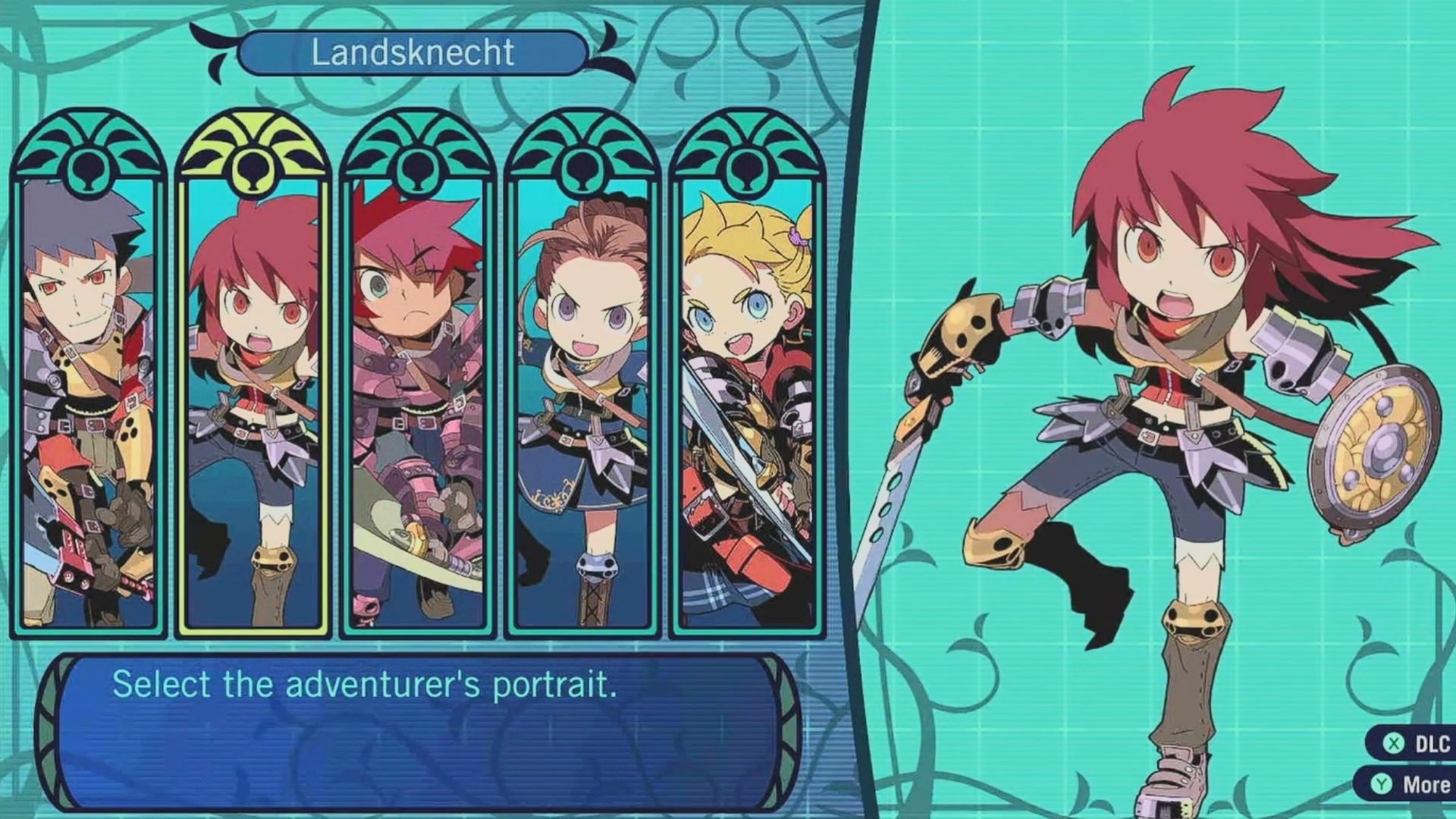
If you’re looking for a Japanese RPG (JRPG) that lets you build an entire team of adventurers, not just the main character, then Etrian Odyssey is a great choice. It’s often considered the closest thing to the classic Japanese RPG Wizardry. I’ll be using the recently released Etrian Odyssey 1 HD Remaster to explain why.
When you begin Etrian Odyssey 1 HD Remaster, you’ll first create a guild and then add adventurers to it. You select a class and appearance for each adventurer, give them a name, and they’re ready to go. While the character creation isn’t overly complex, the game allows you to easily rebuild and change your party whenever you like.
A big part of what makes Etrian Odyssey so popular is its focus on gameplay. Players love experimenting with different character classes, trying out new team setups, and thoroughly exploring the dungeons. It really appeals to those who enjoy a challenge and discovery more than a story-driven experience, and especially to players who want the true challenge of mapping everything by hand!
7. Final Fantasy Crystal Chronicles
Square Returns to Nintendo
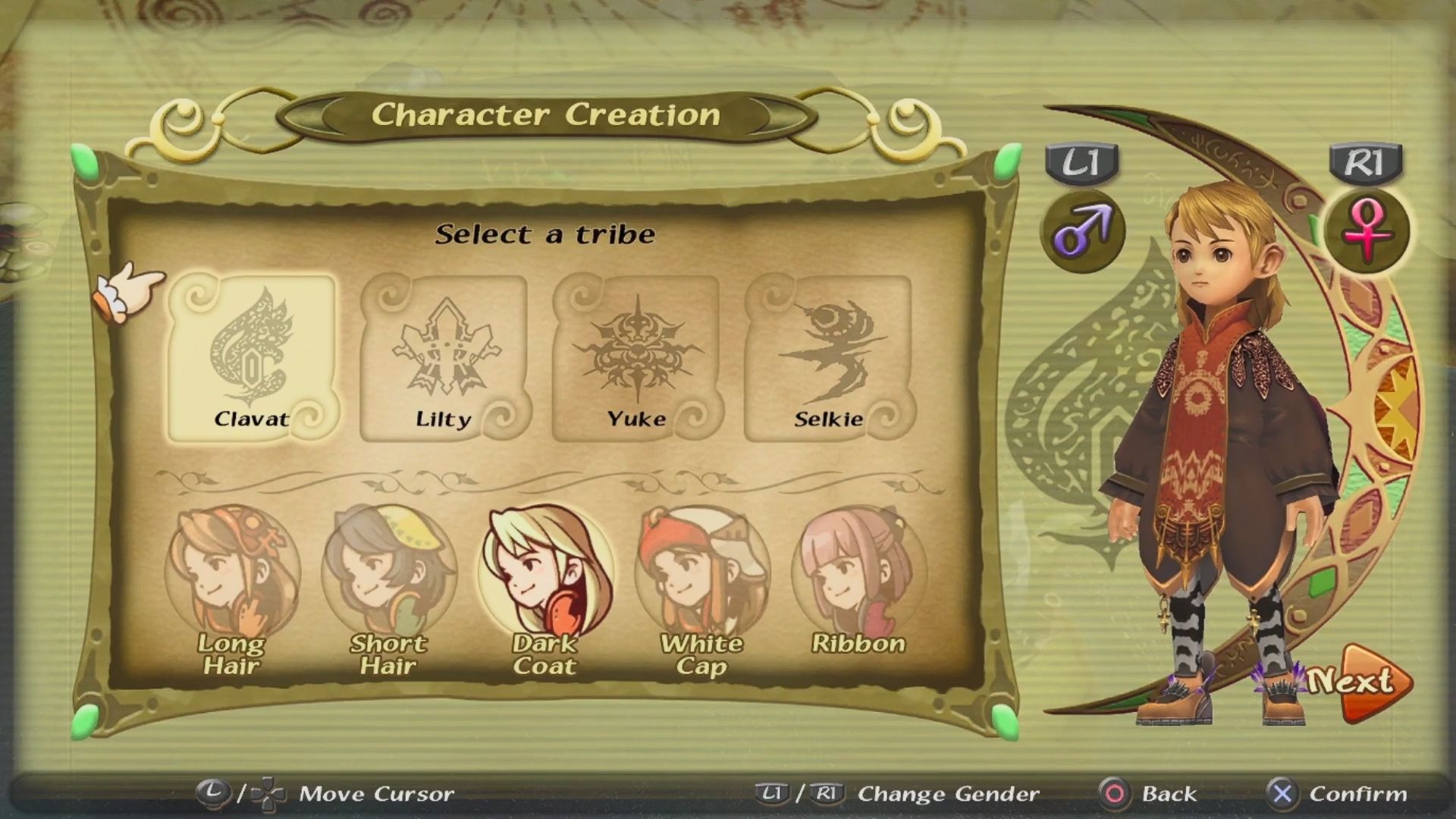
Square Enix agreed to create a new Final Fantasy game specifically for Nintendo consoles in order to bring their games back to the platform. This led to the development of Final Fantasy Crystal Chronicles. While the game builds upon the familiar lore of classic Final Fantasy titles, it features a unique world, new character types, and a different way to play.
The game begins with creating a character – you select from four races and choose a hairstyle. Shortly after, you’re thrown into a world covered in a dangerous fog called miasma, and you quickly learn how to navigate it. This navigation is actually key to how the game is played. You’ll spend your time fighting enemies and exploring, all while carrying a special container that shields you from the miasma’s harmful effects.
What makes Crystal Chronicles really stand out is its multiplayer mode. It makes both fighting enemies and protecting each other from the miasma much more fun. The game also has cool features like combining magic spells, which are especially effective when playing with others. This isn’t a huge, complex Final Fantasy game – it’s meant to be a lighthearted and enjoyable experience.
6. Monster Hunter Stories
Riding into the Wild
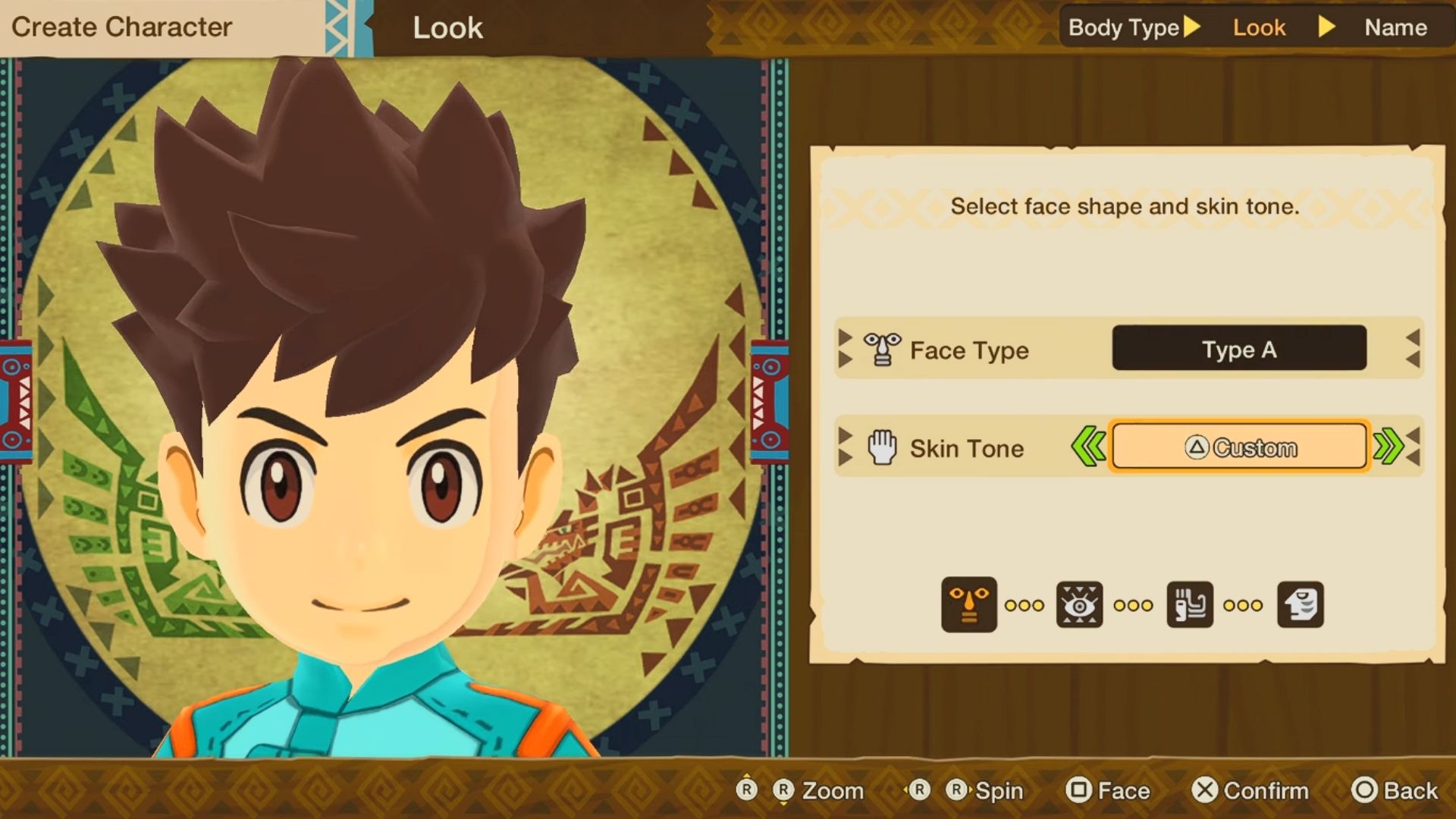
While the Monster Hunter series lets you create your own character, I enjoy Monster Hunter Stories more because it feels like a classic Japanese role-playing game. You play as a Rider who discovers a Rathalos egg, and when it hatches, the baby monster forms a strong bond with you – almost like a pet. Throughout the game, and through some challenging events, that bond between humans and monsters really grows.
In Monster Hunter Stories, the main idea is to become friends with monsters – often by taking their eggs! You then use these monster companions to go on adventures and fight battles. Combat is based on a simple system where different attack types are strong against some, but weak against others – kind of like rock-paper-scissors.
Fans will love seeing the world of Monster Hunter reimagined. Instead of just hunting monsters repeatedly, you now befriend and raise them, customizing each one as you go. The story itself is pretty classic for a Japanese role-playing game – it’s simple and focuses on telling a direct, uncomplicated tale.
5. Dragon Quest IX: Sentinels of the Starry Skies
A Novelty for the Franchise
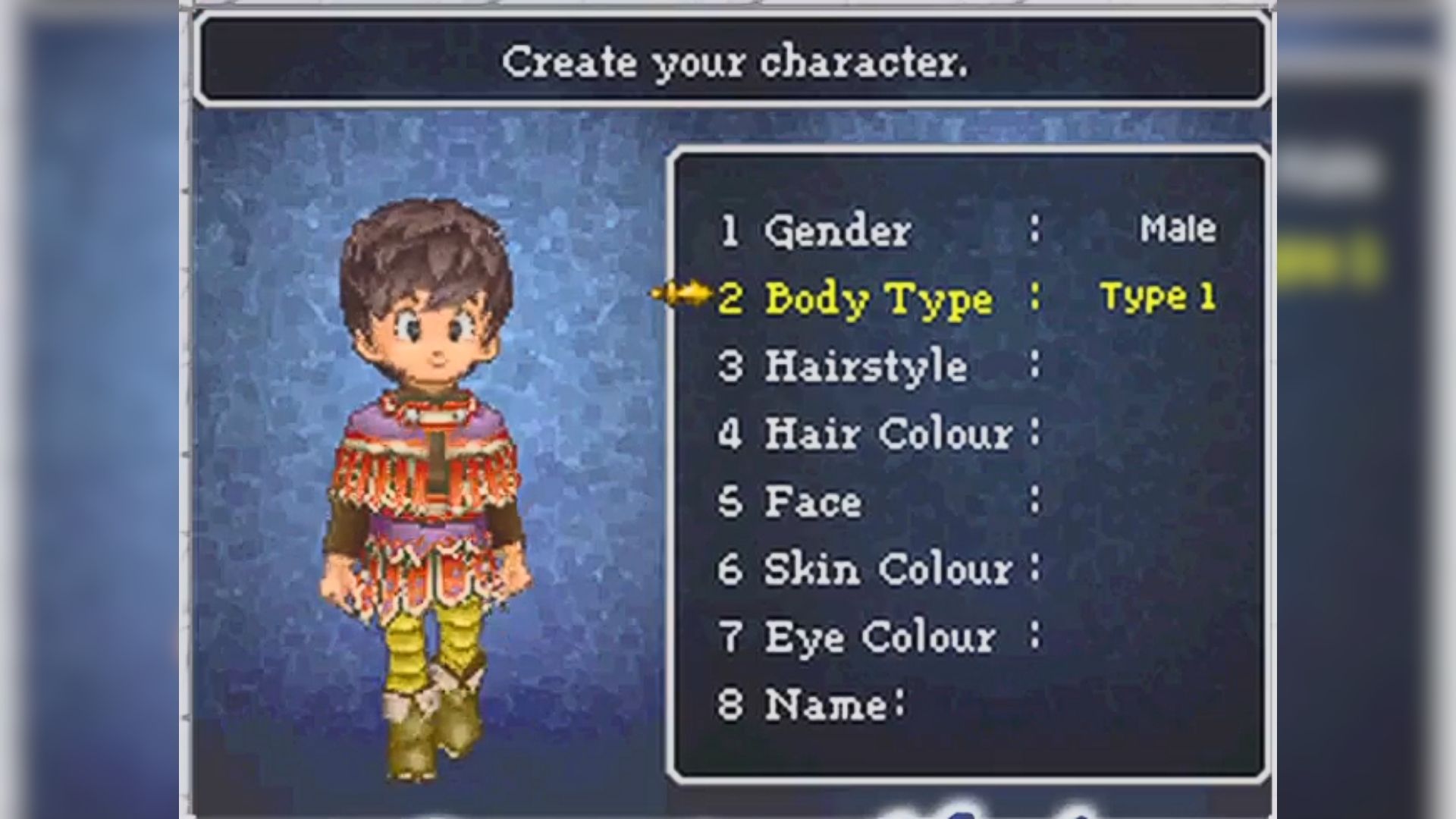
As a longtime RPG fan, I really appreciate how Dragon Quest has stuck to its roots while slowly adding new stuff. Dragon Quest IX let you create your own character, which was cool, but honestly, since we don’t really hear our character, it didn’t change the story much. What it did do, though, was make the new multiplayer feature way better – it was much more immersive playing with characters that felt like my creations.
Similar to the character creation in Dragon Quest III, we begin by building our party from the ground up. Then, we set out on a journey to help our hero regain their lost powers and save the world from a powerful evil.
One of the great things about creating your own character in Dragon Quest IX is the ability to play with friends. You can join a local multiplayer game and explore the host’s world together, even tackling your own separate battles. This was a fun feature that would later become a key part of the online multiplayer in Dragon Quest X.
4. Inazuma Eleven: Victory Road
A Generational Talent
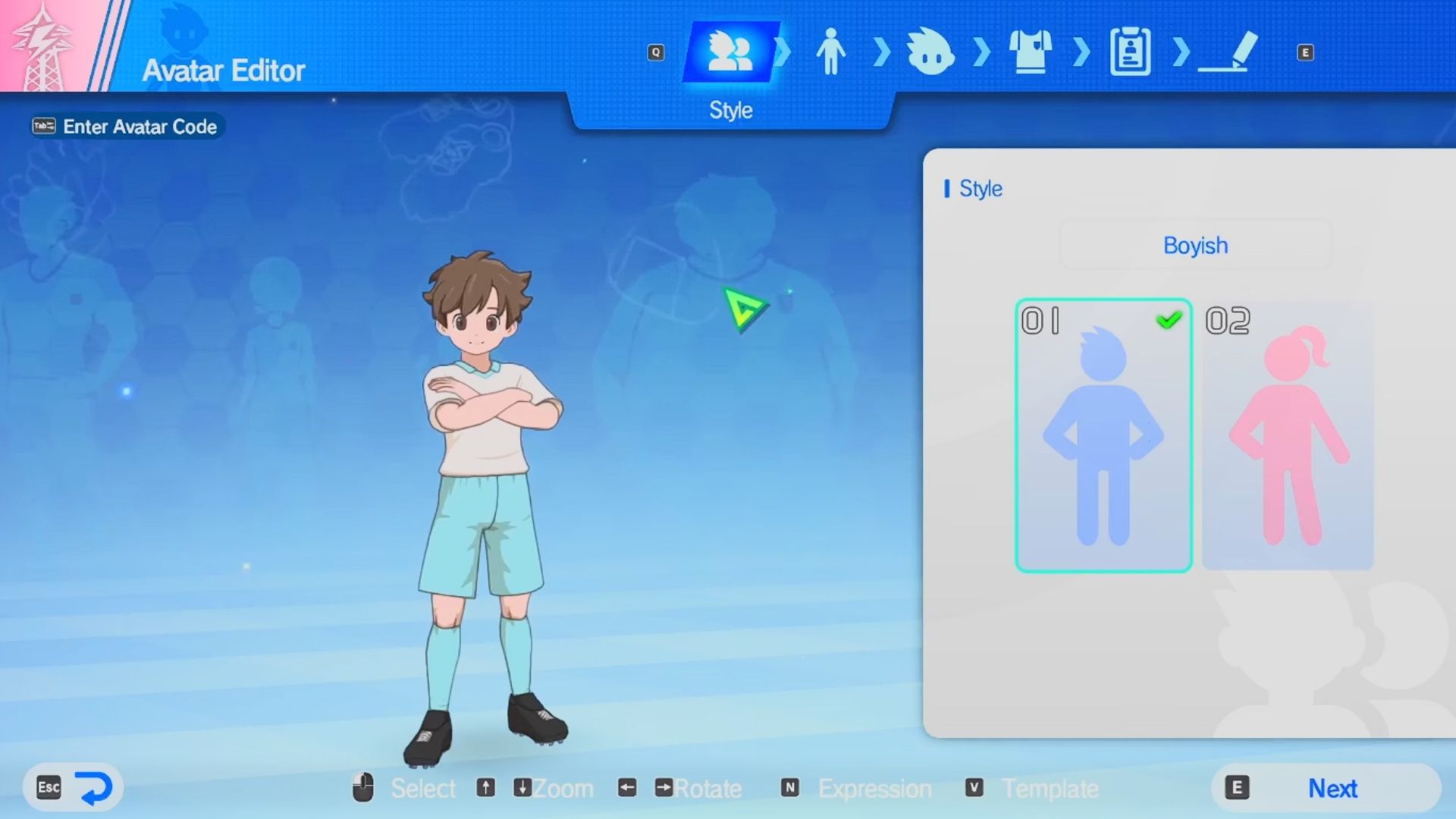
The recently released game, Inazuma Eleven: Victory Road, has been a surprising hit with JRPG fans – including me! It sold half a million copies in under a week and even had over 50,000 people playing it at the same time on Steam. That’s a great result for a role-playing game centered around soccer.
I admit, it feels a little strange talking about this, because in Inazuma Eleven: Victory Road, you do play as a fixed character in Story Mode. The game follows Destin Billows (known as Sasanami Unmei in Japan), a boy who isn’t skilled at football and decides to create his own team. And who gets to join that team? You! You play as a player you create yourself.
Destin takes care of daily tasks and simple challenges, but you’ll use your custom avatar for football games (once you finish a quest a bit later in the game). You can also use your avatar in all the other game modes. It might seem like Victory Road has everything except football at first, but it’s so full of fun content, you’ll quickly fall in love with it. Get ready for a game with tons to discover and plenty of surprises!
3. Fantasy Life i: The Girl Who Steals Time
Prepare to Immerse Yourself for Hundreds of Hours
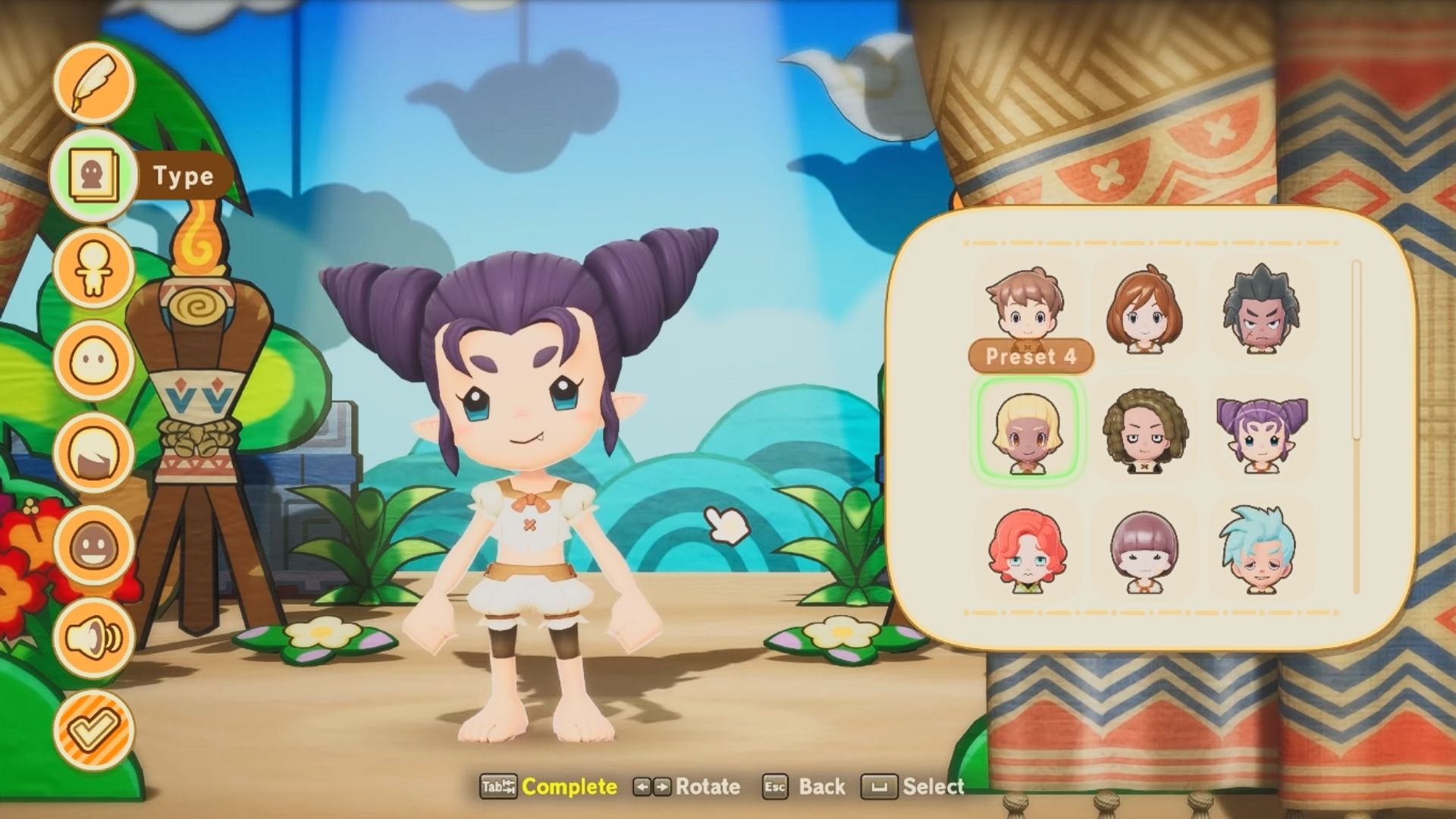
Level-5 stands out among JRPG developers because they often create original characters instead of using standard ones. Besides Inazuma Eleven, they also released Fantasy Life i: The Girl Who Steals Time that same year – a really charming and open-ended role-playing game.
The game begins with character creation, and soon you’ll discover a deserted island that you’re tasked with rebuilding. You’ll do this by switching between different ‘Lives’ – essentially, character classes – which you’ll be doing frequently. Gameplay involves a cycle of activities like battling monsters, gathering resources through mining and fishing, and completing daily quests, then starting all over again.
In Fantasy Life i: The Girl Who Steals Time, everything you do contributes to your progress, encouraging you to really dive into the game’s many systems. It’s easy to lose hours exploring the vast island, and you can customize it however you like, whether you’re playing by yourself or with up to three friends.
2. Code Vein
Most Important Player-Created Avatar
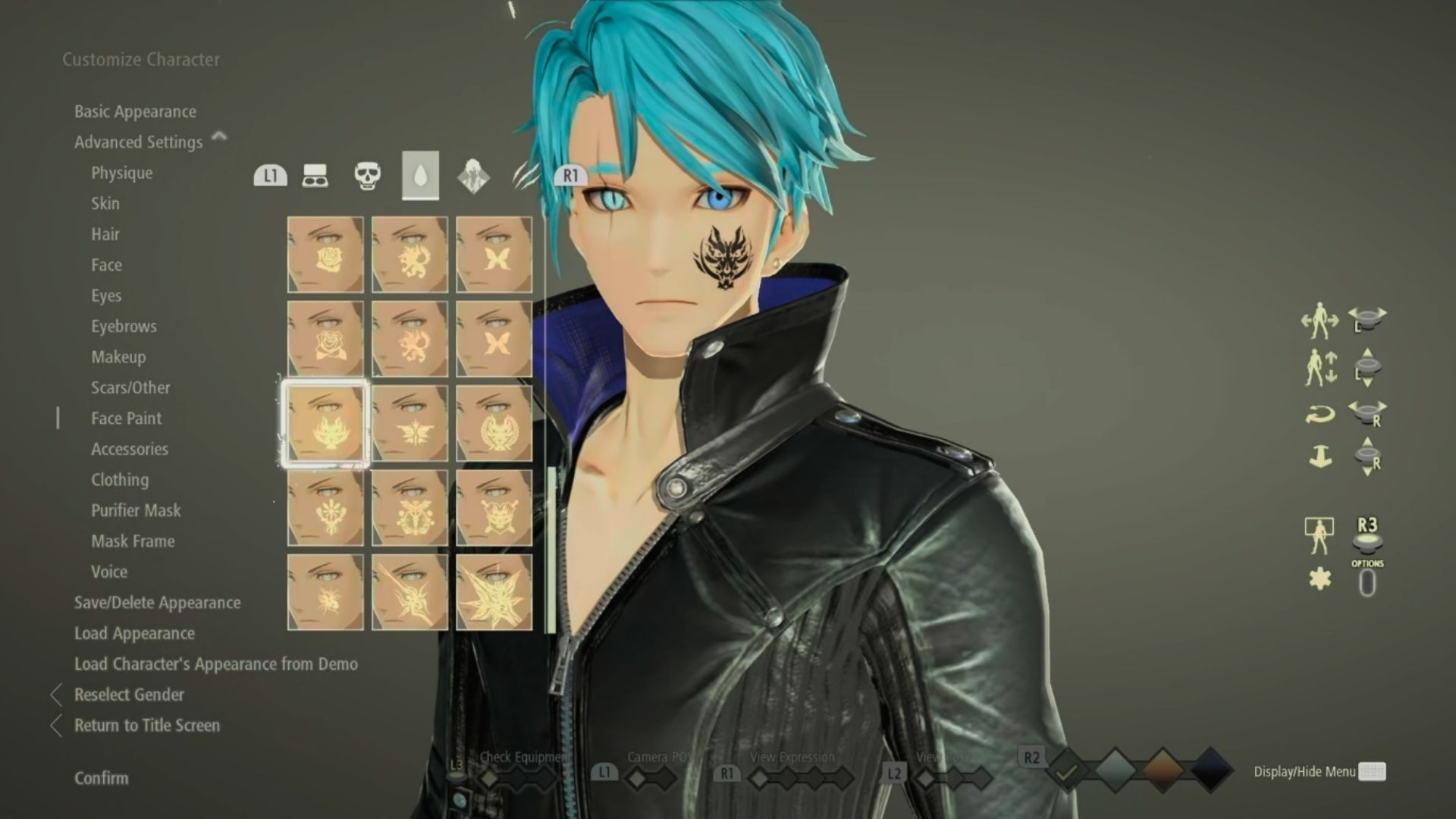
I generally don’t enjoy ‘Souls-like’ games, but I’m a big fan of Japanese Role-Playing Games, or JRPGs. When I saw Bandai Namco releasing a game that combined both genres, I was intrigued and ended up really enjoying it. Code Vein has the challenging combat you’d expect from a ‘Souls-like,’ but it’s presented with a story and style much more typical of a JRPG – meaning it actually has a detailed and engaging plot!
Subscribe for JRPG deep dives on player-created heroes
Similar to other games in the Souls-like genre, you start by creating your own character with a detailed customization system. Right away, you discover that although your character doesn’t speak and has a rather stoic expression, they’re central to the story – possibly the most important character of all.
What makes Code Vein unique isn’t just compared to other JRPGs with customizable characters, but to the entire Soulslike genre: our choices actually impact the main story. While the gameplay might not be as polished as newer Soulslike games, that’s a good reason to be excited for Code Vein II, which promises to be even better and compete with the latest releases.
1. Xenoblade Chronicles X
World Explorer
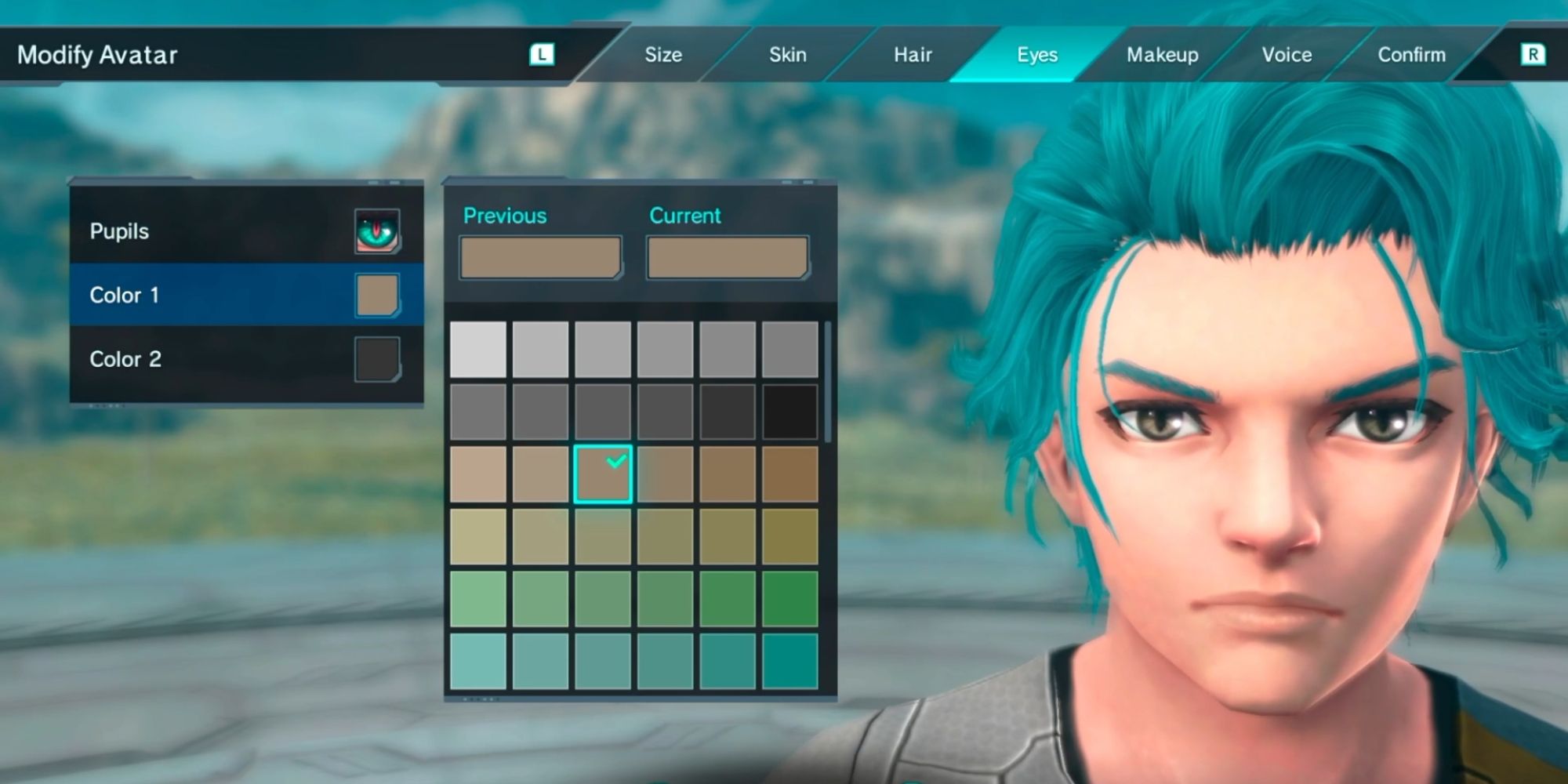
I started playing Xenoblade Chronicles X on my Wii U immediately after completing Xenoblade Chronicles: Definitive Edition. Because the game mechanics were similar, I quickly understood the combat system. However, the story was a big change – going from the engaging and talkative Shulk to a silent, customizable character felt jarring.
I never truly felt like the main character in Xenoblade Chronicles X; Elma always filled that role. I was happy simply exploring and helping to rebuild the world of Mira. It’s sometimes nice to just be a part of something bigger. However, the release of Xenoblade Chronicles X: Definitive Edition changed that feeling.
The latest story addition really made our character feel central to everything, and though the ending sparked a lot of debate, I personally liked it. It felt like a classic, emotional moment you’d expect from a Xenoblade game. Plus, if you’re a fan of the original ending, it’s still available. Alternatively, you can continue enjoying the game as before, exploring Mira and battling in your Skell without engaging with any of the new content in the Definitive Edition.
Read More
- United Airlines can now kick passengers off flights and ban them for not using headphones
- Crimson Desert: Disconnected Truth Puzzle Guide
- All 9 Coalition Heroes In Invincible Season 4 & Their Powers
- Grey’s Anatomy Season 23 Confirmed for 2026-2027 Broadcast Season
- Mewgenics vinyl limited editions now available to pre-order
- Viral Letterboxd keychain lets cinephiles show off their favorite movies on the go
- Does Mark survive Invincible vs Conquest 2? Comics reveal fate after S4E5
- How to Get to the Undercoast in Esoteric Ebb
- Assassin’s Creed Shadows will get upgraded PSSR support on PS5 Pro with Title Update 1.1.9 launching April 7
- All Golden Ball Locations in Yakuza Kiwami 3 & Dark Ties
2026-01-06 19:41