The shōnen genre is known for stories about the power of friendship and heroic characters with grand ambitions – like becoming a king or a leader. These protagonists often serve as moral examples for viewers. Chainsaw Man completely breaks from this tradition. Instead of a hero motivated by justice, we get Denji, a young man whose biggest goals are simple: enjoying toast with jam and finding a girlfriend. This offers a raw and original perspective, challenging the long-standing ‘Selfless Hero’ trope that has been popular since the 1980s.
The series excels because it deliberately avoids typical heroic tropes. By discarding the “Chosen One” narrative, author Tatsuki Fujimoto has created a world where death feels genuinely shocking and isn’t presented as a glorious sacrifice. No character is protected by a tragic past or a striking appearance. This rejection of traditional shonen conventions creates a constant sense of dread; even quiet moments feel ominous, like the calm before a violent storm.
The Most Ambitious Gamble of MAPPA.
A Cinematic Shift in Style
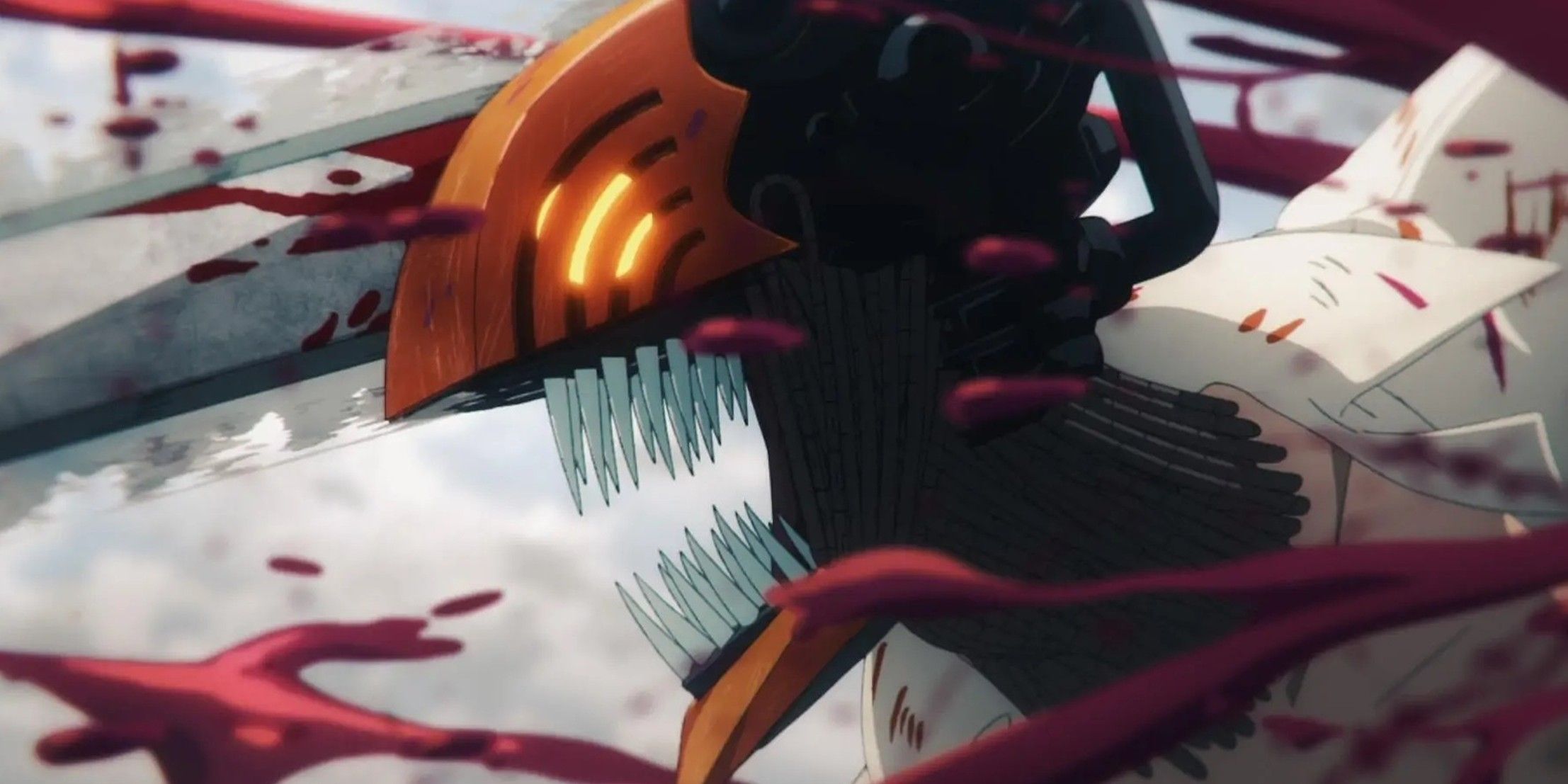
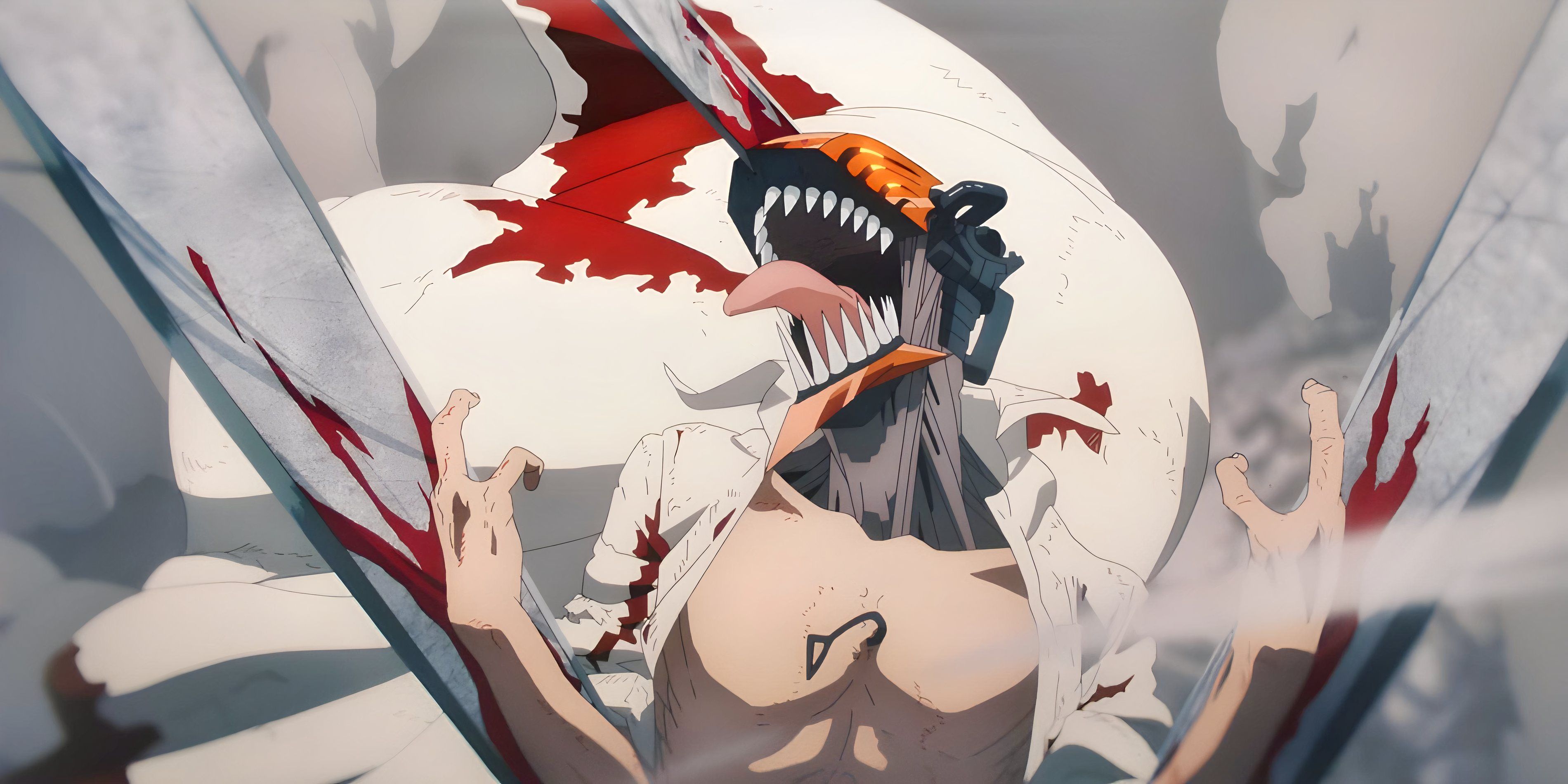

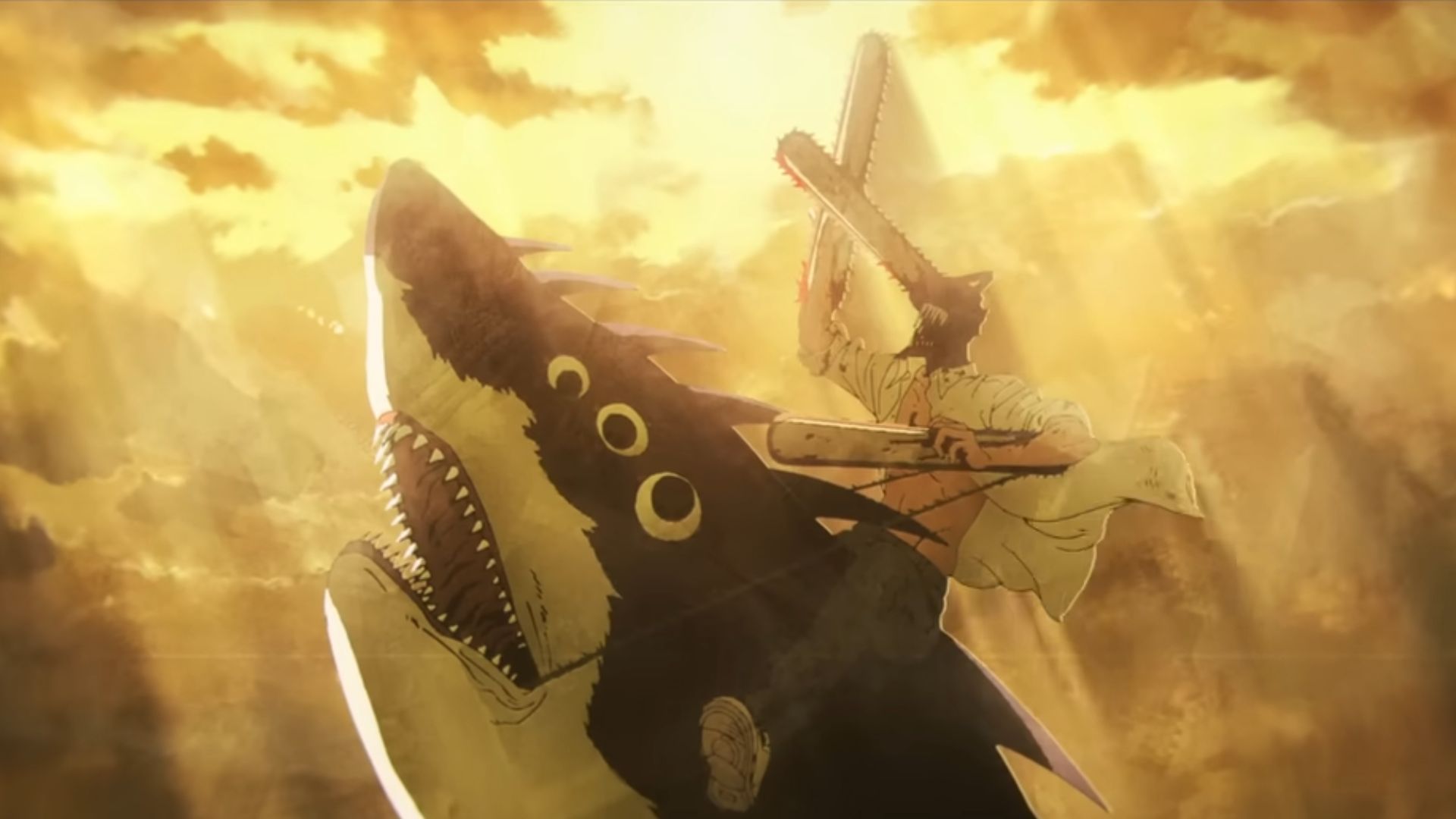
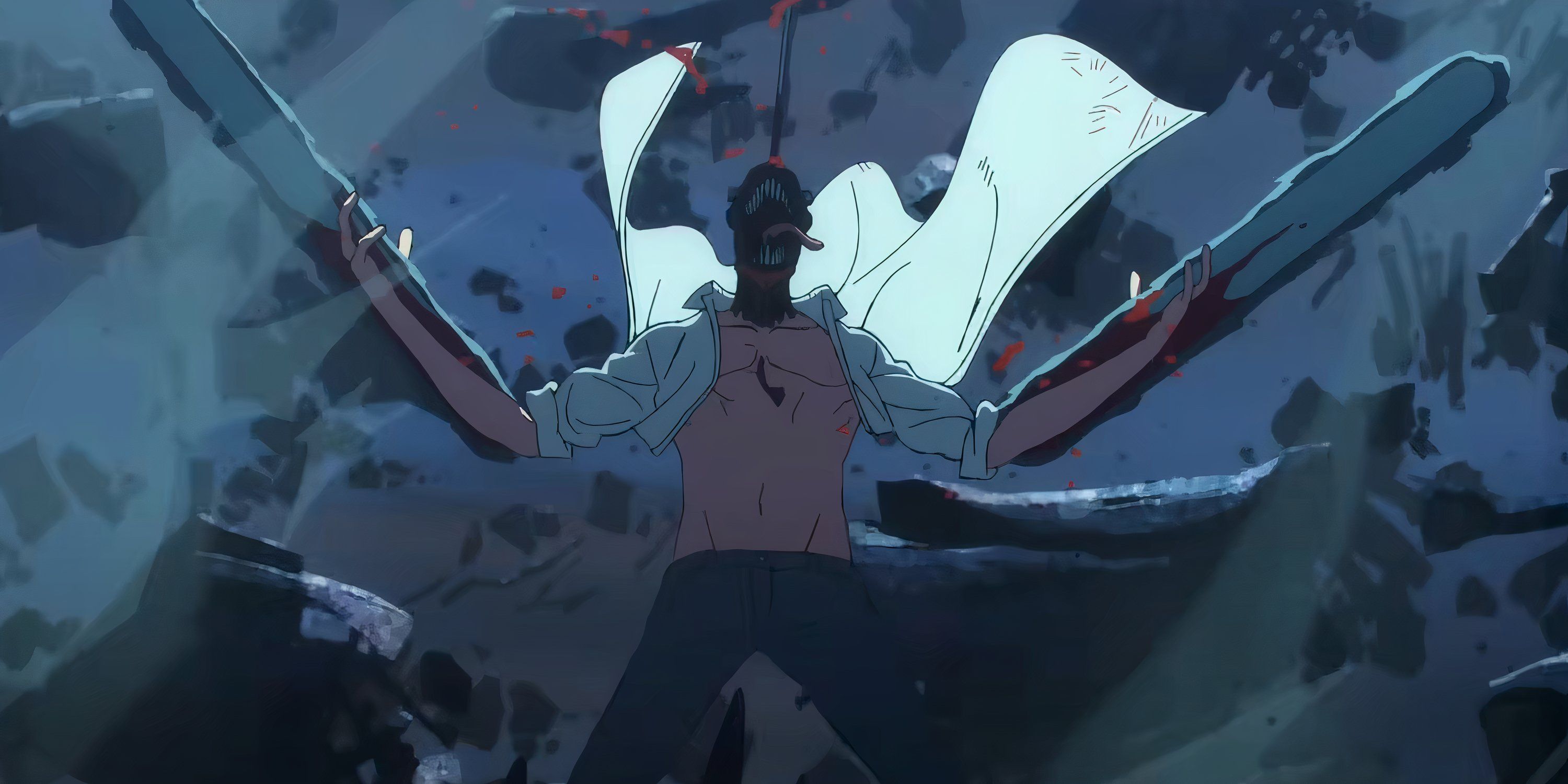
When Studio MAPPA announced they would animate Chainsaw Man, many Japanese fans anticipated a similar, fast-paced style to their hit series, Jujutsu Kaisen. However, director Ryu Nakayama aimed for something different: a cinematic experience akin to a live-action drama. This meant focusing on realistic lighting, detailed backgrounds, and a slower, more thoughtful rhythm. He envisioned showcasing the quiet moments in a character’s life with the same care and attention to detail as a Hollywood film.
Critics worldwide praised the show’s animation, giving it a remarkable 97% score on Rotten Tomatoes. The animation wasn’t limited to action sequences; it beautifully captured even the smallest details, like a character’s subtle expressions or the way light fell on objects. MAPPA treated the original material with exceptional care, going beyond typical weekend anime production. For Western audiences, the show represented a leap forward in mature animation, achieving a level of visual polish rarely seen in weekly action shows.
The Characters and the Story: A Found Family in Hell.
The Beauty of Dysfunction
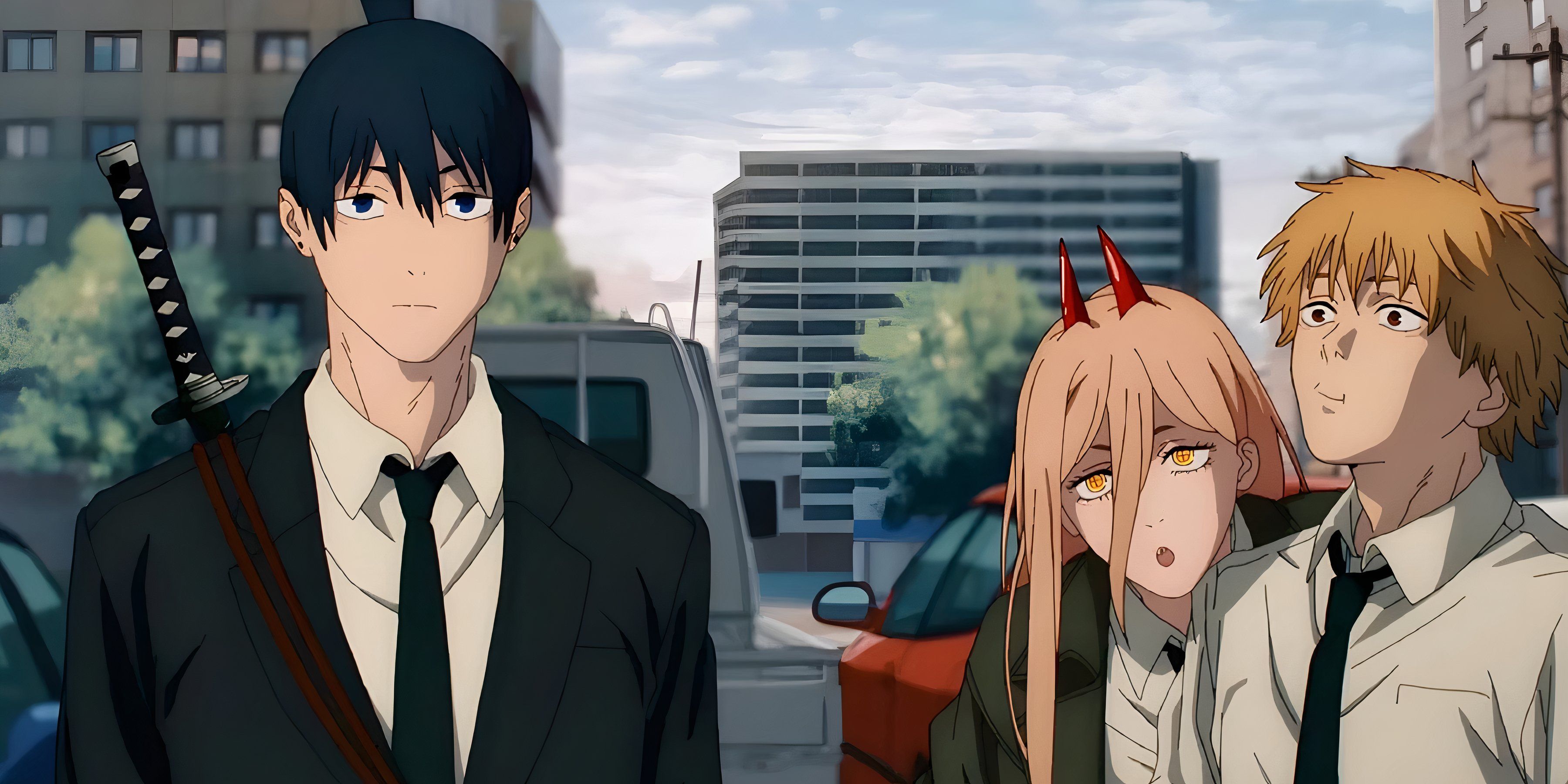
The plot initially seems simple: a boy named Denji merges with his dog, Pochita, who is also a chainsaw, and joins a government organization called the Public Safety Devil Hunters. But the real heart of the story lies in the unexpected family Denji builds with Aki, who’s driven by revenge, and Power, a chaotic demon. Unlike typical shōnen heroes who start as friends, these three are initially just coworkers, brought together by a system that sees them as expendable. Their bond forms through the everyday struggles of sharing a cramped apartment, eating simple meals, and fighting for their lives.
I see enemies as tools, not potential friends. I have no desire to be friendly with anyone I consider an opponent. – Aki Hayakawa
What makes these characters stand out is their lack of traditional heroic qualities. Denji isn’t trying to save the world – he’s just focused on getting by while being manipulated by the enigmatic Makima. Power is self-centered and dishonest. And Aki is a deeply flawed character who realizes his quest for revenge is destroying him. They’re all just ordinary people stuck in a hopeless situation. What’s compelling is how power shifts and how we see that the humans pulling the strings are often more terrifying than the devils they’re fighting.
The Backlash: Why Japanese Fans Hated the “Rules” Being Broken
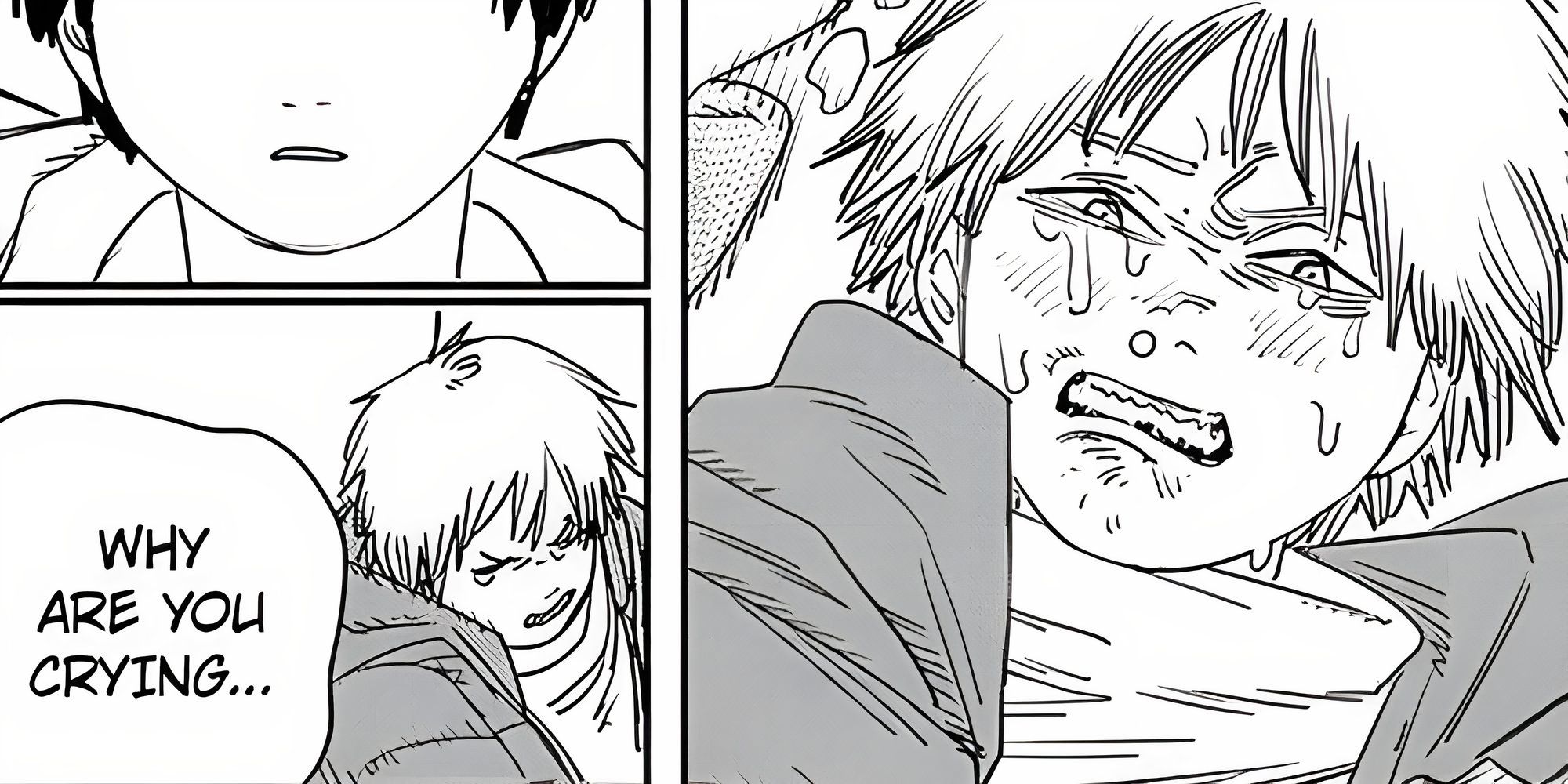
Despite receiving positive reviews internationally, the anime faced strong criticism from many Japanese fans. They even started a petition for a remake with a new director, feeling the anime was too grounded in reality and lacked the stylistic animation common in the original manga. A key issue for fans was the portrayal of characters leading relatively normal lives, even while working as Devil Hunters. Specifically, some questioned how a character like Aki could maintain a daily routine, like drinking coffee, after experiencing such a traumatic childhood. Fans felt it was unrealistic to portray normalcy after such significant trauma, arguing that trauma doesn’t simply disappear.
 Find all 10 pairs Results
Honestly, when the show first came out, a lot of critics here just didn’t get it. They called it empty and showy, and they really missed the raw, gritty vibe of the original manga. The animation, while amazing, felt too polished for a story about a guy literally running around with chainsaws for hands! I think the biggest issue was a disconnect – the source material is steeped in Japanese otaku culture with all its quirks and expectations, but the director was clearly trying to do something different, to move beyond typical anime tropes. For many, Chainsaw Man is supposed to be a wild, over-the-top action ride, not a deep dive into what it means to be. It felt like they wanted pure adrenaline, and instead, they got something…more.
The Neon GenesisEvangelion Connection
The Deconstruction of the Hero
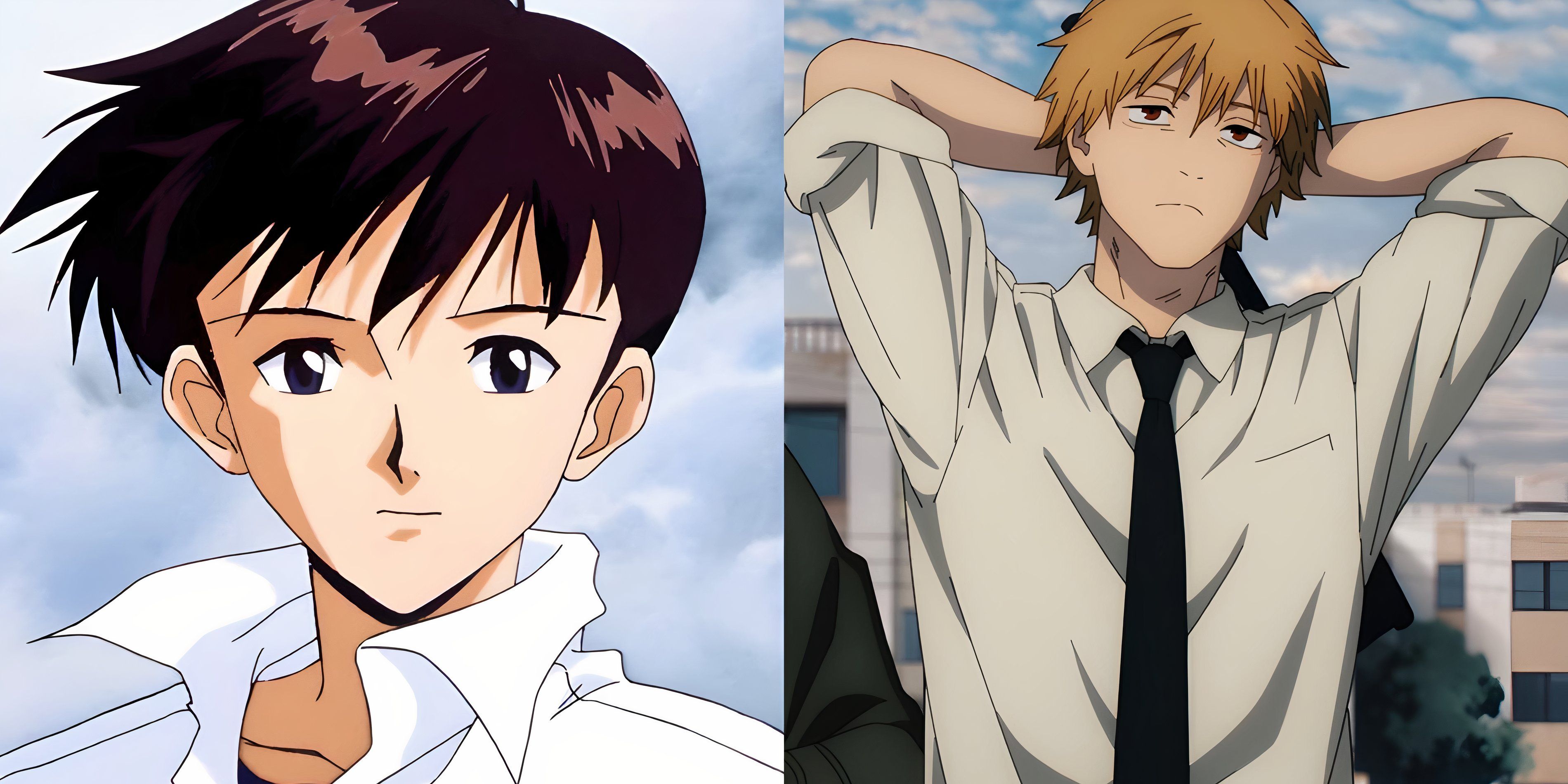
Like Chainsaw Man, Neon Genesis Evangelion was groundbreaking for challenging typical anime tropes. The connection between the two shows runs deeper than just visual similarities in the opening. Both series dismantle common genre expectations: Shinji Ikari redefines the “heroic mecha pilot,” while Denji flips the script on the “ideal shōnen hero.” Both are deeply traumatized teens forced into brutal combat, treated as tools rather than children. They don’t fight for fame or honor, but desperately seek acknowledgment from people who barely notice them.
Makima embodies a particularly disturbing type of control, reminiscent of the manipulative dynamics in Evangelion, blending attraction with cold, calculated abuse of power. Both shows use supernatural violence to represent internal struggles, suggesting that the real villains aren’t monsters, but the systems that exploit and control young people. Evangelion and Chainsaw Man are rare stories that deconstruct themselves, stripping away the layers to reveal the messy, often painful, reality of human emotion.
Read More
- United Airlines can now kick passengers off flights and ban them for not using headphones
- Katanire’s Yae Miko Cosplay: Genshin Impact Masterpiece
- All Itzaland Animal Locations in Infinity Nikki
- How to Complete Bloom of Tranquility Challenge in Infinity Nikki
- How to Get to the Undercoast in Esoteric Ebb
- Gold Rate Forecast
- A Dark Scream Theory Rewrites the Only Movie to Break the 2-Killer Rule
- All Golden Ball Locations in Yakuza Kiwami 3 & Dark Ties
- Fire Force Season 3 Part 2 Episode 24 Release Date, Time, Where to Watch
- BloxStrike codes (March 2026)
2026-02-16 14:35