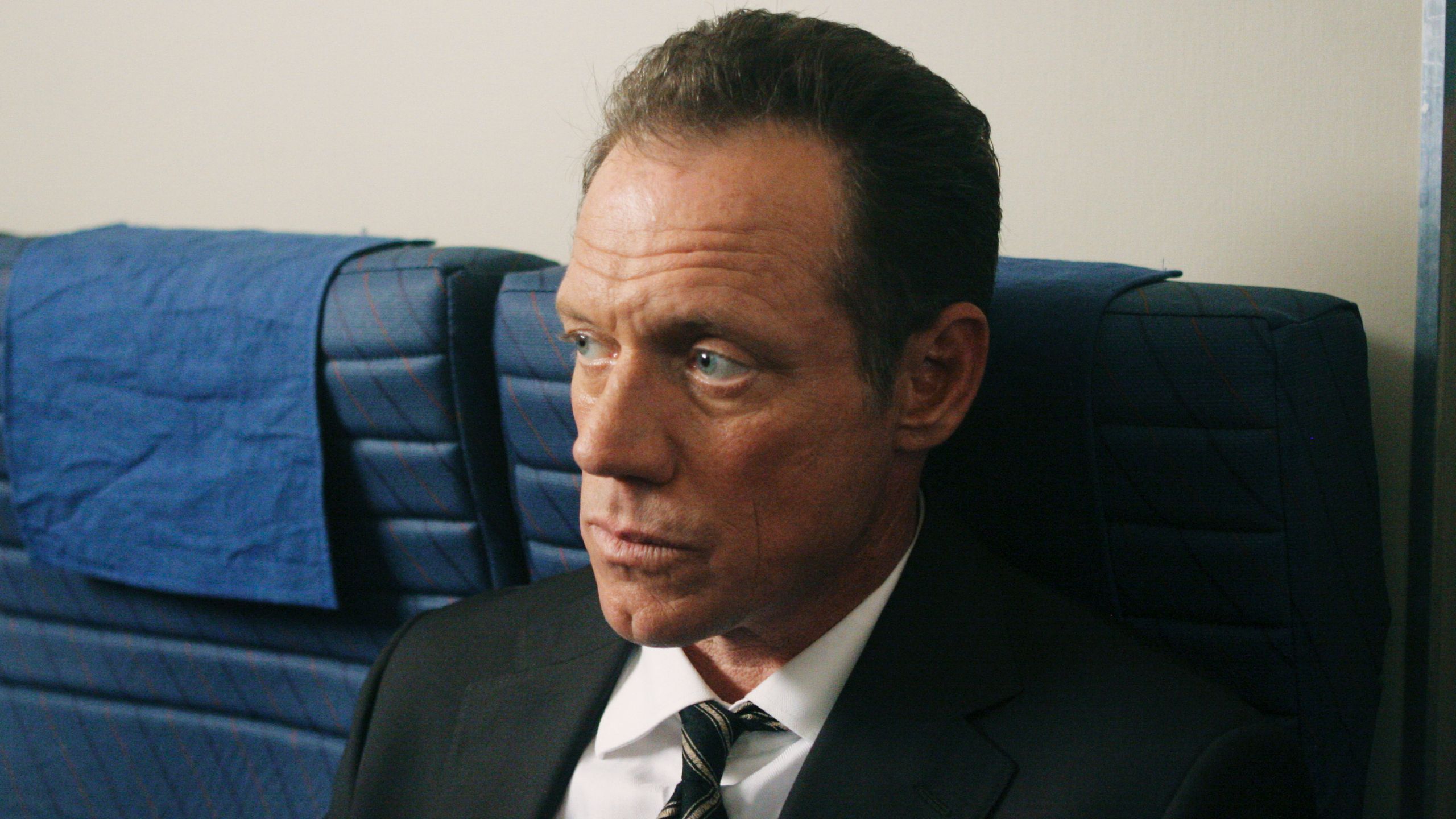
Few shows capture an audience quite like a well-made mystery, and Lost was a master of the format. This six-season sci-fi series, created by J.J. Abrams, Jeffrey Lieber, and Damon Lindelof, expertly used cliffhangers and surprising twists to become a major cultural phenomenon.
Anyone who watched Lost when it originally aired from 2004 to 2010 remembers just how much of a cultural phenomenon it became. It was everywhere – people discussed it on early social media, at work, and everywhere in between. For many viewers, finding out what would happen next was a weekly habit, starting with the very first episode and lasting until the series finale.
The success of Lost was quickly noticed by television networks. Soon after it premiered, shows with similar mysterious storylines began appearing, all hoping to replicate its popularity. However, while these shows copied elements like surprising plot twists and unresolved questions, none managed to capture the same magic or become as culturally significant.
Lost Mastered The Art Of “Tune In Next Week”
The Show Turned Resolving Cliffhangers Into Addictive Television

No show built anticipation for what would happen next quite like Lost. Each episode ended with a cliffhanger that had viewers guessing for days. The island wasn’t just a location; it was a complex mystery that kept growing, revealing new secrets whenever the audience thought they had things figured out.
At first glance, the way Lost was structured seemed straightforward. The show used flashbacks to hint that the plane crash wasn’t just a random accident, and the ongoing story on the Island suggested the survivors were there for a specific purpose.
From the moment Jack (Matthew Fox) woke up in the jungle, Lost wasn’t just about survival – it hinted at a much larger puzzle. Odd signals, mysterious creatures, and unbelievable coincidences suggested something bigger was going on. Every new revelation changed how you understood everything that had happened before. The show didn’t throw out questions randomly; instead, it carefully built them on top of each other, creating a feeling that everything was intentionally planned, not just random events.
Beyond simply wanting to uncover the island’s secrets, the compelling characters were central to Lost‘s success. The mysteries resonated because the people facing them felt authentic, flawed, and relatable. This combination made each surprising reveal feel deserved, and encouraged viewers to actively speculate and become invested in the story.
Many shows tried to copy the suspenseful cliffhangers of Lost, but they didn’t understand what truly made it work. Lost didn’t just use mysteries to keep viewers hooked; it carefully built them into a larger, long-term story. Every unanswered question and surprising twist served a purpose, making the entire series feel planned and meaningful, rather than random or made up as they went along.
Other Shows Tried To Copy Lost’s Formula And Failed
Imitators Chased The Twists But Missed The Emotional Engine

After Lost became a huge hit, television networks quickly tried to create similar shows. Mystery dramas with complex plots became very popular, all promising big, twisty stories that would keep viewers hooked. While many of these shows seemed promising at first, most of them lost steam and couldn’t maintain their initial excitement for very long.
As a huge fan of shows with big mysteries, I remember when FlashForward first grabbed my attention with its idea of a worldwide blackout showing everyone a glimpse of their future. Then came Heroes, which was so cool because it brought together everyday people who suddenly had superpowers, and of course, a shadowy organization trying to exploit them. And Manifest – that one really got me hooked with the story of passengers returning after their plane disappeared for years. All these shows, like Lost before them, really prioritized building a compelling mystery above all else, and that’s what drew me in.
These shows often struggled with a sense of unity. While they introduced surprising twists, they didn’t build them on strong, well-developed characters like Lost did, so the reveals didn’t have the same impact. Shocking moments felt forced and artificial, rather than emotionally earned. Without believable characters or compelling stakes, the attempts to create the kind of speculation that made Lost so popular quickly led to viewer frustration.
Shows that followed Lost also struggled with finding the right rhythm. The ‘mystery box’ style of storytelling – where plots unfold through unanswered questions – requires a delicate balance. If the pace is too slow, viewers lose interest. Too fast, and the mystery falls apart with premature explanations. Lost succeeded by skillfully switching between character-focused stories and big, dramatic reveals, giving each time to develop.
Beyond just a thrilling plot, Lost had real emotional and philosophical weight, something many shows that tried to copy it missed. Lost delved into big questions about faith, fate, and dealing with the past, using its diverse characters to explore these themes. The show’s mysteries weren’t just puzzles; they reflected what the characters were struggling with inside. Other shows often used mystery for cheap thrills instead of using it to deepen our understanding of the characters.
Shows that didn’t capture the same magic as Lost often focused too much on complicated ideas and not enough on connecting with the audience’s feelings. Lost worked because it found a balance – viewers were drawn in not just by the mysteries, but by the characters and how the answers impacted them. It wasn’t just about solving the puzzle; it was about becoming emotionally invested in the journey and caring about the people involved.
Even Lost Couldn’t Live Up To Its Own Legacy
The Mystery Machine Eventually Became Its Own Obstacle

It’s ironic that one of the biggest efforts to recreate the captivating mystery of the show Lost was actually Lost itself. As the series went on, the techniques that initially excited viewers started to feel excessive. There were too many cliffhangers, and new mysteries were introduced faster than old ones could be solved.
Early on, the mystery surrounding Lost was exciting, but as the show went on, it started to feel like the writers were avoiding giving clear answers. While viewers initially loved speculating about what was happening, they eventually wanted some resolution. Unfortunately, the show offered fewer and fewer explanations as it neared its end.
As the show Lost became more complex with its backstory and timelines, the big reveals often created more questions than answers. The show started to prioritize its intricate mythology over developing its characters, and emotional stories began to suffer. Many fans felt that the show spent too much time on mysteries and not enough time providing satisfying conclusions.
As the end of Lost neared, discussions about how it would all conclude became heated. When the finale finally aired, it sparked a lot of disagreement. While some viewers appreciated the show’s focus on spirituality and felt it provided a satisfying ending, others believed that after years of watching, they deserved more straightforward answers. The hope for clear resolutions remained right up until the very last scene.
The debate surrounding the ending is central to Lost‘s lasting impact. Some viewers found the ambiguity beautiful and thought-provoking, while others felt frustrated by it. This same open-ended approach, which initially captivated audiences, eventually pushed their patience. Yet, even its flaws contributed to the show’s overall influence. Very few TV series generate such ongoing conversation. Lost didn’t necessarily provide all the answers, but it demonstrated the power of leaving questions unanswered when viewers are deeply invested.
Read More
- United Airlines can now kick passengers off flights and ban them for not using headphones
- Gold Rate Forecast
- All Golden Ball Locations in Yakuza Kiwami 3 & Dark Ties
- How to Solve the Glenbright Manor Puzzle in Crimson Desert
- How to Complete Bloom of Tranquility Challenge in Infinity Nikki
- 8 Actors Who Could Play Blackbeard In One Piece Live-Action Season 3
- How to Get to the Undercoast in Esoteric Ebb
- 15 Lost Disney Movies That Will Never Be Released
- Wartales Curse of Rigel DLC Guide – Best Tips, POIs & More
- What are the Minecraft Far Lands & how to get there
2026-03-23 22:32