Consider this: the dedicated practice, the pre-game nerves, and the energy of the audience, even if it’s online. Gaming is increasingly resembling a live performance. Whether you’re broadcasting to a large audience or simply trying to win a round with your team, you’re essentially performing. Your keyboard and the game itself are your tools, and each match is a live event. It’s not just about skill; it’s about your presence and creating exciting moments. Understanding this can transform how you play, turning every session into a chance to shine.
Key Takeaways
- Treat Gaming Like a Performance: Shift your mindset from simply playing the game to performing within it. This involves preparing mentally, understanding your role, and executing a strategy to intentionally control the flow of the match, not just react to it.
- Turn Pre-Game Jitters into a Competitive Edge: Recognize that performance anxiety is a normal response to high-stakes situations. Use simple techniques like visualization and controlled breathing to channel that nervous energy into heightened focus and faster reaction times.
- Build Your Pre- and Post-Game Rituals: Consistent performance is built on solid routines. Develop a simple warm-up to get in the zone before you play, and make a habit of reviewing your gameplay afterward to learn from every match and improve.
What Does “It’s Showtime” Mean in Gaming?
We’ve all heard it – or maybe even said it ourselves – right before jumping into a game. Whether it’s the start of a Warzone match or a Diablo raid, someone often declares, “Alright, it’s showtime.” But it’s more than just a way to signal the start of play. It’s a mental shift – the moment you switch from relaxing to fully focusing on performing. It’s when you get serious, concentrate, and prepare to use the skills you’ve worked so hard to develop. It’s a universal sign that practice is over, and the real challenge is about to begin.
The excitement around a new game release, or even just starting a match, is fundamentally about building anticipation. Game developers are experts at this, crafting impressive trailers like those for Diablo 4’s Vessel of Hatred or using carefully paced reveals, as Rockstar does with GTA. They know the lead-up to an event can be as crucial as the event itself. As players, we do this too – the pre-game chatter in lobbies isn’t just small talk; it’s a way to get hyped, emotionally invested, and ready to perform our best.
That feeling of being ready to play rarely happens alone. When you’re on a team, it becomes a shared excitement – a signal that everyone is united and prepared to work together, communicate, and support each other. This shared energy is what makes gaming with friends truly special, creating a sense of community and turning regular matches into memorable experiences. It’s when everyone commits to giving their best, transforming individual players into a unified team. It’s not just about the win itself, but about the experience of striving for victory together.
The Psychology of Pre-Game Hype
Have you ever felt that rush right before a competition begins? Your heart races, you become intensely focused, and everything around you seems to disappear. That’s not just nervousness – it’s a natural state called pre-game hype, and it actually prepares you to perform your best. It’s the same energy that drives athletes and performers. It’s not about eliminating nerves, but understanding this shift in how you feel physically and mentally, which is designed for high-pressure moments. Consider it your brain’s way of saying “it’s time to go!” – a blend of excitement, concentration, and a little stress that gets you ready. This feeling is completely normal and can be very helpful if you know how to manage it. Recognizing what’s happening in your mind during those key moments can mean the difference between success and failure. Instead of letting pressure overwhelm you, you can learn to harness that anticipation and use it to improve your performance. We’ll explore this feeling in detail and give you practical strategies to turn potential anxiety into a powerful advantage.
That Pre-Match Adrenaline Rush
The feeling you get right before a competition is actually a natural way to boost your performance. When you’re preparing to compete, your brain senses the challenge and releases adrenaline. This is your body’s natural ‘fight-or-flight’ response, which sharpens your senses and makes you react faster. Research shows that competitive situations create specific emotional responses that help you perform at your best. A lot of this feeling also comes from anticipation – the excitement about what might happen, the possibility of winning, and how much you care about the outcome. This surge of energy can give you a real advantage if you learn to control it.
Mental Prep That Actually Works
Exceptional performance isn’t just about talent; it’s also about how you prepare mentally. You can learn from professionals – like actors – to get focused. One powerful technique is visualization: mentally practice your strategy. Before starting a game like Warzone, imagine where you’ll land, the route you’ll take to find gear, and how you’ll react in your first fight. This helps you build reflexes and feel more confident. It’s also important to stay present. Don’t dwell on past errors or worry about winning – concentrate on your breathing and what’s happening right now to stay flexible and think clearly.
Is Gaming the New Stage Performance?
Consider this: the intense practice, the pre-game nerves, and the energy of the online audience. Gaming is increasingly resembling a live performance. Whether you’re broadcasting to a large audience or simply playing with friends, you’re essentially performing. Your keyboard and the game itself are your tools, and each match is a unique show. It’s not just about skill; it’s about your personality, how you interact with others, and the exciting moments you create.
Being good at competitive gaming is a lot like performing on stage. It takes perfect timing, the ability to think on your feet when things get stressful, and knowing how to connect with your audience – even if that’s just your teammates in voice chat. The fact that competitive gaming has grown from a casual hobby to a huge global event shows people enjoy watching a good performance, not just the winning. Understanding this can help you improve your own gameplay and make every session more entertaining.
Your Digital Stage Presence
How you present yourself in a game – from your character’s appearance to how you talk to teammates – is now incredibly important. It’s your individual style, like confidently leading an attack or staying calm and clear during a tough battle. While this used to be just for professional players on stage, now everyone can create a unique identity within the game. This is essentially your reputation – how others see you and why they’d want to play with you again. It’s not about pretending to be someone you’re not, but about consciously choosing how you express yourself while playing.
Connect with Your Audience
Successful performers, including gamers, know how to connect with their audience. That audience could be your viewers on Twitch, members of your Discord server, or even the friends you game with regularly. Building a strong connection involves creating memorable moments and getting people excited for what’s next – like planning a ranked play session with your team or a special stream. Sharing your goals, challenges, and victories lets your audience feel like they’re part of your journey, turning them from simple viewers or teammates into a supportive community that celebrates with you and feels your setbacks too.
How Sound Design Sets the Mood
Sound often goes unnoticed, but it’s crucial to a great gaming experience. Just like lighting and music in a play, a game’s audio – including music and sound effects – sets the overall tone. Think about the suspenseful music during a final showdown, the rewarding sound of a precise shot, or the celebratory music after defeating a boss – these all contribute to how you feel while playing. Good music adds emotional impact to everything you do. As a player, you can use these sounds to build excitement, time your moves, and make the game more engaging for both yourself and anyone watching.
Why We Get Performance Anxiety in Games
That nervous, jittery feeling you get before an important game isn’t unusual. Many gamers experience performance anxiety – even the pros! It’s the pressure you feel when a lot is on the line, whether you’re playing for a huge crowd or just with friends. It’s that inner voice that makes you worry about mistakes, disappointing your teammates, or not performing at your best.
The first thing to do when you’re feeling anxious is to try and understand why. Anxiety isn’t a sign of being weak – it’s a normal reaction to feeling stressed or challenged. When you care about how things turn out and feel like you’re being evaluated, your body naturally responds. This happens in all sorts of situations, from playing sports and performing on stage, to even when you’re gaming. Online gaming can be just as demanding as anything else, and that pressure to perform well can be really intense. Let’s look at some of the main reasons why we feel this pressure.
Clutch Moments and High Stakes
Okay, so we’ve all been there, right? It’s the last round, everyone’s watching you, and your heart is pounding. Those moments, when everything comes down to just you, are seriously nerve-wracking. Basically, the pressure to perform when it really matters can make you super anxious. It doesn’t matter if you’re trying to clutch a defuse or get that final kill – knowing the whole game rests on what you do is a crazy mix of excitement and stress. It can honestly make it hard to even aim straight!
The Pressure of Community Expectations
These days, gaming is usually a social experience. Most players are part of a team, group, or online community, and that comes with pressure. You don’t want to disappoint your teammates or let your community down. This pressure increases when you’re playing with a practiced team or have an audience watching. Wanting to perform well – to make your friends and fans proud and prove your skills – can be mentally exhausting. It’s not just about how you play anymore; it feels like the success of the whole group depends on you.
The Challenge of Expressing Yourself Online
It can be nerve-wracking to share yourself online. Knowing people are watching can lead to fear of criticism and make it hard to be genuine. This can cause anxiety, as you worry about whether your actions are good enough or if you’ll meet others’ expectations, even if it’s just a small audience. That pressure can make you doubt yourself and hold back, making it difficult to feel confident and comfortable. It’s hard to fully focus on what you’re doing when you’re constantly thinking about what others might think.
Manage Your Pre-Game Nerves Like a Pro
That rush of excitement and nervousness before a big game? It actually shows you care about the outcome. Feeling anxious before a ranked match in Warzone or a difficult raid is totally normal. Instead of trying to get rid of those nerves, the key is to use them to your advantage. Similar to how actors prepare for a performance, you can learn techniques to transform that anxious energy into intense focus. Think of your gaming sessions as performances and create a routine to help you concentrate and be ready for anything. These strategies will help you stay calm, centered, and perform at your best when it matters most.
Use Breathing and Visualization
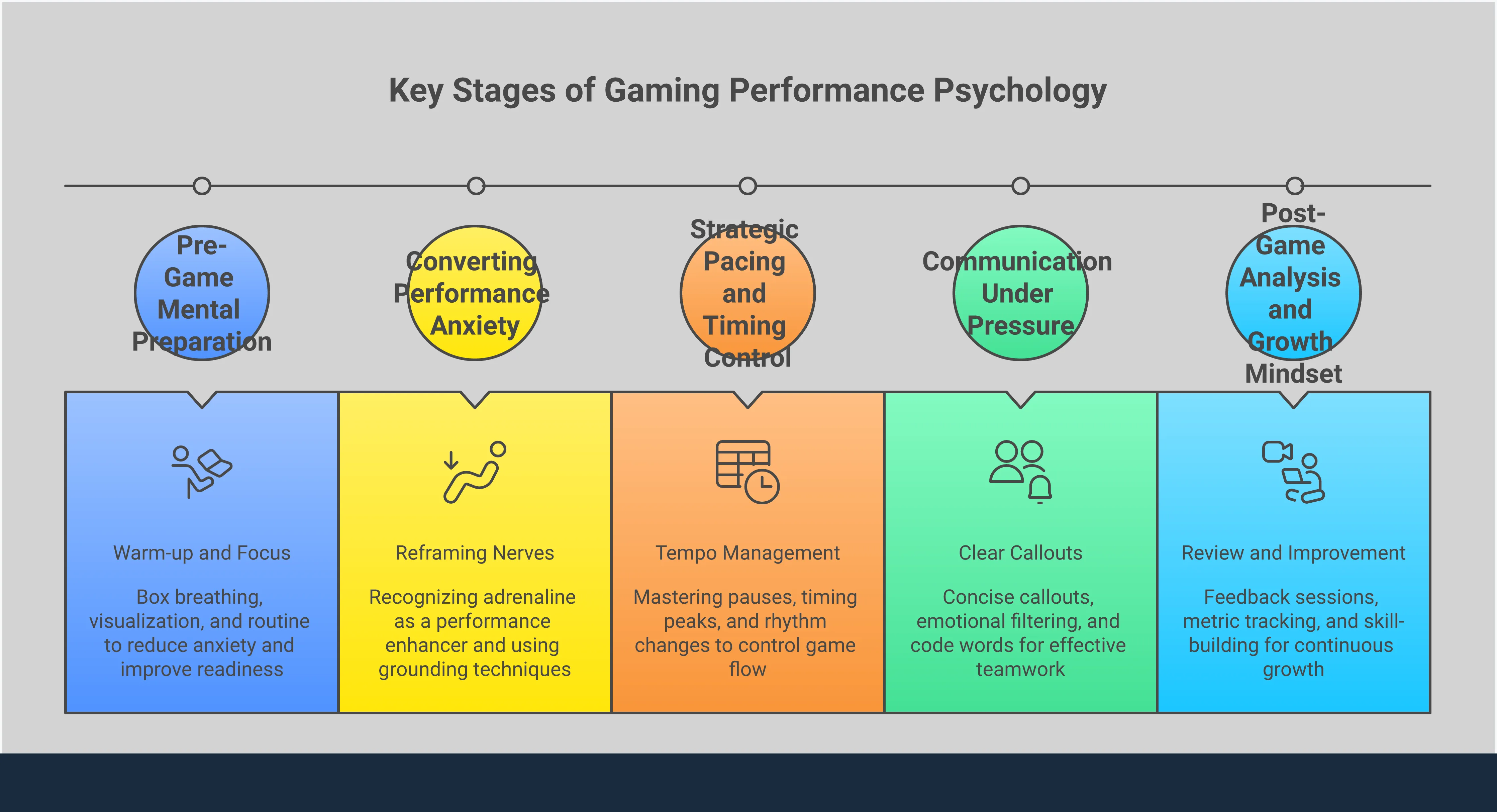
Before you start playing, take a few deep breaths. Try ‘box breathing’ – breathe in for four seconds, hold for four, breathe out for four, and hold again for four. This can help calm you down and focus your mind. Once you’re feeling a little more relaxed, try visualizing success. Professional actors do this to get into character, and you can use it to mentally prepare for the game. Close your eyes and imagine yourself playing well – hitting your targets, making good decisions, and communicating effectively with your teammates. Seeing yourself succeed builds confidence and helps you react more naturally during the game. It’s a great way to get mentally ready, whether you’re performing on stage or playing online.
Prep Your Body to Sharpen Your Mind
As a gamer, I’ve found that how I feel physically really affects how well I play. You don’t need to hit the gym, but just a little prep makes a huge difference. I like to stretch my hands, wrists, and shoulders before I start, and I always keep water nearby. Making sure my chair and desk are comfortable is key too. It sounds simple, but it really helps signal to my brain that it’s time to focus. I actually read about how actors use a similar idea – being totally present in the moment – it’s part of this technique called Meisner. Basically, taking care of my body helps me block out distractions and really concentrate on the game, which keeps me calm and focused even when things get intense.
Get in Character to Prepare
Feeling nervous while gaming? Try really connecting with the character you’re playing! Consider their personality and what drives them. Even in games like Diablo 4, where it’s pretty clear, you can do this with any game. Are you playing someone who’s strong and steady, or a bold, quick attacker? Giving your character a simple history or goal can help you forget your own worries and get lost in the game. Actors often write from their character’s point of view to build mental toughness, and you can do something similar – quickly imagine your character’s mindset to match how you want to play and boost your confidence.
Build Up to Epic Gaming Moments
The most memorable gaming moments aren’t just about skillful plays like perfect shots or defeating challenging bosses. It’s the story around those moments that really sticks with people. Creating a build-up of excitement—turning a regular game into something thrilling—is a skill on its own. It’s about building tension until it’s almost unbearable, then releasing it with a great play. Consider the final moments in a game like Warzone, where every noise and decision feels crucial. That sense of suspense makes the eventual win so much more satisfying.
Instead of simply reacting to what happens in the game, you start to control the experience. By skillfully managing the speed, timing, and flow of the action, you can create exciting, memorable moments as you play. It’s about recognizing that calm periods are just as important as intense battles. Mastering this control not only improves your skills, but also makes your gameplay much more engaging to watch. You begin to build dramatic tension, turning ordinary encounters into epic events—like those unforgettable moments in games such as Diablo 4. Essentially, you’re crafting a story within each match, taking the lead role and building towards a powerful climax. This shifts your focus from simply responding to events to actively shaping them, putting you in control of the emotional journey of the game.
Create Suspense with Strategic Pacing
Pacing in a game refers to how you manage the speed and rhythm of play. It’s not always about rushing; sometimes, the smartest move is to be patient. Creating suspense involves balancing action with calm moments, and keeping players guessing. In a tactical shooter, this could mean deliberately holding a position to increase tension, forcing your opponent to make a mistake. This level of strategy is what makes the game exciting for everyone involved. Choosing the right equipment, like Warzone loadouts, is also part of pacing – it ensures you’re prepared when you finally choose to act.
Time Your Peak Performance
All gamers understand those high-pressure moments – the “clutch” plays. These happen when everything is on the line and you need to perform perfectly. Mastering these moments means recognizing exactly when to use your skills. It’s the payoff for all the tension and preparation. You’ve planned, your abilities are ready, and your opponent is in the perfect position. Now it’s time to act. That feeling of anticipation is a big reason gaming is so exciting. By learning to predict what will happen and acting at just the right moment, you create amazing, unforgettable plays. It’s what separates a good move from an incredible one.
Use Pauses and Rhythm for Drama
Excitement in games isn’t always about constant action. It’s often created by how you play – the timing and pace. Just like a song uses quiet moments to make the beat more impactful, you can use pauses and changes in speed to surprise your opponents and build tension. A brief pause before checking a corner, a small delay to trick an enemy, or a sudden shift in how quickly you move can throw them off and give you the upper hand. This keeps them guessing and puts you in control. Game designers are skilled at using music to create atmosphere, and even a game like Diablo 4, with its often overlooked soundtrack, uses sound and silence to heighten tension before battles. You can apply this same idea to your own gameplay.
What Separates Casual Play from Performance Mode?
You know, playing with friends is just fun – totally relaxed. But when I queue for ranked, everything changes! It’s still the same game, but suddenly it matters. There’s a clear difference between just messing around and actually trying to perform. It all comes down to how I approach it – being prepared, and really focusing on communicating with my team when things get intense. It’s about switching from just reacting to what’s happening to actually taking control and making things happen – really shaping the game, you know?
Moving beyond just casual play means more than simply trying harder – it requires a completely different way of thinking about the game. When you play casually, you’re focused on relaxing and enjoying the moment. But when you switch to ‘performance mode,’ you start playing with a clear purpose and thinking several steps ahead. You begin to see the game as a set of challenges, and your actions become the way you overcome them. It’s like going from being a spectator to taking control. Let’s explore how to make this shift and start playing with real focus.
The Mindset Shift from Casual to Comp
The most significant shift when you start playing in performance mode is how you think. When playing casually, you respond to what you see. But in competitive mode, you’re constantly thinking ahead, anticipating your opponent’s moves. This is about predicting where enemies will be, using your knowledge of the map, sounds, and the game’s timing. Your mind is always running through possibilities, turning potential scenarios into expectations of what will happen next.
Competitive gaming is all about thinking strategically. It’s a move away from simply watching or playing, and towards actively planning and making smart choices. Instead of just being a player, you become someone who carefully considers every detail – what equipment to use, where to move, and how each decision contributes to winning. This thoughtful approach turns a casual game into a deeply engaging and satisfying experience.
How Your Prep Changes
When you’re casually playing, getting ready for a game usually just means grabbing something to eat and drink. But when you’re playing seriously, preparation is much more involved. It’s like an actor getting into character – you don’t just learn what to do, you become the part. For gamers, this means fully understanding and adopting the role of your chosen character within the team. You practice your skills, go over the plan, and visualize how the match will unfold before it even begins.
Taking preparation to the next level means building excitement for your success and getting yourself primed for top performance. This could involve reviewing your own past gameplay to identify areas for improvement, analyzing where most of the action happens, or practicing specific skills. While casual play is just about starting, ‘performance mode’ is about starting fully prepared.
Communicating Under Pressure
When you’re just hanging out in a game lobby, conversations are usually relaxed – people tell jokes, share what’s happening in their lives, and maybe point out enemies. But when the game gets serious, communication becomes crucial for winning. Every word counts, and casual chatter turns into quick, clear updates that help your team make fast decisions. You focus on sharing only the most important information, cutting out anything unnecessary.
Teams often succeed or fail based on how well they handle stress, and clear communication is what keeps them united. In a tense situation, a calm, accurate report can change everything. This takes practice – learning to stay composed so you can communicate clearly, and trusting your teammates to do the same. It’s about creating a communication system that won’t fall apart under pressure and will help your team win.
Handle the Emotions of Game Prep
The time leading up to an important competition or challenging event can be incredibly intense. You’re likely feeling a mix of excitement, nervousness, and pressure. While these feelings can be overwhelming, the ability to control them is what distinguishes skilled players from exceptional ones. It’s not about eliminating those emotions, but about recognizing what they are and using them to your advantage.
It’s like the quiet moment before a big event. You might feel your heart racing, but you can still be focused and prepared. This is about gaining control of your emotions so you can perform your best when it counts. By acknowledging how you feel, using your energy positively, and understanding the challenges of playing with others, you can approach any situation feeling ready and self-assured. It’s all about transforming nervousness into strength.
Process Your Pre-Game Emotions
Actors prepare for roles by truly understanding what drives their characters and how they feel. You can use a similar approach to improve your gaming. Before you play, think about what you want to achieve in the game. Are you the type of player who aggressively attacks, or do you prefer to support your team with strategy? Techniques actors use, like visualization, can help you practice important moments in your head and imagine successful outcomes. Picture yourself landing a perfect shot or making a crucial decision. This isn’t just about wishing things would happen; it’s a way to calm your nerves and create a mental plan for winning before the game begins.
Turn Excitement Into Focus
That electric feeling before a challenge – that buzz of possibility – can either overwhelm you or help you perform your best. Game designers are experts at building that feeling to keep players hooked, and you can use the same trick on yourself. Recognize your excitement, then channel it. Instead of letting your mind race, try taking a few slow, deep breaths. Change how you think about it – instead of saying “I’m nervous,” tell yourself “I’m ready.” This small mental adjustment transforms that scattered energy into calm focus, helping you think clearly and react quickly when it matters most.
Why Multiplayer Makes Everything More Intense
Have you noticed how different playing against computer-controlled opponents feels compared to playing real people? It’s because of the human factor. When you compete against others, there’s an element of surprise and mental challenge that AI can’t match. Studies show we get more emotionally invested when playing against real opponents. It’s not just about the game itself, but also about outsmarting another person, dealing with their strategies, and testing your skills. Whether you’re teaming up with friends in a game like Warzone or battling one-on-one, the social aspect makes each move more impactful and winning feel even better.
When Gaming Becomes Art
Ever feel a sense of accomplishment after gaming, like you’ve actually created something? That’s because you have. When you go beyond simply playing and focus on how you play, you’re expressing yourself creatively. It’s not just about winning or losing; it’s about your unique style, the story that unfolds during your session, and the emotions you experience. That’s where the real beauty lies – in how the game’s systems allow you to tell a story through skillful play. A simple game then becomes a memorable experience, whether you’re mastering a solo challenge or leading your team to victory. This way of thinking transforms gaming into an art form, and you are the artist.
Tell a Story with Your Gameplay
When you start playing a game, you’re entering a story where you are the main character. The game sets up the world and the events, but it’s your actions that truly bring the story to life. It’s a two-way emotional experience: you feel what the character feels, and the character’s journey is shaped by what you do. Every decision you make, every path you choose, and how you respond to obstacles all contribute to a unique narrative. You’re not simply following a pre-written story; you’re helping to create it. Your individual playing style makes each playthrough personal. This is what transforms a game like Diablo 4 from just an action game into a deeply personal story of struggle and triumph.
Find the Rhythm in Your Flow State
Have you ever been so focused on a game that everything else disappears and you just feel in the zone? That’s called flow – and it’s when you perform your best. It happens when the game’s difficulty perfectly matches your skill level, keeping you challenged but not frustrated or bored. Creating that exciting feeling relies on finding that sweet spot. Whether you’re aiming for a precise shot in Warzone or skillfully avoiding an attack, getting into that rhythm transforms playing from simply reacting to smoothly anticipating and controlling the action. It’s total concentration where you’re not just playing with the game, but truly connected to it.
Connect with Your Character
A key ingredient to a compelling performance is truly connecting with your character, and sound is a powerful tool to achieve that. Effective music and audio don’t just create atmosphere—they help you experience the world through your character’s eyes and feel their emotions. Music adds depth, making every moment more meaningful. Think about the dramatic music during a difficult battle or a quiet, thoughtful tune—it allows you to share your character’s feelings. The often-overlooked soundtrack of Diablo 4, for instance, is crucial to its immersive and dark setting. When you connect with a game on this sensory level, your performance feels more real and has a greater impact.
Master Your Gaming Performance Mindset
While being skilled at a game is important, your attitude and mental strength are what truly help you succeed. What separates good players from great ones is often how they think before and after playing. Approaching the game like a performer means you’re not just focused on gameplay, but also on controlling your concentration, managing pressure, and constantly improving. Just like practicing your aim or learning maps, you can develop this mental skill. By preparing intentionally before each session and learning from the results, you can build the mental toughness needed to perform well when it matters most.
Build a Pre-Game Routine That Works
Just like athletes warm up before a competition, gamers benefit from a pre-game routine. This routine helps you focus and get mentally prepared. It doesn’t need to be complicated – just a consistent set of actions that tells your brain it’s time to concentrate. This could include simple stretches, listening to energetic music, or quickly reviewing your game plan. For example, making sure your equipment and settings are ready in games like Warzone is great preparation. The idea is to create a mental break between everyday life and gaming, so you can start each match feeling focused, calm, and ready to perform at your best.
Use Feedback to Get Better
Getting feedback is the quickest way to get better, but you need to know how to use it effectively. Whether you’re watching your own gameplay or getting advice from a teammate, think of feedback as information, not criticism. Just like an actor perfecting a performance, focus on small changes that can have a big impact. After a difficult loss, don’t just get frustrated and jump into another game. Instead, think about what you could have done differently. It’s also important to understand how you react emotionally when under pressure. When you can look at your mistakes without getting upset, you can learn something valuable from every game, win or lose.
Related Articles
- Deus Ex LFG: Connect with Other Augs in LFG Feature on Z League App
Frequently Asked Questions
Feeling nervous before a competitive match doesn’t mean you’re not good enough – it actually shows you care about winning and are motivated to play well. Instead of seeing those nerves as anxiety, try to view them as energy. The key isn’t to eliminate the feeling, but to learn how to use it to concentrate and perform your best. Even top athletes and performers get that same excited feeling before they compete – it’s a sign you’re prepared.
Looking for a quick way to get ready before you play? Keep it simple with a three-step routine. First, get physically prepared: stretch your hands and wrists, grab some water, and make sure your chair is comfortable. Next, focus mentally: close your eyes, take three deep breaths, and decide on one thing you want to focus on during the match, like communicating well or staying in good position. Finally, check your gear: make sure you’ve selected your preferred setup and settings. That’s all there is to it! This helps you switch gears from your day and focus on the game.
It’s totally possible to focus on improving your own gameplay even when playing with friends who just want to have fun. A ‘performance mindset’ is about how you approach the game, not about turning every session into a competition. You can still relax and enjoy yourself while quietly setting personal goals – like working on your positioning or practicing a specific technique. It’s all about playing with purpose, and you can do that in any game, regardless of how casually your friends are playing.
Does ‘performance mode’ simply mean doing whatever it takes to win? Not quite. It’s more about playing with focus and intention. Instead of just reacting during a game, performance mode means being fully present, preparing both mentally and physically, communicating effectively, and learning from errors. While this often results in more victories, the main goal is to enjoy high-quality gameplay and feel good knowing you played your best.
These strategies aren’t just for multiplayer games – they work great in single-player experiences too. Imagine a difficult boss battle in a game like Diablo 4, or a challenging part of a story-based game. You can still visualize your plan, use breathing to stay calm, and focus to succeed. When you play solo, you’re both the player and the spectator, so the aim is to create a really enjoyable and rewarding experience for yourself.
Read More
- United Airlines can now kick passengers off flights and ban them for not using headphones
- Crimson Desert: Disconnected Truth Puzzle Guide
- All 9 Coalition Heroes In Invincible Season 4 & Their Powers
- The Boys Season 5 Spoilers: Every Major Character Death If the Show Follows the Comics
- Mewgenics vinyl limited editions now available to pre-order
- Invincible Season 4 Episode 6 Release Date, Time, Where to Watch
- Assassin’s Creed Shadows will get upgraded PSSR support on PS5 Pro with Title Update 1.1.9 launching April 7
- Grok’s ‘Ask’ feature no longer free as X moves it behind paywall
- ‘Timur’ Trailer Sees Martial Arts Action Collide With a Real-Life War Rescue
- Crimson Desert Guide – How to Pay Fines, Bounties & Debt
2025-12-03 13:37