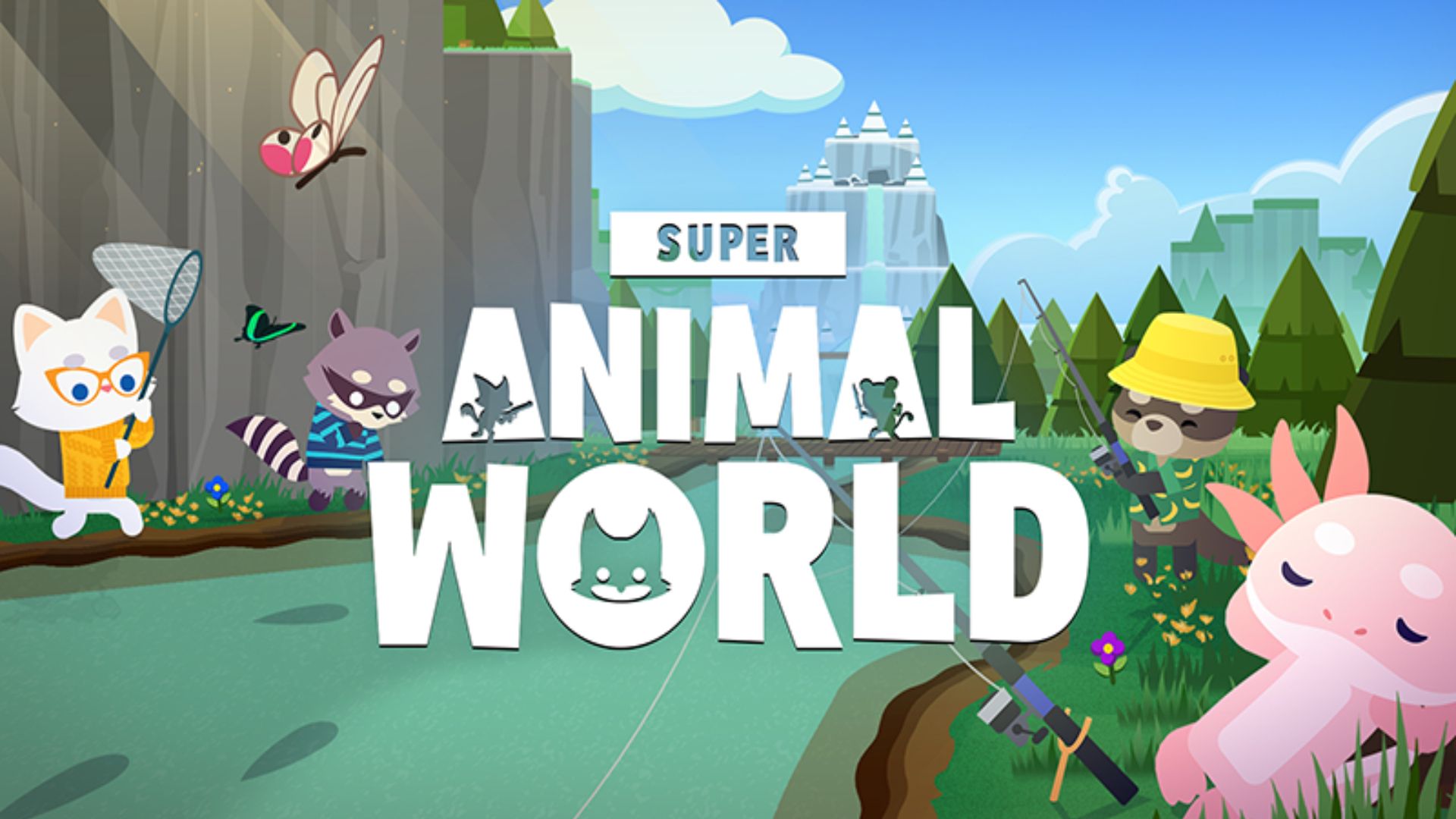
Super Animal Royale is a fun and chaotic game similar to Apex Legends, but with a charming, cute twist. This big update to Super Animal World is completely free and includes tons of new content for players to explore.
I recently spoke with the developers behind the new update, including Michael Silverwood and Ruben Grijalva from the studio. They shared details about the update and their future plans. I also had a chance to play the game early and get a firsthand look at what’s coming.
We’ll be discussing everything about the update, diving into the details. It’s a big one with a lot to go over, so get comfortable and prepare for a complete rundown of Super Animal World!
Interview with Super Animal World Developers Michael and Ruben
It’s great to be able to chat with developers! I’ve spoken with voice actors before, but this is a new and exciting experience for me.
Ruben: Well, you’re talking to both, because I’m one of the voice actors in the game.
Q. Oh, are you? Alright, there we go. That’s something.
Michael: One of his many things.
So, he’s incredibly talented, like a lot of people in this industry. Let’s get straight to it – we’re going to talk about the Super Animal World expansion. From what I understand, it’s a really large project, and those are always challenging. What sparked the idea to create something on this scale?
We had this idea pretty early on, almost from when we first launched Super Animal Royale. We noticed a lot of players were drawn in by the cute and colorful graphics, but they were surprised to find it was a battle royale game. We also observed that players were really friendly and playful with each other in the game lobbies, often doing silly things and just having fun together.
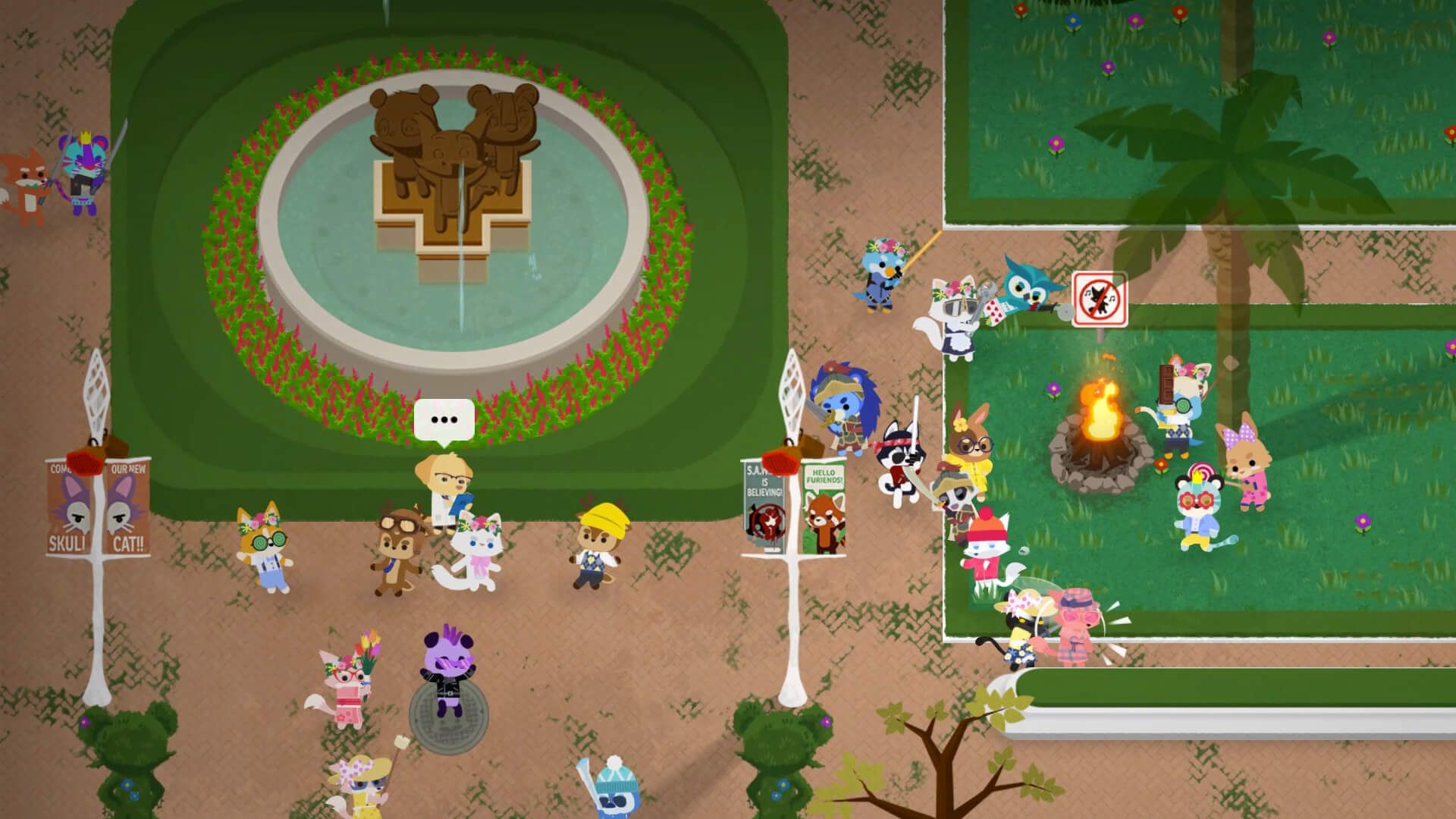
We wanted to create a more expansive space for players, and we began working on this idea when we launched into early access. At the time, we were still developing the main features of the battle royale mode, so this project had to wait. It’s been about three years in development, as it was a significant undertaking – essentially adding a completely new experience alongside the existing game. This new space provides a social hub where players can hang out for as long as they want, and it replaces the traditional main menu.
Previously, the game worked by starting a match, finishing it – whether you won or lost – and then returning to the main menu to start over. Now, you enter a central world where you can do everything without returning to menus. This hub world is a calm and inviting place where you can enjoy activities like fishing, bug catching, and hamster ball racing, as well as progress through the game’s story and quests.
Originally, players only had two-minute lobbies, and that really sparked a lot of creativity and interaction. It was amazing to see them create their own fun, even when we didn’t provide much for them to do. Now, we’re expanding those lobbies to give players even more space to connect, and we’re adding activities to build that interaction around. We’re really excited to see what they come up with in these longer, unlimited lobbies, especially considering how much they accomplished in just two minutes for years.
Yeah, totally. As a gamer, I know we’ll always find ways to push things and see what’s possible, even with limited resources. So, looking back at development, were there moments where the team worried if what they were trying to achieve was actually realistic? Or if they’d be able to finish the game the way they envisioned it?
Ruben: Still am.
I think the team is experiencing a lot of different emotions, and I tend to be the one who stays positive. I keep telling everyone we’ll find a solution, but we just keep running into really difficult obstacles.
Our team has a good mix of people – some who aim high and others who are more practical. I’m part of the group that tends to be more ambitious, and this conversation doesn’t really include the perspectives of those who are more realistic. Because of that, we may have let the project grow beyond its original plan, and we were definitely concerned about it happening.
One of the biggest hurdles was the technical complexity of constantly switching between two different game modes. It would have been much easier to have players select a mode from the main menu and stay there, but we wanted to allow matchmaking between these two distinct experiences, which presented a significant challenge.
That’s a great segue into my next question. I have a background in game design, so I understand the challenges you faced, like feature creep. You mentioned some difficulties earlier, and I was curious if there were any particularly interesting problems – maybe a bug that turned into a useful feature, or something else memorable that really stood out during development?
There are still some unknowns with the game, and we won’t have all the answers until it’s fully launched with a lot of players. These uncertainties are definitely present, but the benefit of a live service game is that we can address them as they come up – just like we’ve been doing with the Battle Royale mode for years.
We’ve been thinking a lot about how conversations will work in the game. We’re adding more characters and stories, and we want to make interactions with both real players and computer-controlled characters feel natural. We also have competitive areas separate from the main world, so we’re figuring out how these different parts of the game will connect and work together seamlessly.
Our initial playtests have been very positive, which is encouraging. It was a relief to finally have players on the server and see how they experienced the game for the first time. As the writer, I’m focused on the story and dialogue, but it’s hard to predict how players will actually explore the open world. We’re now trying to figure out how to guide them naturally towards the key elements they need to advance without being too restrictive.
These kinds of challenges weren’t really on our radar when making a Battle Royale game. Things like detailed world-building and NPC stories have been done before, of course – we’re not the first to create an MMO or use these storytelling techniques. But what we’re doing – the way we’re combining everything – feels pretty unique. It’s still too early to know how it will all work when lots of people are playing, but our playtests have been really positive, which is a good sign.
We expect players will approach the game in different ways and interact with it uniquely, which should be fascinating to observe. During testing, we’ve been curious about how much time people will spend in the social areas versus actually playing matches. Some might prefer hanging out and socializing, while others will jump straight into matches and do side activities like fishing while waiting. It’ll be interesting to see how this balance plays out for different players over time and how they prioritize each aspect of the game.
We’re aiming to appeal to a wide range of players. As Michael mentioned, the game looks inviting and relaxing, but it’s also designed to be very challenging. I, for one, can confirm that! I’m the least skilled person on the development team, so I definitely feel the difficulty. I’m really looking forward to enjoying the more peaceful aspects of the game as a breather from the intense competition, though I have improved while testing it. Having those moments of calm will be a great balance.
Michael believes the player is intentionally playing poorly, pretending to be bad at the game. He explains that this player voices the character Donk in their animated series, ‘Super Animal Royale Tonight,’ and Donk is known for being a terrible shot – constantly missing, much like a stormtrooper. Michael thinks the player is simply channeling that character’s ineptitude while playing.
Ruben: Well, or that aspect of Donk is based on me. I don’t know.
There are a couple of possibilities here, and potentially both could happen. I didn’t plan to ask this, but since we’re talking about switching between the battle royale and the more relaxed exploration modes, I’m curious about the menus. Will they be standard UI menus, or will everything be integrated into the game world – like interacting with characters who then send you to the battle royale or exploration mode, depending on what you want?
That’s a good point. It’s a mix of both traditional and battle royale elements. You’ll interact with characters who give you missions, sending you off to complete tasks within the battle royale environment. Also, when you’re creating your character, you’ll visit locations called MTN stations – that stands for Mole Tunnel Network.
Think of it like a subway system for quick travel. Instead of going back to the main menu to customize things, you’d access those options by going ‘underground’ – through a dedicated portal. It’s a faster, more streamlined way to manage your settings and upgrades.
Players can quickly move around the game world by returning to the same entrance point or using fast travel. Within this area, they unlock and customize different animals. To replace the traditional user interface elements from the main menu, we’ve created a system called BananOS, based around the idea that the animals in the game worship Banan.
Ruben: Which is short for banana, by the way.
We developed BananaOS to give all the animals – even those who couldn’t choose to join – access to augmented reality through implants in their eyes. This allows them to easily find important information like milestones and pathways, adjust settings, and manage their social lives with other animals, all right there when they need it.
You know, it’s actually been a huge challenge figuring out how to handle the UI for this expansion. We really wanted to avoid constantly sending you back to a traditional main menu. The big idea is to keep you immersed in the game world as much as possible. So, yeah, we still have menus, but they appear within the world itself. It’s been a lot of work, but we think it’ll make a big difference. We even added a little animation when you’re accessing things like BananOS, so other players can see you’re in a menu if they happen to come across you. It’s all about keeping that connection to the world alive!
Michael: You’re in like an augmented reality interaction.
I noticed you’re using the Vision Pro! We’ve been thinking about how to best integrate it with our game. It would be annoying if you had to find a specific character every time you wanted to play a battle royale, right? Instead, characters throughout the game will offer quests that take you through all our different modes – not just Battle Royale, but also things like Blocking Dead, Infection Mode, SVR Control Point, S.A.W. VS Rebellion, and even hamster ball races! Basically, the quest system is designed to guide you through everything our game has to offer.
I really appreciate a deep and engaging game world, and it’s crucial to keep players actively playing. The less time they spend navigating menus, the more time they have to enjoy the game itself. I’m excited to hear more about the eye implant feature and the story, which sounds intense – you’ve all got me really intrigued! I’m curious, did you always envision being able to expand the story and world to this extent?
When Michael first asked me to join this project about seven or eight years ago, I honestly thought it would only last a month. Starting something completely new is always a long shot, and I wondered if a story and narrative director was even necessary for a multiplayer battle royale game at the time. It’s amazing we’ve been working on it for so long!
I realized his reasoning, and we immediately began building the foundation for the game’s story and world, almost reaching a prototype stage. We wanted to be prepared when the time came. We’d already released two seasons of Super Animal Row and consistently added environmental storytelling with each map update – incorporating small clues into the narrative. Plus, all our trailers and content have been hinting at a larger story. If you’ve been following our work, you’ve been experiencing the story unfold all along.
When we finally started building a more detailed story for the game, we had plenty of new ideas to work with, given its size. But it wasn’t like we were starting from scratch. The core story was already there for players to uncover. Now, we’re just making it clearer, more detailed, and more diverse, and we have lots of characters to guide you through it – hopefully in an enjoyable way. I always feel the need to add that ‘hopefully’!
Q. There’s always going to be some kind of, like, ‘maybe not,’ but that’s the goal.
That’s exactly what we’re working towards. Right now, setting goals is all we can do, so we’ll just have to wait and see how things unfold.
I noticed you’ve mentioned inspirations like Animal Farm for parts of this update, and I’m really curious about the bigger picture. What inspired the overall story and the general direction you’re taking things with this update?
It’s a complex process, and I’m eager to hear your thoughts. Initially, we built a basic Battle Royale prototype, and then we focused on defining the game’s world, characters, and story. As Ruben mentioned, from the start, we aimed to create a world that felt authentic and alive. Even before we had a fully developed narrative, we wanted every element on the map to have a purpose and connect to the game’s history.
The game’s concept started with the core mechanics, and then we began exploring the world’s backstory. We asked ourselves why this world existed and what events would lead to the conflicts within it, building the narrative from those questions. We quickly settled on a vibrant art style, driven by our love of animals. The idea of colorful animals battling it out struck us as humorous, which led us to consider why they would be fighting. We drew inspiration from various sources, including the genetic modification themes found in Jurassic Park.
We’re aiming for a vibe similar to shows like Westworld, especially in how aware the characters seem. The game will definitely have our signature look and feel – it’s going to be very funny, leaning into absurd humor. But beneath the comedy, we’re taking the science fiction elements seriously. Players can even have conversations with characters about real-world scientific concepts like CRISPR, which is integrated into the game’s story and world. We’re really trying to incorporate as much detail and authenticity as possible.
The game has a lighthearted and funny tone, which fits perfectly with its premise of animals playfully shooting at each other. We really thought through the game’s world, asking ourselves what it would be like if this were real. Imagine a company buying an island to conduct genetic experiments, creating the animal-human hybrids that are the Super Animals. From that, we developed the idea of a theme park – like Disneyland, but populated by actual genetically modified creatures instead of people in costumes. Then we explored how things could go wrong and the ethical questions that would arise from such a situation.
When things go wrong in the game – like when animals attack – we really think about how the company would handle the PR fallout. Everything builds from there, creating the world with its different groups and stories. We take each detail seriously. While it’s often exaggerated and absurd, we don’t just add things for laughs. We always ask ourselves how it would realistically work. Even when designing gameplay, Michael and I constantly push to connect mechanics to the game’s world, which sometimes annoys the team! They see it as ‘just a game,’ but we believe everything should have an explanation within our established lore and world.
Okay, so the BananOS system isn’t just some simple menu, it’s way deeper than that! The story really hit me when I realized people have this AR tech inside their eyes, implanted by a mega-corp. It’s creepy, but honestly, it made me think about how we already have tech that both helps us and kind of controls us, you know? It’s a really interesting parallel to the messed-up stuff happening in the real world. It’s like a dystopian future, but with a bigger focus on genetic engineering than just digital stuff – though the digital side is definitely there too.
Okay, so I just watched the trailer, and it’s awesome! But it’s got this really interesting, slightly darker vibe to it, which I totally dug. It’s funny and lighthearted, but you can tell there’s more going on beneath the surface. It got me thinking about how they’re handling some pretty serious themes without pushing the boundaries of the age rating. They’re not shying away from tough subjects, but they’re presenting them in a way that feels…layered, you know? It’s not just shock value, there’s a lot of cleverness and fluff around it that keeps it from getting too heavy.
The humor in cartoons like Looney Tunes actually relies on a pretty dark premise. If you really think about it, the Coyote dies repeatedly! That’s something we often overlook in video games too. Most action games involve killing and being killed, and we just accept it as part of the fun. But there’s a bit of a dark side to that. Games are often exciting because there are life-or-death stakes, even in games rated for all ages. Death is present everywhere, but we’re used to the idea of coming back – extra lives in Mario, for example, let you keep playing despite dying.
Our game approaches the idea of an army similarly to how other games handle character death – essentially, having replacements readily available. We’re simply creating a logical explanation within the game’s world for a mechanic that’s been present in video games since the beginning – how battle royales constantly refill the player count. We aren’t introducing anything more violent or grim than what already exists in the genre. Games like Fortnite also involve players eliminating each other, and that inherent darkness is something we acknowledge and build upon. Death is a core element of these experiences, and we’re embracing that.
There’s a hopeful way to look at it too. The idea is, when you die in the game, another clone of you simply takes your place, offering a fresh start. We leave it to players to decide if that’s a positive or negative thing. From the perspective of S.A.W., the company behind the game, it’s ideal – endless gameplay! But it could easily be seen as unsettling, and honestly, it’s up to each player to interpret it as they see fit.
Q. Oh, wow. Alright. Well. That says something about me.
You know, as a fan, I totally get what Ruben means. It feels like they’re diving into some really heavy stuff, but it doesn’t feel forced at all. It’s like these darker themes were always part of the world they’re building, and they’re just finally bringing them to light. They’re not adding darkness, they’re revealing what was already there, and it feels really natural.
It’s interesting how simply stating things directly can suddenly make something seem much darker. We’ve tried to create something that works for both adults and kids. Adults who really think about it will find a deeper, darker side, while kids can just enjoy the fun, cartoonish aspects without getting into that.
I totally agree! I think the developers did an amazing job with this. It’s so interesting how games can be really funny on the surface, but then you realize there’s some seriously dark stuff going on if you actually stop and think about it. But honestly, that’s kind of what makes games great, right?
Ruben: How a lot of life works in general. Honestly, yeah.
Okay, so after watching the trailer, I’m really curious about something. I saw a ton of soldiers running around during the gameplay bits, and it got me thinking… will we have to worry about them in the social hub world too? Like, is there a chance they might actually pose a threat to players while we’re just hanging out and exploring?
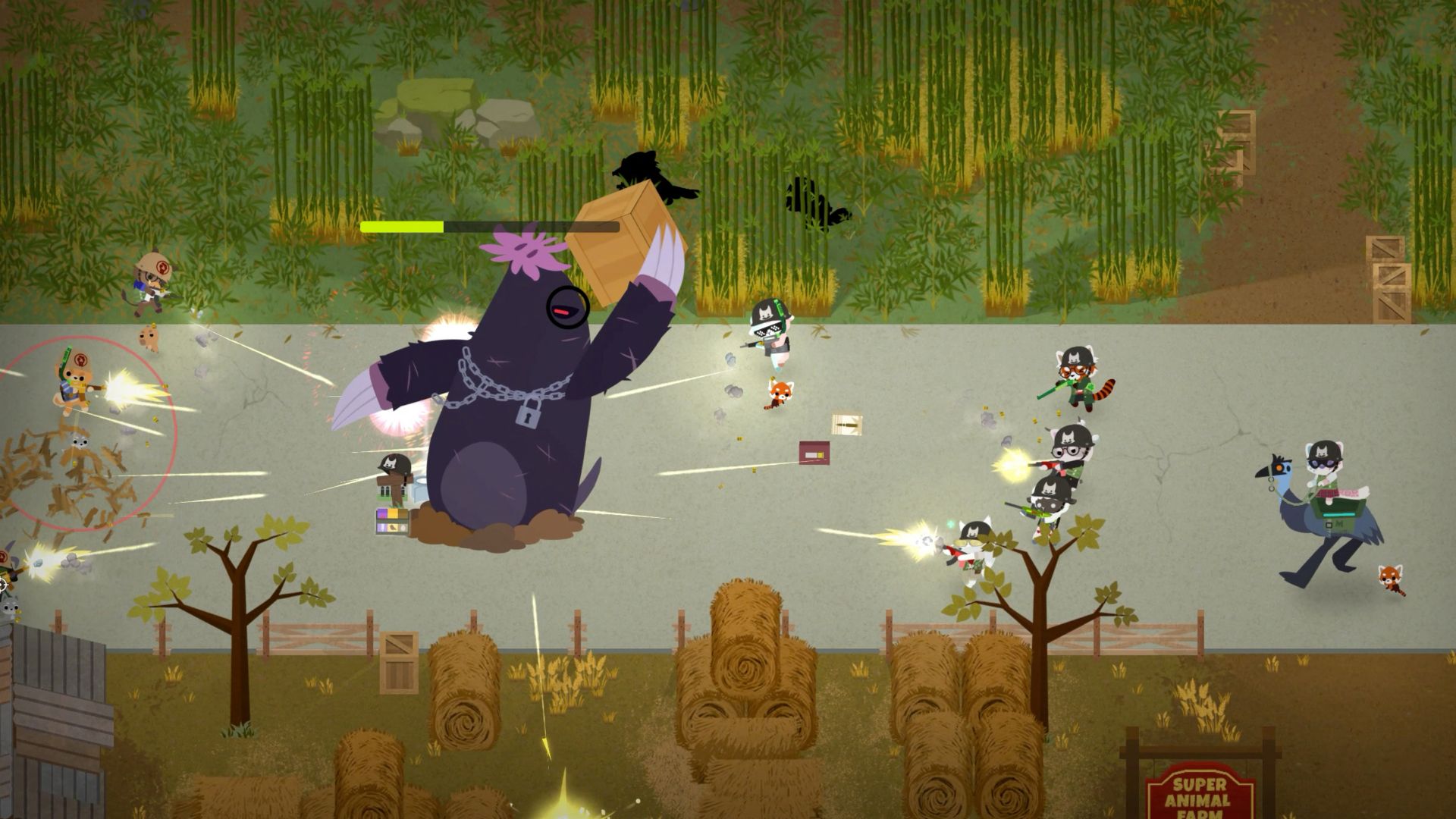
Those are the Super Animal World Security Forces. They mainly work to maintain order and ensure safety in the central meeting area.
Ruben: You’re really toeing the line there, aren’t you, Michael?
In the game, you’ll encounter two main groups: the Super Animal World Security Forces, and the Rebels, who are currently fighting for change.
Ruben: The Super Animal Super Resistance or SASR.
Different characters in the game will offer varying perspectives on the security forces’ actions. The social hub, however, feels like a safe and comfortable place, which creates a strong contrast with the intense action and violence found in the main areas of the game.
Those elements serve as a reminder of a controlling, corporate-influenced world, though they aren’t present everywhere – it’s best to avoid them when you can. What’s really interesting is that every character has their own unique viewpoint. We’ve designed the story so there aren’t any truly objective narrators. Everyone filters information through their own biases – their faction, their job, and how it all connects to the conflict between the Security Forces and the Rebellion. As the story unfolds, you’ll have the chance to side with either faction and really delve into their motivations and details.
I find unreliable narrators much more engaging – it’s fun to gather information and figure things out as a player, comparing different accounts even when they aren’t entirely accurate. I noticed you shared a detailed flowchart of NPC dialogue, which is great! Could you talk about some of the challenges you faced while writing all of that content? I’m curious about both the logistical aspects of coordinating everything and any particularly difficult creative hurdles you encountered as a team.
Sure, I can talk about that – I was mainly responsible for it. That spreadsheet, or flowchart you saw, was all my work.
Michael: How much do you think that actually represents? Is that like 20% of the final?
We actually reworked the version that was initially shown in the video. The biggest challenge was figuring out the best way to structure the experience. We wanted players to explore things in an order that felt natural to them, but the first attempt gave too much freedom and became overwhelming. What we have now is a good balance – a main storyline with core unlocks, but still allowing for some player choice. It took a lot of revisions to the flowchart to get to this point.
Following the main storyline will let you experience everything the game has to offer, but you can also find lots of optional side quests just by exploring. It’s a good balance – the main story progresses linearly, and as you follow it, you unlock additional quest lines and activities, like dedicated paths for fishing or bug catching, along the way.
I was figuring out the story and how it would work, and we realized it wouldn’t be a traditional hero’s journey with one main character. That’s because you get to be anyone you want! You can play as any animal you choose, essentially creating your own character. Instead of following a single character’s story, the game features a whole world full of characters for you to find. We also want to make sure it’s easy to pick up, especially for people who are completely new to the game – even those who haven’t played the original Super Animal Royale. We’re focusing on creating a smooth and simple introduction for new players.
One of the biggest hurdles was figuring out how to tell a captivating story about the Super Animal World while also making the world itself feel like the central character. As you mentioned, we wanted a lot of unreliable narrators and a sense of piecing things together to discover the truth about this place. But at the same time, we needed to guide players and teach them how everything works—like, when should they unlock hamster ball racing or fishing? We had to balance storytelling with making sure players could actually enjoy those experiences.
A big part of development involved carefully balancing the narrative and the gameplay introduction. We focused on how the order players meet characters and learn mechanics reveals the story and world, and how it unlocks different game features and modes. Essentially, we were trying to seamlessly blend the storytelling with the tutorial process. Getting those two elements to work well together was the most difficult and time-consuming part, which is why we went through so many versions of the flow chart.
Michael: Yeah, the result of this, too, is that Ruben wrote over 140,000 words of dialogue.
The game features over 200 characters, though some share similar designs. Beyond those, there are over 100 completely distinct individuals, plus characters tied to different factions. Even minor characters, like the 50 dogs roaming around, each have their own unique dialogue and a little story to tell if you take the time to chat. This applies to beavers and other background characters as well, alongside the main characters who give out quests.
The game features a lot of dialogue and quests, but also many small, enjoyable discoveries you can make just by talking to characters. Because everyone in the world of Super Animal World needs to feel like a real person with their own thoughts, I ended up writing a lot of text to bring that to life – almost like writing a novel over the summer.
I really appreciate how you approach creating a game world. It’s fantastic that it’s not just a series of tasks players complete, but something that feels alive and ongoing. Making the world itself a central character is a brilliant idea, and it’s incredibly important. Regarding activities players can do, we’ve officially announced fishing, bug catching, and hamster ball racing. I’m curious if there are any other activities in development that you’re particularly excited about or willing to share. Are there any other activities that stand out to you as being promising?
The core of the game revolves around several mini-games and modes found within the social hub. Beyond those, players will engage in quests that offer diverse experiences and compelling stories. The world also has hidden discoveries and interesting things to find while exploring, but we want players to experience those surprises for themselves. That’s why we highlighted the mini-games and quests as the main features – they’re the activities we want players to focus on, with the other discoveries serving as enjoyable additions to the world.
We’ve included three combat modes, plus three mini-games. This release, which we’re calling version 2.0 or SAW 1.0, is really a starting point, much like our initial release. We have big plans for the future, but we had to be realistic about what we could include right now. Some of our ideas didn’t make it into this version, but we’ll be adding them in future updates. We’re not finished yet! That applies to both the story and the activities available. We have a lot of exciting content planned that we weren’t able to finish for this release, but we believe there’s enough here to keep players engaged. Ultimately, we see this as a base to expand on over the next few years.
Our plan is to create a new menu that lets players easily find and join different game modes. We’re building a central hub world that will grow over time, and this menu will be located within it. This hub will act as a launching point for all current and future game modes, allowing players to jump into new experiences and return easily.
So, it seems like my questions are prompting further details, which is great. You’ve mentioned more content is coming, likely within the next few months. Could you share anything you’re especially enthusiastic about that’s in development, or any ideas you’re hoping to explore further for the game?
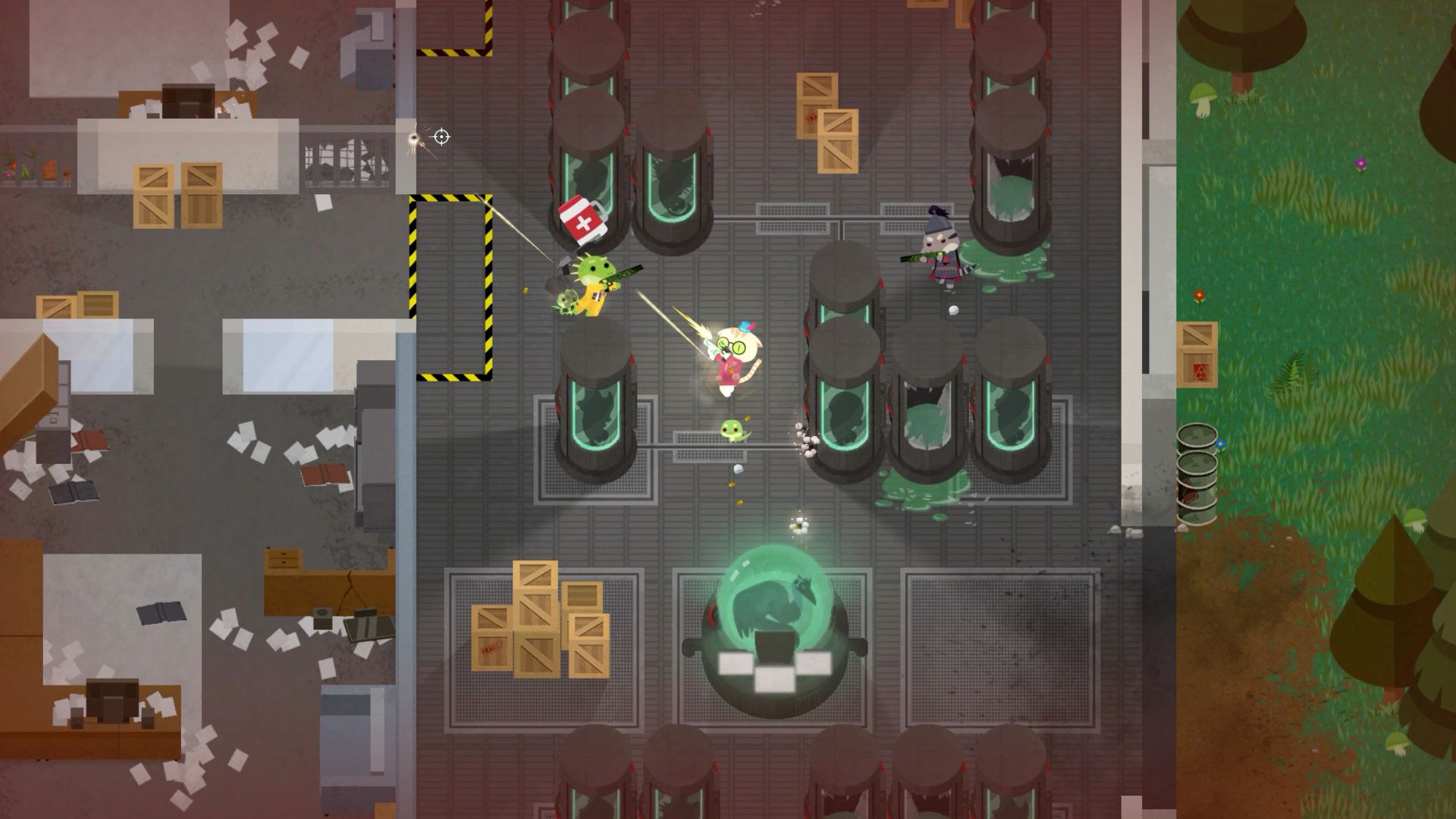
This update includes new features beyond the Social Hub, including respawn tanks in Battle Royale mode, allowing you to bring back fallen squadmates. We have many more additions planned for the future, but this project has been massive – a three-year undertaking! We joke internally about how much the scope has expanded during development.
We’ve now moved on to version 2.1, which is a significant update from 2.0. This means we’ll be spending the next few months, including the holidays and into the new year, deciding which features from our extensive list will be included in the very next release. Building this update took a long time and was a large undertaking, so we’re excited to return to a more consistent update schedule. Our plan is to release major updates every three months, allowing us to deliver new features more frequently and avoid long waits between releases.
Q. Very nice. And you guys totally deserve a break. So take a well-earned breath afterward.
Ruben: It might be a four-month cycle to the next.
Yeah, no worries, I totally get it. Honestly, after everything we’ve been through, I don’t think anyone would argue we deserve a breather! We were just chatting about what’s coming next, and I’m really curious about world changes. Like, are we talking about something big happening in the game world? Maybe a lab accident that creates a whole new, messed-up zone covered in… well, goo or something? I’m wondering if that kind of event would affect both the battle royale map and the social hub, or if it would only change one of those areas.
That’s a great point. We generally want the social hub and the main game world to feel consistent. Especially for new players, the social hub lets you explore the same island and get used to the controls and the world without any danger. It’s important that both areas feel similar so players have a smooth and consistent experience when they transition between them.
As a long-time fan, I was really happy to hear Ruben talk about future map expansions! He basically confirmed that whenever they do add more to the map, it’s going to be deeply connected to the game’s story and feel like a significant event, not just a random addition. They’re going to really think through why this expansion happens within the game’s world, just like they do with everything else. Sounds like we’ll have to wait and see, but it’s exciting to know they’re approaching it with so much care!
Let’s switch gears a bit from the main story. I noticed a really unique photo mode in the trailer – I haven’t seen anything quite like it in this type of game. The ability to take your time, carefully set up shots, and create your own pictures seems really cool. Can you talk about what led to including that feature? Was it a spontaneous idea, or was there more planning involved?
Michael: Oh, I’m trying to remember now what the original— do you remember?
Ruben explained that the idea came directly from their passionate community, known as ‘Super Artists.’ They regularly hold art contests where fans create their own artwork inspired by the game’s characters. Because this community is so actively involved in creating fan art, building a tool within the game to facilitate that felt like a logical next step.
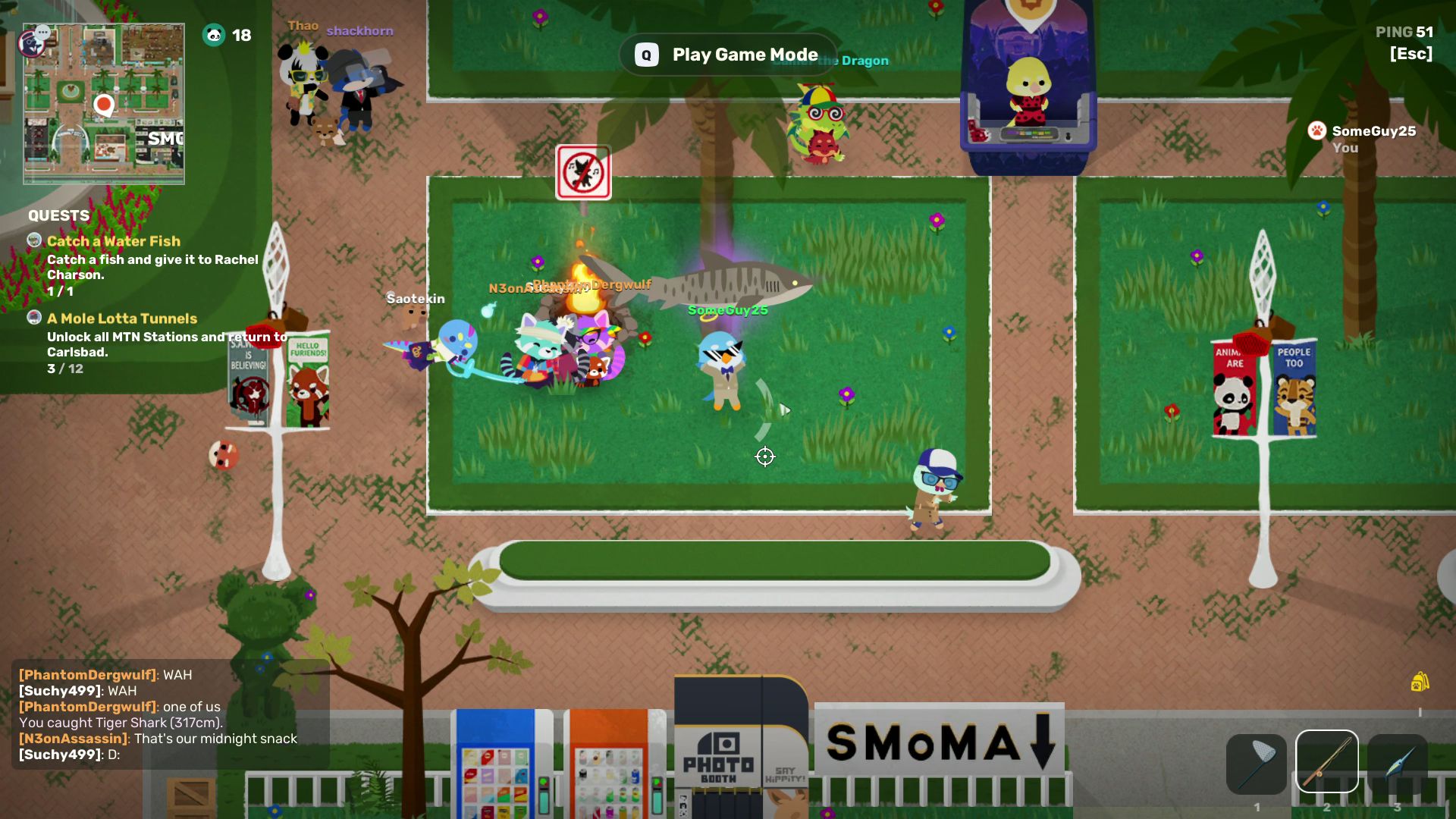
I really like that mode – it doesn’t get as much attention as it deserves. When I first tried it, I was surprised by how complete and detailed it was, almost like a small game within the larger one. It’s been available for a while, and you can find it in the main menu. Now, we’re adding photo booths to various areas throughout the game world, so you can easily access it while you explore.
The design was really driven by what the community wanted – we wanted to give players more ways to be creative. Now, in Super Animal World’s hub area, you can quickly create something and then jump right back into the social scene. It’s different than just being stuck on a menu screen. There are even social elements within the hub itself, like being able to include your friends’ gear in your creations. This lets you easily share what you’ve made with your friends on platforms like Discord.
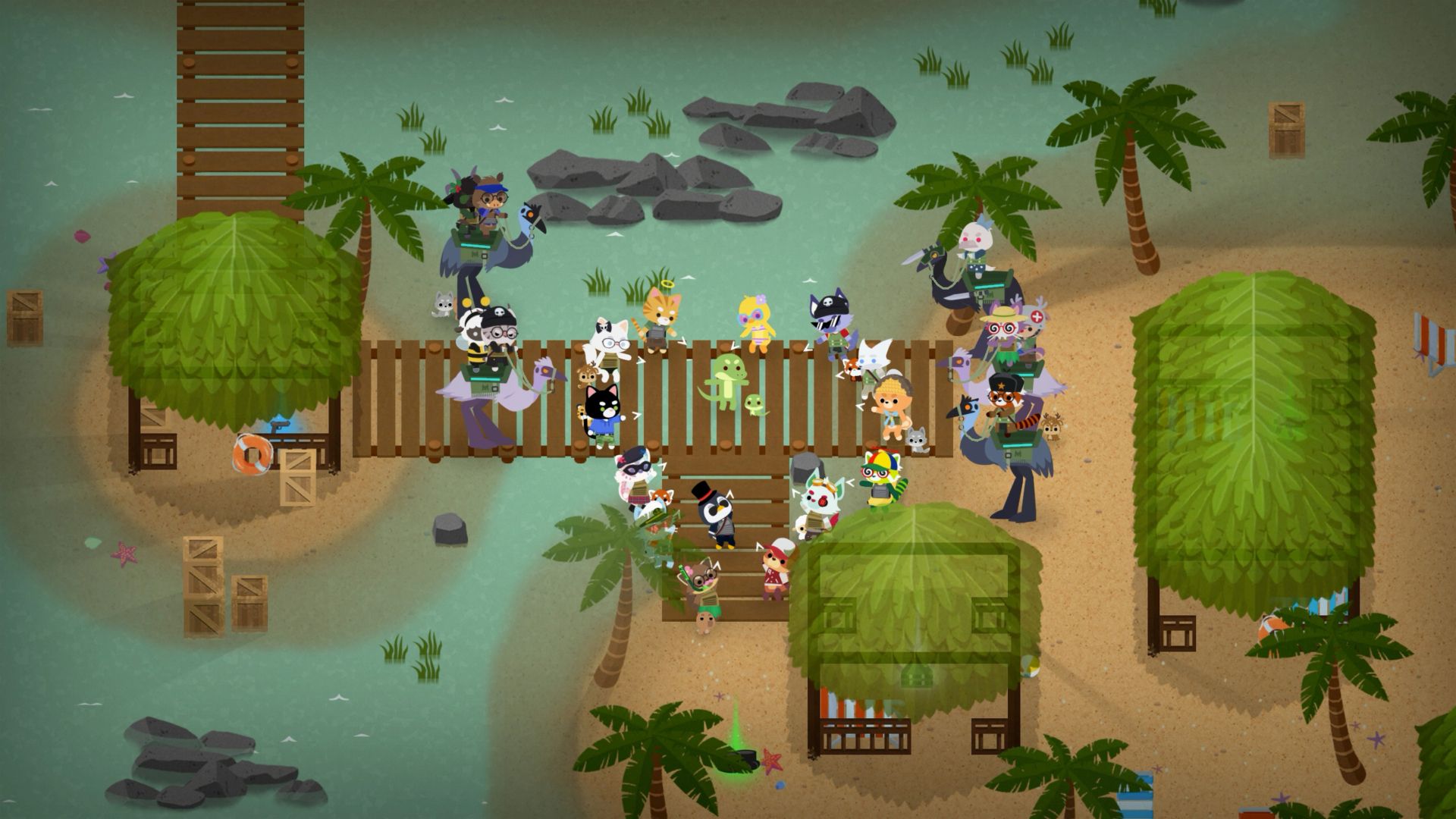
I was immediately impressed by what I saw – it really caught my attention! I quickly realized the photo featured you all, as one of the characters is named Michael. It was cool to see you experimenting with it and sharing a glimpse of the project. Even from that short preview, it looked very detailed and well-developed. I’m really curious about something else, though. It’s unusual for game studios to be so open with their community and share so much information. Most studios keep things under wraps, afraid of criticism or outside opinions. But I noticed you shared information across about ten or twelve posts about the upcoming update. I’m wondering what led to that decision. Was it a natural evolution, or did the team consciously decide to involve the community more in the development process?
We intentionally decided to build a community, and it also grew naturally. We set up our Discord server about nine months before the Battle Royale was released in early access. My co-founder, Chris, and I had made a game together years earlier, but we were both working full-time jobs at the time. So, we both left those jobs to focus on developing Super Animal Royale.
Back then, we were a small, unknown team of indie developers. We launched Discord, invited a few people, and gradually, more users joined. We were constantly testing and iterating, starting with a very small group and communicating directly with everyone. As we moved into early access, we were amazed by what the community was creating and they shared their experiences with us. We started incorporating a lot of their ideas into the game’s development. For example, the ‘cult of Banan’ originated from a community member. They started playfully throwing bananas on the ground and chanting ‘Praise Banan,’ which sparked a funny, organic community trend. We decided to build on that, creating an actual story and lore to explain the existence of the Banan cult and integrate it into the game’s world.
That’s a really clear example, but overall, this game was built with the community. As we mentioned, Super Animal World started with how players interacted in the two-minute lobby – things like the ‘Banan cult’ actually became a full quest in the game. It all came together naturally.
Honestly, the whole idea for the photo booth came from what our players were asking for. It’s always been super important to us to connect with the community – it’s just built into how we work, like Michael said. We’re constantly checking feedback, especially on our Discord. We don’t always implement everything, but our community team really listens and tries to make things happen. And let me tell you, we’re gamers too! We genuinely want to build something we enjoy playing, and that means getting input from everyone. I don’t always jump into the community chats myself – I’m trying to do better, it is fun when I do! – but I see what everyone’s saying. We really value being open and honest, and we’re careful not to overpromise anything. We’ve always had this back-and-forth with our players, a constant feedback loop, and that’s been true throughout the entire development of the game.
We get a lot of ideas from our players, and that extends to things we add to the game. For example, we created a museum inside the game. One section features fake artwork we made as parodies of famous pieces, and the other section displays fan art. When we run fan art contests, the winning submissions are showcased on the museum walls.
You can view your artwork and interact with it directly on the wall. Simply walk up to a piece and press ‘E’ to see it full screen. It’s a neat feature called the Super Museum of Modern Art, or SMOMA.
Wow, you’re really clever with those abbreviations! I’m excited to try the game and see more of what you’ve created. It seems really original and fun, and I can’t wait to experience all the wild and interesting things you’ve come up with.
Read More
- United Airlines can now kick passengers off flights and ban them for not using headphones
- All Golden Ball Locations in Yakuza Kiwami 3 & Dark Ties
- Gold Rate Forecast
- How to Solve the Glenbright Manor Puzzle in Crimson Desert
- 15 Lost Disney Movies That Will Never Be Released
- How to Complete Bloom of Tranquility Challenge in Infinity Nikki
- 8 Actors Who Could Play Blackbeard In One Piece Live-Action Season 3
- How to Get to the Undercoast in Esoteric Ebb
- Wartales Curse of Rigel DLC Guide – Best Tips, POIs & More
- These are the 25 best PlayStation 5 games
2025-12-08 18:23