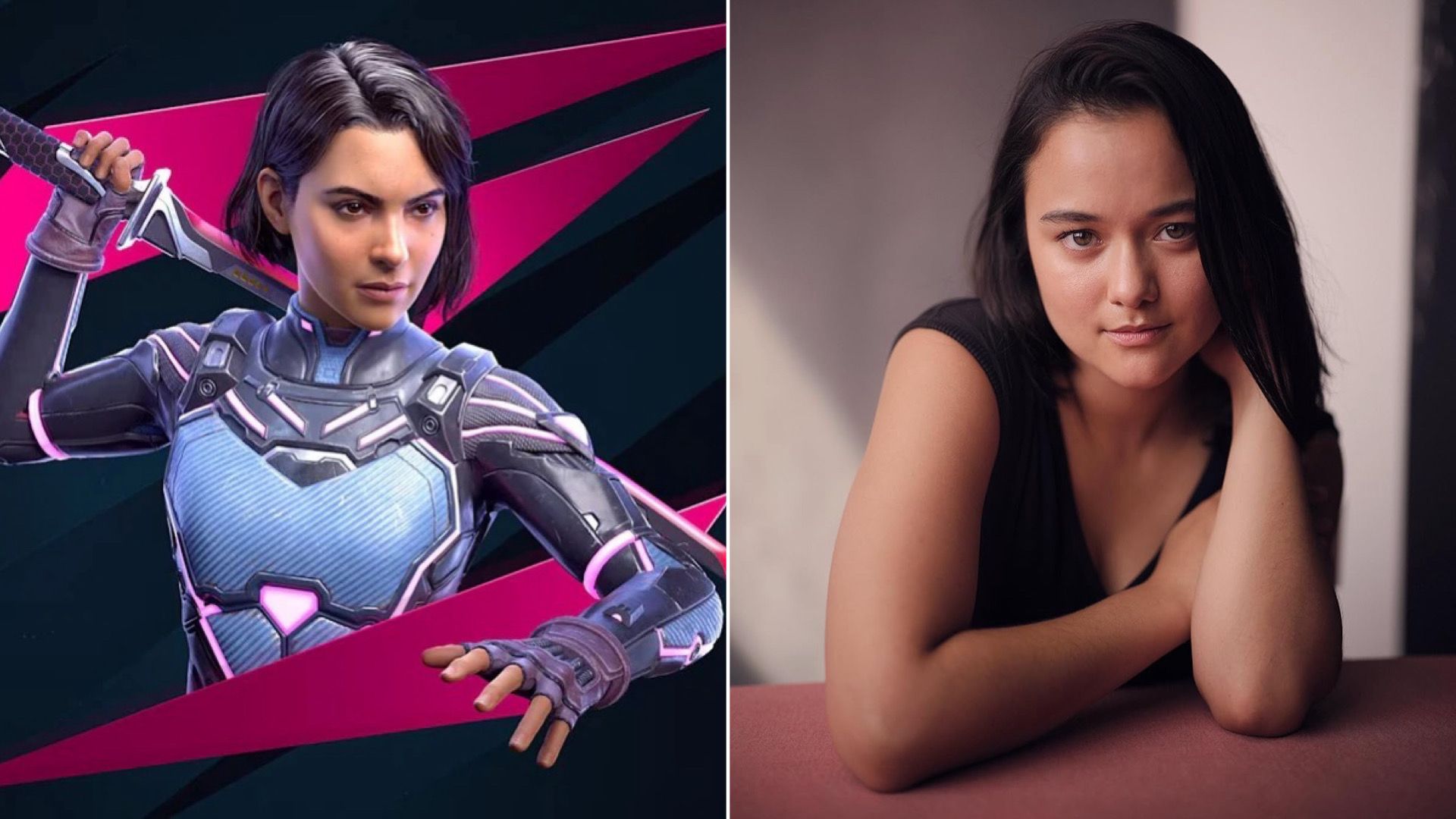
I recently had the pleasure of interviewing Kaja Chan, who voices the character Mio. We had a great conversation about her experience working on the project, and it quickly became a really engaging discussion. She was wonderful to talk to and shared some fascinating insights.
The interview primarily centers on Kaja’s role as Mio in Split Fiction, which is nominated for several awards at the BAFTAs. Kaja is also nominated for Best Performer for her outstanding work as Mio. Beyond that, we also chatted about various topics related to the world of gaming.
You’ll find the full interview below. I wasn’t able to learn about any specific games she’s working on, but it’s clear she has several projects in the works. That means we can look forward to seeing more of Kaja in the future, which is great news! Please enjoy reading the interview.
Interview with Kaja Chan
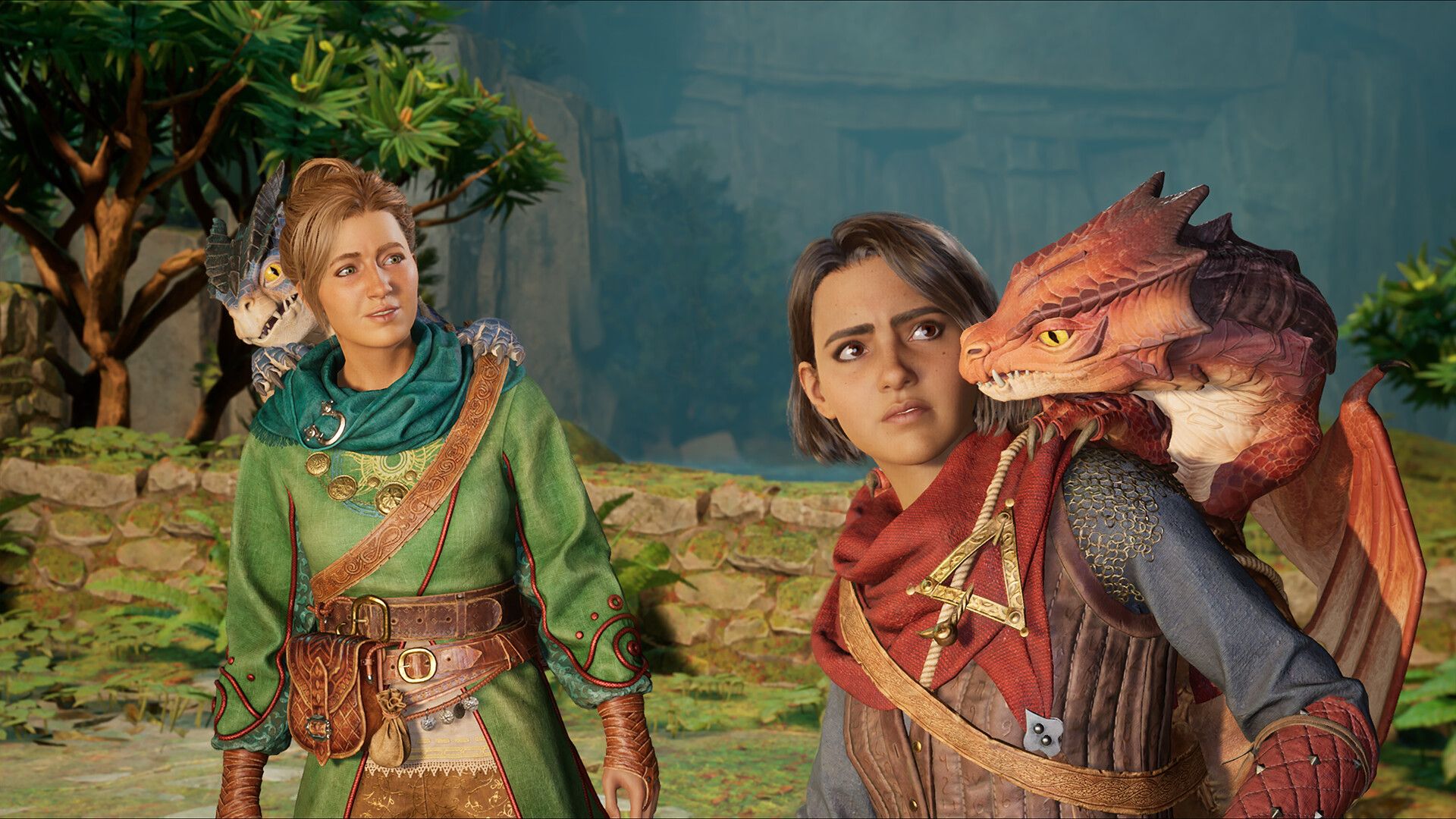
I actually got into the video game world through working on Mio and Split Fiction, though it took three years to develop, so other projects came out before it. Surprisingly, my first job in gaming was as the main playable character – it was a really lucky break! I sort of stumbled into the industry and immediately had success, which isn’t typical for an actor. Since then, I’ve been fortunate enough to play other leading roles in games, like Soa in FoamStars, but Mio was definitely the most complex and well-developed character I’ve portrayed so far.
The biggest difference with roles like that is having a lot more creative control as an actor. When I played Emma Lee in Cyberpunk, I only had one day of recording. She’s a minor character in the Dogtown area. I went in, read my lines, and didn’t even know what Cyberpunk was about until I was actually in the recording booth! That’s when I realized the lines were for the ‘Phantom Liberty’ expansion. I asked them for some context, but they wouldn’t tell me anything. I even pointed out that I was essentially doing their job – they could at least tell me what game I was working on!
Unlike many game characters like Mio and those in Split Fiction, you really get to experience a long, involved story with them. You can influence how they begin and shape their development, and that’s what I find most appealing.
That’s a funny point about Cyberpunk – they didn’t really advertise that information upfront. So, it seems like you might be a gamer, since you’re familiar with the game. It’s not a mainstream topic, so I wouldn’t expect everyone to know about it. Do you play games often? Is it a hobby, or do you follow the gaming world for your job?
I spent a lot of my childhood playing online games like Poptropica, Neopets, and Club Penguin. I was also really into the games that were popular on Facebook at the time, like Tetris, Pet Society, It Girl, and Zoo Paradise. I think I got so into these games because my parents didn’t want to get a video game console – they were worried it would take over our lives!
I’m relatively new to the world of complex games like Cyberpunk and similar titles. However, I’ve been keeping a close watch on the video game industry lately, which is how I became aware of Cyberpunk in the first place. Since the game is developed by the Polish company CD Projekt Red, and I’m also Polish, I first heard about it through connections within the Polish film and gaming communities.
That’s great! Since your work with Hazelight was your first voice acting experience, and Split Fiction is their second game after It Takes Two, were you familiar with the project when you auditioned? Or did you just think it sounded interesting?
When my agent sent me the audition notice, it said it was from the team behind the BAFTA-winning game, It Takes Two. As an actor, that immediately grabbed my attention! I definitely thought, “Okay, this is something I need to pay attention to.” I hadn’t actually heard of It Takes Two before, so I did some research on them and Hazelight Studios. I even started playing the game to get a better feel for what it was all about!
I went into the game knowing what to expect, but I was still completely blown away. What really stood out was how much the storytelling took center stage. I used to feel intimidated by games that prioritized complex rules or strategy, but It Takes Two felt different – it was like playing through a Disney or Pixar movie, which was perfect for someone like me who loves a good story first and foremost. That’s what initially drew me to it.
It’s great to see actors taking the time to really understand their roles. I’ve spoken to many who simply view it as a job, so any effort to do research is really commendable.
Many people outside the voiceover industry probably imagine a long and complicated process to land a role – lots of auditions, self-tapes, and callbacks. And sometimes that happens! But more often than not, my agent will call me out of the blue. Someone will have found my demo reel online and wants me to work on a project. It’s usually as simple as, ‘Are you interested?’
It often happens unexpectedly – someone asks if I’m available, I say yes, and suddenly I’m working on something like Cyberpunk. This industry is full of happy accidents and surprising opportunities, a bit like seeing behind the scenes of a magic trick. But that’s part of the fun – you never quite know what exciting project you’ll be tackling next.
Let’s talk about Split Fiction. I think Mio is the more emotionally impactful character, though the other actor is doing a great job too. It just feels like Mio’s story is really at the heart of the game. What aspects of Mio did you personally connect with?
I get asked about this a lot, probably because I don’t seem like Mio on the surface. But I really connect with her core feelings: a strong need to connect with others, to be seen and loved. At the same time, she’s terrified of getting hurt. I tend to respond to that fear by clinging to my friendships, trying to hold on tight. Mio, though, does the opposite – she withdraws completely to avoid being hurt, so she doesn’t even attempt to reach out.
There are a couple of common ways the fear of losing loved ones or feeling disconnected shows up. Many people seem to connect with Mio, even though she can be a bit harsh or guarded at times. It’s something a lot of people have shared – they really understand what she’s going through.
People connect with her because it’s become increasingly difficult to admit we need support and connection in today’s world. Many of us feel lonely, especially after the pandemic, and deeply desire to be understood, cared for, and loved, but struggle to express those needs.
That was a really good answer, it actually made me a little emotional! I’m getting a bit overwhelmed now.
It’s amazing that we’re able to connect like this, playing this game! That’s what’s so special about characters like Mio in Split Fiction – people from all over the world can come together. I’ve been working on this for years, and it’s incredible to actually be talking about connection while playing a game about a character trying to connect with others. It’s a bit meta, but really cool!
Everything feels interconnected in the story. I think a big part of what made Mio such a compelling character was the voice acting – it conveyed a lot of depth and meaning. She initially comes across as tough and guarded, and at first, she seems like she’ll create more problems than solutions. But it was great seeing her grow and change throughout the story. I was curious, how did you approach playing her development from someone so stern and closed off to someone who could be emotionally open and vulnerable with a stranger?
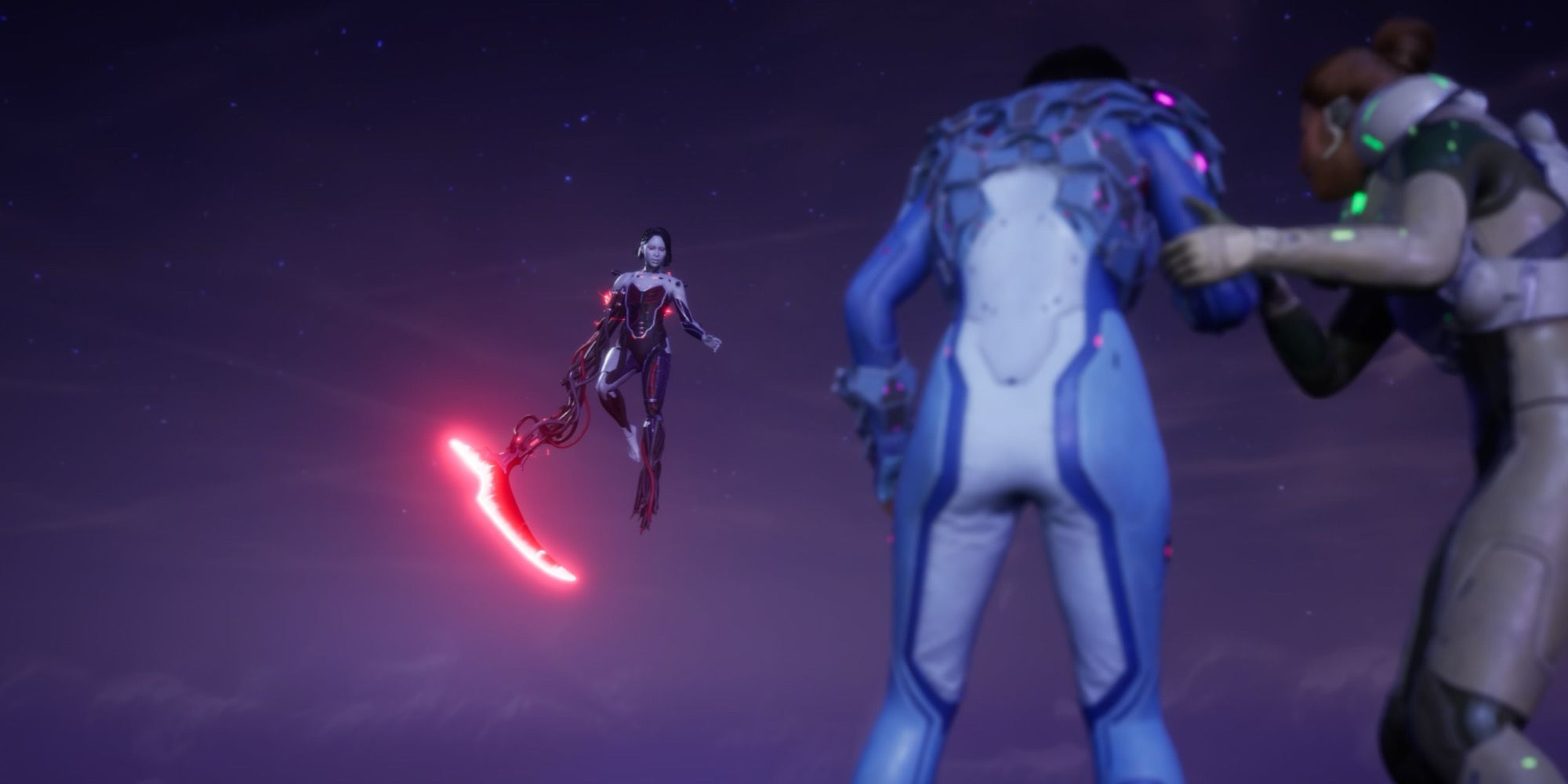
I was really looking forward to playing Mio because of her fragile and tense nature. It’s challenging – and honestly a little draining – as an actor to embody that constant discomfort. You really feel it physically, a tightness in your chest, as you play her fear and resentment. But that’s exciting! Mio’s actions always stemmed from a good place – she genuinely wanted to break free from the simulation and stop Rader. She just wasn’t interested in being nice about it, and didn’t see any point in trying to become friends with Zoe to get what she wanted.
Over time, we refined the scenes and fleshed out the character of Mio using motion capture and voice acting. The process was incredibly demanding – it felt like my computer was overheating! But that initial strain gradually transformed into something smoother and more natural. Zoe, brought to life by Elsie’s amazing performance, is so loving, warm, and captivating that it challenges Mio’s ability to maintain her guardedness. How can you stay tense and closed off when someone like Zoe is so open and affectionate?
It’s really challenging, but the moments I enjoyed most were when Mio began to overcome her fear and trust Zoe. Seeing that friendship develop was just a beautiful experience to play through.
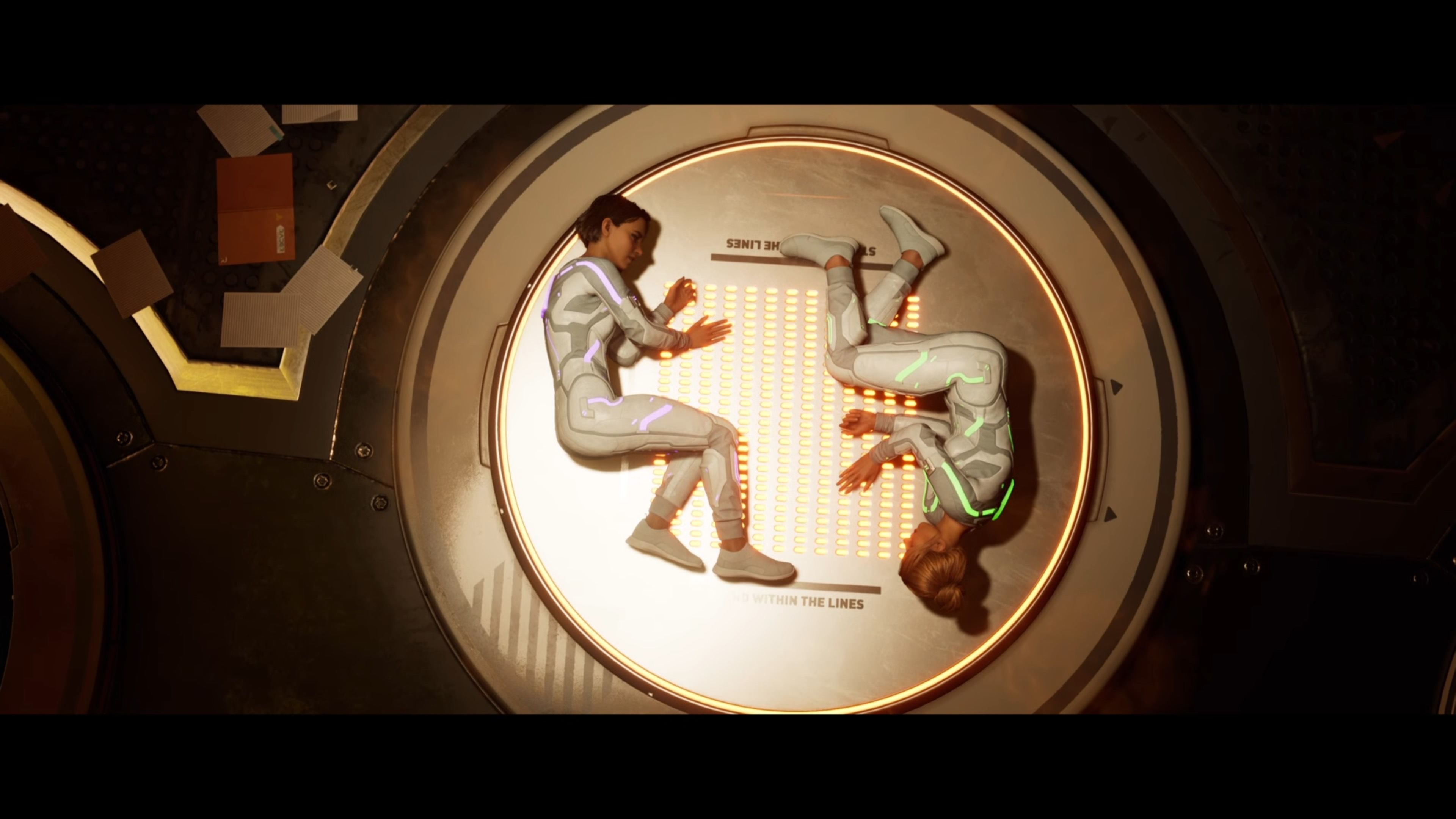
I really enjoyed it – you two had fantastic chemistry, not just on screen. The characters were distinct, yet they shared similar struggles and both used writing as a way to cope with their pasts, which I found really clever. You both played off each other incredibly well throughout the whole thing.
I was really impressed! It’s often hard when you have two talented performers – whether they’re actors or voice actors – because they don’t always click when paired together. But you two worked really well, and everything felt natural, even with such a wild story.
It was great seeing you two connect so well. What was your experience working with her? Was it what you anticipated, or did it exceed your expectations?
From the very beginning, everything felt right. It’s hard to explain chemistry between people – science might never fully understand it – but I knew instantly I had a connection with her when I saw her at the audition. I felt like if I got the part, it would be because of her. It was an immediate feeling, almost like a platonic love at first sight. We connected on Instagram after the audition, and I had this strange but peaceful feeling that we’d definitely see each other again, either on this project or something else down the line.
It’s wonderful working with Elsie – she’s hilarious, delightful, and always positive and approachable. She doesn’t get bogged down in perfecting every little detail. Unlike some actors who obsess over takes and want to redo everything, Elsie is relaxed, funny, and incredibly practical. She’s just a really grounded person, and I’m so thankful to have her in my life – I think I always will be.
We’ll definitely keep in touch. I’m actually sending her a voice message right now. She hasn’t responded yet, but I still believe she cares about me. Overall, it was a wonderful experience.
That sounds fantastic! Okay, let’s get back to discussing the details of Split Fiction. I like to ask everyone this question, though I don’t usually get a very detailed answer, but I enjoy hearing people’s thoughts.
As a huge fan – and someone who actually studied game design and loves writing – I always get really excited when actors put their own spin on a character. It’s amazing to see them try different things, maybe suggest a new line or approach. For me, it’s especially cool because as a writer, you create a character on paper, but then seeing an actor become that character, and even reveal sides you hadn’t considered, is just fascinating. It’s like they’re adding layers to something you thought you already knew!
I’m really curious about how much freedom the actors had! Did they get to improvise at all, or were they strictly following the script? Knowing Hazelight’s previous work, I’d be surprised if it was all scripted, but I’d love to hear about the process.
When I began working on Split Fiction, I was inexperienced with acting in games and hesitant to improvise or suggest changes to the script. As we got to know the team and developed our characters, they really started to feel like our own. Eventually, the director, Seba, realized Elsie and I understood Mio and Zoe better than he did. He then started adapting scenes to better fit our natural way of speaking and performing. We’d often be rehearsing the motion capture and realize something just didn’t feel authentic.
We often explored different approaches – ‘What if we tried this?’ or ‘What if we tried that?’ – but the motion capture process wasn’t completely freeform. Because any mistake meant the entire take was unusable, we couldn’t really improvise much. Everything had to be perfect from start to finish. While we had a lot of creative control over what our characters, Mio and Zoe, said during rehearsals, we had to be careful not to talk over each other, as that would make editing difficult.
We had a lot of fun with the voiceover, especially recording the quick lines characters shout during gameplay. There were some really silly scenarios, like when Mio was stuck in a porta-potty and Zoe had to literally throw it across the area to get her out! We’d record lines like, ‘Zoe, what are you doing?! Oh my gosh, what did that person eat?’ The great thing was we had the freedom to play around, improvise, and the team could piece everything together creatively. That’s where most of the playful and spontaneous moments came from.
I really appreciate it when actors have some creative input on a project. Often, things start strong, but can become awkward if directors become overly rigid and insist on very specific choices, even if there’s room for improvement. It’s great to hear about a fun and collaborative atmosphere, and I especially remember being surprised by the story about the portable toilet – it was completely unexpected!
I was just thrown into that situation, but you’ve hit on something really important. The best directors and storytellers let their actors truly embody a character and make it their own. If you try to control a voice actor and force them into a narrow idea of who the character is, you won’t get a great performance. It’ll sound forced and unnatural, and actors are very aware of that kind of direction.
Good casting is about finding the right actor for the part and then giving them the freedom to really embody the character. When actors are allowed to play and have fun, that energy comes across to the audience. Thankfully, the director Josef Fares and the team at Hazelight completely trusted Elsie and me to explore our characters and make them our own, which allowed us to really bring them to life. That’s what I think is most important.
I really like it, it’s a fantastic approach. I agree with it, so I’m on board. Earlier we briefly mentioned the voice acting and motion capture for the character Mio. What was that experience like, considering her incredibly emotional and challenging journey throughout the story?
The character had extreme emotional swings – really high highs and very low lows – and it was fascinating to watch. I really enjoyed her portrayal and was curious about your experience playing her. Was it challenging to access such intense emotions, especially given your naturally cheerful and kind personality? Your character, Mio, is quite different from you, so what was it like finding that voice and embodying her?
Honestly, working on this project was really enjoyable, not difficult at all. It was freeing to lose myself in the story and play Mio. I actually feel more centered now, because I spent so much time focusing on Mio’s own sense of calm. The emotionally charged scenes were tough, but mostly because I wanted to make sure they felt authentic and served the story. I kept asking myself things like, ‘Will this line resonate? Is it too sentimental? How can Mio express her feelings to Zoe without revealing her reluctance to get close to people?’
It wouldn’t make sense for her to suddenly launch into a long speech about her emotions without having first worked on expressing them. While figuring out how to tell that story was tricky, actually performing those emotional moments was incredibly rewarding. I felt completely immersed in understanding her perspective, and since it’s so different from how I usually think and feel, it was a lot of fun to become her.
Whenever the director yelled ‘cut,’ I’d playfully announce, ‘My name’s Kaja, and I’m back!’ But as soon as they said ‘action,’ I’d immediately switch to my character, becoming Mio and saying, ‘I don’t want to talk to you,’ with a serious tone.
It’s really rewarding when a role helps you learn and grow as a person. It’s more than just acting; you take something meaningful away from the experience that stays with you long after the project is over.
Players have told me that playing the game helped them understand themselves better, often by connecting with the characters Mio and Zoe, or by learning more about their relationships with the other players. However, I don’t think people appreciate how much we learn about ourselves through the process of actually creating the game.
Acting is unique because it often involves portraying someone or something you didn’t create yourself – essentially becoming a different person. While you always strive to do a good job and stay true to the role, it’s a very different process than most other kinds of work.
I really enjoy talking with actors and voice actors – their work is fascinating and challenging. It’s amazing what they do, and it’s wonderful how acting can help people understand themselves better, both the characters they portray and their own personal qualities.
As a gamer, I’ve always been fascinated by voice acting, and Kaja Chan really hits the nail on the head when she talks about how crucial it is. She didn’t go the traditional drama school route when she moved to London to act, and she felt pretty insecure about that at first. But tons of actors, teachers, and directors kept telling her the best thing she could do was focus on voice training, and honestly, that advice stuck with me – it’s like leveling up your most important skill!
These weren’t people focused solely on video games or voiceover work; they were actors across all mediums – film, TV, theater, and games. I believe voice work is a powerful tool for exploring your range and improving your storytelling. That’s why I encourage everyone, whether they’re actors or not, to experiment with the possibilities of their voice.
Absolutely, I completely agree. I think how someone delivers their lines – their rhythm and how they react – is much more important than just their physical presence as an actor. As a big fan of video games and anime, I often notice that even well-known actors aren’t always great at voice acting.
Honestly, it’s pretty good, but the voice acting just doesn’t quite feel right. I really think a professional voice actor would have taken it to the next level. Voice work is so important – it can really make or break something, you know? When it’s done well, it just elevates everything.
It’s amazing how meaning can come across even without understanding the words. Think about overhearing an argument in a language you don’t know – you might not know what they’re arguing about, whether it’s something small like groceries or something big like an inheritance. But you can probably still tell how important it is just by the tone of their voices. That same principle applies to games and all kinds of performances – you can convey meaning through delivery even without explicit understanding.
That’s a great point. Let’s move on to the awards Split Fiction has received – it’s really exciting! It’s been nominated for a BAFTA, and it actually won an award at the Ultra Game Awards for being the best multiplayer game to play with friends. It’s also been nominated for many other awards. I checked because I was sure it had won something, though this year had a lot of strong contenders.
Kaja Chan highlighted the amazing games released this year, but expressed disappointment that Grand Theft Auto 6 wasn’t among them, playfully asking where it is.
Regarding the BAFTA awards, Hazelight had already proven themselves – their previous game actually won Game of the Year when it was released. I remember working at GameStop and constantly having customers ask for a great co-op game to play with a friend, and I always recommended It Takes Two.
Okay, this is a weird question, I admit! But with how popular this studio is, anything’s possible, right? When I was working on the game – either during auditions or actually performing – did I have a feeling it would be a big hit or get nominated for awards? Or was I just hoping for the best, like, “Wouldn’t that be cool?”
As actors, it’s important to focus on the work itself and not worry too much about how something will be received. I’ve been on projects I thought were amazing, even potential hits on Netflix, but sometimes a major world event happens around the release, and no one’s focused on watching. Or, even if everything goes smoothly, another huge show might come out right after and overshadow yours, no matter how good it is.
I’ve learned from experience that it’s impossible to accurately predict how any project will do. We were confident Split Fiction would be a success – we even thought millions would play it. But I don’t think I truly grasped what that meant until the game launched. When it sold around 2 million copies in the first week – maybe even more – it hit me. Considering it’s a game designed for local co-op, we estimated around 4 million people could have been playing it at its peak.
It didn’t really hit me until I saw the viewership numbers – suddenly, I realized our work was reaching millions of people, which was incredible! That’s when the sheer scale of the project became clear. But when you’re actually making a game, you’re focused on the fun of building the story and the world. If you worry too much about how it will be received, it can stifle the creative process right from the start.
I completely agree. I really believe in focusing on the process itself. Doing something correctly is its own reward. While winning or receiving awards is fantastic, simply doing a good job is satisfying enough.
Sometimes, Josef Fares would burst into the motion capture studio, full of energy. He’d be like, ‘I just came from the gym, I’m feeling amazing, and we’re going to win all sorts of awards – BAFTAs, Game of the Year, the works!’ It was hilarious – totally unexpected and just him trying to pump everyone up. It was all in good fun, though. We never really had serious conversations about awards or what the awards season might hold for the game.
It’s great that you’re getting recognition! You’re now part of the awards season conversation, and I understand you’ve been longlisted for Best Lead Actor for your role as Mio – that’s fantastic!
It was a really exciting surprise! I was just browsing Instagram when I suddenly saw something about the BAFTA Games nominations. I honestly didn’t expect it and had to double-check to make sure it was actually me they were talking about.
Absolutely, it was well-deserved. As I mentioned before, you really brought a lot of depth and personality to a character that was incredibly challenging to play. Mio is a complex person, as we’ve discussed, with a lot going on internally. She’s not the type of main character who immediately wins everyone over, and that’s perfectly fine. You did an excellent job portraying her, particularly in the early parts of the story, and really did her justice.
I chose to play as Mio in the game because my girlfriend wanted to be the cheerful, optimistic character. She really loved that personality, so I happily took on the role of the tougher, more serious cyberpunk character. But as I played the beginning of the game, I kept noticing how unhappy Mio seemed – she definitely wasn’t enjoying herself.
Kaja Chan: Question for you, though, did it ever turn you off of Mio?
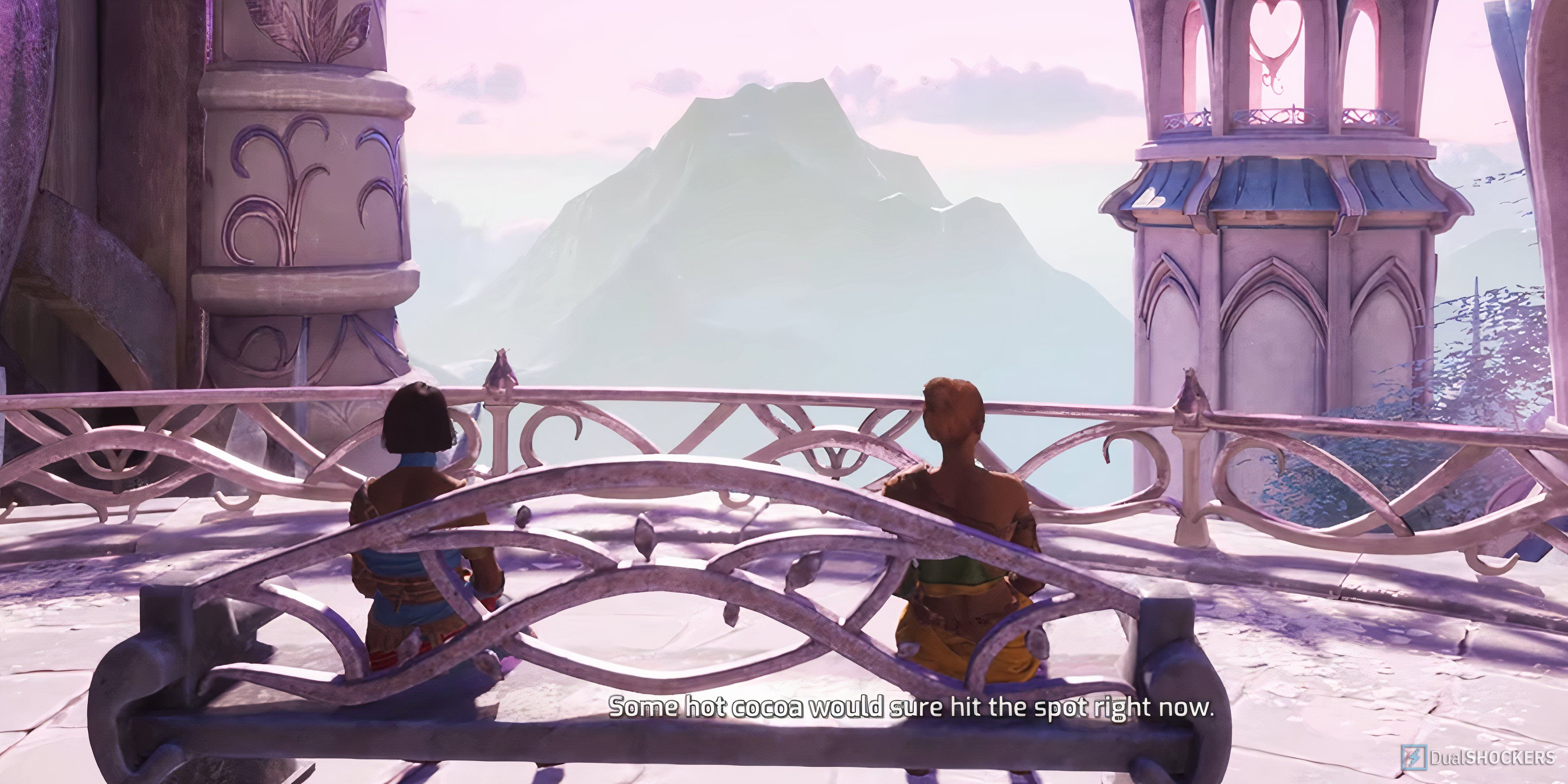
From the start, it was clear things were going to shift. I’m someone who really focuses on the story when I play video games, and I tend to think ahead about where things are going. I immediately sensed a change when Mio was introduced in the elevator scene – it felt like a setup for what was to come.
We have two very different personalities – one is practical and direct, and the other is cheerful and optimistic. Their interactions will definitely create some drama. It didn’t necessarily bother me, but she was definitely more assertive and not afraid to challenge things – she wasn’t exactly down-to-earth, but she wasn’t afraid of a confrontation.
I wondered about that because Josef and I spent a lot of time figuring out how to portray Mio’s strong and sometimes harsh personality without making players dislike her. It’s a big ask for someone to spend 14 hours playing as a character, so we wanted to make sure players connected with her right away.
There were times during filming where I came across as very intense, and Josef would gently ask me to tone it down. He’d suggest I try a softer approach, saying something like, “Could you do that, but maybe be a little nicer?”
Q. Boo. Let me be mean.
I said, “What do you mean I can’t portray an unpleasant character?” A friend who plays games started playing Split Fiction, but she had to stop. She told me it was strange hearing my voice coming from that character, and that it bothered her because she knows I’m a kinder person in real life. She said the character’s harshness was upsetting and she couldn’t continue playing. It’s definitely not for everyone, but I think a lot of people can relate to the character despite its flaws.
I think a lot of people might see her as harsh, but it’s not without reason. I personally connected with her character because I often feel the same way – I try to be friendly, but I also need to focus on the task at hand and maintain professional boundaries. I sometimes think, ‘I’m here to work, not to make friends.’
It’s incredibly freeing to play a character, or for me as an actor, who doesn’t feel the need to make everyone happy. She has absolutely no tolerance for dishonesty, especially with herself. Actually, that’s not quite right – she doesn’t try to deceive others, but she’s constantly fooling herself about how much she truly wants and needs connection and affection.
I thought you did a fantastic job portraying a character who starts off distant but grows throughout the story, all while staying true to herself. It’s challenging to do that, especially considering the deeply traumatic experiences she goes through. We often talk about it as a series of adventures, but it’s important to recognize the real trauma at the heart of it.
It really hits home when you think about what Mio and Zoe experience. They go through something truly terrifying – imagine being stuck inside a simulation! It’s a crazy idea, but that’s what made it so easy to act. The situation Josef created for us was genuinely frightening, and that fear was easy to access and portray. It was just… really scary.
Yeah, it really was good. You all did an amazing job, and the game was a huge success – it sold incredibly well, so…
Kaja Chan: These might have done 50 million copies sold across their games this week.
That number doesn’t include potential sales from things like friend passes, so the total could actually be around 100 million copies.
Kaja Chan: Yeah, exactly.
Q. It takes two people, so you know.
Kaja Chan: It Takes Two.
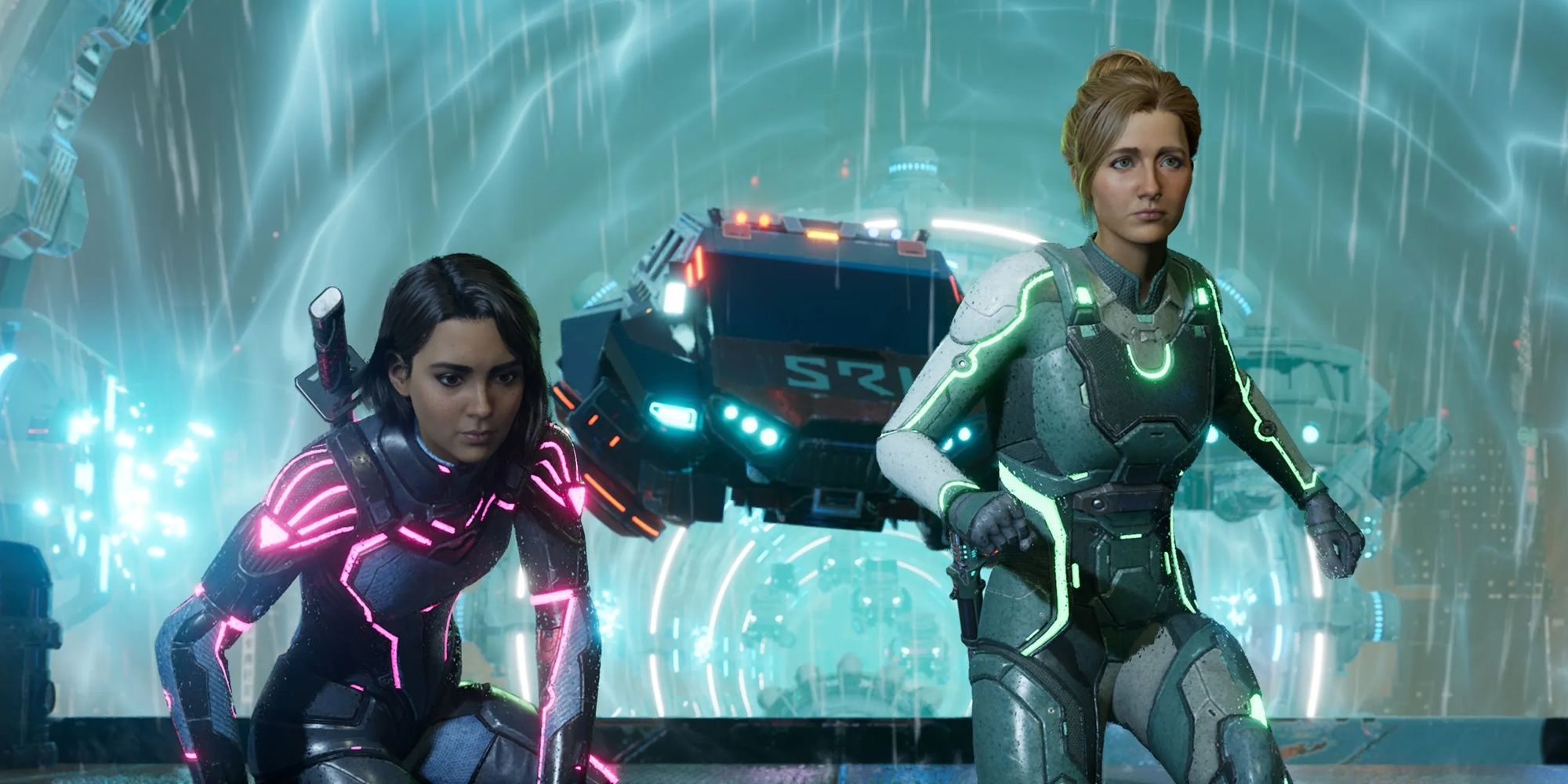
So, it really takes collaboration, and it’s interesting how things come back around. I just have a couple more questions. I’m curious about the differences and similarities between voice acting, stage acting, and just… acting in general. It all feels like acting to me, but it’s clear they’re quite different, even though there’s overlap. I’ve actually asked other voice actors what they think about this too.
Are there any aspects of voice acting you find surprisingly enjoyable, or perhaps less enjoyable than you expected? Or maybe things you thought you’d prefer in traditional acting, but actually prefer in voice work, or the other way around? Basically, what differences have you noticed between the two?
Subscribe to the newsletter for more game creator interviews
I’m definitely a driven and organized person – maybe it’s because of my Hong Kong heritage. I always strive for punctuality and getting things done right, and I can be a bit of a perfectionist. But as someone in a creative field, I know perfectionism can actually stifle creativity. Voiceover work is different, though. It’s a medium where I can truly relax and let go of that need for control. Stepping into a voiceover booth – especially when there’s no camera – allows me to do just that.
It’s a really different feeling when I’m performing live. You’re aware of the audience, and honestly, part of me just wants to disappear! But then, when you lose yourself in the words, it’s incredible. It feels like the language is flowing through me, and I just become a vessel for it. It’s almost like I’m a puppet, and the words are pulling the strings. I don’t think you get that same freedom in film acting. There’s so much focus on hitting your marks, staying in the light, and making sure everything looks right within the camera frame. It’s just… different. It’s a different kind of play, you know?
Filmmaking involves a lot of technical details to ensure the story comes across well. While you can be very expressive on set, that energy doesn’t always translate effectively to the screen. Voice acting, on the other hand, offers endless opportunities for experimentation. If a performance choice doesn’t work, it’s easy to re-record a line in just a couple of minutes. With film and TV, a risky performance choice can be costly and time-consuming to fix, which limits creative freedom due to the practical constraints of the medium.
Live theater offers incredible creative freedom. Actors have a surprising amount of control once a performance begins – the audience is completely at their mercy! They could stick to the script or completely improvise, even doing something unexpected. But they’re performing for a room full of people, anywhere from a couple to a thousand. Voice acting, on the other hand, is a much more intimate experience. It’s just you and the microphone, and that connection is really unique.
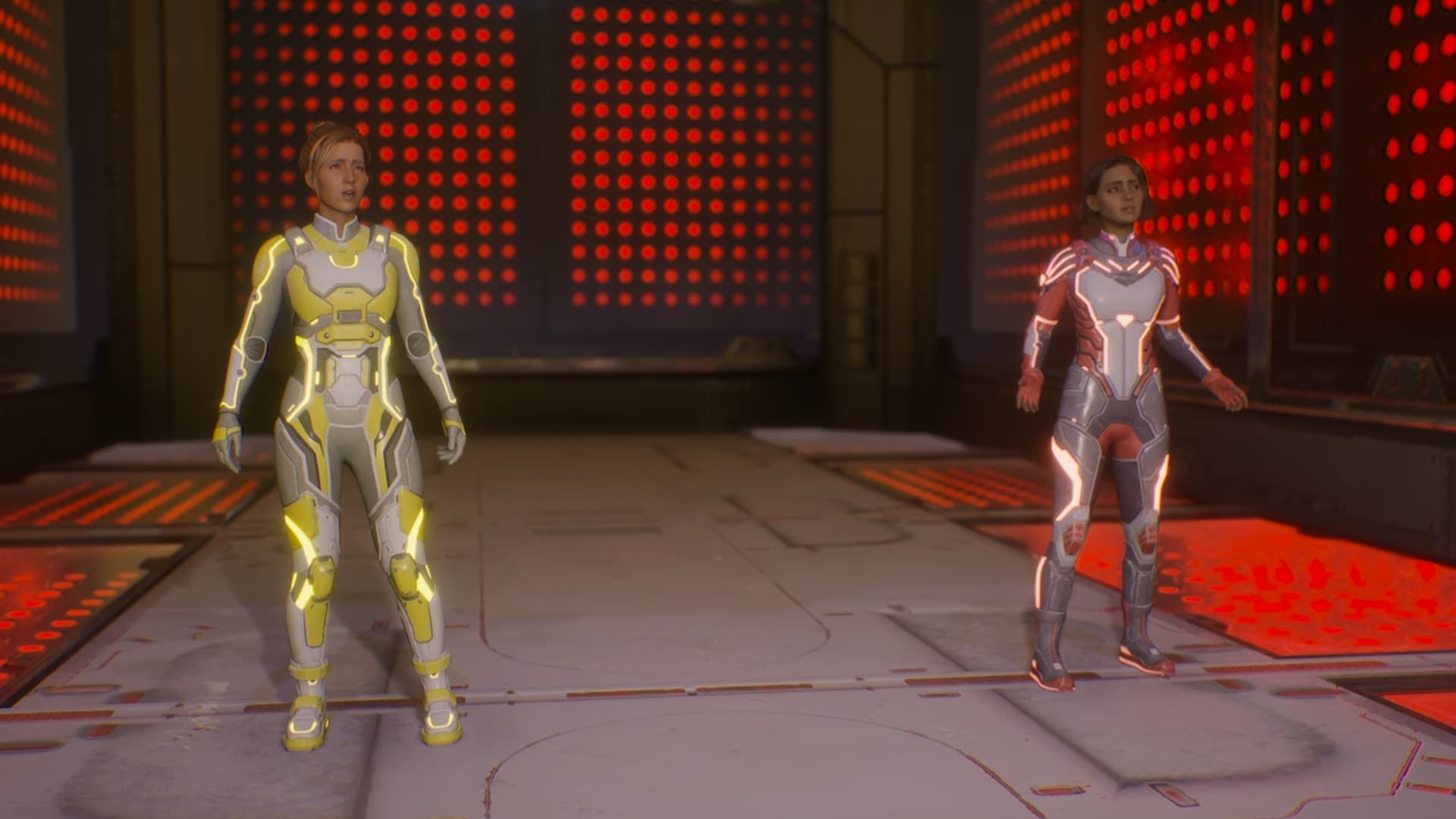
That was a great answer, thank you. Okay, so this question might be a little unusual, but I’m always curious to learn more. You’ve worked on a huge number of projects recently, both in video games and television. I believe I counted around nine games you’ve been involved with.
I’ve seen all of your work, and I think it’s around eight or nine projects total. Starting with Cyberpunk – though I understand that wasn’t the first one you worked on – and going up to your latest show, Grace. Do you have anything new in development that you’re excited about and able to discuss? Your expression suggests you might!
Okay, everyone, give me a moment! I’m a little flustered. I’m definitely not going to talk about games right now – I have a feeling it would bring me bad luck! So, let’s switch gears. I just finished working on a really cool independent film with the amazing director, Maria Pawlikowska.
I’m incredibly excited about this project. Film sets can sometimes be disastrous, but this one felt truly special. I can’t wait for people to see it, and I’m especially looking forward to watching it for the first time – maybe at a cast and crew screening or the premiere.
I’m really excited about how this movie is turning out, because it’s completely unpredictable! Usually, when I read a script, I have a pretty good idea of the final product. But with this one, I honestly have no clue what it’s going to look like – I’ve been filming for a month and I’m still surprised by it. I’m eager for everyone to see it, and honestly, I don’t know any more about it than you do right now.
That sounds good – it’s smart to keep things confidential. By not sharing too many details with me, you’re protecting the information, which is great. I’m really excited to hear more when you’re ready to share, and I’m happy to know there’s likely more video game work on the horizon.
I’m so thrilled to hear about your BAFTA nomination! You’re an incredible actress, and it’s fantastic to see your work in ‘Split Fiction’ getting recognized, especially for Leading Role. Honestly, I really hope ‘Split Fiction’ sweeps the awards – it absolutely deserves all the praise it gets.
What’s really rewarding about Hazelight’s work is the connection it creates with players. They don’t need awards to know their game resonated with people and had a positive impact. When I meet fans at events, they’re so happy and share how the game brought them closer to loved ones – like playing with a young child or connecting with a partner. That kind of feedback is incredibly meaningful for the team, and it’s just as motivating as any award or nomination.
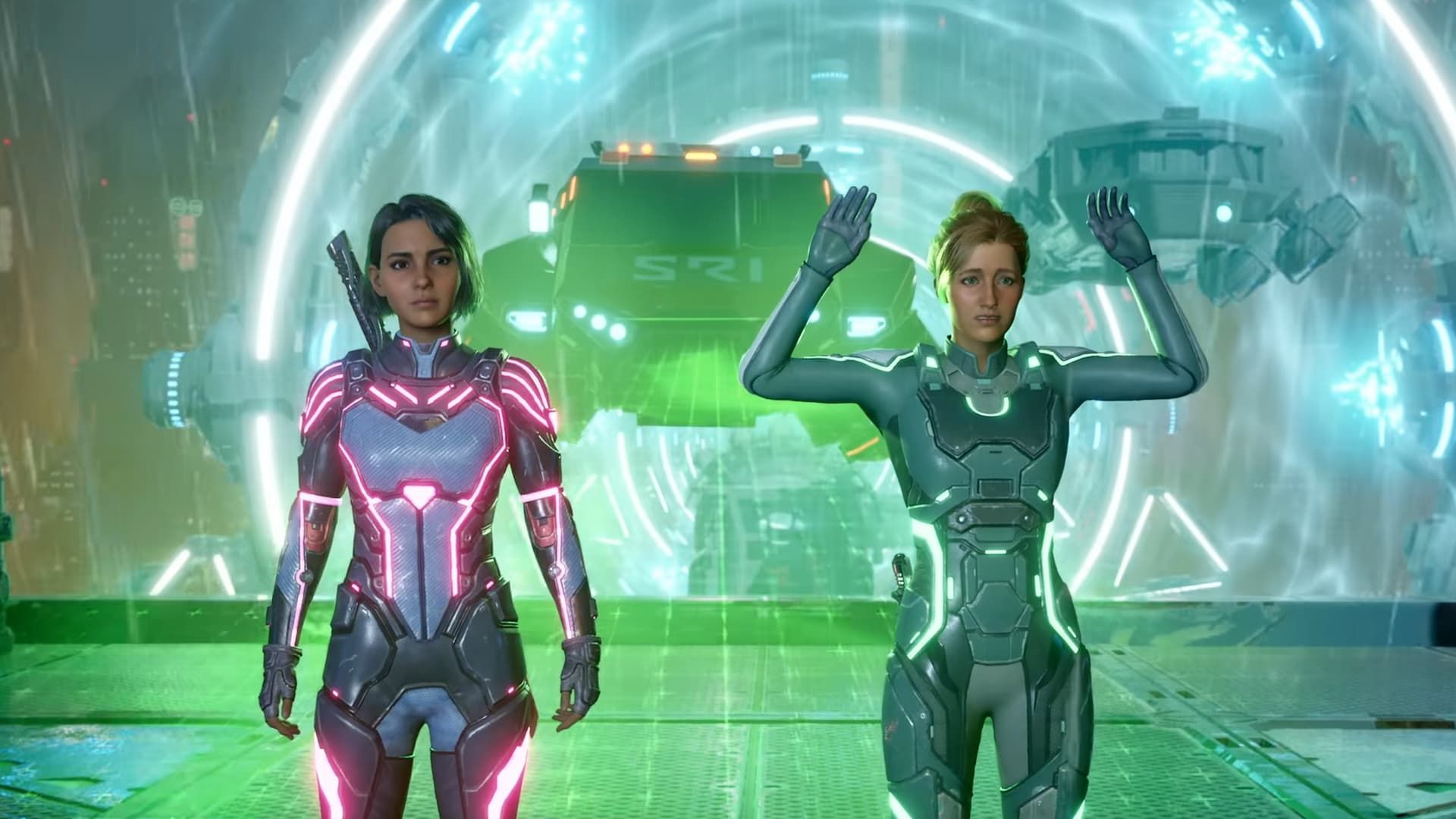
Image Via Hazelight Studios
I remember when It Takes Two was first released vividly. I was working at GameStop back then, and I was following the game closely. Before I started writing about games or working in the industry, I was just a regular consumer, always trying to find out what was new. Honestly, that perspective – being on the outside looking in – was really exciting.
I clearly underestimated this game when it first came out! I thought it would be a relaxed experience – something my girlfriend and I could easily play together on the couch, since it was split-screen. I figured it wouldn’t be too challenging. But as we started playing, the story unfolded, and it quickly became clear this wasn’t a lighthearted game at all. It’s actually about divorce! Talk about an awkward gaming session with your girlfriend – it definitely wasn’t the ‘easy win’ I was expecting.
Kaja Chan: Yeah, they smack you with that early on, don’t they?
The trailer didn’t reveal much about the plot at all. I initially thought they were just having relationship problems and trying to rekindle their love, but it turns out they’re actually getting divorced! That’s when I decided I’d be interested in whatever projects they come up with next, no matter what it is.
Okay, so I was playing, and they pulled this thing again, and I honestly thought, “They’re getting away with murder!” Seriously, the writing was just incredible – the characters felt real, and the story was amazing. What really got me with Split Fiction was how they could take these totally wild situations and stakes and just make them believable. I never once thought, “Wait, that doesn’t make sense,” because everything flowed so well and just… clicked. It was seriously impressive.
Kaja Chan acknowledges that Josef’s idea is clever and daring – blending science fiction and fantasy. While those genres both deal with grand stories and high stakes, she admits they don’t immediately seem like a natural fit. If she were considering the project early on, her main concern would be whether audiences would accept such a combination, feeling it might come across as trying to have it both ways. She’d want the creators to fully commit to one vision rather than sitting on the fence.
Will viewers accept the shifts between these different storylines? I’ve been reviewing many of the ‘Split Fiction’ scenes, and they’re surprisingly effective. The story maintains a strong emotional core that connects the separate worlds, and that’s where director Josef Fares really shines – it’s a testament to his skill and creativity.
Q. Good. Well, he needs to keep making games, so I can keep playing them.
Kaja Chan: He’s not gonna stop anytime soon, Shane.

That’s good to hear. I enjoy playing video games – I’m a bit of a mischievous person, honestly. But I think the story really started to come alive, especially with Split Fiction, because of how you and Elsie immediately embodied your characters. It was clear from the beginning that there was more to the story than met the eye. I particularly loved how the introduction of the fantasy world established the tone and direction of everything right away.
If you enjoyed It Takes Two, you’ll likely see some familiar elements. However, our new game, set in Mio’s First World, feels quite different. It’s not just the sci-fi and cyberpunk setting—the story has much higher stakes, and you really start to understand what Mio is like as a character.
It’s impressive how well you portrayed that. She’s a very complex character, but overall, I think it all comes together beautifully to create a truly amazing game. Alright, that’s all my questions, and we’ve definitely run over our scheduled time.
Kaja Chan: It really has hasn’t it? I did invite that, didn’t I?
Thank you so much for taking the time to talk with me; I really enjoyed it! I always love connecting with the talented people – actors, voice actors, anyone – who bring my favorite stories to life.
Kaja Chan: Yeah. Well, that’s perfect.
Wow, Kaja, thank you so much! This conversation was amazing, you’re so much fun to talk to! It’s really got me thinking, and I think I might replay Split Fiction. Now that I’ve met you and heard about Mio, I’m sure it’ll be a totally new experience – it’s like realizing those characters are all different people with their own voices!
Kaja Chan: Yeah, no, you weren’t talking to Mio today.
Read More
- United Airlines can now kick passengers off flights and ban them for not using headphones
- Solo Leveling’s New Manhwa Chapter Revives a Forgotten LGBTQ Story After 2 Years
- The Boys Season 5 Spoilers: Every Major Character Death If the Show Follows the Comics
- Grok’s ‘Ask’ feature no longer free as X moves it behind paywall
- Mewgenics vinyl limited editions now available to pre-order
- Gold Rate Forecast
- Assassin’s Creed Shadows will get upgraded PSSR support on PS5 Pro with Title Update 1.1.9 launching April 7
- How to Get to the Undercoast in Esoteric Ebb
- TikToker’s viral search for soulmate “Mike” takes brutal turn after his wife responds
- Nintendo Officially Rewrites Princess Peach After 41 Years
2026-04-12 16:19