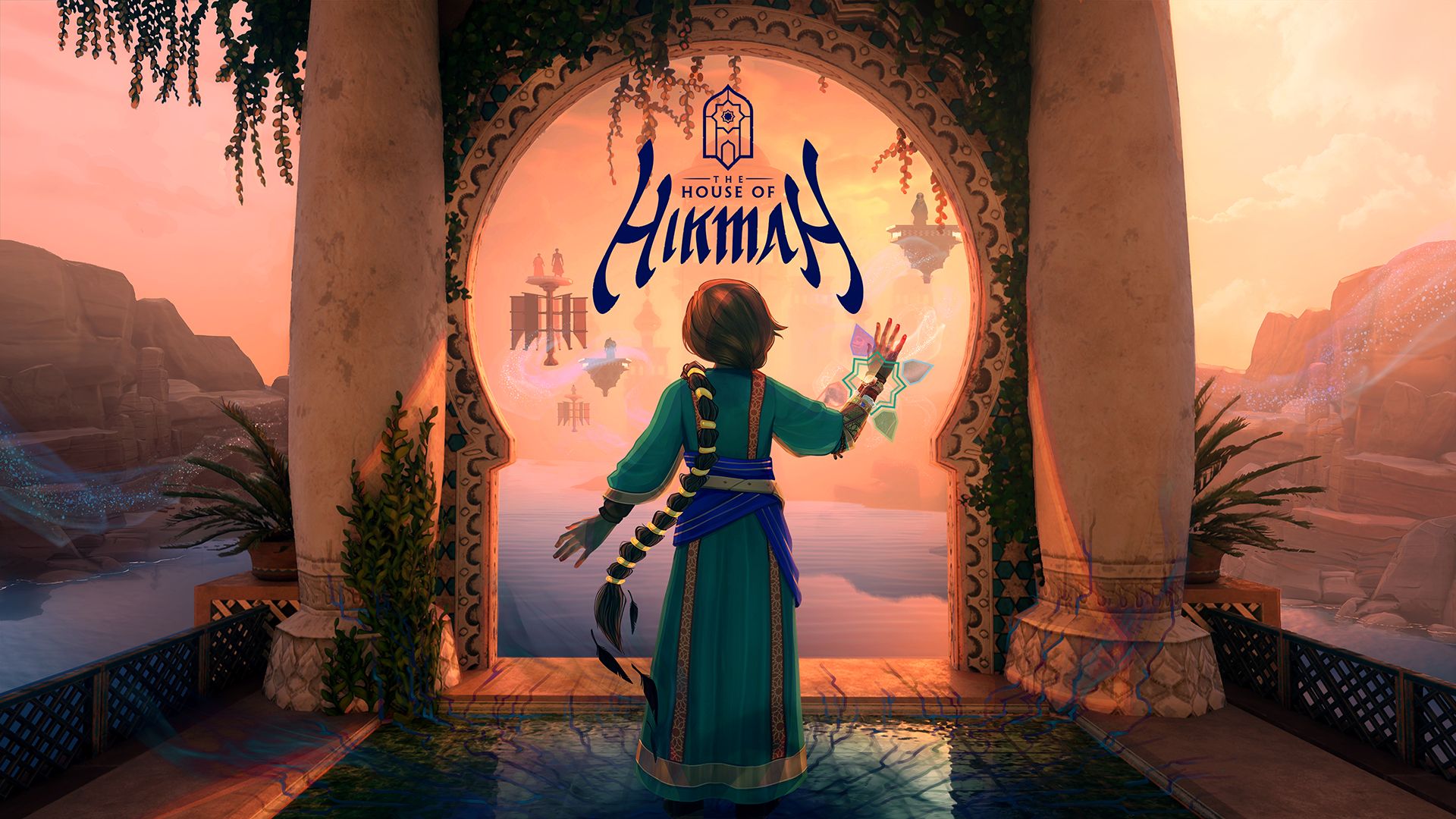
There have been many memorable story-driven games, particularly lately. However, a few truly shine, such as Mass Effect.
So why should you care? Lunacy Studios is developing a new puzzle game with a compelling story, and the team behind it includes experienced developers who’ve worked on popular titles like Mass Effect, Life is Strange, and Assassin’s Creed.
I was so excited to recently interview Faris Attieh, the founder and creative director of Lunacy Studios! They haven’t released anything yet, but their first project sounds amazing – it’s really ambitious and unlike anything I’ve heard about before.
The House of Hikmah is a game that bravely explores the complex emotions of grief, a universal experience. I spoke with Faris about what inspired the game and how the studio approached such a sensitive subject.
You can find more information about the captivating game, The House of Hikmah, on its Steam page.
Interview with Faris Attieh of Lunacy Studios
I’m excited to be speaking with you today, Mr. Faris, about your new game. I’m one of the first to learn about it, and I really appreciate you sharing it with me.
Of course, thank you for having me.
It’s great to be here. Let’s get started. I’m curious what led you to create a game dealing with such challenging subjects. You’ve mentioned personal loss as an influence, and I’d love to hear more about that if you’re willing to share.
I lost my dad five years before starting this new path, and I’ve experienced other losses since then. Because of this, I’ve unexpectedly become something of an expert on grief. Alongside that, I decided I wanted to pursue a career in game development.
I always had a story I wanted to tell, and over time, it felt right to tell it as a game. The core of that story was about dealing with the loss of a parent, something I personally experienced. As I thought about it more, I realized that all losses are different – they affect people in unique ways. Losing a close friend feels very different than losing a parent, for example, and each experience has its own particular emotional weight.
Everyone experiences grief, and that’s really where this idea began. I wish I’d had something like this game when my dad unexpectedly passed away when I was young. My friends hadn’t dealt with a similar loss, so I turned to video games and movies to escape and find something I could connect with. But I couldn’t find anything that truly resonated with what I was feeling. Now, I want to create something that can help others the way I wish I’d been helped – that’s my main goal.
That’s wonderful. Could you share what grief means to you and the team?
That’s a great question, and it’s something I’ve been thinking about too. Our team is fully remote, with members spread across the globe – from California and Canada to Europe and the Middle East. What struck me is that a common thread connecting everyone was grief. Many team members had experienced loss, either before or even during the game’s development. While everyone’s experience was unique, there was a shared understanding and unspoken empathy among those who had gone through it.
It’s fascinating how much the game connects to personal experiences. After my dad passed away, I had incredibly vivid dreams about him for a whole year, and I initially thought it was just me processing grief. Years later, some team members, without knowing my story, shared they’d had similar experiences with intense dreams after losing someone. We connected over that – it was interesting to realize our brains might be trying to make sense of death and its lasting impact through these vivid dreams. It was a really moving discovery.
During the music recording, we faced a unique challenge: the musicians only spoke Arabic, while our composer only spoke English. It was amazing to see which musicians instantly understood what was needed without any translation. Similarly, when it came to conveying the emotion of grief – especially the loss of a parent – some musicians grasped the feeling immediately and began playing. It was truly fascinating to witness this kind of cross-cultural understanding, even without a shared language.
It’s amazing how shared experiences can bring people together, even when there’s a language difference. It really highlights our ability to connect and understand each other in different ways. Let’s shift gears a bit. From the trailer, it looks like this game focuses on puzzles. I’m curious, how challenging do you think those puzzles will be? Will they be more about enjoying the process of figuring things out, or will they be genuinely difficult and require a lot of thought?
When we were making this game, we really didn’t want it to just be a story you walk through with maybe a few simple puzzles thrown in. We wanted it to feel like a game, a proper experience, even though the story is the main focus. So, the puzzles aren’t meant to be super frustrating or impossible, but we definitely wanted you to spend some time thinking and figuring things out yourself. We wanted that ‘game’ part to really be there.
Beyond that, our puzzles aren’t based on repeating a single idea over and over, like in Portal. Each level features unique challenges, and even within a single level, puzzles often require different approaches and logic. This variety is intentional – we want to keep players guessing and reflect the challenging journey Maya undertakes, keeping them fully engaged throughout the game.
It’s always more engaging to create something new rather than just turning familiar puzzles into a game. Speaking of puzzles, is there one in particular you’re especially eager for players to experience? Perhaps something you designed yourself, or one you’re curious to see how players will solve?
Each level of the game focuses on the work of a brilliant scholar – a true polymath who excelled in many different fields. While these scholars were involved in various areas, we chose to highlight one specific aspect of their work. For instance, if a scholar studied both alchemy and geology, we concentrated solely on their alchemical pursuits.
Ibn Sina was a brilliant scholar, considered the father of medicine, but he also explored the mind and soul. We drew inspiration from his work for a level in the game that focuses on introspection, particularly Maya’s relationship with her father and her personal journey. This level really blends the story, puzzles, and gameplay in a unique and beautiful way, and it’s one I’m particularly proud of.
When it came to portraying famous philosophers, did you have a challenging time figuring out how to approach it, or did you quickly decide on a specific direction and stick to it?
Initially, we spent a lot of time researching, but while the internet offered plenty of information, it was difficult to sift through and often required translation. We then turned to books and consulted historians. We quickly realized we had no reliable information about what these individuals looked like or their personalities – only their work remained. We saw this as a creative opportunity, allowing us to focus on and celebrate their accomplishments through their surviving work.
We also wanted to make the characters interesting and unique, so viewers could recognize them even just by their shapes. We based their personalities on what we knew about them historically, whenever possible. For example, Ibn Haytham supposedly pretended to be insane to avoid being imprisoned after a failed engineering project, so we imagined he lived with paranoia afterward and included that in his character. Similarly, Ibn Hayyan, being a chemist who needed precision, we portrayed as a meticulous and well-groomed man – unusual for the period.
We had a lot of fun developing a vibrant and engaging group of characters. This allowed us to balance the story’s heavier themes of grief with plenty of lighthearted and funny moments. The characters really provided opportunities for both drama and comedy.
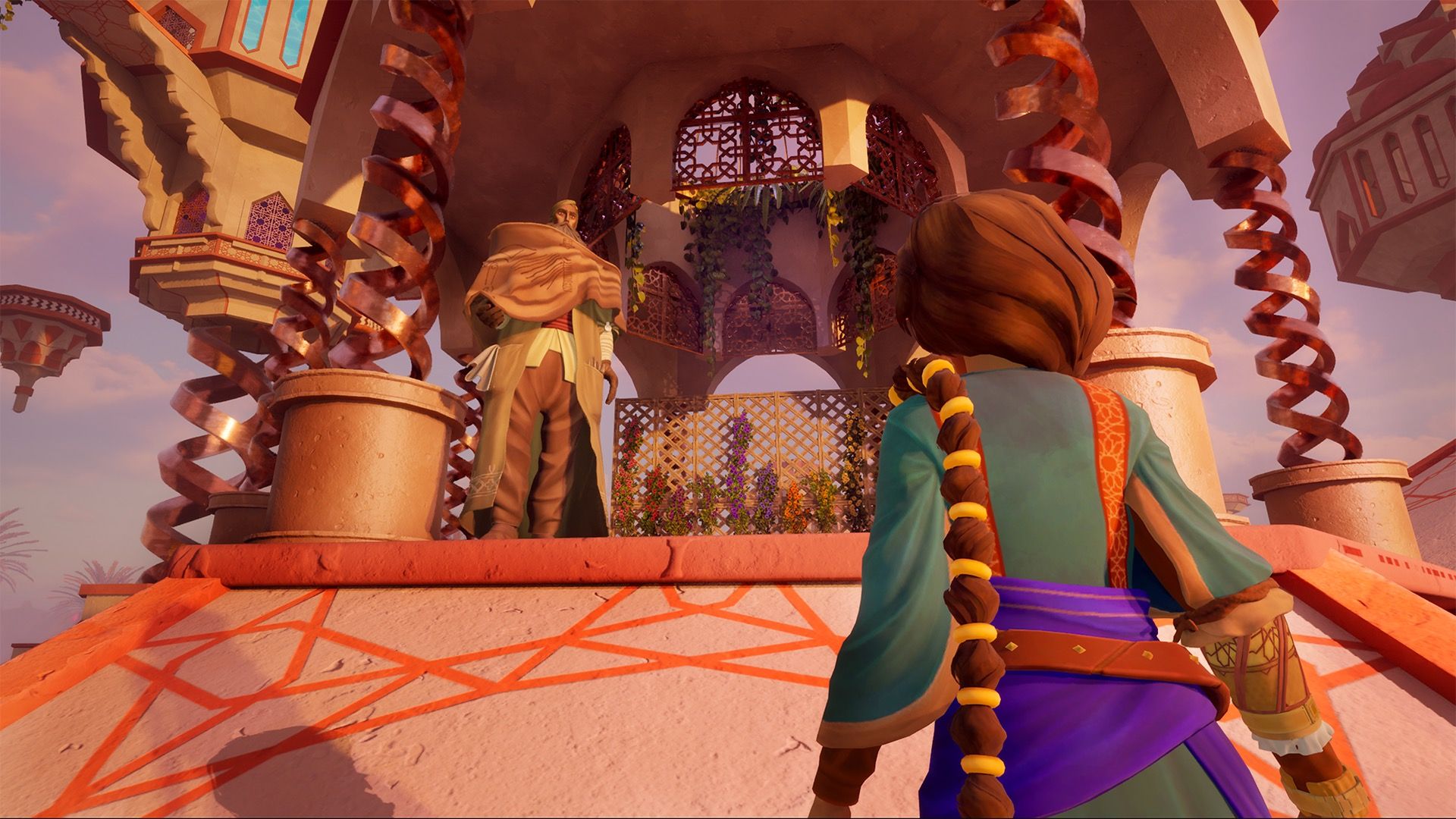
That’s a great segue to my next question. Many people use humor to cope with grief, so I’m curious what led you and your team to incorporate it into a story that mainly deals with sadness and loss?
Our studio has a really relaxed and playful atmosphere. We’re always joking around, even during meetings sometimes – it’s just how we are. We’re not a serious or overly dramatic group, and that naturally comes across in our work.
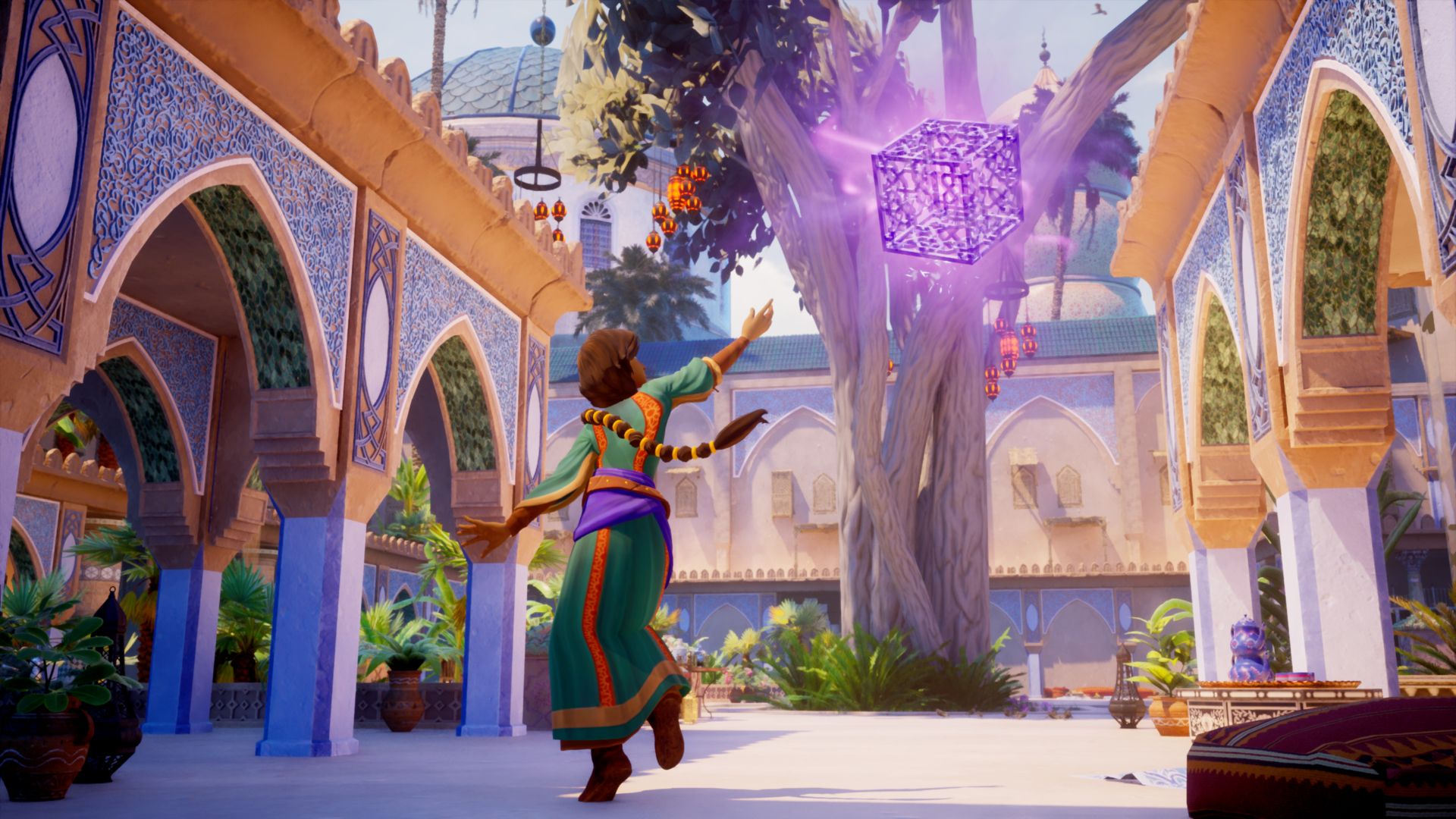
We deliberately chose to tell the story from a child’s perspective. The main character is a 14-year-old girl, and we wanted to capture her sense of wonder and see the world through her eyes. We used vibrant colors to create a visually striking contrast with the story’s more serious and melancholic themes.
We all agreed early on that focusing too much on heavy themes, both in the overall story and in what the player experiences, could be overwhelming and turn players away. It also doesn’t reflect how people naturally grieve. When we experience loss, we tend to celebrate the lives of those we’ve lost, sharing stories and finding moments of joy even during difficult times like funerals. That feels like a crucial part of the grieving process, so it felt like the right approach for the game.
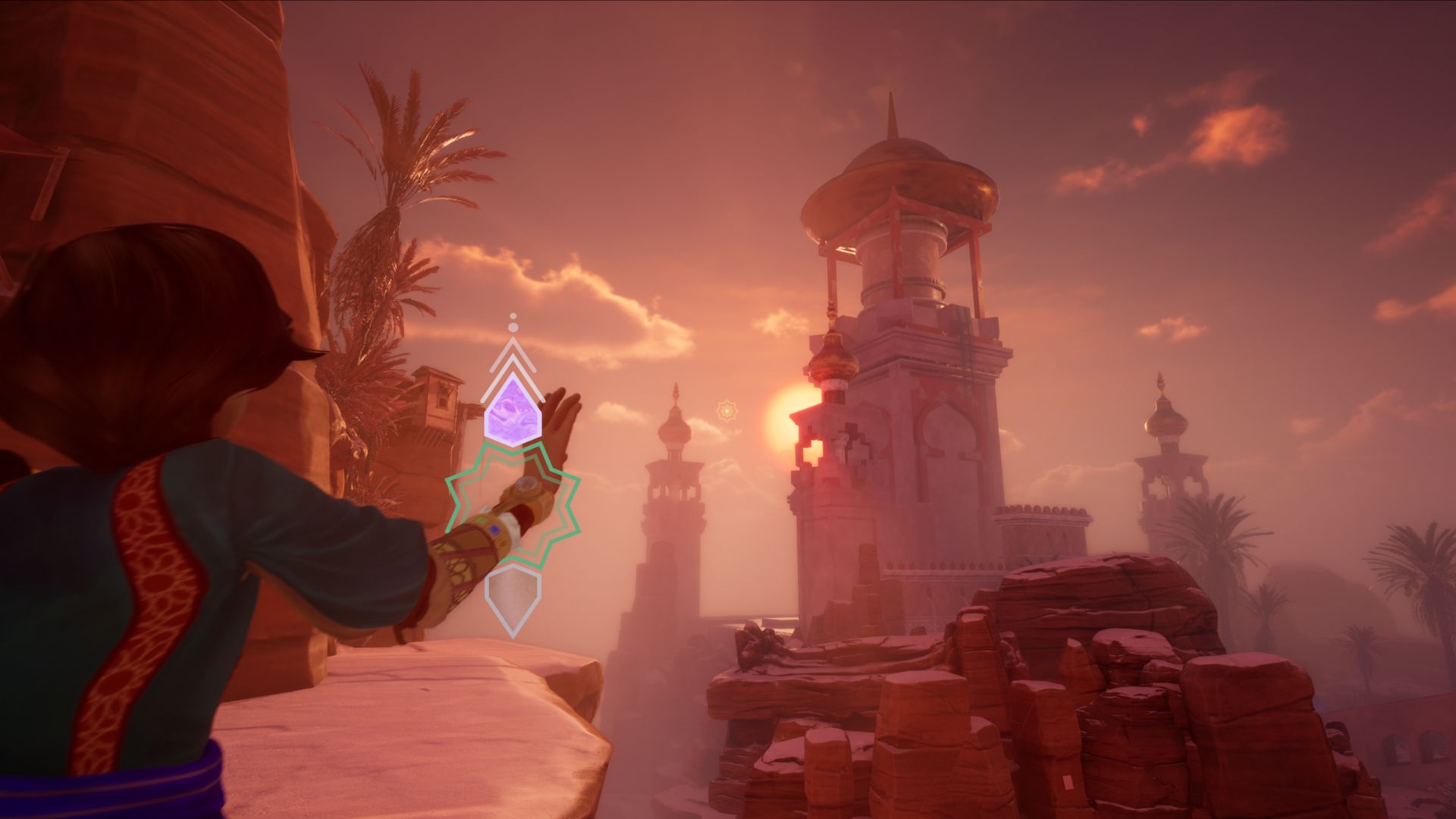
I completely understand that everyone copes with things in their own way – some with humor, others differently. As someone who tends to be upbeat, I appreciate that. Regarding your artwork, I was surprised by the style, especially considering the subject matter. I initially expected something more serious, perhaps darker or more subdued. Instead, it’s very colorful and beautiful. I’m curious about how you arrived at this particular art style. Was it a deliberate choice, or did it evolve organically from a sketch or idea?
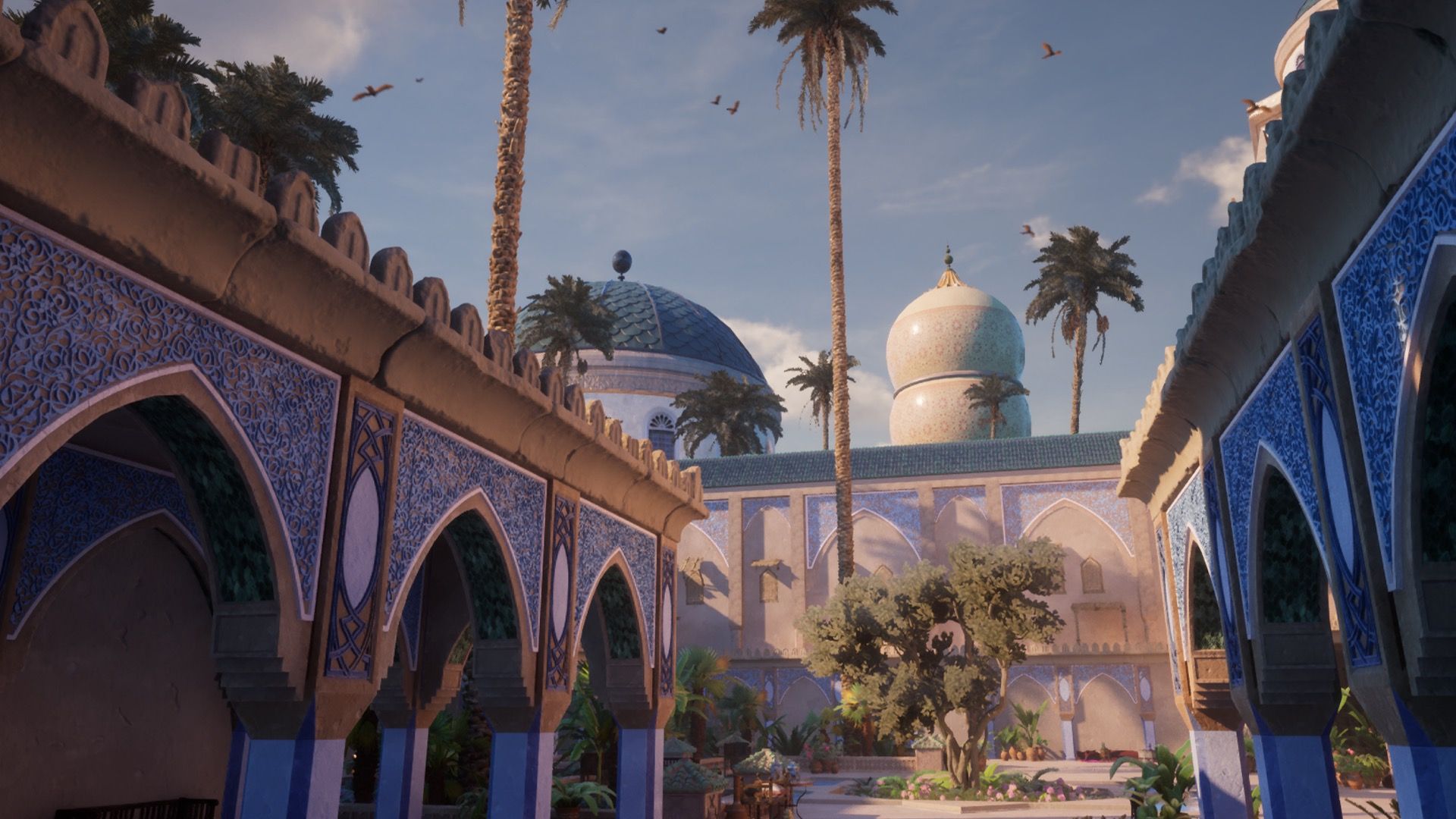
Absolutely. We really wanted to tell the story through the perspective of a child. We also aimed to highlight contrasts, as we discussed. Importantly, we deliberately chose to set the story during the Islamic Golden Age, which was a period of incredible advancement in science, philosophy, mathematics, architecture, and engineering. We wanted to showcase this region at its most brilliant and flourishing – a truly beautiful time in history.
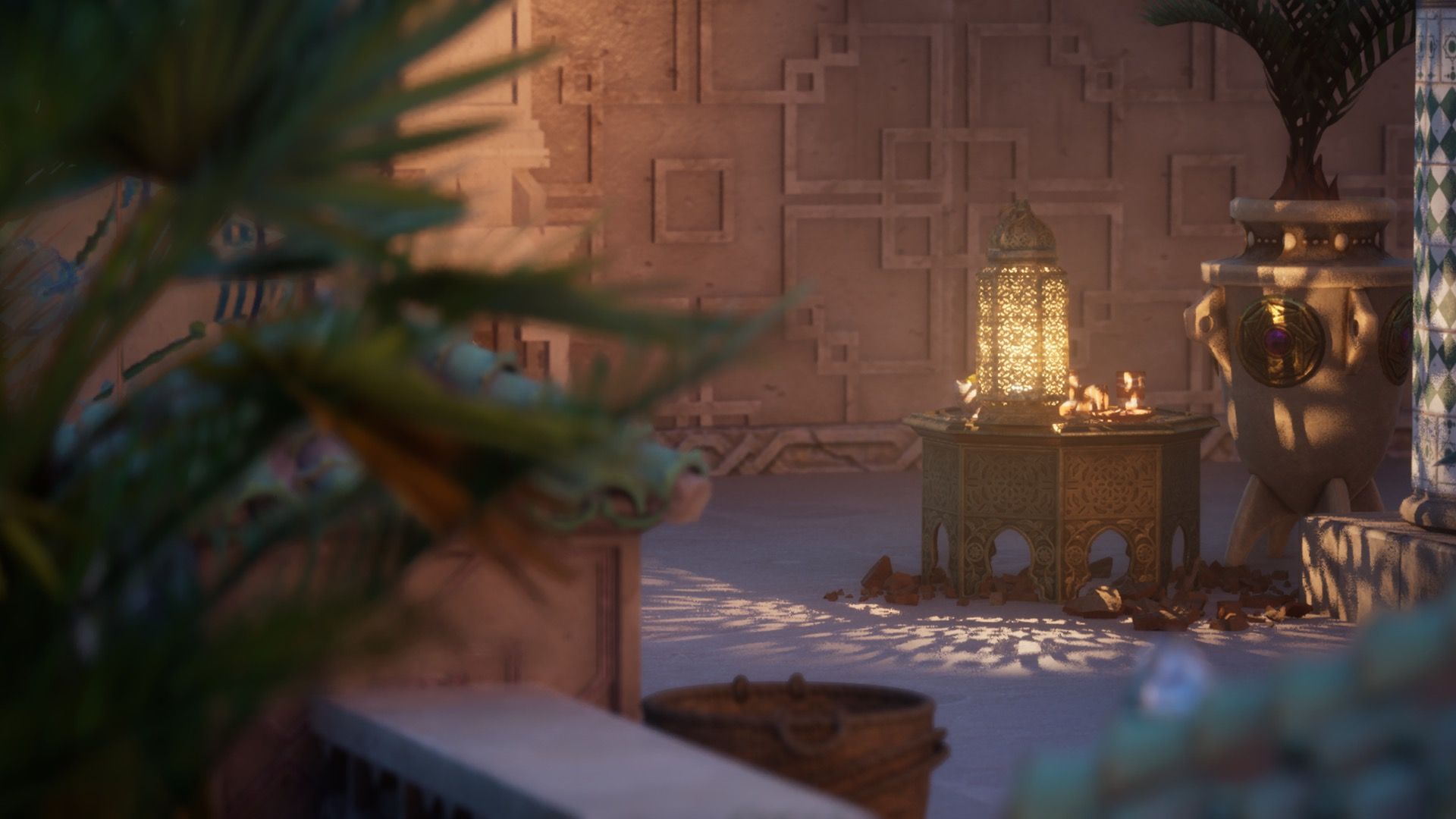
We really wanted to showcase the beauty and richness of Middle Eastern art and history in the game, moving away from the typical depictions often seen in media like Call of Duty. We looked to historical sources, particularly the Islamic Golden Age, to create a celebration of the region and its culture at its peak. The game levels are set in fantastical, yet historically inspired, environments, allowing us to explore this period with a sense of wonder and imagination. It was about creating something beautiful and different, and letting players experience a more positive and imaginative side of the region’s history.
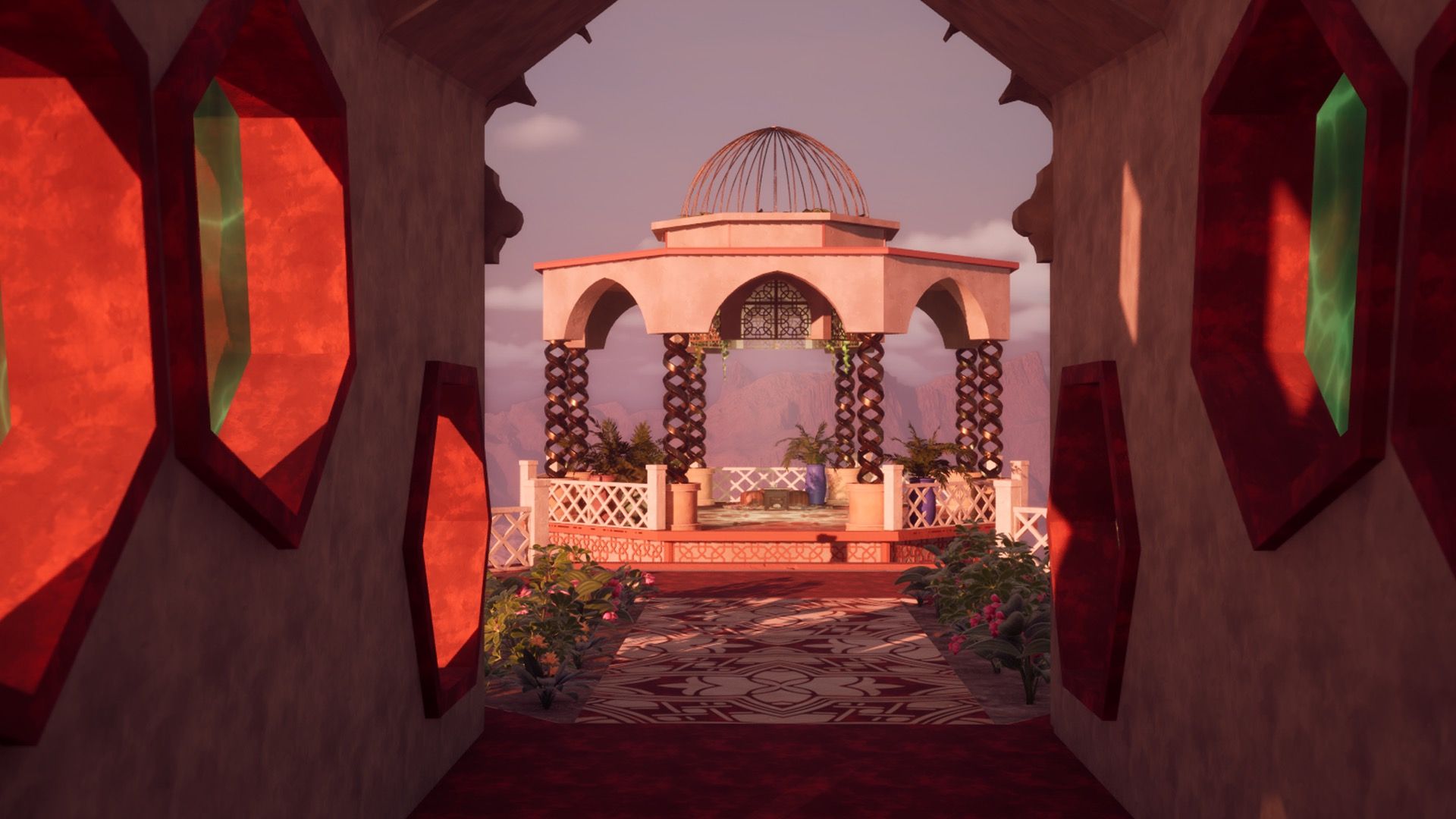
A big inspiration for our work came from films like Pan’s Labyrinth. We were struck by how the ‘real world’ in that movie felt muted and lacked color. Then, when the character enters a fantastical world – a bit like falling down the rabbit hole – everything becomes vibrant and different, with both positive and negative aspects. We really loved that strong contrast between the two worlds and used it as an early guiding principle for our own work.
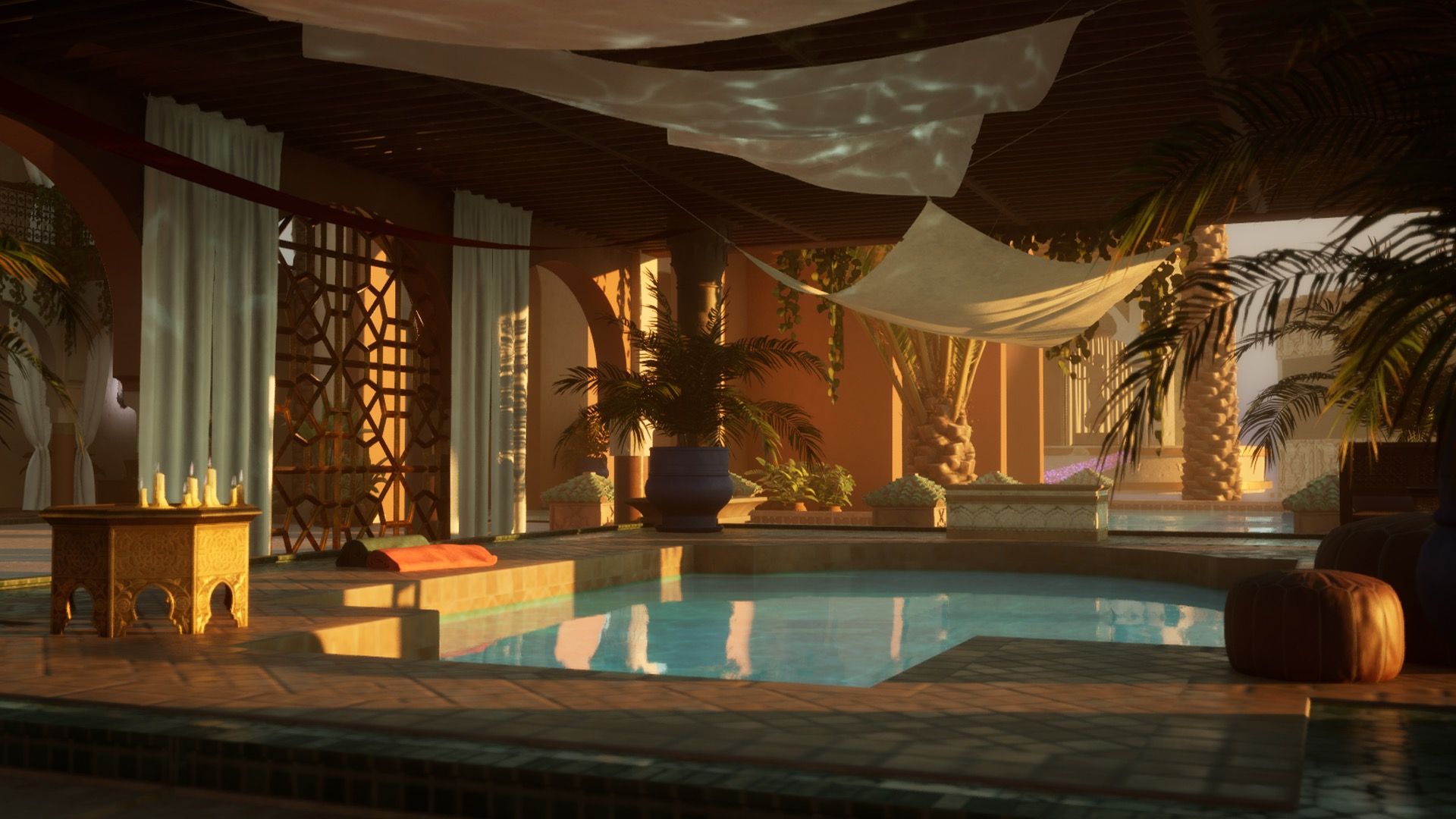
I think it’s a fantastic approach. Combining a somewhat sad story with a vibrant, beautiful world is always compelling. It highlights how even when things are difficult, there’s still beauty all around, but it can be hard to see the bigger picture when you’re caught up in the details.
We were incredibly fortunate to have such a talented art team from the beginning. Everything they created was fantastic – we always wanted to find more places to use their beautiful work. There was never a lack of amazing art. Honestly, I love beautiful visuals, especially things like dramatic lighting and god rays. I definitely have a bias towards including great art whenever the artists are eager to create it – I’m always happy to make room for it.
That’s perfectly fine! If someone’s clearly skilled and enjoying themselves, let them shine. I believe the best results come from people using their strengths and doing what they’re good at – that usually leads to something great.
Hire the best people and get out of their way.
It’s true, a lot of people try to interfere. The best thing to do is just step aside and let them continue as they are.
Let them cook.
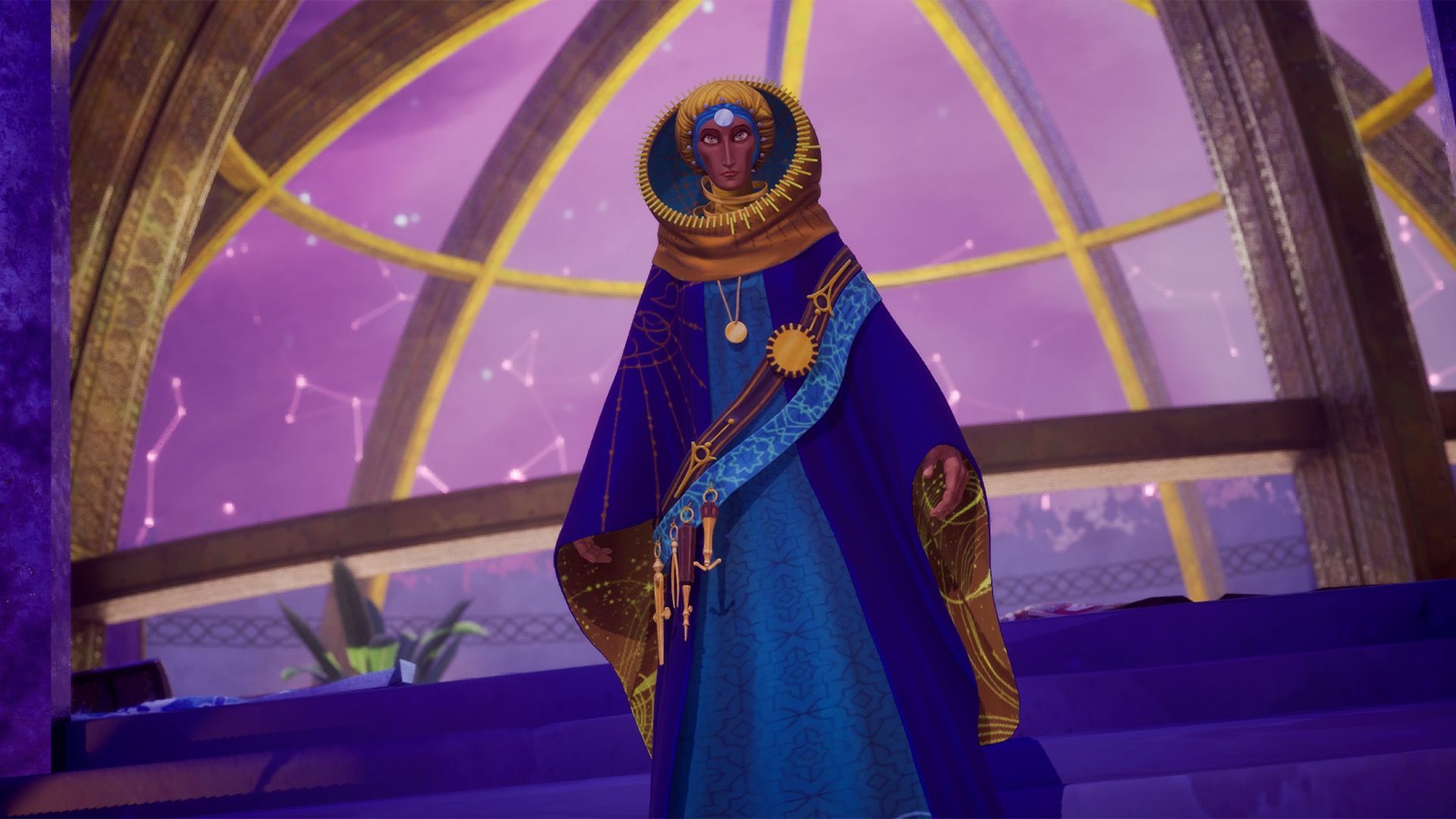
Absolutely. It’s going to be great, I’m confident. Fully voice-acted puzzle games aren’t very common. I’ve played a lot of puzzle games, and they usually rely on visual storytelling – understanding the story through what you see in the environment, rather than a spoken narrative. When did you decide to make this game fully voice-acted, instead of focusing more on the player’s experience of the world and the visual story?
Initially, I envisioned this project with no spoken dialogue or on-screen text at all – that was my original goal. However, as we began writing, the story became so detailed and emotionally resonant that I realized we needed a different approach to truly capture its depth. Ideally, we’d use the advanced capabilities of UE5 to show subtle facial expressions, but as a small independent team with a limited budget, that wasn’t realistic. We decided that if the writing and voice acting were strong enough, we could leave the rest to the player’s imagination.
After deciding on the setting, we immediately started thinking about language. We wanted to honor the region authentically, and very few games feature Arabic voice acting – Assassin’s Creed Mirage recently did, but we had the idea even earlier. We envisioned a full Arabic voice cast, similar to how Ghost of Tsushima and many anime titles offer players a choice of languages with subtitles. We wanted to let players customize their experience – Arabic audio with English subtitles, or any combination they preferred. We believed that native speakers would deeply appreciate hearing the game in their language, and even those who don’t speak Arabic might enjoy the immersive atmosphere and regional authenticity it would create.
We realized voice acting was the perfect way to really capture the emotions we wanted. We’re actually recording voices right now, and it’s incredibly powerful to hear the lines – lines we’ve worked on for years – come to life. The actors are bringing so much to the characters – nuances and depth you could never fully write down. They’re adding layers of meaning and personality, and it’s fantastic. We definitely made the right decision.
I really believe there’s no need to second-guess things. As someone who writes for video games, I completely understand that feeling. You pour so much effort into crafting, revising, and polishing your work, striving for perfection. Then, when someone else performs or delivers it beautifully, it’s an amazing, rewarding moment – a feeling of finally achieving your goal.
Exactly, yeah. It’s really something amazing.
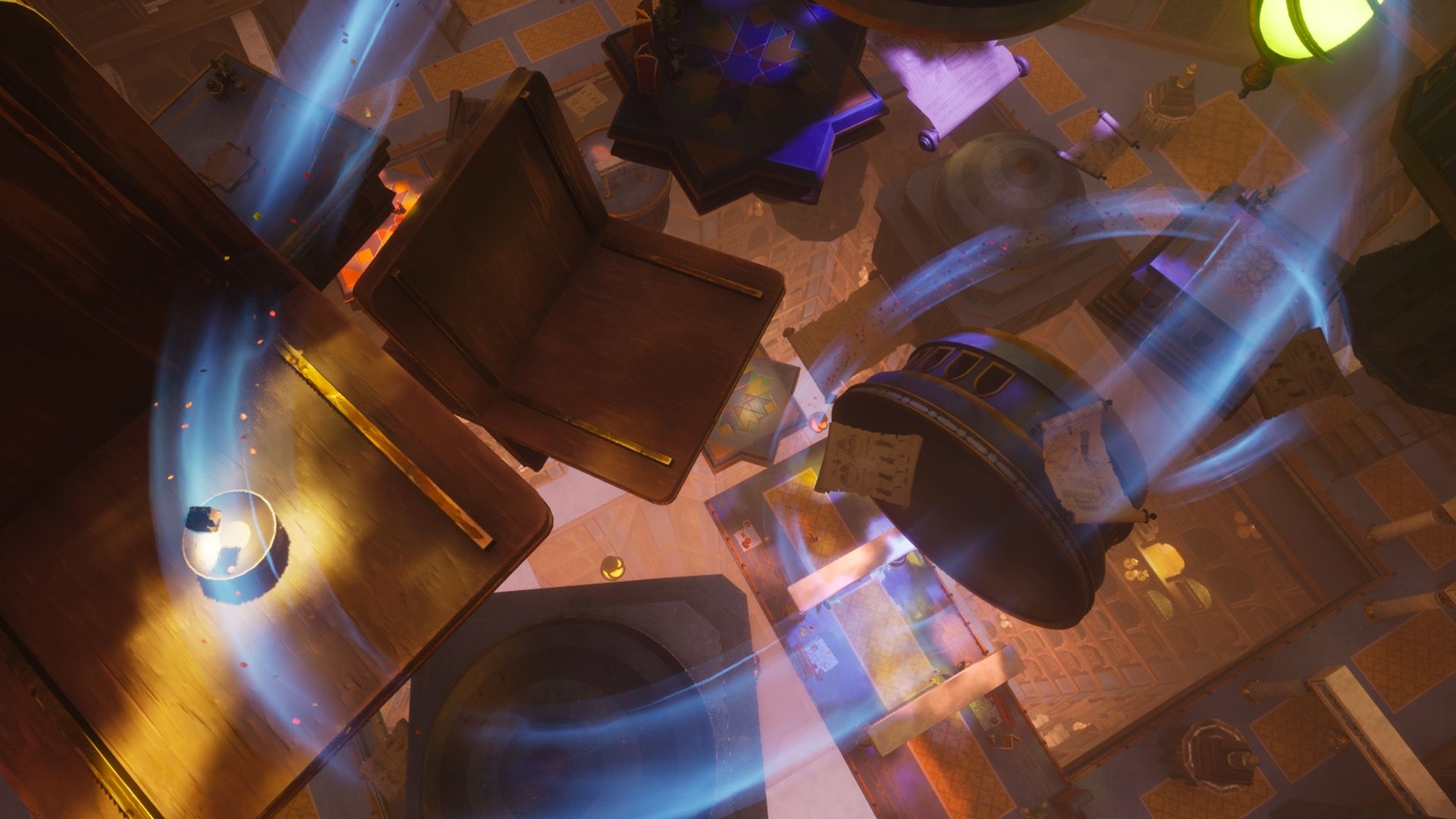
You mentioned that creating strong emotional responses – whether it’s sadness, joy, or humor – can be really impactful. Could you explain how you and your team find the right balance? It’s tricky to hint at an emotion without explicitly stating it, and how do you navigate that process?
To be honest, it was challenging. We’re all very aware of how emotional moments feel in games and movies, especially because many of us have personally experienced grief. We were careful to avoid being overly dramatic or heavy-handed with the emotional storytelling. We deliberately aimed for subtlety, and we relied heavily on the music and vocal performances to convey those feelings. We started with broad strokes and then focused on more nuanced details.
We began by focusing on the story itself. Like with TV shows and movies, we’d have collaborative writing sessions to map out the plot and discuss character arcs – for example, how Maya’s emotions would change and what other characters were going through and doing at the same time.
Once we understand the basic plot, we need to look at the dialogue itself – what are the characters actually saying? This is often the hardest part. It’s easy to write something that seems good on paper, but when you hear it read aloud – and we did a lot of read-throughs – it often doesn’t work. Everyone immediately realizes it’s too obvious, overly dramatic, or just brings the mood down. The challenge is finding ways to achieve the same effect with more subtlety.
We had to take a step back at one point. It started to feel like being overwhelmed – you know, like walking into a perfume store with a ton of different scents? After a while, everything just kind of blends together and you get used to it. We started rotating people on the project, letting folks take breaks and come back with fresh eyes. The biggest test was always playtesting. I’ve been working on this for five years now, and honestly, I’d become a little numb to the emotional moments. I needed something to reset my perspective, and seeing how new players reacted was the key.
During playtesting, one player finished a level about halfway through the game and asked to stop for the day. We still had one more level to go, so we asked why. She explained that the level had been very emotionally impactful, and she needed a moment to process it. Honestly, I was really surprised by how strongly it affected her.
It was a good reminder of why we started this project. Even after tasting the soup countless times, I haven’t lost my enthusiasm, especially when I think about someone experiencing it for the first time. We also received honest feedback – sometimes people said the music was too obvious or repetitive. So, we’re constantly checking and refining our work, both during recording and with outside opinions.
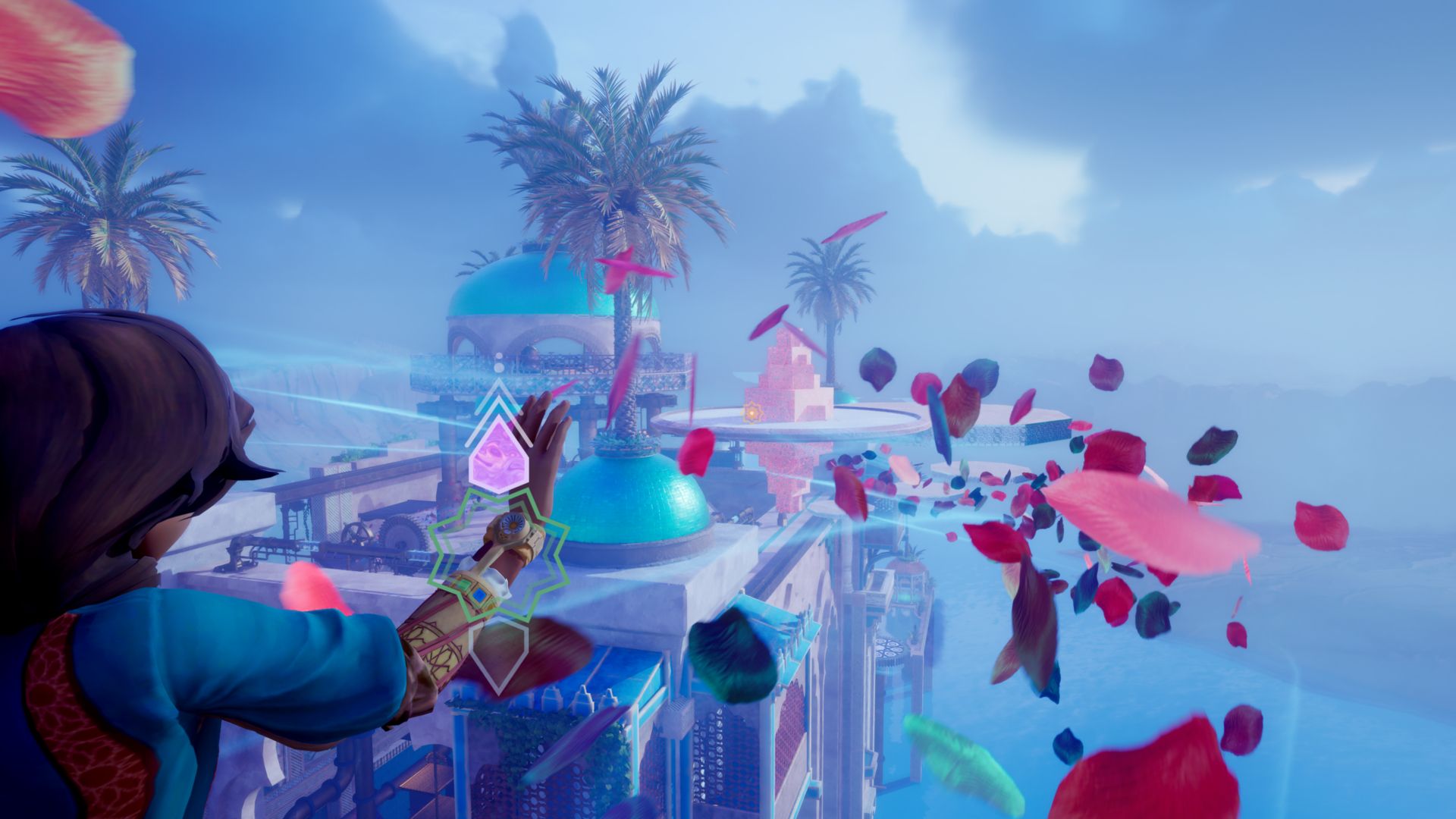
It’s crucial to get plenty of feedback because we all see things differently. I recently heard someone say they needed to stop playing because it was too emotionally overwhelming, and that’s actually a good sign – it means the game is having a real impact. Many games that deal with grief fall short because they feel too much like a game, focusing on progressing through levels and hitting specific story points. What’s impressive about this game is that it feels like a genuine story with developed characters and emotional growth, not just a series of events. Congratulations on creating something so interesting. Shifting gears slightly, most puzzle games center around solving a grand mystery. But this game seems to prioritize the experience of playing over finding a solution. Could you talk about what inspired that approach?
That’s a good question. We intentionally avoided creating a simple, metaphorical representation of grief in this game. The puzzles and gameplay mechanics are meant to be direct and not necessarily reflect the complexities of real life. We also don’t subscribe to the idea of fixed stages of grief; it’s a much messier process, with good days and bad. We were inspired by my own experience of overcoming a difficult time, and the need to simply believe that things could get better, even when it didn’t seem possible.
Mornings were really difficult, just getting out of bed felt like a huge effort. I’d ask myself if I could even manage it. Then, the next day, I’d try to set small goals – like, could I get up and take a shower? Once I’d taken care of those basic things, I realized I needed to figure out how to navigate my new life. I had to deal with practical matters like money and all the other tedious details that come with losing a parent.
I’ve always been a problem-solver, and looking back, I realize those challenges equipped me with the skills to navigate life. This idea directly mirrors the story of Maya. She embarks on what seems like a hopeless quest – trying to bring her father back by finding him in her dreams. She truly believes she can make her dreams reality, and that drives her journey.
She embarks on a journey to find him, and through the challenges she faces, she grows from a girl into a woman. These obstacles won’t magically erase her sadness, but overcoming them will give her the strength and resilience she needs to begin to heal. It’s a subtle process of growth and recovery.
These days, it’s crucial to show, not just tell. Audiences want to experience a character’s difficulties and emotions, and it’s great to hear that’s what you’re aiming for. Regarding Maya’s struggles, is the story primarily about her difficulty accepting her grief and finding her own way to cope with the loss? Or is it a more complex exploration than that?
The story begins immediately after Maya learns of her father’s death at sea. The loss is incredibly recent, and she’s struggling to accept it. After receiving the news, she starts dreaming about her father, and then hears about a place where dreams can come true. This gives her the idea that she can avoid grieving by finding a way to be with him there, and initially, she doesn’t consider any other possibility.
It’s been so cool watching her character develop! As the story goes on, you really see her thinking evolve. She starts to pick things up about the world around her, and it’s fascinating to see how her first ideas get challenged – especially as she faces off against the villain. It’s just a really natural progression, and makes her feel so much more real.
The story’s villain has her own reasons for trying to control Maya. Meanwhile, a group of scholars offer various perspectives and opinions. While the main objective remains constant, Maya’s feelings about it change over time. This isn’t a guide to overcoming grief, but rather a hopeful message that even in dark times, there’s still a possibility of finding light and hope, even when it’s hard to see.
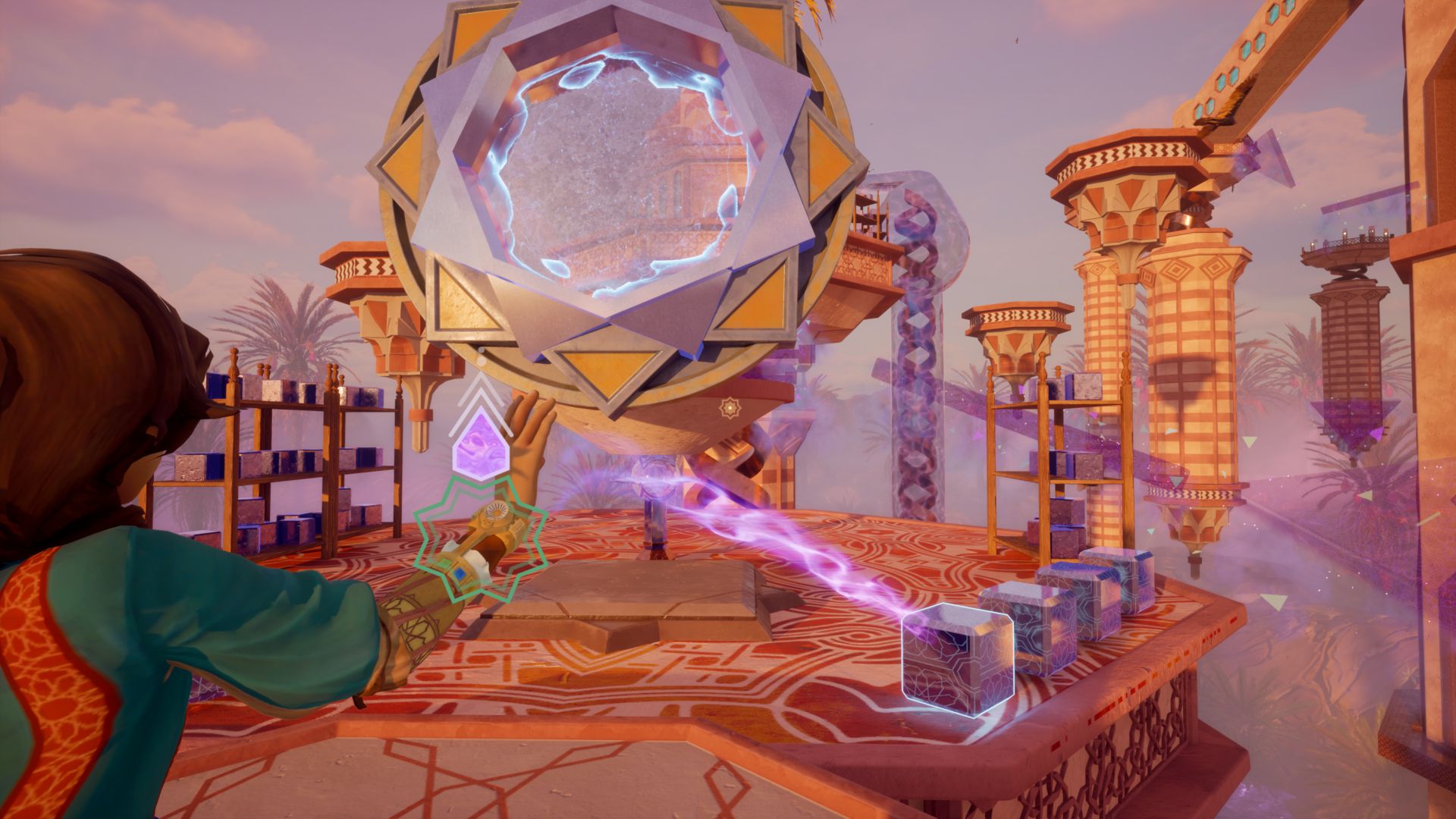
That’s a great point – people all cope with things in their own way, so you can’t just give them a single solution. I just have one more question, and we’re running a little short on time. It’s about the game itself. The trailer showed Maya with a lot of different powers. As you play, will those powers become more complex, maybe gaining new abilities? Or is the gameplay more focused on combining the powers you have to solve puzzles?
It’s a combination of both. Maya’s fundamental skills do improve as you play. She can alter objects between materials like glass, metal, and energy, but the biggest changes come from the environments themselves. Each level is inspired by a different scholar and their research, which naturally affects the puzzles. Maya’s basic abilities remain consistent throughout the game, but she learns new ones as she progresses.
As you play, your strategies and understanding of the game will evolve. Between levels, we aim to provide a fresh experience, building upon what you’ve already learned. We consistently challenge players throughout the game, even as they progress, by offering new perspectives on familiar gameplay elements rather than simply repeating the same challenges.
I found that part really intriguing. I watched the trailer a few times, and I was really trying to understand what some of her abilities were. There’s a scene with a wall that seems to appear and disappear, and then it suddenly reflects light – I honestly couldn’t figure out what I was seeing!
“I need to see more of this. I need to speak to Faris and get to the bottom of this.”
Okay, I’ve finished my prepared questions. I’d love to give you a chance to share anything else you’d like players to know – any thoughts or information you think would be helpful.
We’ve explored a lot of ground, and I especially wanted to highlight a personal touch. While the story centers on Maya and her growth after losing her father, the theme of loss resonates with other characters as well. They’ve experienced loss in different ways – for some it’s a parent, for others a close friend or even a former partner. I hope players will find these moments relatable and connect with the characters’ emotions.
Viewers who haven’t experienced the loss of a parent may still connect with the characters if they’ve lost someone else. Grief creates a significant impact on people, and everyone processes it differently. We intentionally assembled a unique and interesting group of actors, and we wove the theme of coping with loss throughout the story. It’s fascinating to see how each character handles similar circumstances, and we hope viewers will notice and appreciate this subtle element.
I think many people will find this work truly impactful and unique, based on what I’ve seen and our conversation. That’s all the questions I have for now. Thank you for your time – this was fantastic! I’m very excited to see more of it when it’s available, as I haven’t encountered anything quite like it before.
Thank you very much. We’re hoping to share this with everyone as quickly as possible and are excited for the world to experience it. We really appreciate your time and enjoyed your questions. Thank you again!
Read More
- United Airlines can now kick passengers off flights and ban them for not using headphones
- Crimson Desert: Disconnected Truth Puzzle Guide
- All 9 Coalition Heroes In Invincible Season 4 & Their Powers
- Mewgenics vinyl limited editions now available to pre-order
- Invincible Season 4 Episode 6 Release Date, Time, Where to Watch
- The Boys Season 5 Spoilers: Every Major Character Death If the Show Follows the Comics
- Assassin’s Creed Shadows will get upgraded PSSR support on PS5 Pro with Title Update 1.1.9 launching April 7
- Grok’s ‘Ask’ feature no longer free as X moves it behind paywall
- Grey’s Anatomy Season 23 Confirmed for 2026-2027 Broadcast Season
- Crimson Desert Guide – How to Pay Fines, Bounties & Debt
2025-12-06 00:45