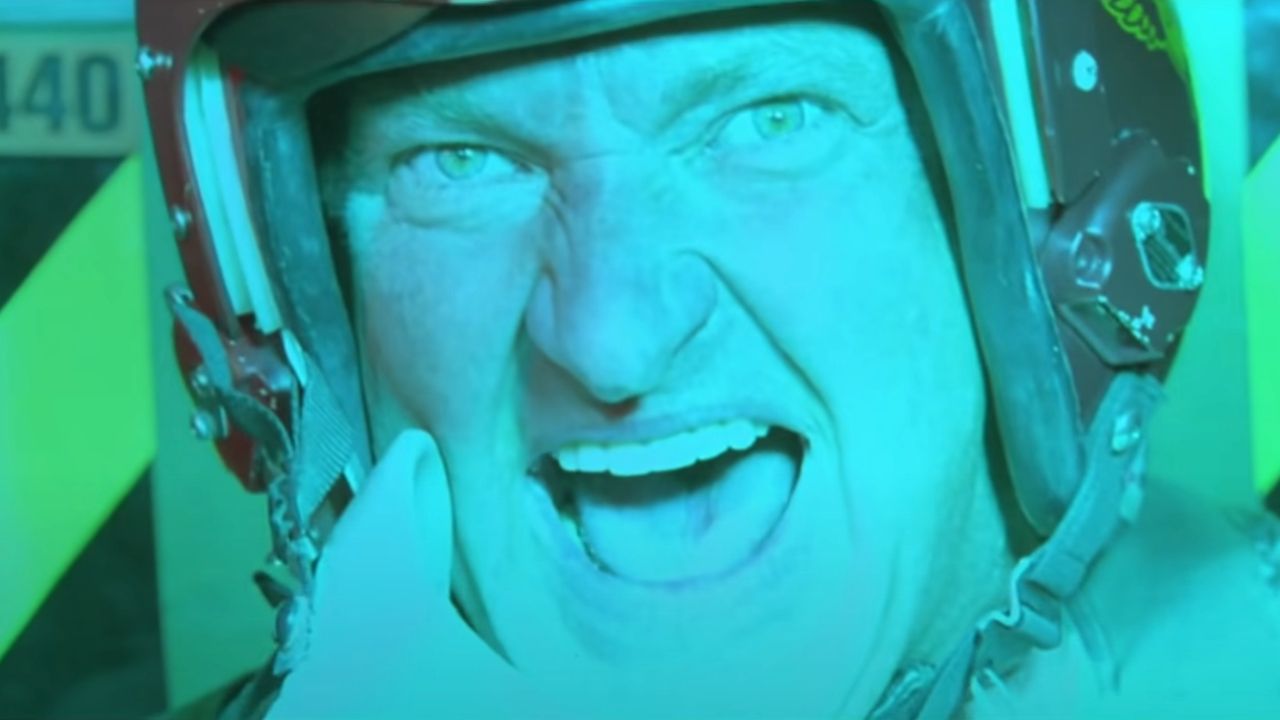
I first saw Independence Day when I was eight years old, and I’ve watched it countless times since. I still remember iconic moments like the destruction of Washington D.C., the incredible tunnel run with Boomer, and Bill Pullman’s unforgettable presidential address. In my opinion, it’s one of the greatest disaster movies ever made, and I firmly believe that.
I recently found out something surprising about the ending of Independence Day. Apparently, the iconic scene with Randy Quaid’s character flying into the alien ship wasn’t how it was originally supposed to happen! There’s actually an alternate scene that was planned. It’s pretty wild, and I’m going to explain what the original plan was and why director Roland Emmerich changed it so late in the process…
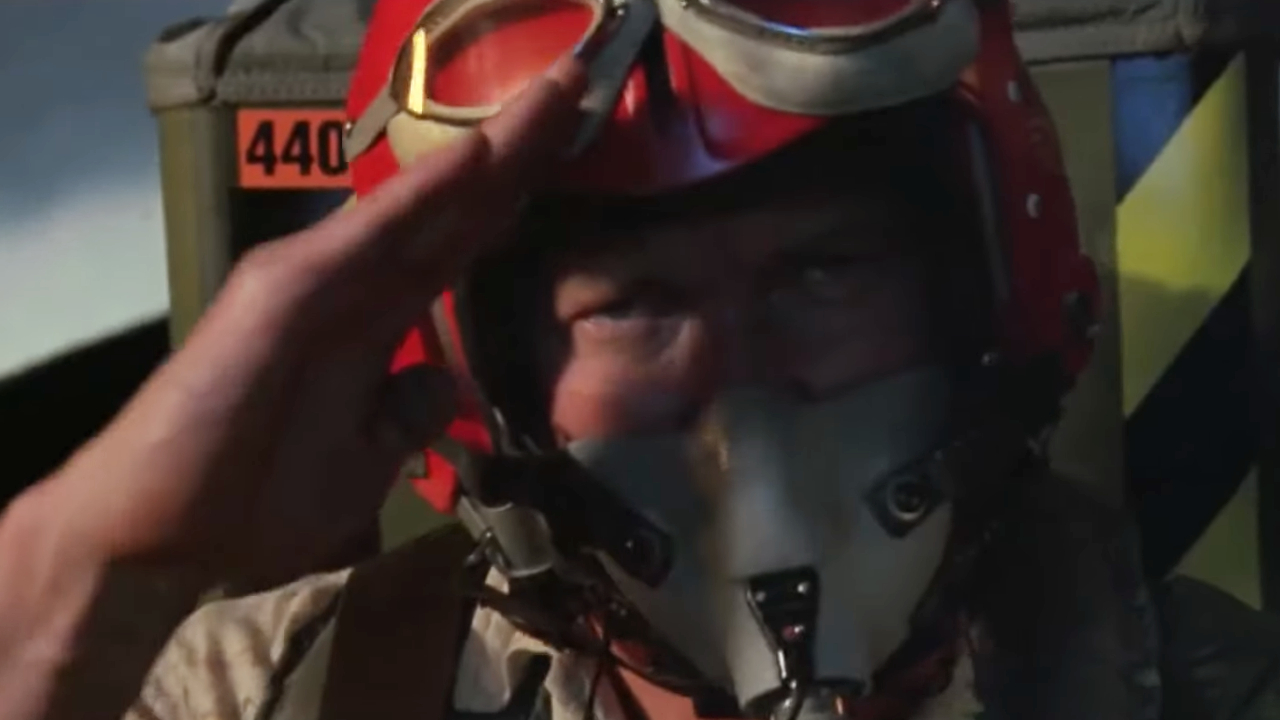
How Randy Quaid’s Big Hero Scene Originally Went Down
In the final version of Independence Day, Russell Casse bravely joins President Whitmore and many other pilots to fight the alien invaders. He ultimately sacrifices himself to ensure humanity’s survival when his rocket malfunctions during the attack. But that wasn’t how the scene was originally intended to play out. So, what was the initial plan?
I recently read a fascinating interview with Dean Devlin, one of the writers of Independence Day. He revealed they originally filmed a really wild scene – kind of like something out of Dr. Strangelove! It involved Russell Casse flying his old crop duster plane, rigged with a bomb, as a last-ditch effort to save everyone. Unfortunately, when they showed it to a test audience, the reaction wasn’t what they’d hoped for, so they ended up cutting it.
- Roland Emmerich – When we tested it, it tested through the roof. People said, ‘The only thing we don’t like was this crazy guy [Quaid’s Russell Casse] flies in his crop duster with a bomb roped to his plane. That’s unrealistic.’
- Dean Devlin – And we meant it to be a Dr. Strangelove moment, where he flies into [the spaceship] with his biplane and the missile and he saves the day. We were watching it with the audience, and when he showed up with that plane, there was a big laugh. Roland turned to me and said, “That’s not a good laugh.”
I came across a different ending to the movie, and it’s definitely interesting. It matches the unique style of the original Stanley Kubrick film, but it’s pretty clear why it wasn’t used.
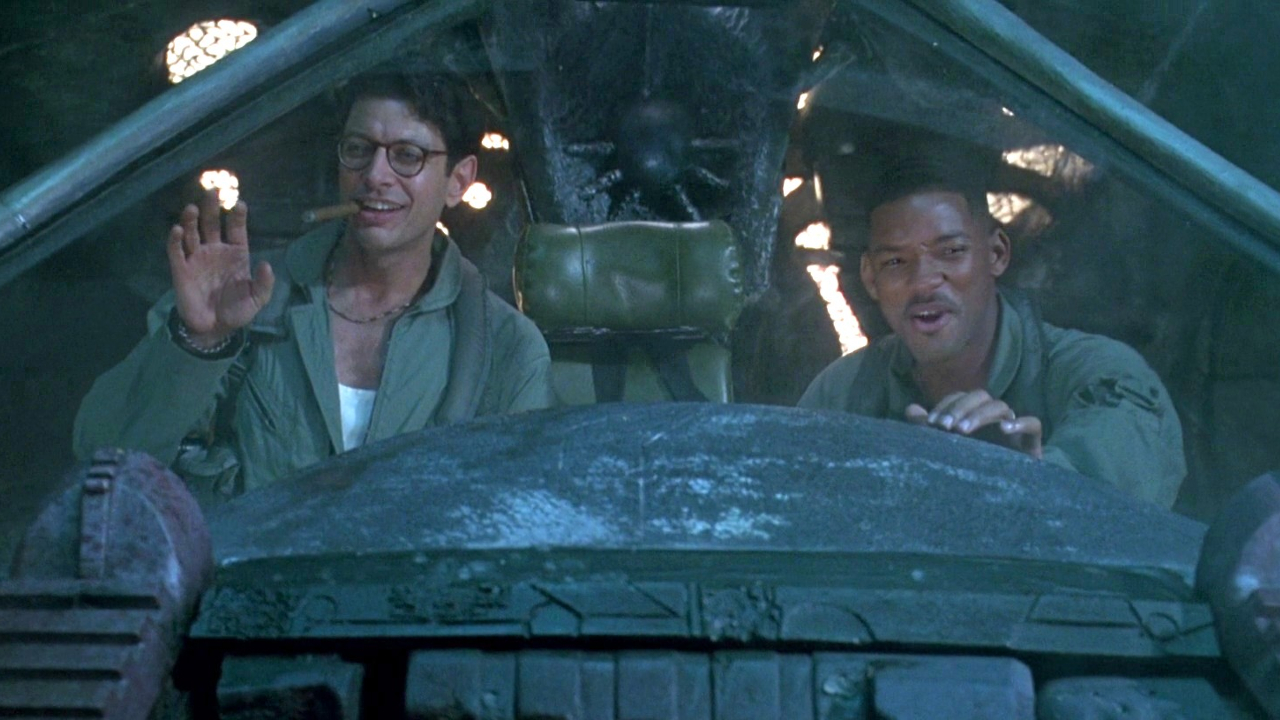
A Last-Minute Decision Was Made To Reshoot The Sequence
According to Emmerich and Devlin, as they shared in a fascinating interview about the film, they tried one last time to resolve an issue with a particular scene. They asked 20th Century Fox for permission to reshoot it just weeks before the movie came out, as Devlin explained.
We felt the scene needed to be filmed again, but the studio didn’t see why. Our initial test screenings showed scores in the low 90s, and we knew the audience reaction wasn’t quite right. Eventually, we convinced them to fund a one-day reshoot to fix it.
As the July 1996 release date neared, the filmmakers revisited some scenes and adjusted the storyline. Instead of flying his usual plane, Russell’s character was made one of the volunteers in a jet. This change proved successful – the movie was a hit and remains a memorable part of Hollywood history.
While it would have been funny to see Randy Quaid’s character flying amongst fighter jets and alien ships, it probably would have been over the top. Thankfully, we ended up with one of the most memorable deaths in movie history.
Read More
- United Airlines can now kick passengers off flights and ban them for not using headphones
- How to Complete Bloom of Tranquility Challenge in Infinity Nikki
- Katanire’s Yae Miko Cosplay: Genshin Impact Masterpiece
- Gold Rate Forecast
- All Itzaland Animal Locations in Infinity Nikki
- A Dark Scream Theory Rewrites the Only Movie to Break the 2-Killer Rule
- How to Get to the Undercoast in Esoteric Ebb
- 8 Actors Who Could Play Blackbeard In One Piece Live-Action Season 3
- Australia’s New Crypto Law: Can They Really Catch the Bad Guys? 😂
- Fire Force Season 3 Part 2 Episode 24 Release Date, Time, Where to Watch
2026-01-26 00:08