
Be warned: This article reveals major plot details from the movie Kill Bill: The Whole Bloody Affair. If you haven’t watched it yet, you might want to stop reading now to avoid spoilers!
As a huge Kill Bill fan, I was so excited to finally see The Whole Bloody Affair! It’s Tarantino’s original cut, before it was split into two movies, and it’s packed with extra stuff you don’t get watching both Vol. 1 and Vol. 2. The anime sequence with O-Ren Ishii’s backstory is way more fleshed out, and the Crazy 88 fight is longer and in full color – it’s amazing! Plus, they removed the black-and-white intro from Vol. 2 because everything is explained naturally since you’re watching the whole story at once. It really feels like the complete vision Tarantino had for the film.
These changes all add to what makes The Whole Bloody Affair so unique and better than the split versions. But one change, in particular, stands out because it completely alters how we experience the story of Uma Thurman’s character, Beatrix Kiddo, also known as The Bride or Mommy. What’s remarkable is that this effect is achieved by removing just a single line of dialogue.
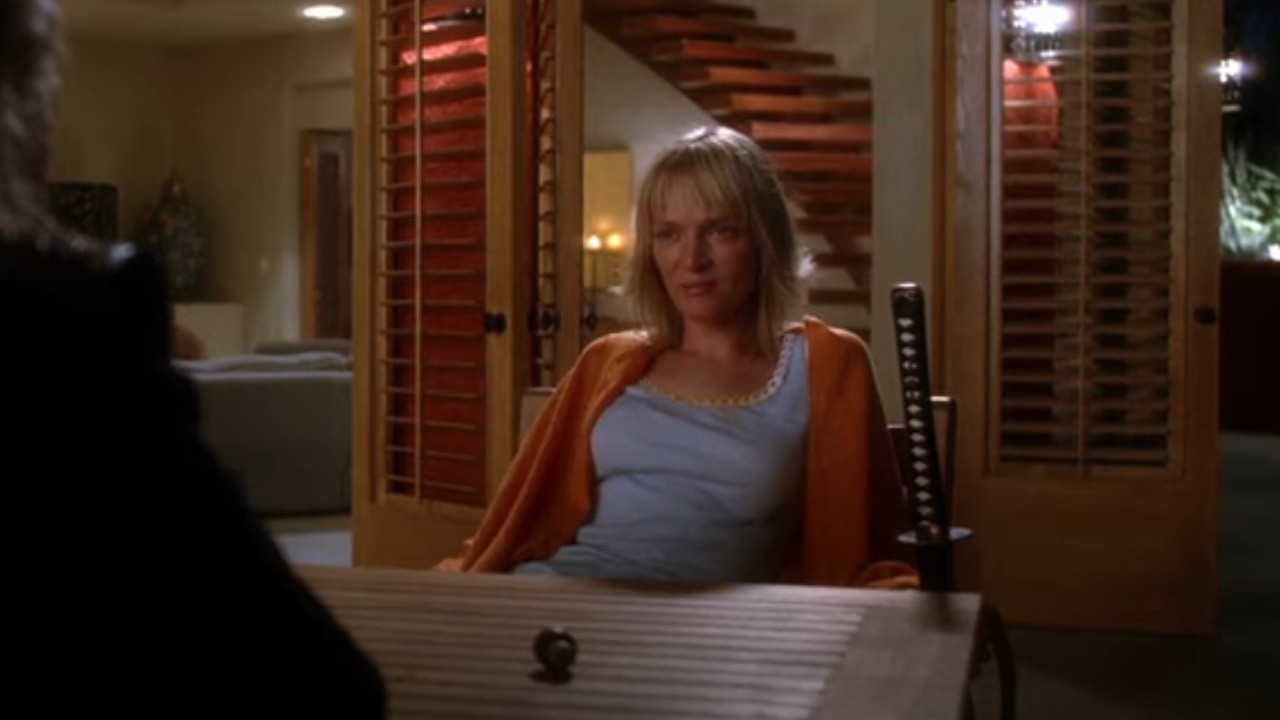
The Big “Twist” From Kill Bill Vol. 1 Doesn’t Make It Into The Whole Bloody Affair
Most people who’ve seen Kill Bill Vol. 1 likely remember its ending well. David Carradine’s character, Bill, visits Julie Dreyfus’s Sofie Fatale in the hospital, where she’s recovering from losing both arms to The Bride. Following The Bride’s instructions, Sofie recounts everything that happened and the information she revealed while being tortured. Surprisingly, Bill doesn’t react with anger, but with sympathy.
In the extended version of The Whole Bloody Affair, the pre-intermission sequence features more graphic violence, specifically showing Sophie losing her remaining arm – she’d already lost one at the House of Blue Leaves. However, the most significant change isn’t the added violence. The four-hour cut ends with the Bride saying, “And I want them all to know they’ll all soon be as dead as O-Ren,” which differs from the final line in Kill Bill Vol. 1. What’s missing is a major reveal from Bill.
One more thing, Sofie: is she aware her daughter is still alive?
In the first volume of Kill Bill, the ending clearly builds excitement for the sequel, which came out in theaters less than a year later. Honestly, though, the unresolved plot points in the first film are interesting enough on their own. However, Kill Bill: The Whole Bloody Affair removes that cliffhanger, and it’s really striking how much that changes the experience of the second half of Tarantino’s movie.
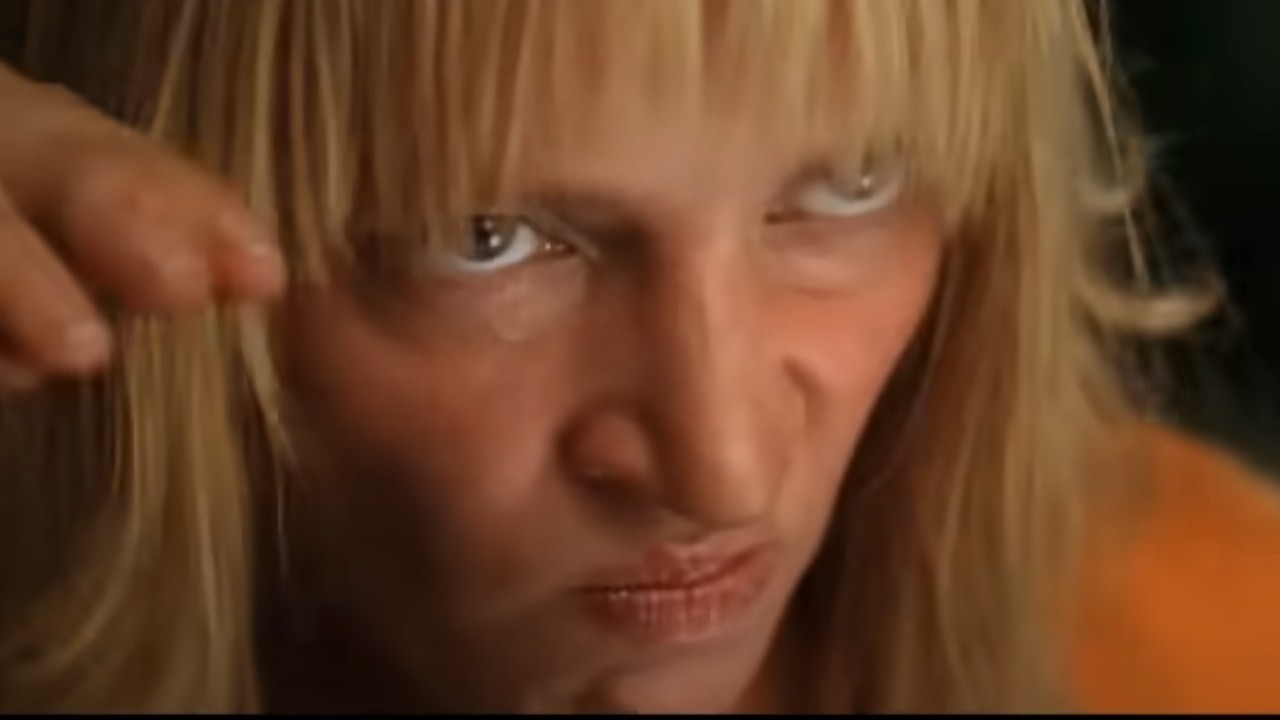
Not Knowing That Bebe Is Alive Changes How We View The Bride’s Story
To put it simply, I really wish I’d watched the complete Kill Bill: The Whole Bloody Affair version instead of the two separate volumes. It’s because of that single change that I feel this way. While I enjoyed the extra content in the longer cut, removing a significant part of Bill’s monologue really changes how the story is experienced, and now I can’t watch Tarantino’s vision as he originally intended.
Watching Kill Bill Vol. 2 creates a unique dynamic because we, as the audience, are aware of a crucial fact that The Bride isn’t: the survival of her daughter. We anticipate the moment she discovers this, and it finally happens when she unexpectedly finds her daughter, Bebe, playing with Bill. The film doesn’t offer any prior hints about Bebe’s fate, making the revelation a complete shock for the Bride – and it would be for us too, if Vol. 1 hadn’t already foreshadowed this emotional discovery. This means we don’t get to experience the news alongside the Bride, sharing in the complete upheaval of her world.
The reveal at the end of Volume 1 isn’t just a minor spoiler; it fundamentally changes how we understand Beatrix Kiddo’s journey. Tarantino wants us to see her as a focused instrument of revenge, justified in killing those who wronged her and her loved ones. However, knowing she’s ultimately fighting to reunite with her daughter complicates that image. This prior knowledge also lessens the emotional weight of scenes like her struggle for survival while buried alive, and even diminishes the impact of her candid confessions about her violence while under Bill’s truth serum. While it doesn’t ‘ruin’ the experience, it significantly alters our perspective on everything that happens.
Until we can travel through time or magically alter our memories like in the movie Eternal Sunshine of the Spotless Mind, I’ll always feel that splitting Kill Bill into two parts back in 2003 slightly diminished the experience. However, if you’re introducing someone to Kill Bill for the first time, definitely show them The Whole Bloody Affair so they can see the film as it was truly intended.
Read More
- United Airlines can now kick passengers off flights and ban them for not using headphones
- Gold Rate Forecast
- All Golden Ball Locations in Yakuza Kiwami 3 & Dark Ties
- How to Complete Bloom of Tranquility Challenge in Infinity Nikki
- 8 Actors Who Could Play Blackbeard In One Piece Live-Action Season 3
- 15 Lost Disney Movies That Will Never Be Released
- How to Solve the Glenbright Manor Puzzle in Crimson Desert
- What are the Minecraft Far Lands & how to get there
- Wartales Curse of Rigel DLC Guide – Best Tips, POIs & More
- These are the 25 best PlayStation 5 games
2025-12-09 17:09