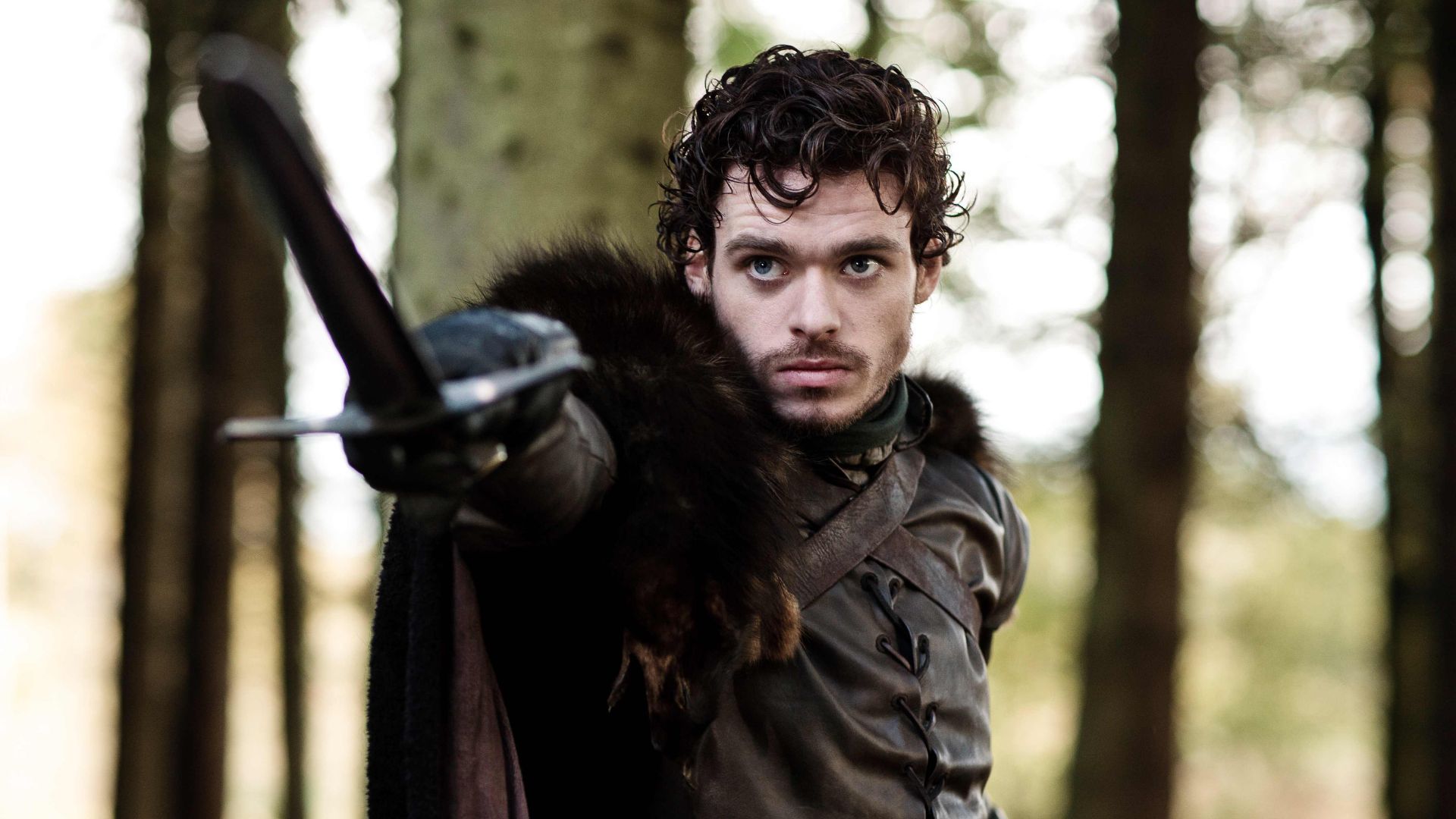
A recent eight-episode HBO series became incredibly popular, but that success ultimately caused problems. HBO is known for creating high-quality, critically acclaimed shows – programs like The Sopranos, Succession, and Band of Brothers are considered some of the best and most-watched TV shows ever made.
While shows like Succession are highly regarded within the TV and film industry, they haven’t reached the same level of widespread popularity as others. Game of Thrones, however, became a true global phenomenon, and its continued spin-offs demonstrate just how successful the original eight-season series was.
The very thing that made Game of Thrones so popular worldwide ultimately led to its decline. Though the franchise continues, the show itself suffered in its later seasons, mainly because of the intense public attention and criticism it received.
Game Of Thrones’ Immense Success Led To Huge Pressure Over The Finale

The early seasons of Game of Thrones were groundbreaking for television, and the show steadily gained a larger audience. The first season averaged 2.5 million viewers, and season two saw that number increase to 3.8 million. Seasons three and four continued this trend, reaching average viewerships of 4.97 million and 6.84 million respectively.
Not only was Game of Thrones incredibly popular with viewers, but critics loved it too, giving the first four seasons an average score of 95% on Rotten Tomatoes. The show’s success grew even more from season 5 onward, establishing it as a global cultural phenomenon.
| Game of Thrones Season | Rotten Tomatoes Critical Rating | Average U.S. Viewership (Millions) |
|---|---|---|
| Season 5 | 93% | 6.88 |
| Season 6 | 94% | 7.69 |
| Season 7 | 93% | 10.26 |
By the end of Game of Thrones season 7, the show was everywhere. Even people who hadn’t watched it knew about it, and longtime fans were eagerly waiting for the finale. The world was captivated by the story, which had been a huge part of television for eight years, and the excitement to see how it would end was immense, all due to Game of Thrones‘ incredible popularity.
The show’s huge popularity created a lot of pressure. It felt like viewers needed a satisfying ending after investing eight seasons of their time. I personally remember telling friends I’d be devastated if Game of Thrones didn’t finish well.
In hindsight, the final season of the show shouldn’t have faced so much expectation. However, it was inevitable, considering Game of Thrones season 8 averaged 11.99 million viewers in the U.S.—more than any previous season. The show’s immense popularity created intense pressure, and ultimately, Game of Thrones struggled to live up to those expectations.
It Became Impossible For Game Of Thrones To Last Beyond 8 Seasons
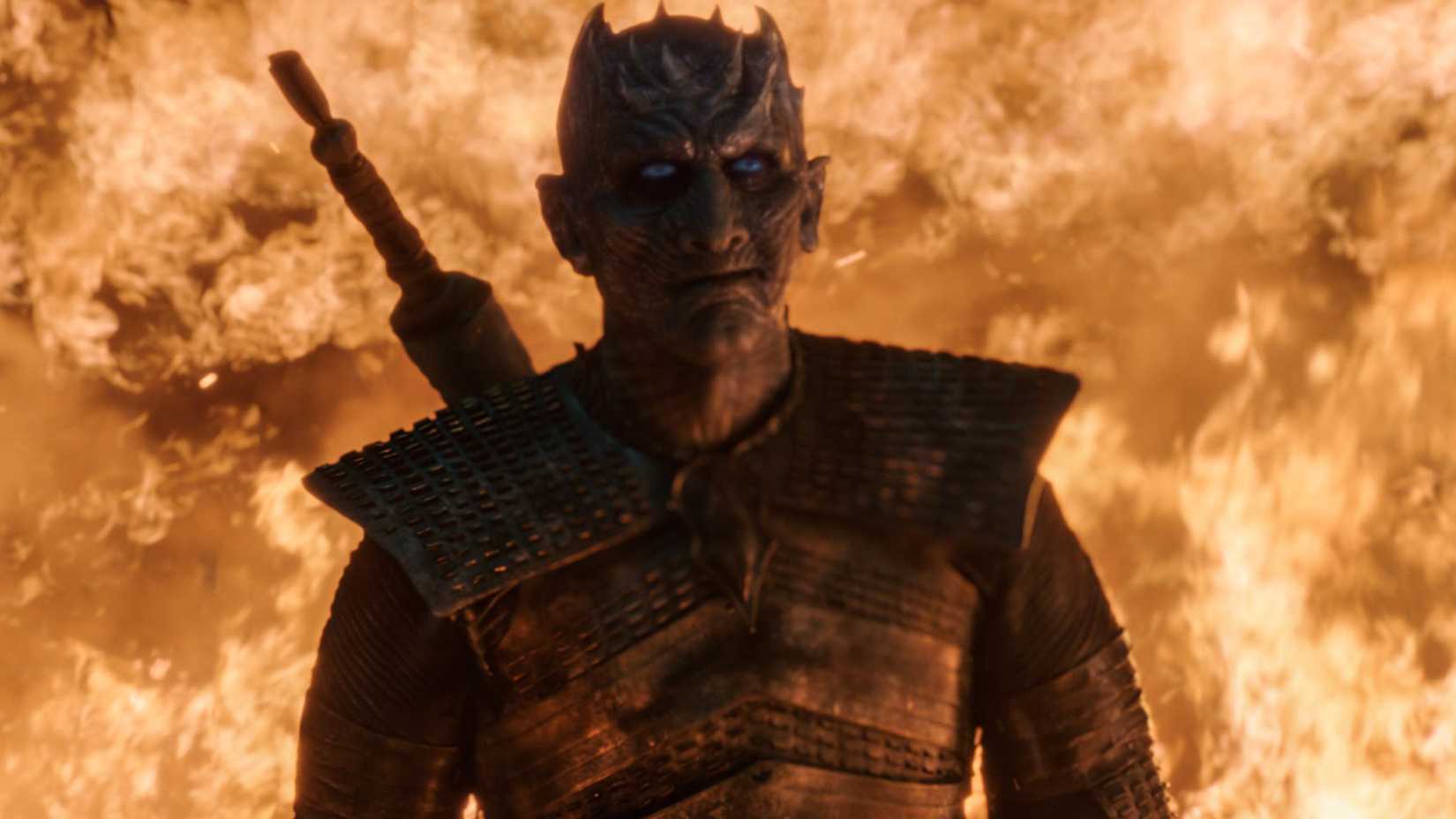
The final season of Game of Thrones faced a lot of scrutiny, but the show’s immense popularity also made it difficult to continue for much longer. HBO was prepared to finance additional seasons with as many episodes as necessary, but the creators, David Benioff and Dan Weiss, decided to end the series after just one more season consisting of six episodes.
Looking back, the show’s huge success actually led to its rushed ending, and it all ties into what happened next with Benioff and Weiss. They landed a deal to create new Star Wars movies, and honestly, I think that’s why they were so eager to wrap up Game of Thrones. If the show hadn’t been such a massive hit with both critics and fans, they probably wouldn’t have even been considered for Star Wars in the first place!
The success of Game of Thrones really boosted the careers of its stars. Several, like Kit Harington, Sophie Turner, and Emilia Clarke, went on to appear in major franchises such as the Marvel Cinematic Universe, X-Men, and Star Wars. This popularity also led to significant future projects for the cast and a very high salary – $1 million per episode – for the leading actors in the final season.
The show’s large budget was also driven by the need to deliver the spectacular fantasy action that Game of Thrones became famous for. Less popular shows don’t face these same financial pressures, allowing them to potentially run for much longer. Unfortunately, Game of Thrones wasn’t one of those shows.
Game Of Thrones Inspired Countless Fan Theories Better Than The Real Ending

As a huge fan of TV and film, I’ve noticed a weird pattern with these massive franchises like Game of Thrones. The show’s success actually kind of hurt it in the end, and I think fan theories played a big role. It seems like Star Wars, Marvel, and definitely Game of Thrones all struggled with meeting what fans thought would happen. When a show builds for years, everyone starts crafting these elaborate theories, and it’s almost impossible for the actual story to live up to them.
Game of Thrones really fueled fan speculation, perhaps even more so than other shows. Its unpredictable plot, filled with surprising twists, shocking deaths, and epic battles, combined with a large number of major characters, created a situation where fans had countless theories about what might happen next.
While some fan theories about how Game of Thrones would end were off-base, others were surprisingly good. The show’s actual ending proved very controversial, with many viewers and critics feeling let down. A big reason for this was that some online theories were actually more satisfying than the episodes that aired. Without the widespread interest in these theories, the ending might have been better received by audiences.
Even Before Season 8, It Became “Cool” To Hate Game Of Thrones
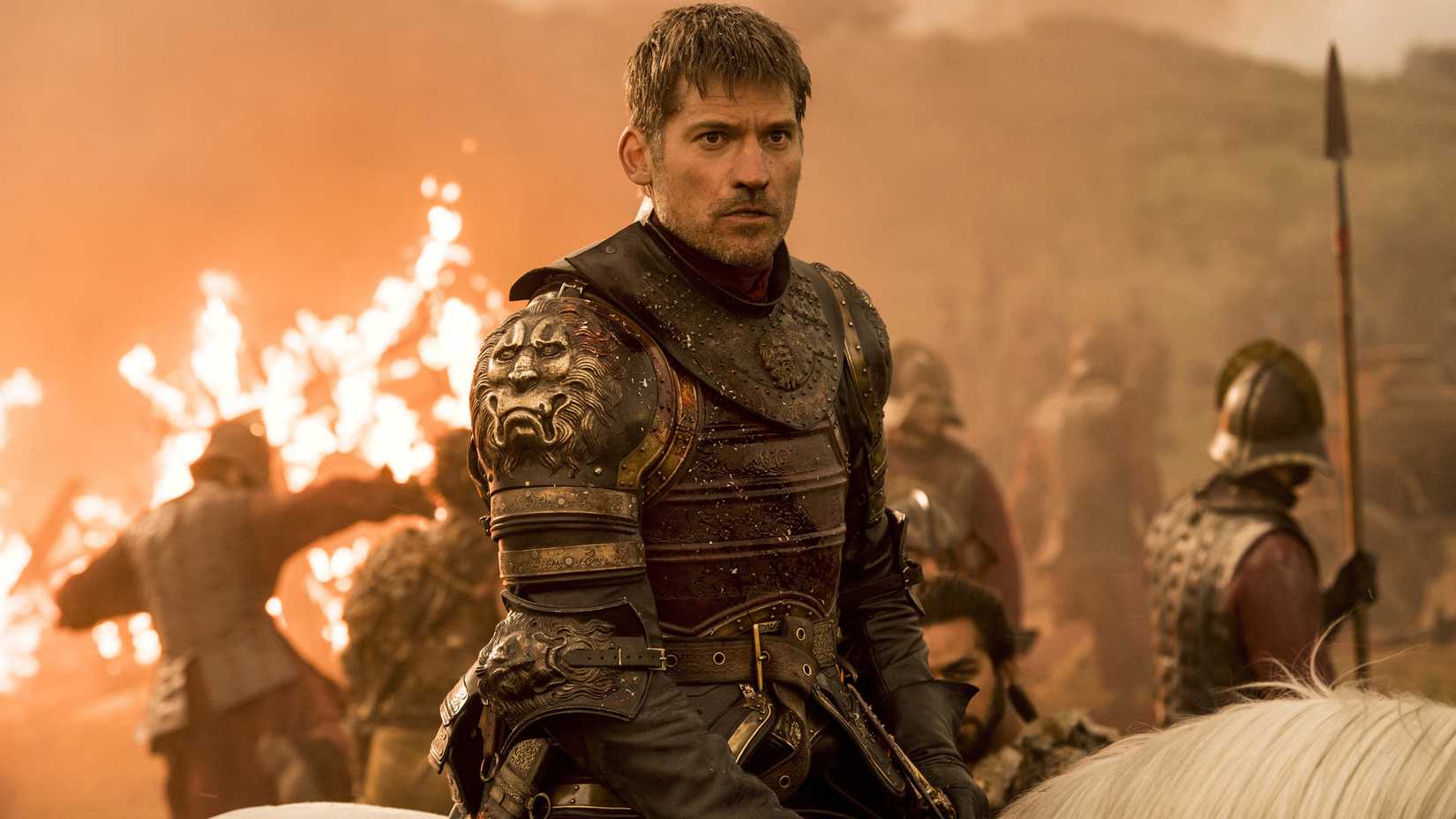
One surprising effect of Game of Thrones‘ massive popularity was the backlash it received, even from people who didn’t watch the show. These days, it’s common to see popular movies, TV shows, and games attract a lot of online negativity. It’s almost become trendy to dislike things that are widely successful, and this happens with most major franchises.
The show Game of Thrones experienced a similar phenomenon. When it was most popular, some people would actually brag about never having watched it. It became a way to signal that you were an independent thinker – a refusal to follow the crowd and watch the most popular show on television.
Like many trends online, negativity towards the show spread quickly. Even before the final season of Game of Thrones aired and disappointed many viewers, it had become fashionable to criticize it. If the show hadn’t been so incredibly popular in the first place, this level of backlash likely wouldn’t have happened, and its success wouldn’t have been turned into a point of criticism.
Read More
- United Airlines can now kick passengers off flights and ban them for not using headphones
- Crimson Desert: Disconnected Truth Puzzle Guide
- All 9 Coalition Heroes In Invincible Season 4 & Their Powers
- Mewgenics vinyl limited editions now available to pre-order
- Assassin’s Creed Shadows will get upgraded PSSR support on PS5 Pro with Title Update 1.1.9 launching April 7
- Grok’s ‘Ask’ feature no longer free as X moves it behind paywall
- The Boys Season 5 Spoilers: Every Major Character Death If the Show Follows the Comics
- Grey’s Anatomy Season 23 Confirmed for 2026-2027 Broadcast Season
- Viral Letterboxd keychain lets cinephiles show off their favorite movies on the go
- Katanire’s Yae Miko Cosplay: Genshin Impact Masterpiece
2026-04-08 02:40