Movie fans are watching Warner Bros. Discovery (WBD) closely as its future remains uncertain. On December 5th, Netflix announced a plan to buy WBD – including popular franchises like Harry Potter, The Sopranos, and DC Comics – for $83 billion. Some moviegoers worried this could signal the end of traditional movie theater releases. Then, just three days later, Paramount made a competing offer of $108 billion. Both potential deals have raised concerns in Congress about the concentration of power in the entertainment industry. The Writers Guild of America also fears a sale could lead to lower wages and fewer jobs for writers, and higher prices for viewers. Actress Jane Fonda has strongly criticized Netflix’s possible acquisition, calling it both a “constitutional crisis” and a disastrous deal that could harm the creative industry.
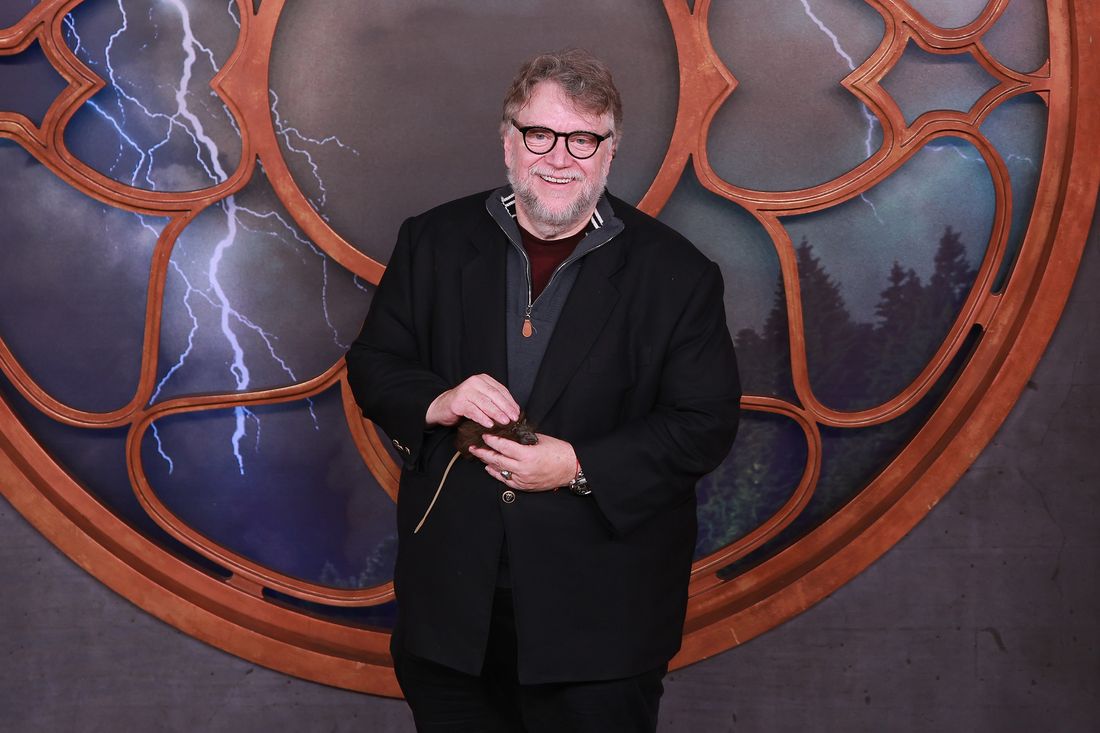
Netflix recently announced it plans to keep releasing some Warner Bros. films in theaters, but this has been met with doubt, considering comments made by co-CEO Ted Sarandos. He previously questioned the value of releasing films specifically for the theatrical experience, suggesting it doesn’t appeal to most people. Interestingly, director Guillermo del Toro recently expressed gratitude to an IMAX audience in London for seeing his latest film, Frankenstein, even though it’s also available to stream on Netflix. He emphasized that seeing a film in a theater is a unique experience. When asked about whether Netflix’s deal with Warner Bros. could harm movie theaters, del Toro said it’s too soon to know.
Here’s what people in Hollywood are saying, including comments from James Gunn and Peter Safran, James Cameron, and others.
Guillermo del Toro
In a recent interview with Dazed, the filmmaker stated he wasn’t involved in or aware of the potential impact of the Netflix-Warner Bros. Discovery deal on movie theaters, calling it beyond his area of expertise. He observed that the deal signals a trend of companies merging, and while changes to the entertainment industry are expected, the cultural consequences are a separate concern. He emphasized the continuing importance of seeing films in theaters, but cautioned that it’s too soon to predict the deal’s full effects, as it won’t be finalized for another 12 to 18 months.
He recently shared his thoughts on how his films should be watched, speaking at a London screening of Frankenstein on December 7th. He explained that seeing a film on a large screen allows the big ideas to truly resonate. He jokingly pointed out it would take 38,000 phones to equal that size! While acknowledging viewers could enjoy his films at home with better snacks, he emphasized the unique experience of watching together with an audience.
James Gunn and Peter Safran
James Gunn and Peter Safran, the creative team behind the new DC Universe, recently told Bloomberg Businessweek that they believe their films are best enjoyed in movie theaters. Gunn highlighted the importance of the shared, theatrical experience for big, visually impressive movies. Despite ongoing changes within the larger media companies, they assured readers that their plans and dedication to strong storytelling won’t change. Safran emphasized Gunn’s central role, stating that his unique vision is what makes their project special.
Nicholas Hoult
The actor, who plays a villain in the upcoming Superman movie, expressed his hope that people will continue to enjoy going to the movies despite changes in the film industry. He told Variety at the Red Sea Film Festival that he believes a trip to the cinema is a special experience. “Anyone who works in film loves the cinema,” he said. “Watching at home has a lot of distractions, and it’s just not the same immersive experience.”
WGA
On December 5th, the Writers Guild of America (WGA) strongly opposed a potential merger between Netflix and Warner Bros. Discovery (WBD), stating it would lead to job losses, lower pay, worse working conditions, higher prices for viewers, and less variety in available shows and movies. The WGA now also objects to Paramount potentially acquiring either company. According to a WGA representative, the issue isn’t who buys whom, but the consolidation of media companies in general. They argue these companies should be investing in their own content instead of spending billions to eliminate competition.
DGA
While not directly criticizing the agreement, the Director’s Guild of America, led by Christopher Nolan, stated that a healthy and competitive film and television industry is crucial for protecting the jobs and creative rights of directors and their crews. A DGA representative told Deadline on December 4th that they plan to discuss their concerns with Netflix and learn more about the company’s future plans.
PGA
The Producers Guild of America released a statement on December 5th expressing both concern and willingness to work with Netflix regarding its planned purchase of a major Hollywood studio. While producers are understandably worried about the deal, the Guild emphasized a desire for collaboration. They stated that as the entertainment industry changes, it’s crucial to find a path forward that supports producers’ incomes, keeps traditional movie theaters viable, encourages creativity, provides opportunities for everyone involved, gives viewers choices, and protects free expression. The Guild believes the Netflix deal needs to meet these standards to be considered successful.
SAG-AFTRA
The actors’ union believes this deal could improve conditions for performers and lead to more job opportunities in the entertainment industry. They stated that any decision regarding their stance will be based on what’s best for their members, after a careful review of the deal’s specifics – especially how it impacts jobs and future productions.
Sean Baker
At the Red Sea Film Festival, filmmaker Baker argued against shortening the time films are shown exclusively in theaters, stating he believes they should be longer. He emphasized that filmmakers intend for audiences to first experience their work on the big screen, and other viewing options should come later. Baker plans to require a full 100-day theatrical release for his next movie, regardless of industry trends. He believes releasing films directly to streaming services devalues them, while a traditional theatrical release enhances their significance and creates a more impactful presentation to the world.
Jane Fonda
Jane Fonda, known for her role in Grace and Frankie, has publicly criticized what she believes is an illegal monopoly. Here’s her complete statement:
The news today that Warner Bros. Discovery has agreed to be bought is a worrying sign of the increasing consolidation happening in the entertainment industry. This trend poses a threat not only to the industry itself, but also to the public it serves and potentially to freedom of speech.
This isn’t simply a disastrous deal that threatens our creative fields. It’s a serious constitutional problem made worse by the administration’s clear unwillingness to follow the law.
To the Department of Justice and state attorneys general, we understand this agreement – and any agreement of this size – will require an antitrust review. We strongly urge you not to use that review process to demand political favors or suppress free speech.
To Netflix and any other company considering this agreement: We’ve seen industry leaders give in to government pressure, harming our jobs, creative work, and fundamental rights. As leaders in an industry founded on free speech, you have a duty to protect those rights, not sacrifice them for profit.
We are watching closely, organizing, and ready to mobilize.
James Cameron
James Cameron voiced his opposition to the potential Netflix-Warner Bros. deal even before it was publicly announced. Speaking on the podcast The Town on December 1st, Cameron called a merger a “disaster,” sharing concerns similar to those of Baker regarding Netflix’s reluctance to embrace traditional movie theaters. He directly addressed Netflix head Ted Sarandos, saying, “Sorry, Ted, but geez.” Cameron also criticized Netflix’s practice of releasing films for only a short time in theaters solely to qualify for Academy Award consideration. He believes this approach is fundamentally flawed, arguing that movies should be created for the big screen experience. Cameron feels the Academy Awards have lost meaning if they no longer prioritize theatrical releases, and he considers this a damaging trend.
Cinema United President Michael O’Leary
Cinema United, which represents over 30,000 movie theaters in the US, has voiced strong concerns about Netflix’s plan to buy Warner Bros. According to a statement to The Wrap, the group’s president, O’Leary, believes the deal could seriously harm movie theaters of all sizes, both large chains and small, independent cinemas in the US and internationally. Cinema United is open to changes that encourage more movie-making and bring people to theaters, but they feel Netflix’s current business approach doesn’t support that goal – quite the opposite, in fact.
Matthew Cherry
Matthew Cherry, the director of the Academy Award-winning short film Hair Love, expressed worry about the future of traditional media, separate from the issues currently facing Warner Bros.
Jason Kilar
As a film and TV fan, I found it really interesting to see what people were saying before the Netflix and Warner Bros. Discovery deal was announced. Apparently, Jason Kilar – who used to run WarnerMedia and co-founded Hulu – tweeted that selling Warner Bros. Discovery to Netflix would actually be the most effective way to limit competition in Hollywood. It was a pretty bold statement, and definitely made me think about how much power these companies have.
Read More
- United Airlines can now kick passengers off flights and ban them for not using headphones
- Crimson Desert: Disconnected Truth Puzzle Guide
- All 9 Coalition Heroes In Invincible Season 4 & Their Powers
- Mewgenics vinyl limited editions now available to pre-order
- Grey’s Anatomy Season 23 Confirmed for 2026-2027 Broadcast Season
- Viral Letterboxd keychain lets cinephiles show off their favorite movies on the go
- The Boys Season 5 Spoilers: Every Major Character Death If the Show Follows the Comics
- Assassin’s Creed Shadows will get upgraded PSSR support on PS5 Pro with Title Update 1.1.9 launching April 7
- Does Mark survive Invincible vs Conquest 2? Comics reveal fate after S4E5
- How to Get to the Undercoast in Esoteric Ebb
2025-12-10 00:03