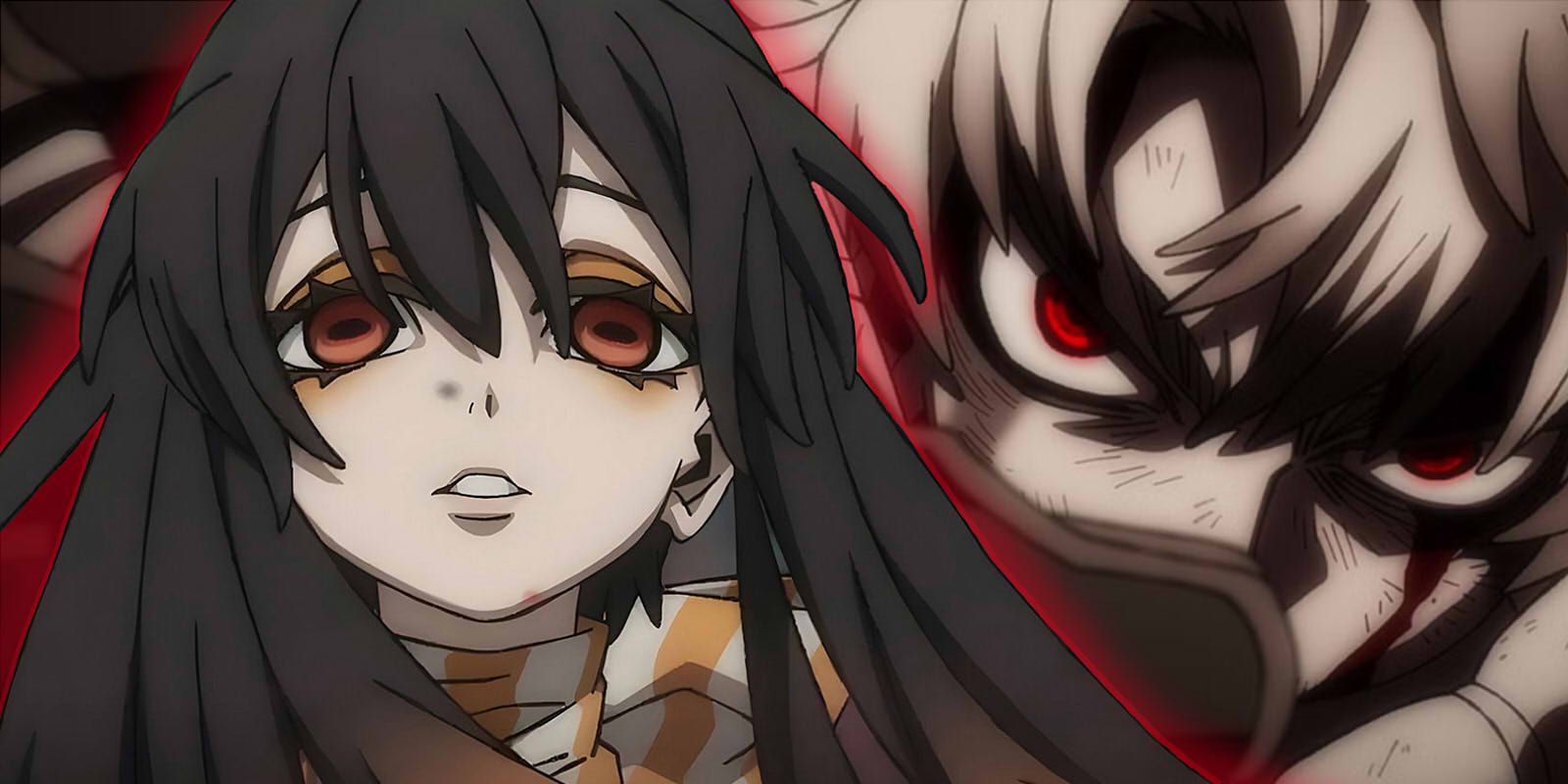
Kei Urana has received overwhelmingly positive reviews, boasting a 100% rating from Rotten Tomatoes critics and an 8.0 on IMDb. The anime, produced by Bones, quickly gained a large fanbase with its 24-episode debut season. It became the most popular show on Crunchyroll during Fall 2025, staying at number one for several weeks and surpassing established hits like My Hero Academia, One Piece, and Solo Leveling.
With its combination of stunning animation by Bones and a richly detailed world created by Urana, Gachiakuta stands out as one of the most promising new anime. The series benefits from the talents of Hiroshi Seko, the writer behind hits like Jujutsu Kaisen and Wind Breaker. Urana, who previously worked with renowned creator Atsushi Ohkubo (Fire Force, Soul Eater), is considered by him to be his successor, showcasing her exceptional skills.
Gachiakuta’s Sphere-to-Ground Divide Builds a Richer World Than Any Recent Shonen
In Kei Urana’s world, society is sharply divided between the Sphere, a luxurious floating city for the wealthy, and the Ground, a polluted wasteland used as a dumping ground and prison. This division isn’t just about different groups – like sorcerers and curses in Jujutsu Kaisen or humans and demons in Demon Slayer – but a deeply ingrained system of oppression that affects every level of society, from the slums and dangerous ‘Pit’ to the contaminated and supposedly safe areas.
Each area within the world of Gachiakuta functions under its own unique set of rules. However, the story is fundamentally a critique of societal problems, particularly issues like social inequality and a lack of concern for the environment. The primary danger in Gachiakuta comes from Trash Beasts – monstrous creatures resembling mutated kaiju, born from actual garbage. These creatures can constantly heal from conventional weapons, which means the people living on the ground must depend on individuals known as Givers, who possess the ability to awaken something powerful.
Studio Bones brought the Trash Beasts to life with smooth, 3D animation that made them even more intimidating without overshadowing the traditional hand-drawn style. The Beasts’ design also reflects the Sphereites’ overconsumption, turning the story’s environmental message into a key driving force, rather than just a minor theme.
Gachiakuta’s Vital Instrument System Outclasses Every New-Gen Shonen Power System at the Same Stage
Kei Urana’s world of Gachiakuta features a unique power system called Vital Instruments, fueled by ‘Anima’ – a hidden energy that transforms ordinary objects into weapons. But these weapons only awaken when someone truly cares for them over time. What makes each instrument special is that it’s directly tied to the user’s personality and beliefs; for example, Rudo’s 3R Gloves work differently than Riyo Reaper’s scissors or Jabber Wonger’s clawed gloves. Urana came up with this idea after accidentally breaking a favorite pen as a child and imagining the pen was begging her to stop – giving the power system a surprising emotional core rarely seen in action series.
The world of Gachiakuta draws inspiration from Tsukumogami, a Japanese belief that old objects develop spirits after a century of use, adding a rich cultural layer not found in the Nen-based Cursed Techniques of Jujutsu Kaisen. What truly sets Gachiakuta apart is its unique system where discarded items become powerful tools, serving as both a clever fighting style, a way to explore characters’ motivations, and a commentary on our throwaway culture.
Rudo Surebrec Redefines the Shonen Protagonist in Gachiakuta
Rudo Surebrec begins the story driven by a single goal: to avenge the murder of his adoptive father, Regto. He was falsely accused by the Sphere and abandoned, fueling his initial journey, which is characterized by bitterness and distrust rather than any noble ambition. Like Denji from Chainsaw Man, Rudo is vulnerable, but his personal tragedy feels even more intense, and his rage is entirely understandable given the harsh treatment he endures.
Rudo often does things you’d never expect from a typical hero in shonen stories, and the narrative treats these actions as core to who he is, not just random occurrences. A prime example is when he attacked a helpless Amo Empool – a move a traditional shonen protagonist would never make.
As the story unfolds, Rudo finds himself torn between his continued anger towards the Sphere and his growing connection with the Cleaners, leading to inner conflict. This makes him a very different kind of hero compared to characters like Yuji Itadori, who always leads with kindness, or Tanjiro Kamado, who is naturally compassionate. Rudo’s tendency towards violence highlights his moral gray areas.
Gachiakuta’s Ensemble Cast Sidesteps the Biggest Flaw in Modern Shonen Anime
The supporting characters in Gachiakuta are a refreshing change from the typical characters seen in popular anime like Jujutsu Kaisen and Naruto. Characters like Enjin, Riyo Reaper, and Zanka Nijiku have well-developed storylines that are just as compelling as the main character’s, which avoids a common problem in many modern anime series.
Unlike typical anime and manga, this series avoids the common trope of the flirtatious schoolgirl, instead giving Rudo a more meaningful connection with the character. The fight between Zanka and Jabber further demonstrates the story’s commitment to realism, as Zanka doesn’t experience the usual heroic turnaround seen in similar works.
Zodyl Typhon commands the Raiders, a villainous group, and utilizes a special coat called the Watchman Coat Mishra. This coat is a powerful device that transforms his body by absorbing energy, resulting in abilities as disturbing and unique as Rudo’s 3R Gloves. Unlike the heroes, the Raiders aim to dismantle the very system that created their world, creating a deeper ideological conflict than seen in early series like Jujutsu Kaisen and Demon Slayer.
Gachiakuta’s Graffiti-Punk Visual Identity Gives Bones Film an Unmatched Aesthetic
Hideyoshi Andou’s graffiti-style art draws heavily from the Black graffiti movement that began in the South Bronx in the 1970s, and often explores themes of fighting back against hardship. Andou has said that visiting street art scenes in Los Angeles was a key influence on the look of Gachiakuta, and he intentionally created an art style that’s more than just decoration—it’s a form of rebellion. Urana noted that the manga’s blend of graffiti was completely original, and this unique style perfectly captures the series’ core message of celebrating those who are marginalized.
I’ve been really impressed with the look and feel of Gachiakuta. The animation studio, Bones, is known for consistently delivering high-quality work – they’re the team behind popular shows like Full Metal Alchemist: Brotherhood, My Hero Academia, Bungo Stray Dogs, and Mob Psycho 100. Combined with Fumihiko Suganuma’s direction, it makes Gachiakuta visually stunning. They’ve used a really cool gritty style with a bit of a vintage anime vibe, thanks to the film grain and unique character designs. It’s no surprise the show has already been renewed for a second season, and they’re even making a mobile game and stage play – it’s clearly resonating with audiences.
Found an error? Send it so it can be corrected.
Read More
- United Airlines can now kick passengers off flights and ban them for not using headphones
- Crimson Desert: Disconnected Truth Puzzle Guide
- All 9 Coalition Heroes In Invincible Season 4 & Their Powers
- Mewgenics vinyl limited editions now available to pre-order
- Grey’s Anatomy Season 23 Confirmed for 2026-2027 Broadcast Season
- All Golden Ball Locations in Yakuza Kiwami 3 & Dark Ties
- How to Get to the Undercoast in Esoteric Ebb
- Viral Letterboxd keychain lets cinephiles show off their favorite movies on the go
- Does Mark survive Invincible vs Conquest 2? Comics reveal fate after S4E5
- Fire Emblem: Path of Radiance Trial Maps Unlock Guide
2026-03-15 19:39