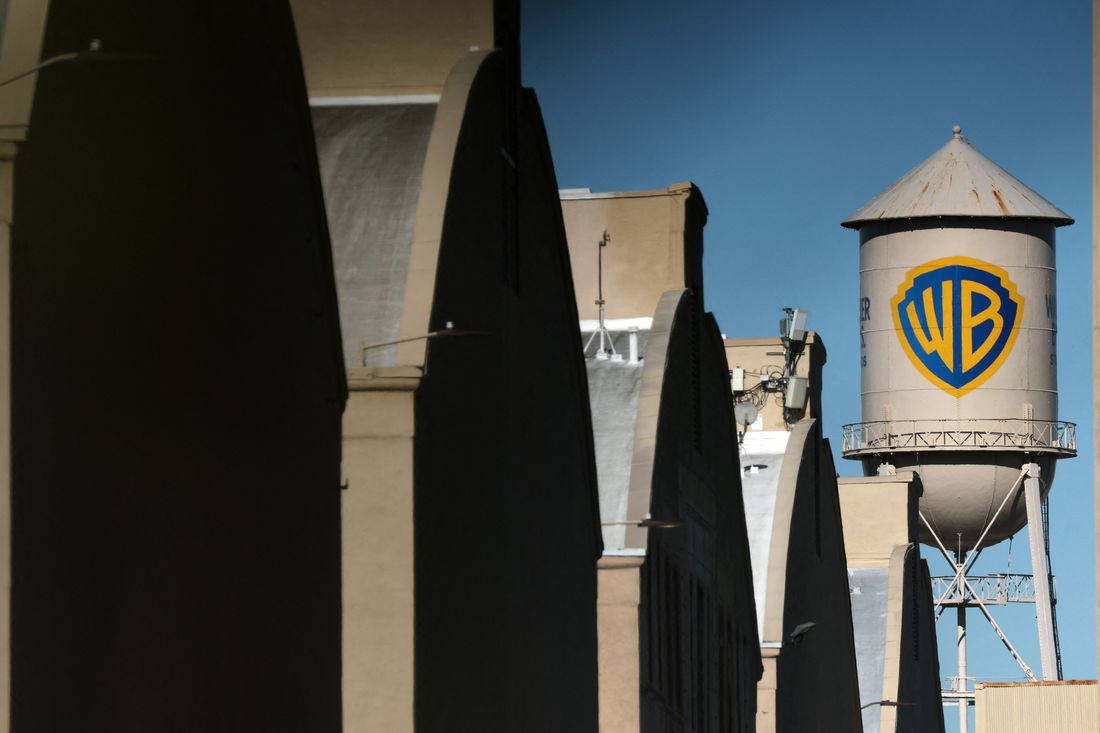
David Ellison, the CEO of Paramount, secured control of Warner Bros. on Thursday, thanks to significant financial backing from his father and strong support from Donald Trump’s political base. He successfully outmaneuvered a last-minute attempt by Netflix to acquire the company. While Ellison and Warner Bros. Discovery shareholders will benefit from Paramount’s improved offer, many industry observers see this deal as a major disappointment. The merged company will likely be weighed down by substantial debt, potentially leading to widespread job losses and a reduction in film and television production. The combination of CBS News and CNN also raises concerns about a potential shift towards more conservative coverage.
To be fair, Netflix acquiring Warner Bros. would have created problems as well. Many in the film industry, including director James Cameron, strongly opposed the idea, as Netflix hasn’t historically prioritized releasing movies in theaters. As the Writers Guild pointed out, the issue isn’t who buys Warner Bros., but the increasing consolidation of media companies. We’ve seen this before with Disney buying Fox and Amazon acquiring MGM, and those deals haven’t typically benefited audiences. A Netflix takeover wouldn’t have been good for everyday viewers or moviegoers either.
As a long-time Warner Bros. employee explained to me last year, the offer from Netflix, while not ideal, seemed like the best of a bad situation, and I agree. While the deal ultimately fell through, Paramount winning the bidding war is actually the worst possible outcome for Hollywood – and for the country as a whole.
The proposed merger would have hurt people working in the film industry, including those at Warner Bros. and Paramount, as well as independent creators. While Netflix might have made cuts regardless, the deal would have likely led to fewer big-budget films like The Rip being produced by Netflix. This is because Warner Bros. would have continued to provide plenty of large-scale movies, reducing the need for Netflix to invest heavily in that area.
As a movie fan, I’ve been following this potential Paramount-Warner Bros. merger closely, and honestly, a Netflix-WB deal would’ve probably meant slightly smaller budgets overall, but this Paramount-WB thing feels… brutal. Think about it – Disney didn’t need 20th Century Fox to keep making movies after they bought it, and Larry Ellison, the guy behind Paramount, probably won’t suddenly want to double the number of movies they release. It just doesn’t add up. My friend and film writer Nolan Hicks put it perfectly: if anyone thinks this new company will be churning out around 40 movies a year, they’re probably also willing to buy the Brooklyn Bridge – it’s just not realistic!
The newly combined Warner Bros. Discovery and Paramount will be burdened with a significant amount of debt – potentially around $60 billion. This means the company will need to drastically cut costs, beyond just reducing spending on films and TV shows. Unlike the proposed deal with Netflix, the combined company has many duplicated departments – including cable businesses, news divisions (CNN and CBS News), sports channels, and marketing/sales teams. If the Netflix deal had gone through, Warner Bros. Discovery would have spun off most of its cable holdings, giving those businesses a chance to survive independently, similar to what happened with NBCUniversal’s former units at Versant. While challenging, that would have offered more job security. Instead, the Paramount-Warner Bros. Discovery combination is likely to result in thousands of layoffs as departments are consolidated.
If Warner Bros. had acquired Netflix, it would have dramatically boosted their content library and HBO’s reach by combining it with the world’s most powerful streaming platform. Netflix has a proven ability to turn even lesser-known titles – like a movie Sony didn’t want, K-Pop Demon Hunters – into global hits very quickly, as seen with shows like Squid Game, Wednesday, and Bridgerton. Immediately, Netflix could have expanded the popularity of existing shows like The Pitt or guaranteed a massive global launch for the new Harry Potter series being developed for HBO Max.
Unlike its competitors, Paramount’s plan to improve Paramount+ relies on unspecific promises to use technology from Oracle. Even Disney, a massive company, has struggled for years to refine its streaming platform’s technology and user experience, despite significant improvements. Now, Paramount’s team faces the added challenge of combining content from Paramount+, HBO, and HBO Max. However, Oracle’s investment in TikTok could potentially be used to effectively promote Paramount and Warner Bros. content.
The situation is further complicated by Donald Trump’s involvement. Netflix’s Ted Sarandos recently met with Justice Department officials, likely to gauge the White House’s stance on a potential merger with Warner Bros. Discovery. Oracle’s Larry Ellison has visited Trump multiple times, and Senator Lindsay Graham hosted him at the State of the Union address. Meanwhile, Trump publicly criticized Netflix for removing Susan Rice, a former Obama administration official, from its board. It’s unclear if these events influenced Netflix’s decision to end merger talks, though it’s possible the company feared intervention from Trump officials, despite his previous assurances of non-interference. Ultimately, the most probable reason Netflix backed out was financial – they likely didn’t want to pay too much for Warner Bros. Discovery.
It’s clear to anyone paying attention that Larry Ellison, like many business leaders, has been trying to win favor with Donald Trump for over a year. He first did this while pursuing control of Paramount, and then to push through his company’s plan to buy Warner Bros. Discovery. When Netflix made a competing offer, Paramount argued they were the only ones who could actually finalize the deal. While they claimed this was because they were smaller and posed less of a monopoly concern, the truth is Ellison and his father are well-regarded by Republicans, consistently aligning with the GOP’s preferences. Ultimately, if the Ellison family succeeds in acquiring Warner Bros. Discovery, it would be seen as a victory for the MAGA movement.
The most significant outcome of this change is control of CNN. While CNN’s viewership and profits are declining and its business model is struggling, it’s a huge win for Trump’s supporters. For decades, conservatives have criticized CNN – even nicknaming it the ‘Clinton News Network’ – so having owners like the Ellisons, who are seen as more favorable to their views, in charge is a major shift. Trump has repeatedly expressed his desire for new CNN ownership, and the changes at CBS News since the Ellisons took over suggest he’s now achieved that goal.
While it’s not certain Bari Weiss will directly manage CNN, she – or someone with similar viewpoints – could significantly influence the network’s direction, especially if CNN merges with CBS News. Even if CNN remains separate, the new company formed by the merger will likely be heavily in debt, leading to further budget cuts at CNN. This could mean a shift away from thorough reporting and toward more opinion-based commentary, something CNN already relies on too much. According to media analyst Matthew Gertz, the real danger isn’t that these networks will become overtly right-wing, but that they’ll lose the ability to conduct serious investigative journalism that holds those in power accountable.
One reason many in Hollywood were hoping Netflix would acquire Warner Bros. is the potential disruption the new leadership at CNN could cause. Despite some reservations about the tech company, Netflix really wanted Warner Bros., and losing out on the deal is a significant setback after years of success. Ted Sarandos, Netflix’s co-CEO, persuasively argued that combining the two companies would be beneficial, especially by gaining access to Warner Bros.’ valuable content and talent. Sarandos and Greg Peters, his fellow co-CEO, are highly competitive individuals who always strive to win, even in seemingly minor areas like show rankings. Therefore, this failed deal likely represents a personal disappointment for them as well.
Despite the initial setback, Sarandos and Peters believe Netflix will ultimately benefit from not merging with Warner Bros. Discovery. Recent stock declines reflected concerns that the deal would burden Netflix with debt and create internal challenges, and those concerns were valid. Integrating Warner Bros. Discovery’s workforce and navigating the film distribution side of the business would have been significant distractions. Now, Netflix can concentrate on its core strength: leading the paid streaming market.
Netflix actually benefits quite a bit from this situation. They gained valuable insight into Warner Bros. Discovery’s finances and business strategies, which could help them if they ever decide to buy another competitor. Even more importantly, their pursuit of Warner Bros. led to Paramount overpaying for the company. Plus, because of a clause in the sale agreement, Paramount now has to pay Netflix almost $3 billion. This money could fund new shows like Sinners or be used towards a future acquisition. In a surprising turn of events, Netflix essentially wins even though they didn’t get Warner Bros.
Most people in Hollywood see very little benefit in the proposed Paramount deal for Warner Bros. If it goes through, we’ll have one less major studio independently creating movies and TV shows, leading to job losses and fewer opportunities for creative storytellers. Funding for news coverage and investigative journalism could be reduced, or the news itself could become more biased. This is especially concerning now, as the country faces efforts to limit democracy and diverse viewpoints, and a media company openly supporting those efforts is poised to become much more powerful. This deal represents the worst possible outcome for Warner Bros.
Read More
- United Airlines can now kick passengers off flights and ban them for not using headphones
- Crimson Desert: Disconnected Truth Puzzle Guide
- All 9 Coalition Heroes In Invincible Season 4 & Their Powers
- The Boys Season 5 Spoilers: Every Major Character Death If the Show Follows the Comics
- Mewgenics vinyl limited editions now available to pre-order
- Invincible Season 4 Episode 6 Release Date, Time, Where to Watch
- Grok’s ‘Ask’ feature no longer free as X moves it behind paywall
- Assassin’s Creed Shadows will get upgraded PSSR support on PS5 Pro with Title Update 1.1.9 launching April 7
- ‘Timur’ Trailer Sees Martial Arts Action Collide With a Real-Life War Rescue
- Crimson Desert Guide – How to Pay Fines, Bounties & Debt
2026-02-27 23:56