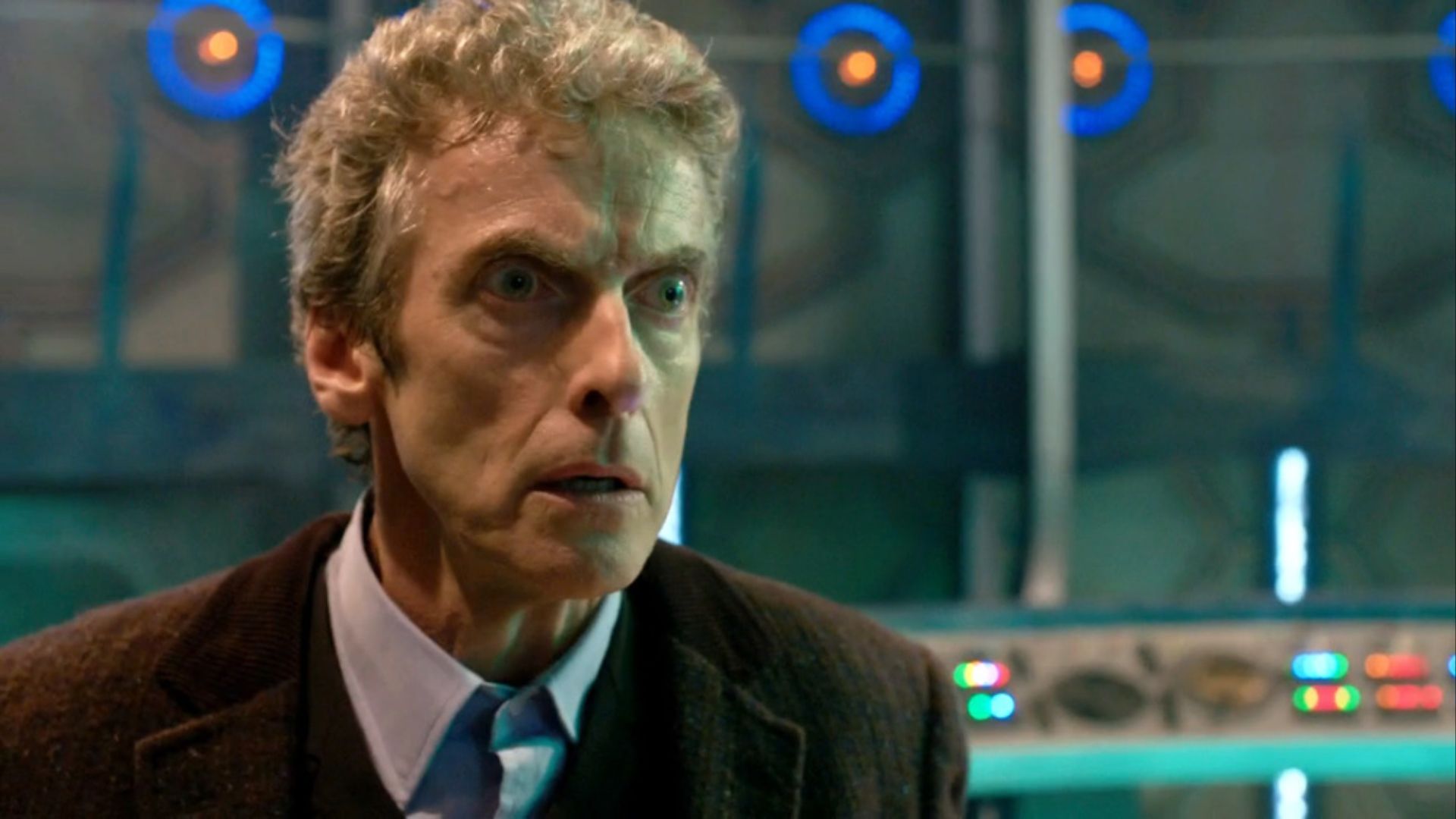
As a long-time Doctor Who fan, it really pains me to say that the show hasn’t delivered a truly satisfying season finale in almost ten years. A lot of people feel things changed when Steven Moffat stepped down as showrunner, and honestly, I think they’re right. But what really suffers is the season finale – they just haven’t been good since then, and it’s a huge letdown.
The last truly satisfying Doctor Who finale was the two-part story featuring Peter Capaldi as the Twelfth Doctor, “World Enough and Time” and “The Doctor Falls.” Since then, the season finales haven’t lived up to expectations, lacking the impact and excitement of most seasons from 2005 to 2017.
Why “World Enough And Time” & “The Doctor Falls” Was Doctor Who’s Last Great Season Finale

The episodes “World Enough and Time” and “The Doctor Falls” bring several long-running plotlines to a conclusion, and cleverly reference events from earlier in the season. A key example is Billy’s reunion with the Pilot – the alien who first offered her a chance to travel with her at the start of season 10. After a difficult experience with the Cybermen, the Pilot returns to help Billy escape her cybernetic transformation in the final episodes.
Throughout the season, the Doctor secretly held Missy prisoner in a vault under the university where he worked. In the finale, he decided to give her a chance to prove she’d changed, hoping to rehabilitate her. Missy seemed to be succeeding, even confronting a past version of herself, Harold Saxon, and showing genuine remorse. However, her progress was cut short when she was attacked by a previous incarnation of herself.
Beyond the fantastic story, Peter Capaldi delivers a truly moving performance as his Doctor faces immense loss and heartbreak before regenerating. He finds a small measure of peace and learns one last important lesson in the 2017 Christmas special, “Twice Upon a Time.”
The series finale beautifully demonstrates the power of Doctor Who to tell epic stories across time and space. It expertly balanced heartfelt moments with the return of familiar enemies, wrapped up long-running storylines in a truly satisfying way, and revealed a carefully constructed plan. This made for a spectacular send-off for both Peter Capaldi and Steven Moffat.
Where Doctor Who’s Season Finales Since 2017 Have Gone Wrong
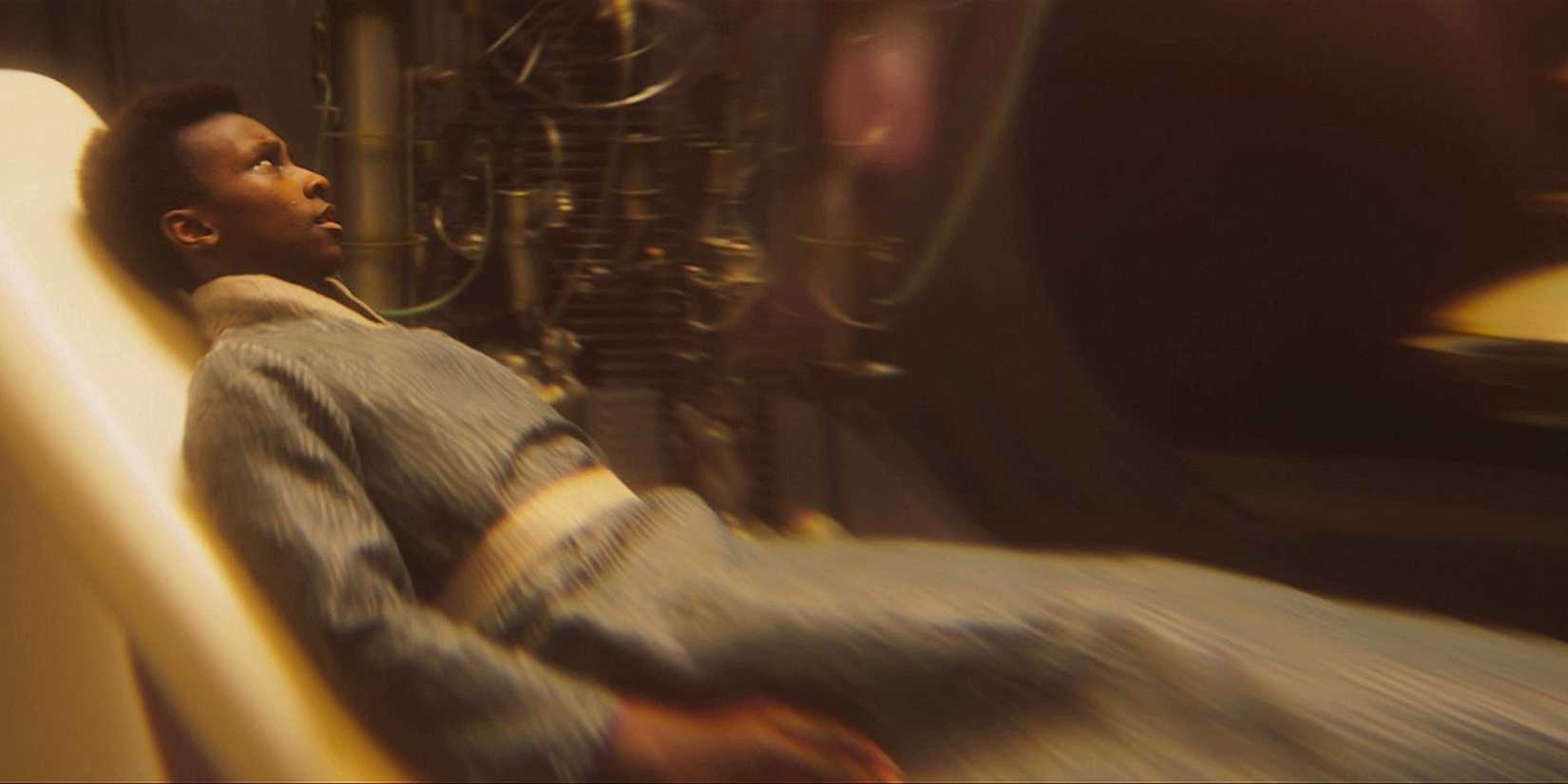
However, later seasons of Doctor Who weren’t as successful. When Chris Chibnall replaced Steven Moffat as head writer, he brought significant changes to the show. Although Chibnall had written for Doctor Who before and collaborated with previous Doctors like David Tennant on other projects, his tenure marked a shift in direction.
Similar to Matt Smith’s debut, Jodie Whittaker became the Thirteenth Doctor while completely on her own, and quickly met her companions during her first adventure, just as Smith had. The show also shifted its focus away from traditional monsters and significantly improved its visual quality, resulting in a noticeably different feel overall.
The season 11 finale, “The Battle of Ranskoor Av Kalos,” brought back the initial villain, but the resolution felt underwhelming and happened quickly. Season 12 improved by revisiting classic enemies like The Master and the Cybermen. While “The Timeless Children” had promise, the reveal of the Doctor’s alien origins was controversial and many fans felt it drastically changed the show’s established history.
Season 13 felt the most like the classic Doctor Who, but its shorter, six-episode length and focus on a single, overarching story – the Flux – didn’t quite recreate the feel of earlier seasons. Those seasons skillfully built a bigger story over many episodes, leading to a satisfying finale.
Ncuti Gatwa’s debut as the Doctor in season 14 was exciting and full of energy, and the initial storyline involving a group of powerful gods was promising. However, the season finale didn’t quite deliver. The main villain, Sutekh, was defeated quickly, and the reveal about Ruby Sunday – who was hinted at being extraordinary – turned out to be rather ordinary, leaving the season feeling like it built up to very little.
Season 15 suffered the most from recent issues with Doctor Who. It appears the showrunner, Russell T Davies, had a detailed plan for the story that was meant to continue into Season 16, but Ncuti Gatwa unexpectedly left, forcing a hurried ending. The finale was especially confusing, culminating in a bizarre scene where the Doctor seemingly turned into Billie Piper, who previously played the character Rose Tyler.
Doctor Who Season 16 Should Go Back To Basics With Its Long-Term Arcs

It seems Russell T Davies had ambitious ideas for season 16 of Doctor Who, but with Ncuti Gatwa leaving, the showrunner has also decided to step down after the 2026 Christmas special. This means season 16 will be overseen by a new team, and it’s likely the show will undergo a significant refresh with a new companion and creative staff.
If the new showrunner studies what made earlier seasons, especially the finales, successful, there’s hope that future seasons – starting with season 16 – can once again focus on bigger storylines that unfold over an entire season or even longer.
Doctor Who has always had the potential to be truly special, and as the longest-running science fiction show on television, it’s proven that many times over. That’s why its fans are so passionate and eager for it to return to its best with a strong new season.
Winning back viewers and returning to the high quality of past seasons will be a challenge, especially with a new cast and crew for season 16. However, if the new showrunner and team deliver, Doctor Who has the potential to create a fantastic season with a satisfying finale that fits into a larger, ongoing story.
Read More
- United Airlines can now kick passengers off flights and ban them for not using headphones
- Crimson Desert: Disconnected Truth Puzzle Guide
- All 9 Coalition Heroes In Invincible Season 4 & Their Powers
- Mewgenics vinyl limited editions now available to pre-order
- Invincible Season 4 Episode 6 Release Date, Time, Where to Watch
- The Boys Season 5 Spoilers: Every Major Character Death If the Show Follows the Comics
- Assassin’s Creed Shadows will get upgraded PSSR support on PS5 Pro with Title Update 1.1.9 launching April 7
- Grok’s ‘Ask’ feature no longer free as X moves it behind paywall
- Grey’s Anatomy Season 23 Confirmed for 2026-2027 Broadcast Season
- Crimson Desert Guide – How to Pay Fines, Bounties & Debt
2026-04-09 04:00