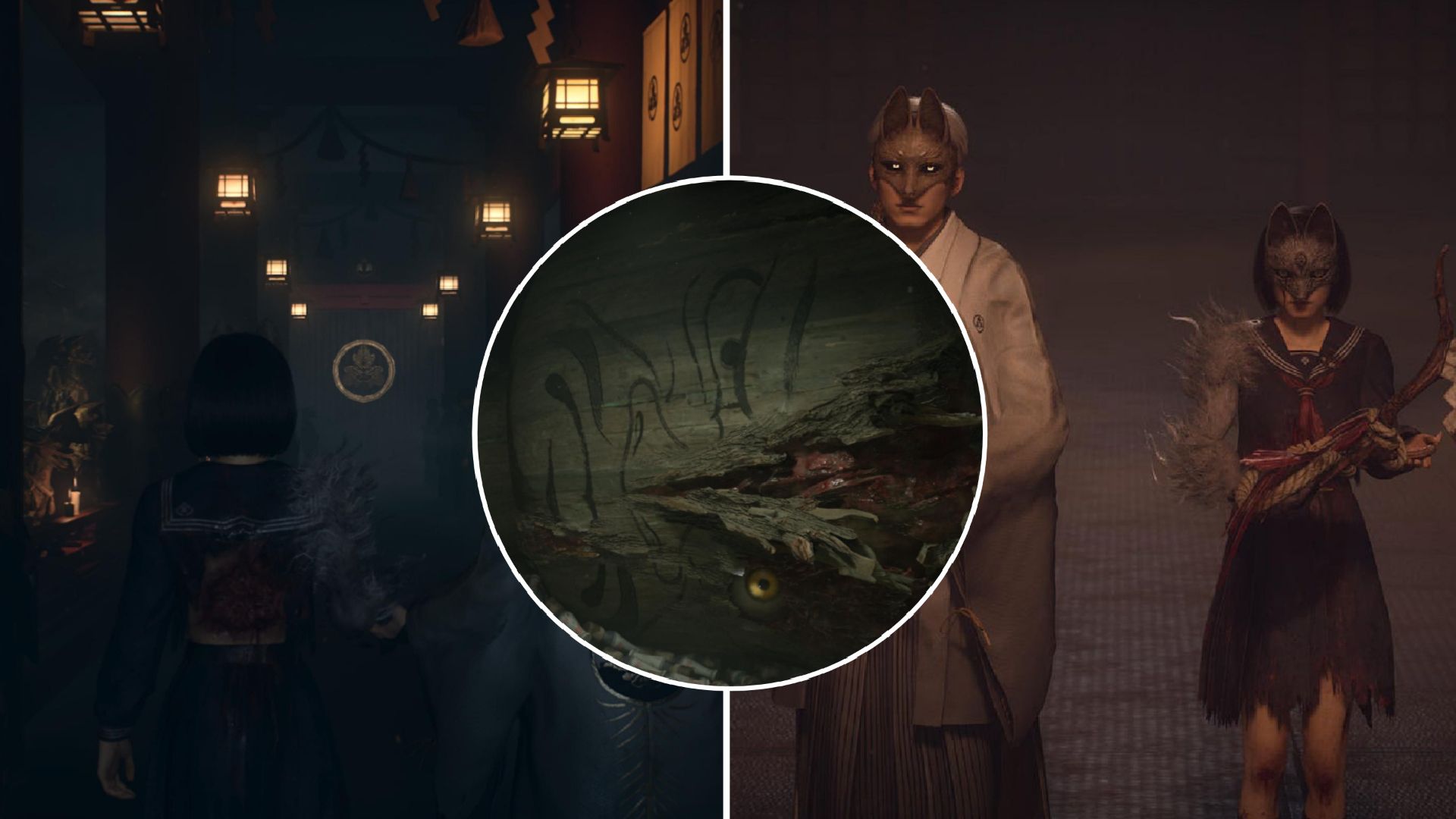
Silent Hill f is incredibly detailed, almost overwhelming. Like other games in the Silent Hill series, it relies on subtle, hidden horror, and this latest installment is no different. What makes the horror truly effective, though, is how much it depends on the surrounding context.
The game is set in 1960s Japan and deeply rooted in its culture, meaning Western players might not fully appreciate all the details. Without firsthand experience of Japan – whether through travel, study, family connections, or understanding of the language or religions like Shintoism and Buddhism – many subtle points could be missed.
While some details in the game are easily understood by everyone – like the Red String of Fate on save files or the meaning of the red spider lilies – many subtler points are lost on Western audiences without a deeper understanding of Japan, its history, and culture.
I studied abroad in Japan and continue to learn the language. While I’m not a native speaker and don’t live there, my time in Japan gave me a lot of insight into the culture. This really enhances my enjoyment of the game, and I hope it adds a deeper level of appreciation for other Western players too.
This article will contain spoilers for Silent Hill f, its happenings, and endings.
10. The Bride Doll
An Easter Egg and Foreshadowing
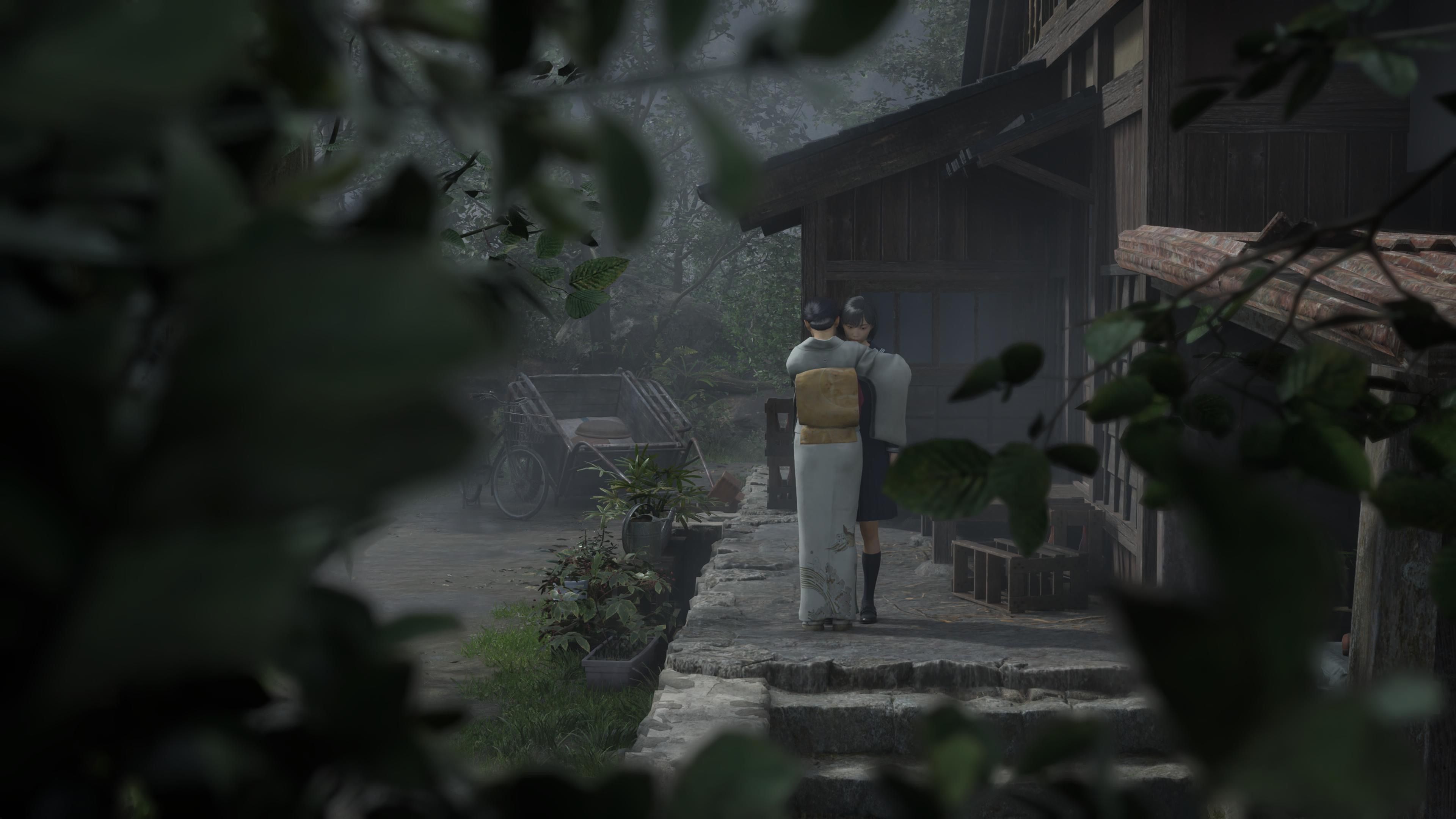
The game’s opening song, “Mayoi Uta” (which means “Lost Song”), contains a hidden detail. While players discover the lyric translation during the credits, the song is initially presented in a fragmented way. This often surprises Japanese speakers when they hear the complete version. Even before that, many players correctly guessed the song’s theme – the difficulties faced by women – which proved to be a central topic in the game.
This song’s melody comes from an older Japanese folk song called “Hanayome Ningyou” (The Bride Doll). That song tells the story of a bride who is unhappy on her wedding day and is crying. It’s a sad song, full of worry and regret, and it advises the bride to stop her tears so she doesn’t spoil her beautiful white wedding kimono, called a shiromuku.
This detail powerfully roots the story in realism and subtly hints at the difficult situation Hinako is facing. The game heavily explores themes of fear surrounding marriage, losing one’s identity within it, and abusive cycles, making this song a fitting and impactful foundation for the narrative.
To help people in Western cultures understand, imagine a distorted or broken version of the traditional wedding song, Mendelssohn’s Wedding March.
9. Arranged Marriages Were Supposed to Die Out
Shimizu Kanta Represents Post-War Traditionalism
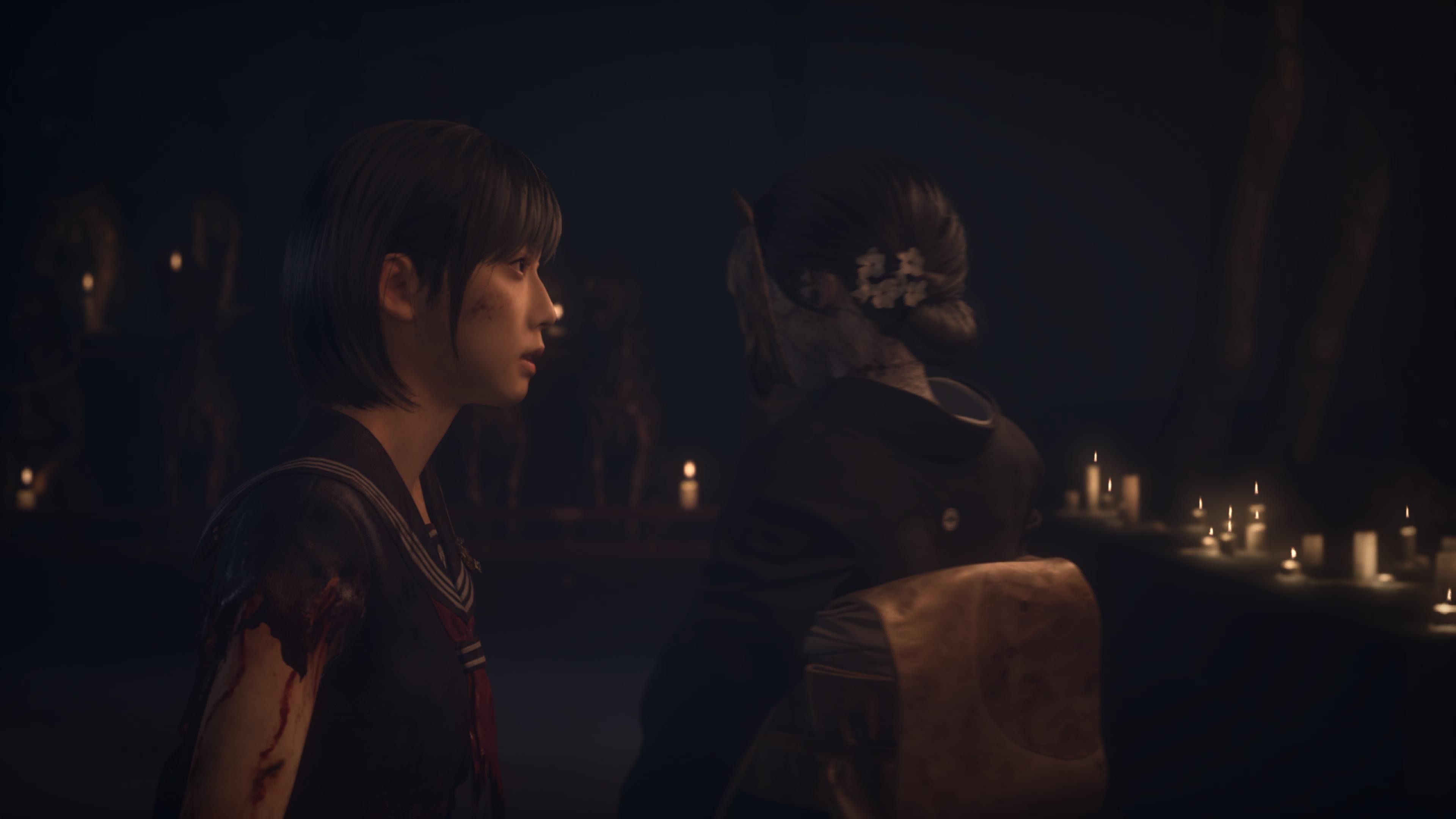
I learned this interesting detail from a Reddit user, u/Obvious_Necessary671, who shared a lot of helpful information about Japanese culture as it appears in the game. They explained how arranged marriages worked in Japan, and it turns out there are many nuances and subtleties to the practice that add a lot of depth to understanding it.
While not as frequent as in the past, arranged marriages, known as omiai, still happen in Japan. Interestingly, many expected them to disappear after World War II. The post-war Constitution of 1946 actually removed the legal basis for family heads to arrange marriages for their children.
The law was updated in 1947 to let either spouse choose their last name. However, Mizuho Fukushima, a lawyer and member of the House of Councilors, explained in a 1999 Japan Times article that the changes didn’t go far enough. While the law shifted from registering families as a single unit to registering nuclear families, it still hadn’t fully moved to individual registration. As a result, the traditional concept of the family unit—the ie—remained deeply ingrained in Japanese society and continues to influence things today.
The traditional idea of ‘ie’ – meaning home – is central to the beliefs of Hinako’s father, Shimizu Kanta. He strongly values tradition and fitting in, which makes Hinako’s difficult circumstances feel even more oppressive. The story also explores a fear of conformity, further emphasizing this sense of suffocation.
While arranged marriages, known as omiai, still happen in Japan, they’re much less strict than they used to be. Today, most people marry for love, and that’s largely due to the efforts of women like Hinako who challenged traditional practices.
8. Kokeshi Dolls Are Symbolic
Even the Broken Ones
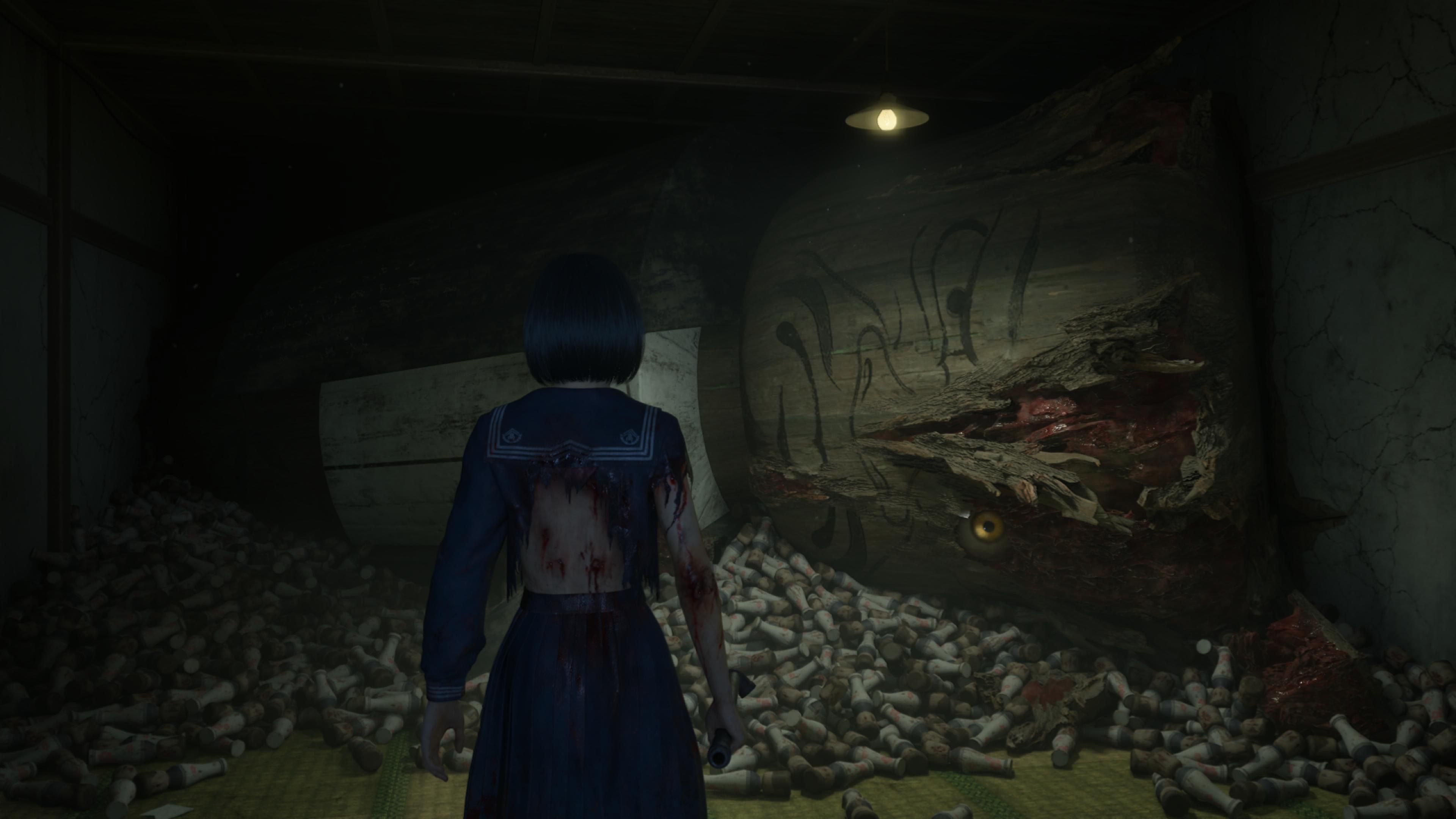
When I first played the game, I initially thought the kokeshi dolls found in the Shimizu Residence (a nod to Silent Hill 4: The Room) were actually track and field batons – and I’m not alone in making that mistake! It’s an easy assumption, but these kokeshi dolls actually reveal a lot more about the story.
Kokeshi dolls are traditionally meant to safeguard children, and their upright posture is believed to be key to their protective power. However, dolls found lying down are painted to resemble the mother, while a much larger doll with a prominent yellow eye represents the father. This larger figure appears to be overpowering the mother figures, a visual representation of abuse and control that was a recurring theme throughout the game.
Okay, so all these little kokeshi dolls are tipped over, and that’s a big deal because it basically removes their protective magic. It’s a really sad reveal – it shows us what Hinako actually thinks of her parents. She sees them as failing to protect her and her siblings from the abuse they were suffering. It’s heartbreaking, honestly.
It’s a subtle insight into Hinako’s mind that makes the game seem that much more tragic.
7. The Monsters Are Connected to Yokai
Society was Born from Folklore
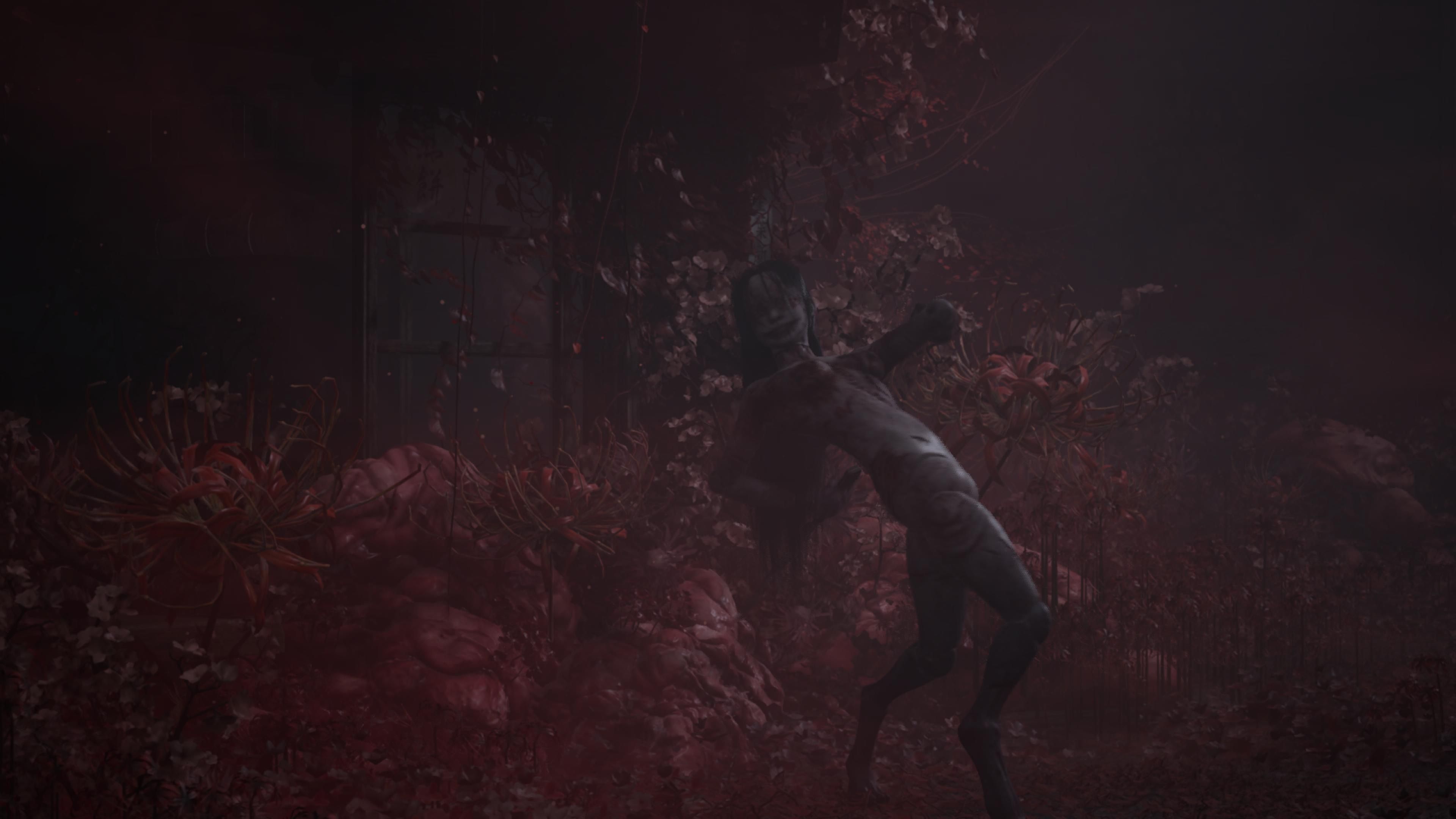
The creatures in Silent Hill games are always rich with symbolism, and Silent Hill f continues that tradition. These monsters seem to draw inspiration from yokai – demons found in Japanese folklore – which are deeply rooted in cultures worldwide.
When I interviewed NeoBards, the development team, I asked them if any stories in folklore or any particular yokai inspired them – and one example that was brought up was the irohihi (the pervert monster that licks you in the fog world). The director, Al Yang, had mentioned a yokai that has a potbelly and is eternally hungry as one inspiration (it’s likely he’s talking about the gaki), but that’s not all. A hihi is another type yokai that seems to make up the irohihi, being a baboon yokai known for violence. Even the name, irohihi, is a play on words – specifically, it sounds like エロ爺 (erojiji), which means perverted old man.
This creature isn’t unique in its detailed design. The ayakakashi appear to be inspired by traditional Japanese yokai known as ayakashi – vengeful spirits of those who drowned, now determined to drag others down with them.
Actually, every monster in the game has some connection to Japanese folklore, which strengthens the game’s themes and story.
6. There’s More to Inari and the Tsukumogami
The Gods Have Rich Lore
This game features a central conflict between two powerful gods: Inari, the Fox God, and an ancient Tsukumogami spirit. However, players unfamiliar with Japanese folklore and Shintoism might not fully understand the significance of these characters and their backgrounds.
Inari is a genderless deity who can appear in many forms, though is often depicted as a woman. The developers of Silent Hill f choosing to portray Inari with a more masculine appearance seems intentional, potentially to emphasize traditional gender roles, or perhaps this character isn’t the true Inari. Given Inari’s typically kind nature, the events of the game feel unusual unless this version of the deity is different from the original.
I’ve been reading about Tsukumogami, and they’re fascinating! They aren’t gods, exactly, but more like spirits that come to life from old objects that were just thrown away without any respect. Basically, if you toss something out carelessly in Japanese folklore, it might decide it’s not finished yet and stick around until it can finally rest. And that’s exactly what seems to be going on with this creepy old celluloid doll!
The unique religious beliefs of Ebisugaoka, which blend worship of these two gods, highlight how separate Hinako feels and how strongly the town clings to its traditions.
5. Hinako’s Name Isn’t the Only One with Meaning
Everyone’s Name Reveals Something
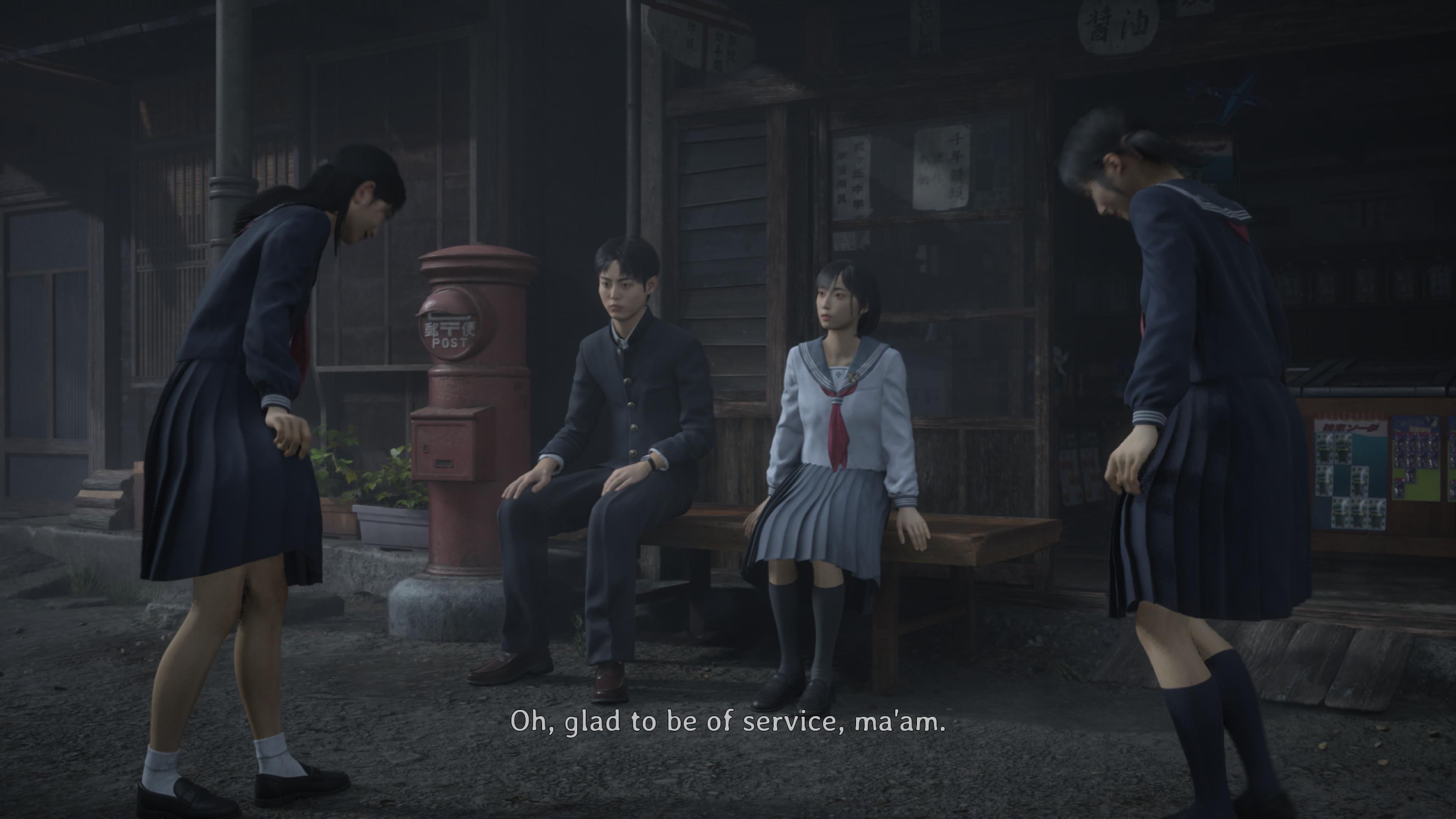
I can break down the meanings of the Japanese characters in names, and someone on Reddit, u/CadavreExquisite, has already done that for these characters, which I’ve verified. The name Hinako literally means “baby bird,” while her last name, Shimizu, means “deep water.” This creates a fitting image – a vulnerable baby bird struggling in deep water. While “deep water” could also suggest cleansing, given the game focuses on Hinako’s internal struggles, the imagery of a baby bird in distress feels more relevant.
Interestingly, every name has a special meaning that reflects a person’s character. A funny example is Fox Mask, whose real name is Kotoyuki Tsuneki. Records show his first name, Kotoyuki, was created by combining characters from his parents’ names, ultimately meaning “everlasting happiness.” But his last name, Tsuneki, is a clever twist: it’s simply the Japanese word for fox, kitsune, spelled backwards. When written in its original order, though, Tsuneki means “finding joy in the ordinary,” hinting at how he will achieve lasting happiness by marrying someone who lives a simple life.
And then there are Hinako’s friends. Take Shu, for instance. The character Shu means ‘master’ – you even see it in the kanji for ‘master’s degree’ – but it’s also commonly used in words related to repair or fixing things. Given that he appears to be trying to ‘fix’ Hinako’s problems, that connection probably isn’t accidental.
The name Rinko combines the meanings of “cold, strict” and “child,” which perfectly describes how she was in school: brilliant and a perfect student, but she struggled to connect with others. As a high school teacher, I often encounter students like Rinko, and helping them learn to handle social situations is one of the hardest parts of my job.
The name 咲子 (Sakuko) combines the meanings of “blooming” and “child.” One user, u/CadavreExquisite, suggested this might reflect her immaturity, like she’s a late bloomer, which is a good point. However, I believe it’s also connected to the fact that she’s the first character in the game to have flowers visibly bloom from her skin.
4. The Hokora Offerings Are … Odd
Shintoism Cares About Purity
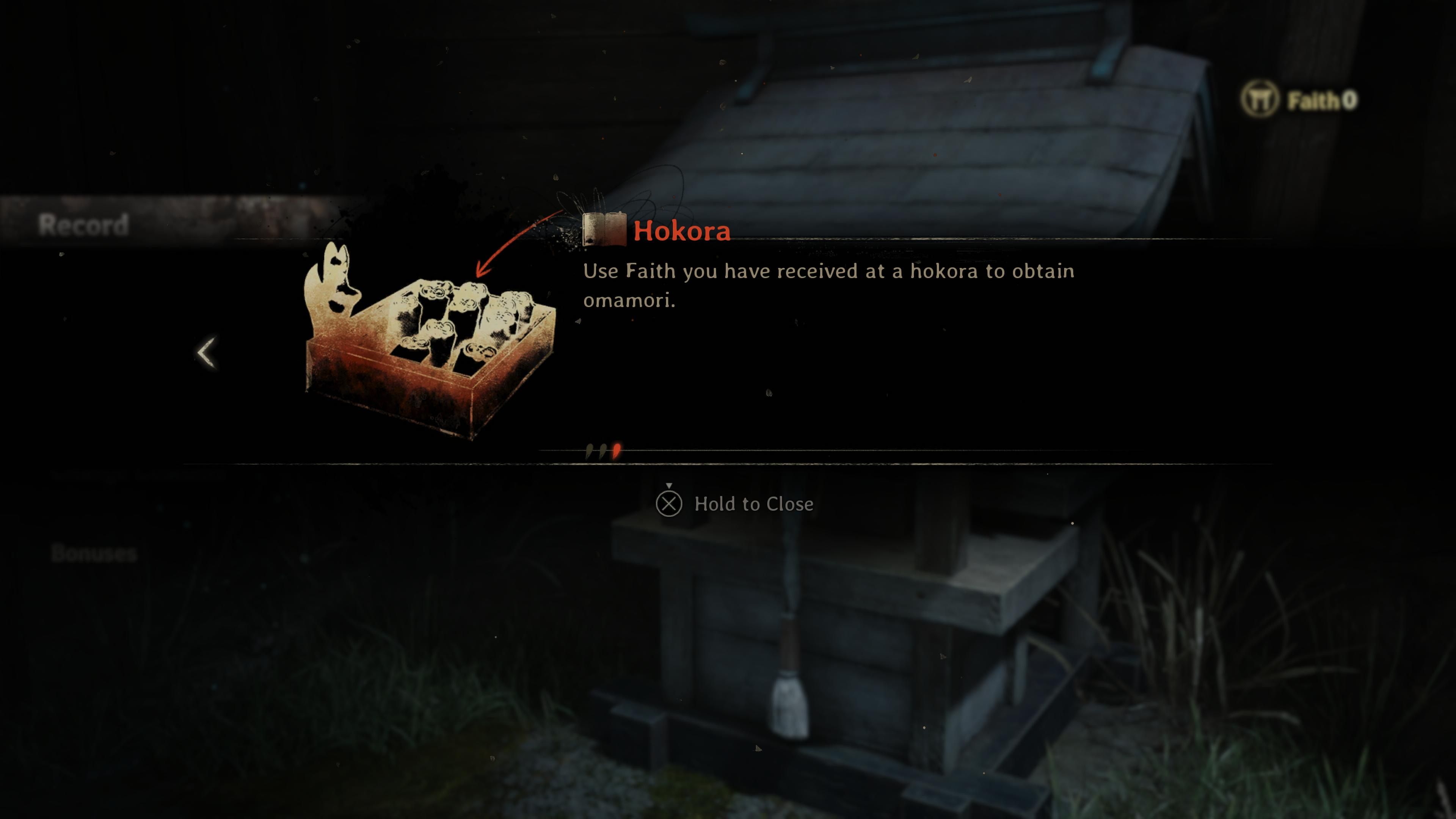
I’ve noticed a lot of Shinto and Buddhist themes woven into the game, which is really cool. But something that really struck me, especially knowing a little about Shinto, is how much emphasis there is on purity. It makes sense – in Shinto, cleanliness and life are actually part of what defines purity, and you really see that reflected in the game.
As I’ve been playing, I’ve found these little shrines called hokoras where you can leave offerings. It’s kinda wild – you can give them anything from tasty snacks and pretty combs to tea and tofu… and even a dried-up animal skeleton! It’s a pretty diverse list of gifts, honestly.
Offering a dried animal doesn’t really make sense, since death is usually considered unclean. However, within the game’s story, it takes on a deeper meaning. The offering is specifically a dried bird, and the character Hinako’s name literally means “baby bird.” This connection reveals a lot about her feelings – she sees offering parts of herself, symbolically, to the gods, and in this case, that offering represents her acceptance of marriage.
And considering how she views marriage as death, it’s definitely not a coincidence.
3. The Antlers on the Altar Aren’t Standard
Normally, It’s a Branch
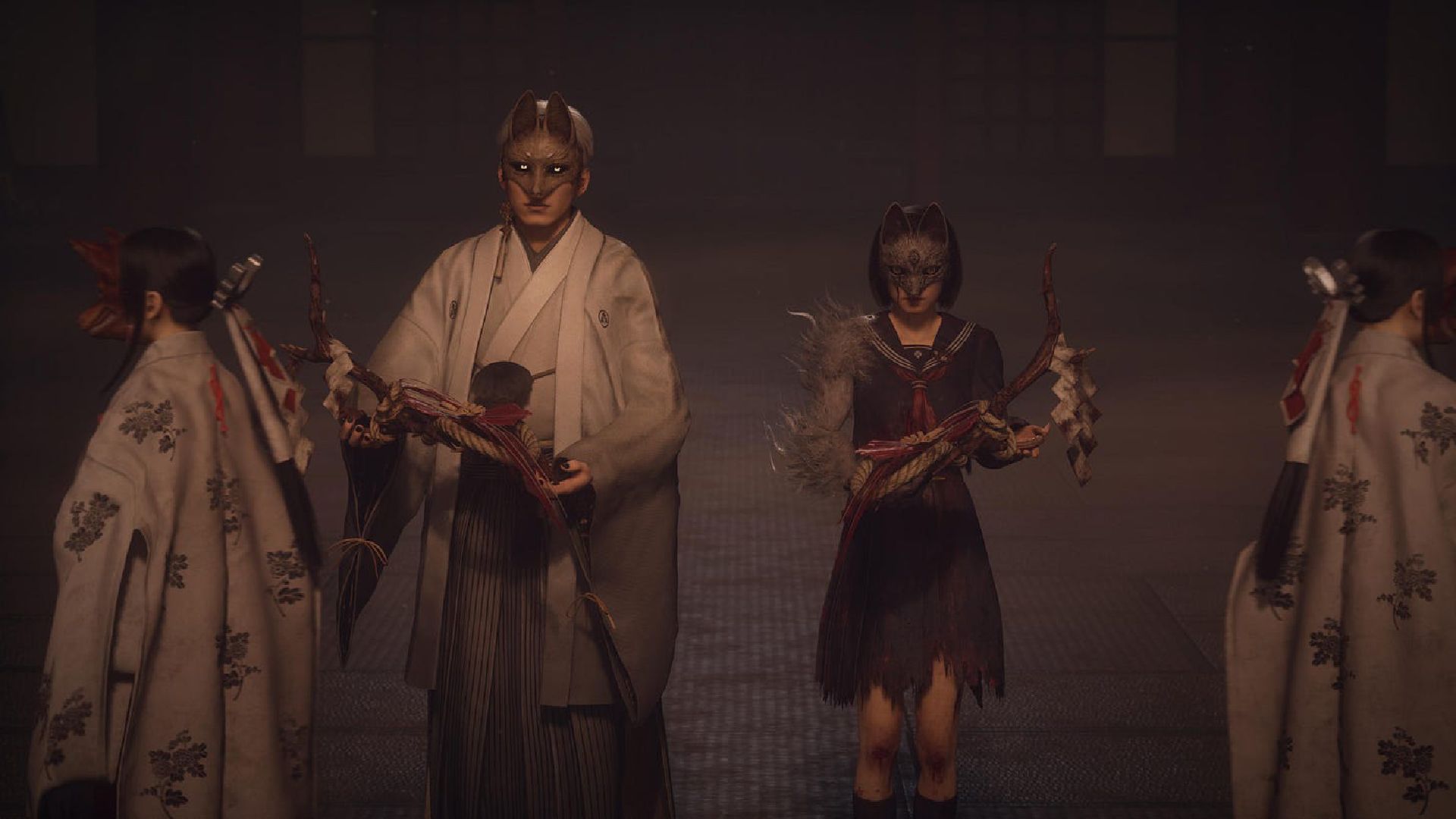
Because many Western viewers aren’t familiar with traditional Japanese wedding ceremonies, the scene where Kotoyuki and Hinako offer deer antlers at the altar – which transforms Hinako into a bride in a Shiromuku gown – likely won’t seem strange to them.
Subscribe for Deep Cultural Breakdowns in Silent Hill and Games
Deer antlers aren’t usually part of traditional Shinto weddings. Instead, shrine maidens typically present the couple with a tamagushi (玉串), a branch of the sakaki tree decorated with other ceremonial items like paper streamers and cloth. The tamagushi represents the couple’s honest feelings and good intentions, making it a fitting offering to the gods and to each other.
Deer antlers represent death in the game, which is full of imagery related to it. Hinako sees marriage as the end of a woman’s identity, so her transformation into the Shiromuku after the offering isn’t just about becoming a bride – it symbolizes the death of who she was, Shimizu Hinako.
2. The Dates in the Shimizu Residence Correlate
Additional, Subtle Storytelling
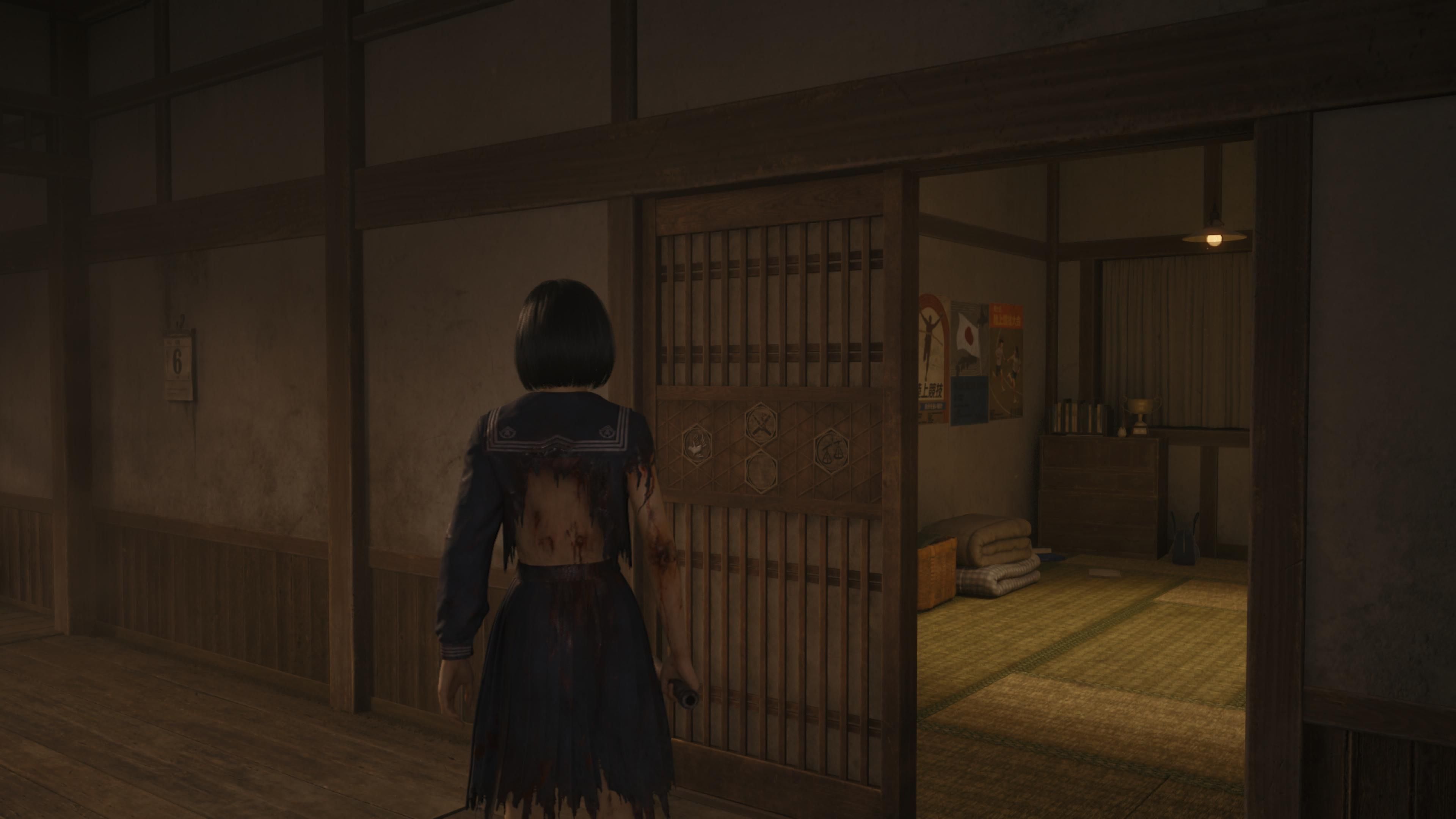
Japan has a traditional calendar system called Rokuyo that predicts how lucky each day—and even parts of each day—will be. It’s similar to a weather forecast, but instead of predicting the weather, it forecasts how good or bad your day might be.
When you start checking the dates related to the Shimizu Residence against the traditional Rokuyo calendar, you’ll find extra layers of detail that really show how carefully crafted this game is.
If you look up April 7th, 1961 – Hinako’s wedding date – on a traditional Japanese calendar, you’ll find it’s a tomobiki day. These are considered very lucky and perfect for important occasions like weddings. However, focusing just on the numbers – 4/7 – reveals a different story.
In some cultures, both 4 and 7 are considered unlucky because their names sound similar to the word for ‘death.’ While it’s a generally fortunate day, Hinako unfortunately experiences a tragic fate.
1. The Dark Shrine Details a Wedding Ceremony
All the Way Down to Three Sips
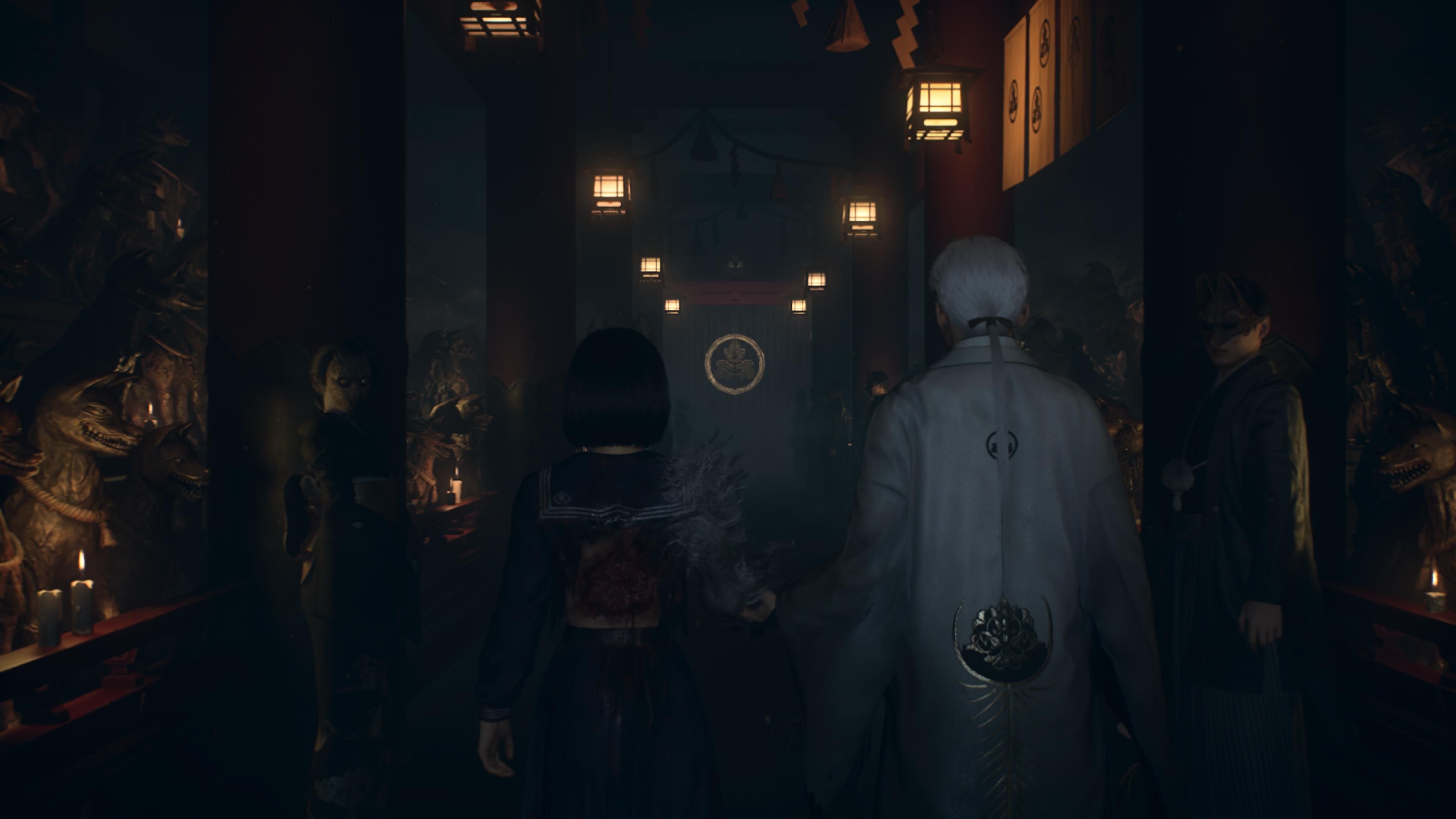
While I was studying in Japan, I happened to witness a traditional wedding procession, including the sanshin-no-gi, where shrine maidens lead the bride and groom to the shrine while playing gagaku music. When I saw that same procession recreated in the game, it suddenly made sense to me – everything happening in the Otherworld (which, it turns out, is actually called the Dark Shrine) is part of a wedding ceremony.
This is no exaggeration – some scenes in the Dark Shrine closely mirror actual wedding ceremonies. For example, a couple shared a video of their traditional Japanese Shinto wedding on YouTube, and the similarities are immediately obvious.
A scene shows Hinako and Kotoyuki alternately drinking from cups of different sizes. This mirrors the traditional wedding ritual called sansankudo, where the bride and groom each take three sips of sake from three increasingly larger cups, symbolizing the past, present, and future. Adding to the pattern of three, the shrine maidens pour the sake into each cup three times before the couple drinks.
The ring exchange seen in many weddings is actually a relatively recent addition to Shinto ceremonies, appearing only after the 1950s due to Western influence. Shrines also adopted the practice to attract younger couples who often prefer Western-style weddings over traditional Shinto ones.
Playing through the Dark Shrine reveals that everything within it relates to the traditions of a Shinto wedding, including all the rituals involved. It’s an incredibly impressive and beautiful detail, and it really adds to my enjoyment of an already amazing game.
Read More
- United Airlines can now kick passengers off flights and ban them for not using headphones
- Crimson Desert: Disconnected Truth Puzzle Guide
- All 9 Coalition Heroes In Invincible Season 4 & Their Powers
- Mewgenics vinyl limited editions now available to pre-order
- Assassin’s Creed Shadows will get upgraded PSSR support on PS5 Pro with Title Update 1.1.9 launching April 7
- Viral Letterboxd keychain lets cinephiles show off their favorite movies on the go
- Grok’s ‘Ask’ feature no longer free as X moves it behind paywall
- Grey’s Anatomy Season 23 Confirmed for 2026-2027 Broadcast Season
- All Golden Ball Locations in Yakuza Kiwami 3 & Dark Ties
- Zero Parades – For Dead Spies is launching on May 21 for PC and it will be Steam Deck Verified
2026-01-14 18:43