
The initial concept art for Dame Aylin’s prison is striking dark fantasy artwork, but a closer look reveals a wealth of hidden meaning. Larian’s artists didn’t simply create a prison; they designed a symbolic trap that adds significant depth to Aylin’s story. Details like patterns inspired by mystical traditions and a pose suggesting sacrifice all contribute to a larger narrative. Fans are fascinated by these discoveries, finding a richness that isn’t fully apparent in the finished game. We’re going to break down these hidden symbols and discuss why such detailed design is so captivating.
Key Takeaways
- Visuals Tell the First Story: Concept art acts as the emotional blueprint for a game, using color, shadow, and architecture to establish a powerful atmosphere that shapes the player’s connection to the narrative before a single word is spoken.
- Atmosphere Is a Deliberate Choice: The chilling mood of the original prison art wasn’t an accident; it was intentionally crafted with oppressive designs and symbolic details to make players feel the weight of Aylin’s suffering, showing the power of environmental storytelling.
- Game Design Balances Art and Function: The evolution from a dark concept to a playable level highlights the practical trade-offs in development, where artistic vision must be balanced with technical limitations and the need for a clear, enjoyable player experience.
Dame Aylin’s Prison: Unearthing the Haunting Original Concept Art
Concept art lets us peek into a game’s creative process, showing ideas that didn’t quite make the final cut – different directions for the story, atmosphere, or even characters. This recently happened with Baldur’s Gate 3 when fans discovered the original designs for Dame Aylin’s prison. The artwork presented a much more unsettling and distinct vision than what ended up in the game, sparking a lot of discussion about the darker version of the Shadowfell that almost was.
A Glimpse into the Original, Darker Vision
The initial artwork for Dame Aylin’s prison was incredibly effective at creating a dark and oppressive mood. It showed a haunting and intimidating environment that many fans actually preferred to the final version in the game. One Reddit user commented that they wished the game had used the concept art, finding it much darker and more impactful. This preference highlights a strong appreciation for dramatic, visually striking art that also evokes powerful emotions. The rough, grim style of the original artwork hinted at a more intense and disturbing history for Aylin and her long imprisonment.
How a Reddit Post Sparked a Viral Discussion
The recent online discussion really took off when someone posted a comparison between a piece of concept art and how it looked in the actual game. Players on Reddit quickly started sharing how much they liked the darker, more atmospheric feel of the original artwork. It wasn’t just about admiring a nice image; it sparked a really interesting conversation about how important visuals are to video games. Concept art often captures the core feeling of a game’s characters and settings early in development. It establishes the overall mood, the colors used, and ultimately, how players connect with the game emotionally, highlighting how much those initial artistic decisions impact the final product.
Why Can’t We Look Away From This Concept Art?
This concept art immediately resonated with people for a good reason. It’s not simply visually appealing – or frightening – it’s a brilliant example of how to tell a story with images, instantly captivating the viewer. The artwork evokes strong, instinctive emotions like fear, hopelessness, and a sense of forgotten history. It doesn’t just show a prison; it makes you feel trapped.
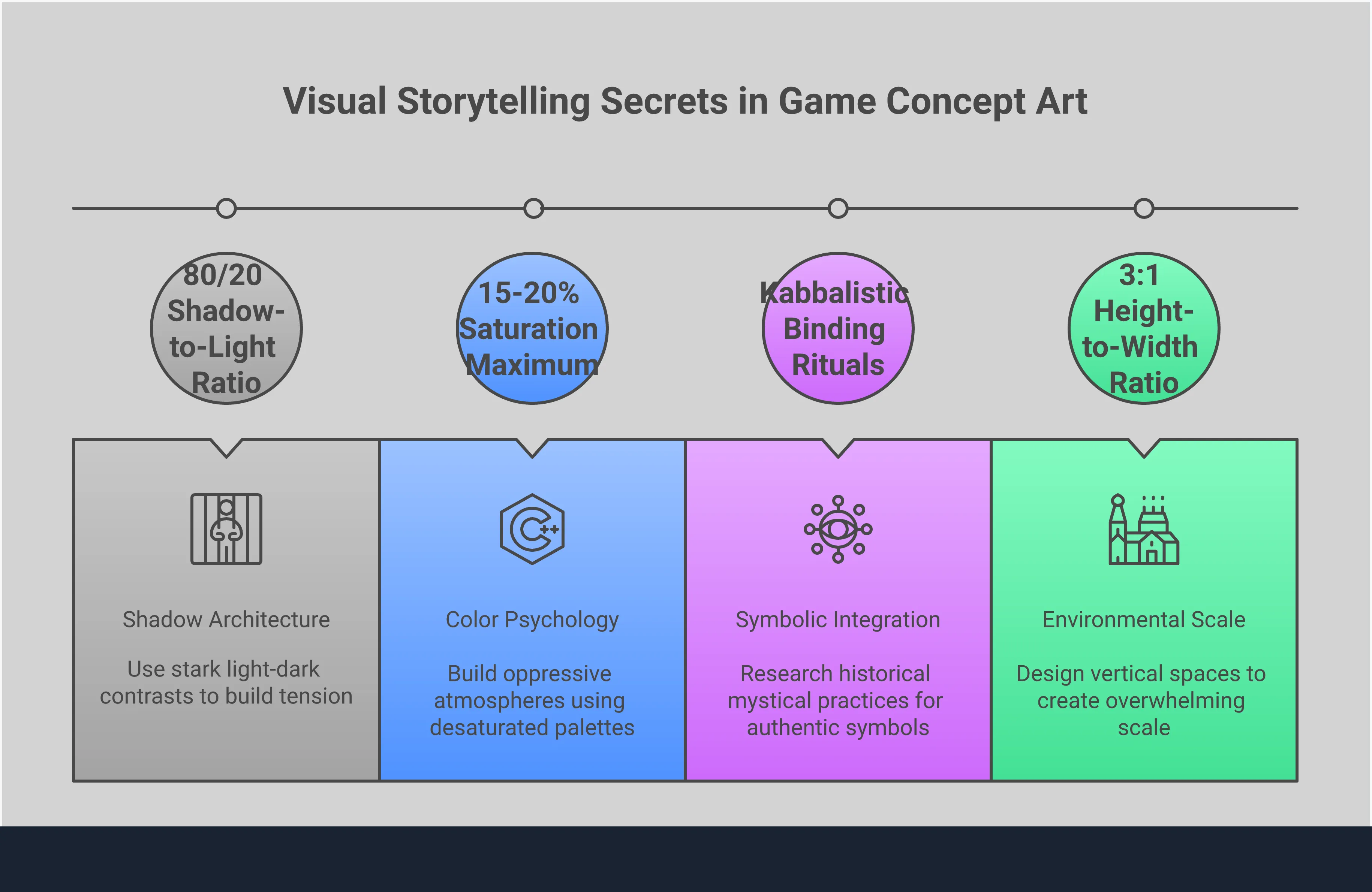
The strong emotional reaction this early prison design evokes comes from a skillful combination of three things: striking shadows, a deliberately gloomy color palette, and architecture that makes the player feel small and powerless. Understanding how these elements work together explains why this initial vision for Aylin’s prison is so memorable and why many players hoped it would be included in the finished game.
Crafting a Story Through Shadows
The most immediate impression is the overwhelming darkness, which isn’t simply a lack of light, but feels like a powerful force within the artwork itself. These deep shadows aren’t just about creating a somber atmosphere; they actively contribute to the narrative. The way light is used emphasizes the harshness of the prison, catching on details like chains and the sharp angles of the buildings, while leaving much hidden in shadow. This strong contrast is visually striking and creates a sense of tension. Your eye is drawn to the illuminated areas, but your imagination fills in the darkness, suggesting hidden terrors. This use of light and shadow is a timeless technique for building suspense and making a space feel both expansive and confining.
The Power of a Darker Color Palette
The colors in this scene aren’t accidental; they’re carefully chosen to create a feeling of hopelessness. Instead of bright, lively colors, the artist used cold grays, pale greens, and deep blacks. This color scheme is a common technique in game art to show a world that’s lifeless and bleak. The muted colors emphasize decay and endless suffering, which fits perfectly with Aylin’s long history of pain. There are no warm or cheerful colors to provide any comfort. Every color choice adds to the heavy, oppressive mood, making us immediately feel uneasy and sympathetic for the character trapped in this dark and colorless environment.
Architecture Designed to Intimidate
This prison isn’t simply a place of confinement; it’s designed to destroy the spirit. Its architecture is central to this effect. The massive, harsh structures and overwhelming size make anyone feel insignificant and helpless. It’s a powerful example of environmental storytelling, where the setting itself acts as a character, illustrating the imbalance of power. The sharp, looming lines create a hostile atmosphere, almost as if the walls themselves are instruments of torture. During game development, concept art is crucial for establishing this emotional feeling before anything is built. In this case, the artists used the building’s design to inspire both wonder and fear, making the prison feel like an ancient, imposing place where all hope is lost.
Concept vs. Reality: What Changed in the Final Game?
Video games often change a lot during their creation. A simple idea can become something completely different by the time players experience it. A great example of this is Dame Aylin’s prison. Although the final version, found in the Shadowfell, looks amazing, it’s quite different from the scary feeling suggested in the early concept art. This change has left many players curious about why it happened and what elements were lost when shifting from that first, frightening idea to the finished, refined game.
The basic framework of the environment is present, but it doesn’t evoke the same feeling as originally envisioned. Early concept art depicted a truly bleak and oppressive space – a real prison for an immortal character. While the final game still represents a confinement, it’s shifted towards the more fantastical style of Baldur’s Gate 3, sacrificing some of the intense psychological horror for more magical visuals. Let’s examine these changes in detail and consider the reasons behind Larian Studios’ choices.
Shifting the Atmosphere for the Final Cut
The biggest change between the initial idea and the finished game is the overall feeling. The original artwork was filled with a strong sense of hopelessness. It was very dark and unsettling, feeling more like a horror game than a typical fantasy RPG. Many fans agree – one Reddit user, WanderingHero8, wished the game had kept the prison looking as bleak as it did in the early concept art. The final version, with its bright crystals and open spaces, feels less like a place of terrible suffering and more like a magical holding area. While still somewhat gloomy, it doesn’t have the same powerful, shocking impact as the original artwork.
Key Elements Left on the Cutting Room Floor
A closer look reveals design and story ideas that didn’t make it into the final game. The early concept art featured a harsh, industrial style with strong, imposing shapes, which was toned down in the finished product. Originally, the environment was meant to powerfully convey a sense of pain and hardship through every detail. This concept art showcases the initial creative direction, which focused on deep feelings of loneliness and anguish. While the final design is detailed, it doesn’t feel quite as unified in its dark and oppressive atmosphere. These changes may have been made to better integrate with existing Shadowfell elements or to simplify the technical demands of such a visually complex setting.
Adjusting Light and Color for Better Gameplay
Some changes were likely made to improve how the game plays. The original artwork was very dark and used few colors, which created a spooky feeling, but could have made it hard for players to see and navigate. Game design principles show that color and light help guide players and give them clues. The developers, Larian, probably chose brighter, clearer colors to make the game easier to play and prevent players from getting lost or missing important details. This is a common choice between creating a strong artistic mood and making sure the game is enjoyable. The final version finds a middle ground, though some feel it lost some of the intense emotional impact of the original artwork.
Decoding the Hidden Kabbalistic Symbolism
The prison designed for Dame Aylin isn’t just scary-looking; its artwork is full of hidden meanings, heavily inspired by Kabbalah, a form of Jewish mysticism. Larian Studios didn’t simply create a prison cell; they built a symbolic trap where the very structure tells a story. These aren’t just random decorations—they were carefully chosen to deepen the meaning of Aylin’s captivity. By examining the details, you can see how the artists used ancient ideas to represent themes of being caught by a higher power, sacrifice, and the conflict between good and evil. It’s a brilliant example of visual storytelling, and makes the final in-game prison, while good, feel like it could have been even more impactful.
Reading the Mystical Sigils and Floor Patterns
The concept art features incredibly detailed floor patterns and symbols around Aylin, and fans have noticed they’re more than just decoration. These designs closely match Kabbalistic symbols used in rituals to summon and control spirits, even angels. The circular shapes and specific symbols create the impression of a strong, impenetrable barrier. This suggests Aylin isn’t simply chained up, but spiritually restrained, with her powers suppressed by old, potent magic. This detail elevates her prison from a basic cell to a complex spiritual trap, specifically designed to hold someone with her abilities.
The Deeper Meaning Behind the Crucifixion Pose
The way Aylin is depicted in the concept art immediately creates a strong impression. Her pose, reminiscent of crucifixion, powerfully suggests themes of sacrifice, suffering, and martyrdom. It’s not simply about physically holding her captive; the pose is meant to convey a deeper meaning. It portrays her as a martyr, someone enduring great pain for a significant reason or due to a profound betrayal. Instead of a mere prisoner, she’s presented as a tragic, almost god-like figure experiencing a deeply difficult ordeal. This artistic choice adds significant emotional weight, hinting at the personal toll of her immortality and her extended, solitary battle against evil.
The Tree of Life as a Spiritual Cage
The Tree of Life is a sacred symbol in Kabbalah, representing the journey to spiritual enlightenment. However, the artwork cleverly flips this idea on its head. Aylin’s prison is designed to resemble the Tree of Life, but instead of offering a path to freedom, it becomes the structure that holds her captive. This is a cruel irony – a symbol of spiritual liberation transformed into a cage. It implies her captors are deliberately using a source of divine power against her, turning a sacred map into the plans for her imprisonment and demonstrating how systems of belief can be used to control and restrict someone.
Exploring Themes of Duality and Transformation
Kabbalah frequently examines opposing forces – like light versus dark, or good versus evil. The concept art for the prison perfectly embodies this idea. We see Aylin, a being of pure light, imprisoned within overwhelming darkness. The strong difference between her bright form and the dark, imposing prison walls emphasizes this timeless conflict. This visual contrast suggests a story about change and growth. Is the prison designed to destroy Aylin’s spirit and extinguish her light, or can her unwavering hope actually change the darkness around her? This conflict isn’t just a part of the story; it’s a central philosophical question.
Why We Crave the Darkness: Player Reactions
When early artwork of Dame Aylin’s prison was revealed, players reacted strongly and immediately. It wasn’t just visually impressive; it resonated with many, hinting at a darker, more unsettling atmosphere that they wanted to experience in the game. This shows what players are truly looking for in Baldur’s Gate 3: not just a story, but a deeply immersive and emotional experience. The initial design powerfully conveyed Aylin’s long and painful imprisonment in a way that the final, more refined version doesn’t quite achieve.
The debate that erupted online wasn’t simply about how things looked. It was about how the game felt and how well everything fit together. Players were immediately drawn to the story the developers were aiming for when they saw early concept art. While the final game environments are good-looking and work well, the concept art created a more deeply unsettling mood that perfectly matched the dark and difficult story of Aylin. This highlights how important environments are to storytelling – they’re almost characters themselves, and players often want those environments to reflect the challenges and darkness of the narrative.
The Emotional Punch of the Original Art
This concept art is particularly striking because it evokes a strong sense of hopelessness and ancient fear that the final game version doesn’t quite capture. A Reddit user perfectly described the feeling, saying they wished the in-game prison looked more like the original art – much darker and more imposing. Many others agreed. The art’s heavy shadows, sharp design, and mysterious symbols create a truly threatening atmosphere. It feels like a place capable of holding a powerful being captive for centuries, and that visual impact is incredibly effective.
A Perfect Match for Aylin’s Tragic Story
The game’s dark aesthetic isn’t just for show; it powerfully reinforces the story. The artwork is rich with details that enhance Aylin’s heartbreaking journey. A keen player noticed the design cleverly uses symbolism from Kabbalistic practices related to trapping angels – even down to the patterns on the floor and Aylin’s pose, which resembles a crucifixion. This isn’t simply a place of imprisonment; it’s a carefully constructed spiritual trap meant to shatter an immortal being. These symbolic layers make her pain feel more real and her eventual freedom all the more impactful. The art beautifully illustrates a calculated cruelty that perfectly complements the story.
Meeting Player Hopes for an Immersive World
The community’s enthusiastic response shows how important concept art is to creating a believable game world. These early designs define a game’s overall look and feel – its colors, atmosphere, and mood – well before the 3D models are made. When players saw the prison concept art, they felt it created a unified and immersive world. It confirmed their hope for a game that truly embraced its dark themes and brought them to life through the environment. Essentially, the strong desire for this particular prison design reflects a longing for a game world as detailed and emotionally impactful as the story itself.
Breaking Down the Sinister Atmosphere
What makes this artwork so powerful? It’s not just the dark setting, but the incredibly strong and oppressive mood it creates. The artists carefully constructed this atmosphere, transforming a basic prison into a place you can almost feel the despair in. Let’s look at how the key design choices – from the building’s structure to the way the light is used – work together to tell a story of Aylin’s endless suffering and imprisonment. Every detail was intentional, designed to make you experience the full weight of her punishment.
Designing an Oppressive Space
The prison’s design in the concept art is meant to feel incredibly oppressive. Huge, rough rock formations surround the space, creating a sense of an old, inescapable cage. Everything is harsh and angular, with no obvious way out, and all lines draw your focus to the main character. One Reddit user noted that the original concept was much darker in tone than the final version. This deliberate choice powerfully conveys Aylin’s feelings of being trapped and losing hope, turning the prison itself into a key part of her story. It’s a great demonstration of how a setting can tell a story without any words being spoken.
Using Light and Shadow to Create Fear
As a fan, I’m really struck by how the lighting is used in this piece. It’s not just about making things look pretty – the way the darkness is broken up by these bright, glowing symbols and Aylin herself is so effective. It creates this really dark, unsettling mood. What’s brilliant is how the small, focused lights actually add to the feeling of being lost and trapped. It doesn’t feel hopeful or safe at all; instead, the light draws your eye to the things that are hurting Aylin, which is a really clever and creepy touch. Honestly, it’s the way light and shadow play off each other that makes the whole scene so chilling and memorable.
Small Details That Amplify the Dread
What truly makes this scene horrifying isn’t just the impressive design and lighting, but the subtle details. The floor’s patterns, the way the chains are arranged, and even the character’s pose all work together to create a heavy, unsettling feeling. Concept art is vital for building these details, as it sets the tone and visual style of the game’s world. Every element is carefully chosen to increase the sense of fear and suggest a history of pain. These details draw you in, encouraging you to examine the artwork closely and uncover the story behind it, making it both emotionally powerful and visually compelling. It’s a scene that stays with you long after you’ve seen it.
How Concept Art Tells a Story Before a Single Word is Written
The story of a game often starts not with words or code, but with a picture. Concept art sets the mood and feeling of a game, creating the foundation for how we experience it. It’s what lets us immediately feel a certain way when we enter a new area – whether it’s wonder, fear, or sadness. The artwork for Dame Aylin’s prison is a great example, conveying her tragic story and the bleakness of her confinement visually, without needing any explanation. This initial art acts as a guide for the whole team, ensuring everyone – from level designers to lighting artists – understands the emotional heart of each scene and character. It’s the first step in creating a world that doesn’t just look real, but feels real too.
How Early Designs Shape the Final Narrative
Concept art serves as a guiding vision for the entire project. It’s more than just visually appealing; it’s a core document that helps everyone on the development team understand and share the same creative direction. For example, the first sketch of Aylin’s prison wasn’t simply a drawing of a room – it established key elements of the game’s story and atmosphere. This art communicates to the teams building the 3D models, lighting, and levels that the prison should feel old, important, and oppressive. From the stone’s texture to the way light falls, every detail is shaped by that original artistic vision, creating a consistent story and a believable world.
The Creative Process of Building an Atmosphere
The feeling of a place in a game isn’t just random—it’s carefully planned. Artists use color, light, and shadow to intentionally affect how players feel. For example, the original design for Aylin’s prison uses dark shadows and cold colors to create a sense of hopelessness and suffering. The harsh, broken architecture adds to this feeling, making the prison itself seem dangerous. This is how artists create atmosphere: they use the fundamentals of game art to build an emotional experience. They’re not simply making things look nice; they’re making sure you immediately feel the full weight of Aylin’s long years of suffering when you enter the prison.
Using Visuals to Show a Character’s Imprisonment
The design of Aylin’s prison powerfully reveals who she is. It’s not simply about the cold, stone walls; it’s about how the space connects to her and her story. Her pose, reminiscent of crucifixion, the magical energy holding her, and the symbols on the floor all visually communicate her plight. We understand she’s not just imprisoned, but suffering as a martyr, and that she possesses great power that’s being suppressed. This visual storytelling immediately evokes empathy, making us feel the unfairness of her situation deeply, even before we know who she is.
From Concept to Code: The Artistic Journey
When you see stunning concept art, like the design for Dame Aylin’s prison, it makes you curious about how it becomes a playable part of the game. Transforming a simple drawing into a full 3D world is a complex process. It involves lots of discussion, figuring out technical challenges, and making difficult decisions. The final game level you see is the result of a huge amount of work from artists, designers, and programmers, all collaborating to bring a beautiful vision to life in a way that’s both engaging and functional. It’s about taking the original artistic idea and adapting it to the practical needs of the game, while still keeping its essence intact.
The Tough Decisions Behind Design Changes
Concept art is essentially the initial design for a game’s world. It shows early versions of characters, objects, and environments, helping everyone on the development team share the same creative idea. It acts as a guiding principle throughout the project. However, as the game develops—with changes to the story, characters, or how it’s played—the original designs might need to be adjusted. For example, the shift from a very dark initial design for Aylin’s prison to the final look could have been because the story changed, or the developers wanted her rescue to feel more optimistic. These changes are carefully considered to ensure everything contributes to the overall story.
When Artistic Vision Meets Technical Limits
Game developers often have amazing ideas that are hard to make real due to technical limitations. While artists can imagine anything, programmers have to build it within the boundaries of the game engine, the power of the hardware, and the project’s budget. For example, a beautifully detailed environment might look fantastic as a drawing, but could slow the game down on some devices. To keep the game running smoothly and consistently, developers need to find creative ways to bring the original vision to life without causing performance issues. This usually means making models simpler, improving lighting efficiency, and choosing textures that look good without using too much processing power.
Finding the Balance Between Vibe and Playability
A good game environment needs to be both visually appealing and easy to play. It’s a delicate balance between creating a mood and making sure the game is actually fun. The initial design for Aylin’s prison was very dark and unsettling, but too much darkness could make it difficult for players to navigate. If players struggle to see or find important items, the atmosphere loses its impact. Therefore, the colors and lighting were carefully adjusted to guide players and keep everything clear. The finished prison level probably struck a balance, maintaining a somber mood while still being easy and enjoyable to explore.
Frequently Asked Questions
Why didn’t the developers at Larian Studios keep the darker look they initially designed for the game? It’s hard to say for sure, but it probably came down to practicality. What looks great as a painting doesn’t always work well when you’re trying to move around in a 3D world. The heavy darkness, while creating a cool atmosphere, could have made it difficult and annoying for players to find their way. Making games always involves finding a balance between how something looks and how fun it is to play.
It’s possible the initial vision for Dame Aylin’s story was different. It wasn’t necessarily a completely different story, but the overall feeling might have been much darker. Early artwork suggests a story heavily focused on psychological horror, highlighting the extreme cruelty and despair of her imprisonment. The final version is still sad, but it has a more traditional high-fantasy style. While the basic story of her being held captive remains the same, the original concept art points to a version that would have shown her suffering in a much more intense and graphic way.
You know, I’ve always wondered why games sometimes look so different from the initial concept art. But honestly, it’s super common! That art is really just the team figuring things out and getting a feel for the game’s vibe. It’s not set in stone. As they actually make the game, things change. The story might get tweaked, they run into technical problems, or players give feedback during testing. It’s like the first draft of a story – it gets polished and improved as everything comes together.
Why does the early artwork feel so much stronger than the finished piece? The initial design powerfully conveys a story through its stark, imposing buildings, heavy shadows, and cool colors, creating a deep sense of fear. It’s also rich with meaningful symbols – like a pose reminiscent of the crucifixion and mysterious emblems – that suggest Aylin’s captivity is a deeply spiritual ordeal. While the final version depicts a visually stunning magical prison, the concept art feels like a specifically designed trap for a divine being.
Beyond the overall feeling, what are the main differences in symbolism between the two versions? The biggest change is that the original concept art had detailed symbolism, hinting at complex spiritual ideas like the binding of angels and turning the prison into a clever spiritual trap. The final game version has a more standard fantasy look, relying on things like glowing crystals and magic. While the final version simply shows a “powerful prison,” the original art suggested a prison built using twisted sacred knowledge.
Read More
- United Airlines can now kick passengers off flights and ban them for not using headphones
- Crimson Desert: Disconnected Truth Puzzle Guide
- All 9 Coalition Heroes In Invincible Season 4 & Their Powers
- Mewgenics vinyl limited editions now available to pre-order
- Grey’s Anatomy Season 23 Confirmed for 2026-2027 Broadcast Season
- How to Get to the Undercoast in Esoteric Ebb
- NASA astronaut reveals horrifying tentacled alien is actually just a potato
- The Boys Season 5 Spoilers: Every Major Character Death If the Show Follows the Comics
- Paradise’s Julianne Nicholson Believes in Sinatra’s Leap of Faith
- The Original Resident Evil is Finally Available on Steam
2026-01-12 17:35