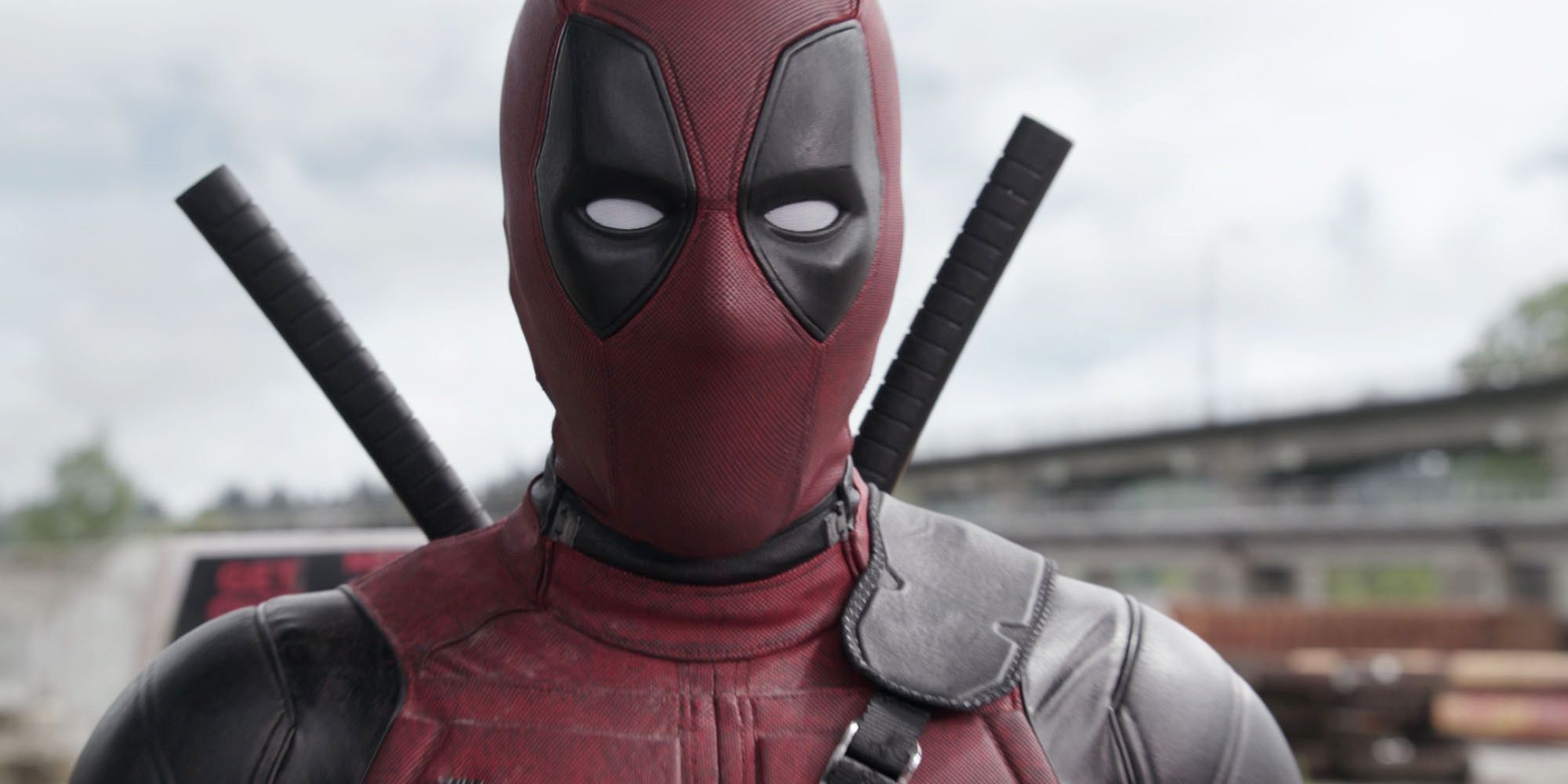
As a huge movie fan, I can’t believe Deadpool will be ten years old in 2026! That movie really changed things for superhero films. I remember when Ryan Reynolds first took on the role back in X-Men Origins: Wolverine in 2009, but honestly, it wasn’t a great introduction. They did him dirty – sewing his mouth shut and giving him weird powers that just didn’t feel right. It’s amazing how far the character has come since then!
A few years later, test footage showcasing a more faithful adaptation of Deadpool from the comics was leaked online. The overwhelmingly positive response to the footage helped greenlight the film, and finally demonstrated why Ryan Reynolds was the ideal choice to play the wisecracking hero.
The 2016 movie was a huge financial success, earning $781.9 million globally despite costing only $58 million to make. Critics loved it too, giving it an 85% rating on Rotten Tomatoes. Its mature content and clever, self-deprecating humor set it apart, and it continues to influence superhero films even today.
Deadpool Proved R-Rated Superhero Movies Could Be Successful

While not the very first R-rated superhero movie, Deadpool became the biggest hit of its kind when it was released. Before that, Blade in 1998 was a pioneer, earning over $131 million globally. The sequel, released in 2002, performed even better, bringing in $155 million worldwide.
Before Deadpool, a few R-rated comic book movies, such as The Punisher and Dredd, had been made. But the success of films like those in the Marvel Cinematic Universe and The Dark Knight led most studios to believe that a PG-13 rating was the safest bet for superhero movies. Deadpool proved that assumption wrong, becoming a major hit despite its R rating.
After its success, other movie studios became more willing to make R-rated superhero movies. The following year, Fox released Logan, and in 2018, they brought back Deadpool for another sequel. Both films did well, demonstrating that there was a strong audience for these more mature superhero stories.
DC proved that R-rated movies could be huge hits with Joker, which made over $1 billion worldwide. Then, in 2024, Disney and Marvel brought the R-rated character Deadpool into their typically family-friendly world with Deadpool & Wolverine. The film was a massive success, earning over $1.3 billion globally and continuing Ryan Reynolds’ streak of success playing Wade Wilson.
Just because a movie gets an R-rating doesn’t guarantee it will be a hit. Films like Kraven the Hunter, Birds of Prey, and The Suicide Squad didn’t do well in theaters – though the pandemic likely played a role with the latter two. While R-rated superhero movies aren’t always a sure thing, Deadpool showed that they can be very successful.
Wade Wilson Became A Wildly Popular Character Within The Genre

Deadpool was already popular with comic book fans, but many people hadn’t heard of him before. He’s a very unique character – a flawed hero with a sarcastic and often inappropriate sense of humor. What makes him really stand out is that he knows he’s in a comic book and frequently talks directly to the audience, breaking the fourth wall.
Deadpool’s movies didn’t try to hide his unique and sometimes edgy personality, and fans loved him for it. While he might not be as famous as Spider-Man, Deadpool has become a hugely popular superhero. You can find all sorts of Deadpool merchandise, people frequently cosplay as him at conventions, and he’s even become popular enough to perform at places like Disneyland.
His films consistently perform well, and his latest movie with Hugh Jackman’s Wolverine broke records, becoming the most successful in the series. While it’s unclear when Deadpool will appear next, Marvel would be smart to feature Wade Wilson interacting with other heroes, as he’s a valuable asset to their universe.
Many Superhero Movies Took Self-Aware Approaches To Their Characters

One of the things people love about the Deadpool movies is how they playfully acknowledge they are movies. They’re full of jokes that point out clichés in superhero films, poke fun at Hollywood gossip, and even make light of how movie studios operate. A great example of this is the scene in Deadpool 2 where Deadpool shoots Ryan Reynolds to prevent him from making the Green Lantern movie.
After the success of Deadpool, other movies started using more jokes that acknowledged the audience and references to pop culture. The Spider-Verse films are full of nods to Spider-Man’s long history in comics and movies, playfully referencing things like Tobey Maguire’s dance scene in Spider-Man 3 and even including a famous Spider-Man meme.
The movie Spider-Man: Across the Spider-Verse established that every Spider-Man’s story includes a defining, pivotal event. While audiences generally know about the death of Uncle Ben in Spider-Man’s origin story, the film uses this knowledge to create a significant plot point, rather than just a quick reference.
Like many Batman films, The Lego Batman Movie doesn’t take itself too seriously, finding comedy in the character’s typically dark and brooding nature. But it also offers a surprisingly thoughtful story about Batman learning to open up and connect with others, rather than isolating himself.
The Marvel Cinematic Universe (MCU) continued to play with its format in She-Hulk. The season finale featured She-Hulk stepping out of the Disney+ show and visiting Marvel Studios, where she encountered K.E.V.I.N., a robot responsible for creating the MCU. This demonstrated the MCU’s willingness to poke fun at itself, a trend that continued in Deadpool & Wolverine.
While other characters sometimes acknowledge they’re in a fictional story or poke fun at superhero tropes, Deadpool was one of the first to really make it a signature style. It’s amazing that the 2016 Deadpool movie is already a decade old – it’s sure to remain a significant and influential film in the superhero genre for years to come.
Read More
- United Airlines can now kick passengers off flights and ban them for not using headphones
- How to Complete Bloom of Tranquility Challenge in Infinity Nikki
- Gold Rate Forecast
- How to Solve the Glenbright Manor Puzzle in Crimson Desert
- All Itzaland Animal Locations in Infinity Nikki
- All Golden Ball Locations in Yakuza Kiwami 3 & Dark Ties
- A Dark Scream Theory Rewrites the Only Movie to Break the 2-Killer Rule
- 8 Actors Who Could Play Blackbeard In One Piece Live-Action Season 3
- All 10 Potential New Avengers Leaders in Doomsday, Ranked by Their Power
- How to Get to the Undercoast in Esoteric Ebb
2026-02-13 18:32