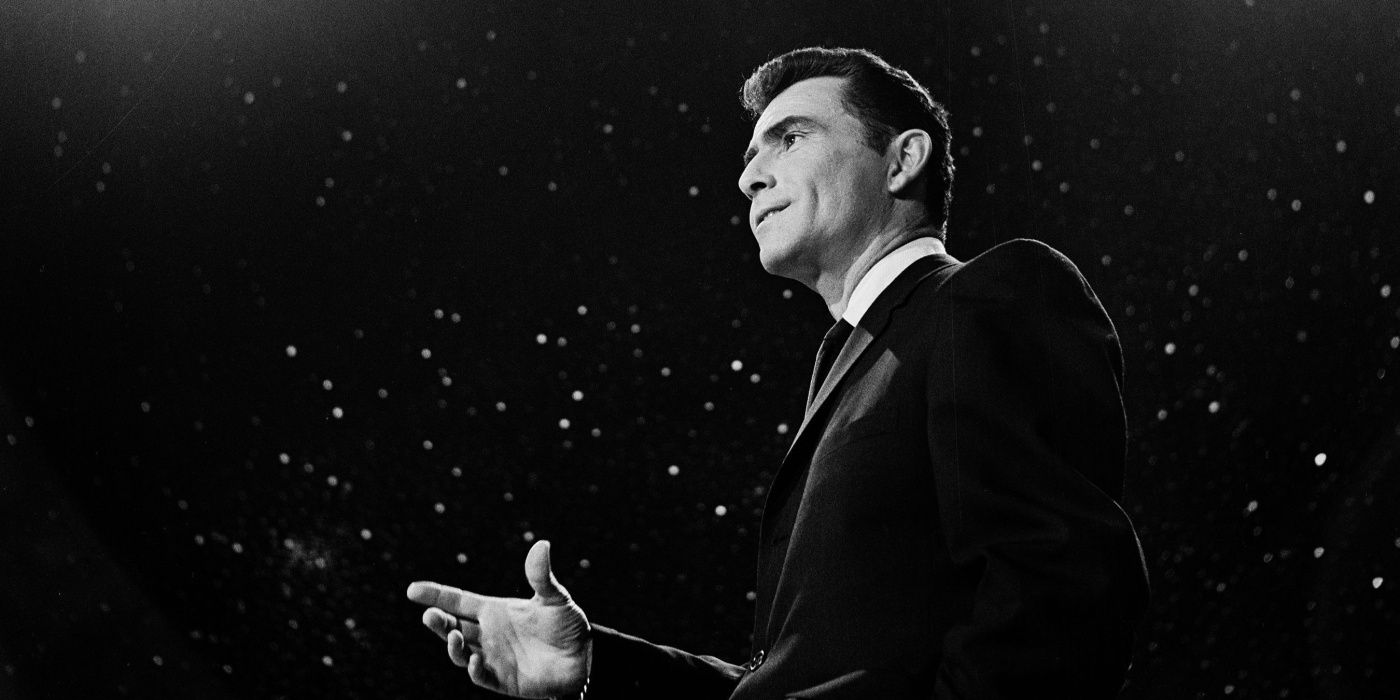
As a huge fan of The Twilight Zone, I’ve always appreciated how the show could explore so many different ideas. The anthology format meant they never got stuck repeating themselves. And Rod Serling, the creator, was a genius – he wasn’t just telling stories, he was making a point, often with these really clever, unexpected endings that just tied everything together perfectly. It was masterful storytelling.
If you enjoy The Twilight Zone, you might like a lesser-known Showtime series from the late 1990s. It’s set in the Old West – a style Rod Serling, the creator of The Twilight Zone, also experimented with. It offers a familiar feel but with a unique story all its own.
The Twilight Zone Had Several Western-Themed Episodes
Westerns were incredibly popular in the 1950s, with stars like John Wayne and James Stewart enjoying huge success, and directors such as John Ford creating many classic films. The genre quickly transitioned to television as well, becoming a common sight by the time The Twilight Zone premiered. Numerous shows filled the airwaves, including anthology series like Death Valley Days and Dick Powell’s Zane Grey Theater. Rod Serling, the creator of The Twilight Zone, was also familiar with Westerns, having written or co-written scripts for shows like One Eyed Jack’s and Saddle the Wind.
Rod Serling also created and produced The Loner, a show about a Civil War cavalry officer journeying through the West. Although it received positive reviews for its realistic and intelligent take on the Western genre – which often focused on action and exaggeration – it was canceled after just one season. Given the popularity of Westerns at the time, it’s not surprising that The Twilight Zone explored the genre as well, with several episodes becoming fan favorites.
Many episodes of the show relied on classic campfire ghost stories, which were inexpensive to film and suited the series well. Several standout installments, like Season 3’s “The Grave” and Season 5’s “Mr. Garrity and the Graves,” used this approach. However, the show also wasn’t afraid to challenge expectations. Rod Serling, critical of the simplistic nature of Westerns at the time, directly addressed the genre with Season 3’s “Showdown with Rance McGrew.”
In a recent episode, a pompous TV star finds trouble when the ghost of Jesse James appears. This happens after the star’s character – a hero who defeats famous Western outlaws – angers the spirits of those outlaws. They send Jesse James to teach him a lesson and demand he rewrite his show to accurately reflect their stories.
Western movies weren’t popular for a long time, but they made a comeback in the 1990s thanks to the huge success of films like Unforgiven. The genre changed a lot during this period, moving away from older traditions and starting to address difficult topics, like the mistreatment of Native Americans and the romanticized image of outlaws.
Movies started mixing genres more and more, with examples like the comedy City Slickers and the vampire thriller From Dusk Till Dawn. Because of this trend, a Western take on Rod Serling’s famous television show felt like a natural fit.
Dead Man’s Gun Is a Western Anthology Show With a Twist
The comic book series Dead Man’s Gun is loosely based on the Supernatural episode ‘Dead Man’s Shoes’ from Season 3. That episode features a pair of shoes haunted by a gangster’s spirit, which takes control of anyone who wears them. The story implies this haunting will continue with new victims, and Dead Man’s Gun explores this idea – each issue could focus on a different person possessed by the shoes, creating a continuing narrative.
The series Dead Man’s Gun centers around a haunted revolver and the string of bad luck it brings to everyone who owns it. The gun’s history remains a mystery, but whoever wields it inevitably faces misfortune or death. Each episode introduces a new character who discovers the gun, allowing the show to tell a fresh story while tracking the weapon as it moves from one unlucky owner to the next. The show always ends with the gun changing hands, and while we don’t see what happens to every owner, it’s implied they all share a similar, tragic destiny.
The show benefits from a central idea that’s adaptable, letting it shift between different styles and subjects without feeling disjointed. While Kris Kristofferson narrates, he appears infrequently and primarily guides the audience towards the central mystery.
The gun is unremarkable except for its uncanny accuracy and the string of misfortune it brings. Those who possess it often find their own hidden weaknesses exposed, leading to problems at the worst possible moments. The story also examines how easily someone can become overly reliant on the gun, only for it to fail them when they need it most.
The show largely focuses on the people who come across the cursed gun, exploring their motivations and how the gun ultimately twists their wishes, often with tragic results. Not everyone intends to use it for violence; some have surprisingly different ideas. One character, for example, uses the gun to cover a deserted mine with gold dust, hoping to restore its value, while another believes it grants her prophetic visions. Through these characters and their personal struggles, the show offers a unique perspective on the gun’s power.
Dead Man’s Gun Copies the Twilight Zone’s Formula
Like The Twilight Zone, the episodic nature of Dead Man’s Gun is a real strength. It allowed the show to attract well-known actors for single appearances, appealing to performers who preferred not to commit to a full series. The show’s first episode features a memorable performance by the late John Ritter as a boastful sharpshooter who ultimately gets his due. Other notable guest stars include John Glover and Henry Winkler, who also helped produce the show.
What I really love about Dead Man’s Gun is how it walks the same line between different kinds of stories that Rod Serling and The Twilight Zone did so well. Episodes like “The Grave” feel like they could have easily fit right into The Twilight Zone, and honestly, I think Serling’s “Mr. Denton on Doomsday” could have been a Dead Man’s Gun episode with just a few tweaks. You can definitely see the influence of “Mr. Denton” in later episodes like “The Resurrection of Joe Wheeler”; it’s clear the writers were inspired by Serling’s work.
This blend of creativity really benefits the Showtime series, helping it grow and establish its unique style while still honoring the spirit of the original. The show’s use of supernatural elements will please genre enthusiasts, and its distinctive Old West setting sets it apart from many other similar anthology programs.
With well-written stories and talented actors, the show offers a consistently good experience for fans of The Twilight Zone who are searching for fresh content.
Found an error? Send it so it can be corrected.
Read More
- United Airlines can now kick passengers off flights and ban them for not using headphones
- All Itzaland Animal Locations in Infinity Nikki
- How to Complete Bloom of Tranquility Challenge in Infinity Nikki
- Katanire’s Yae Miko Cosplay: Genshin Impact Masterpiece
- How to Get to the Undercoast in Esoteric Ebb
- Crimson Desert: Disconnected Truth Puzzle Guide
- A Dark Scream Theory Rewrites the Only Movie to Break the 2-Killer Rule
- Superman/Spider-Man #1 Review: Bigger DC-Marvel Crossovers Teased
- Gold Rate Forecast
- All Golden Ball Locations in Yakuza Kiwami 3 & Dark Ties
2026-03-11 06:10