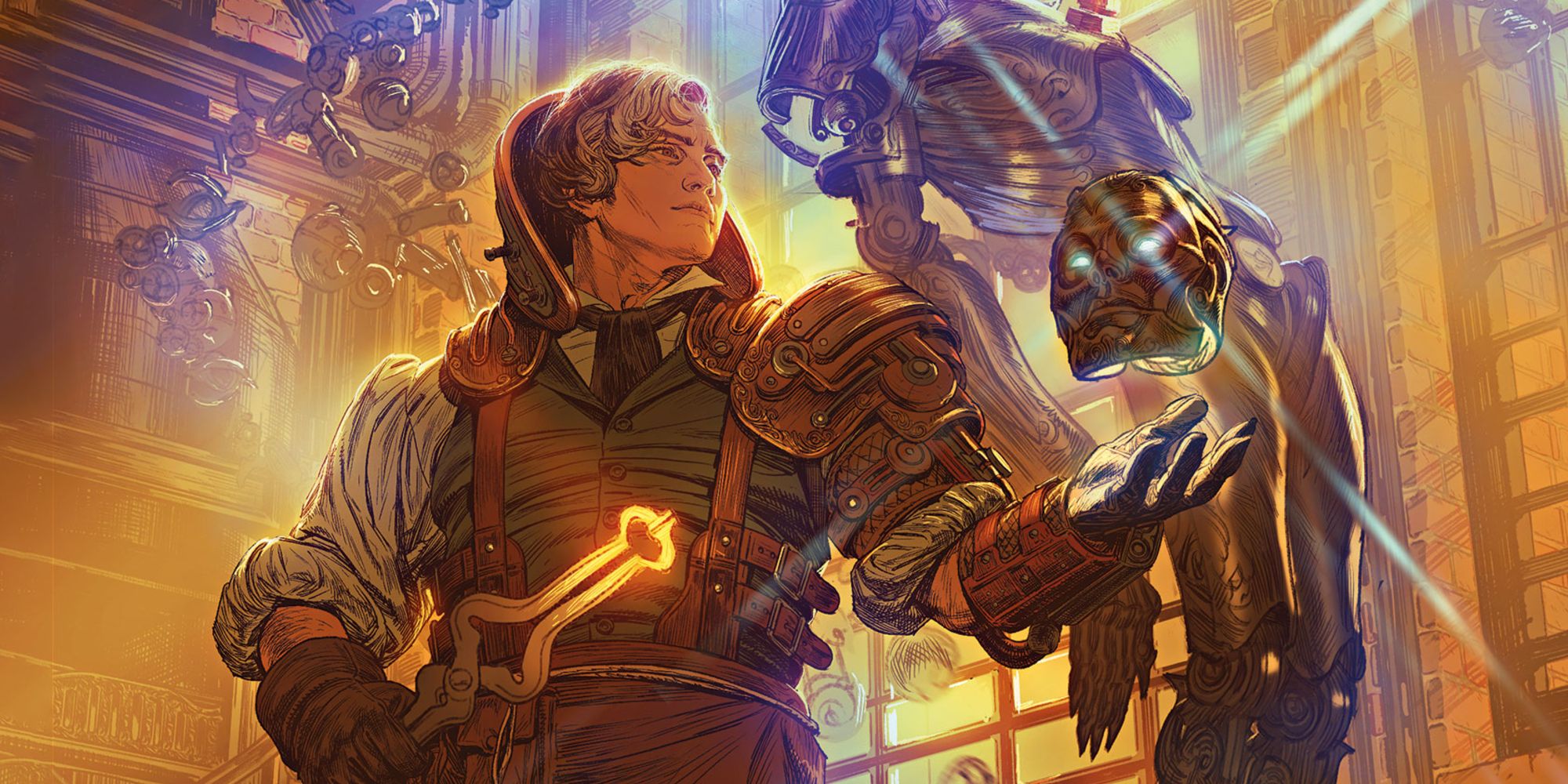
Dungeons & Dragons is a complex game with a lot of options, so it’s common to make mistakes while playing. These often happen during gameplay – maybe using a spell or ability incorrectly, especially with all the recent updates to D&D in 2024, or simply forgetting what your character can actually do. For example, players might not utilize key features like the Vow of Enmity for a Vengeance Paladin until they reach level 7.
Everyone makes mistakes in D&D, both players and Dungeon Masters. While many errors during gameplay are easy to fix, mistakes made when creating characters can be much more difficult to resolve later on. Often, DM errors aren’t about understanding the rules themselves, but about understanding what the players are trying to do.
Unreasonably Edgy Characters In D&D Are A Plague
Loners Are Hard To Justify In A Cooperative Game
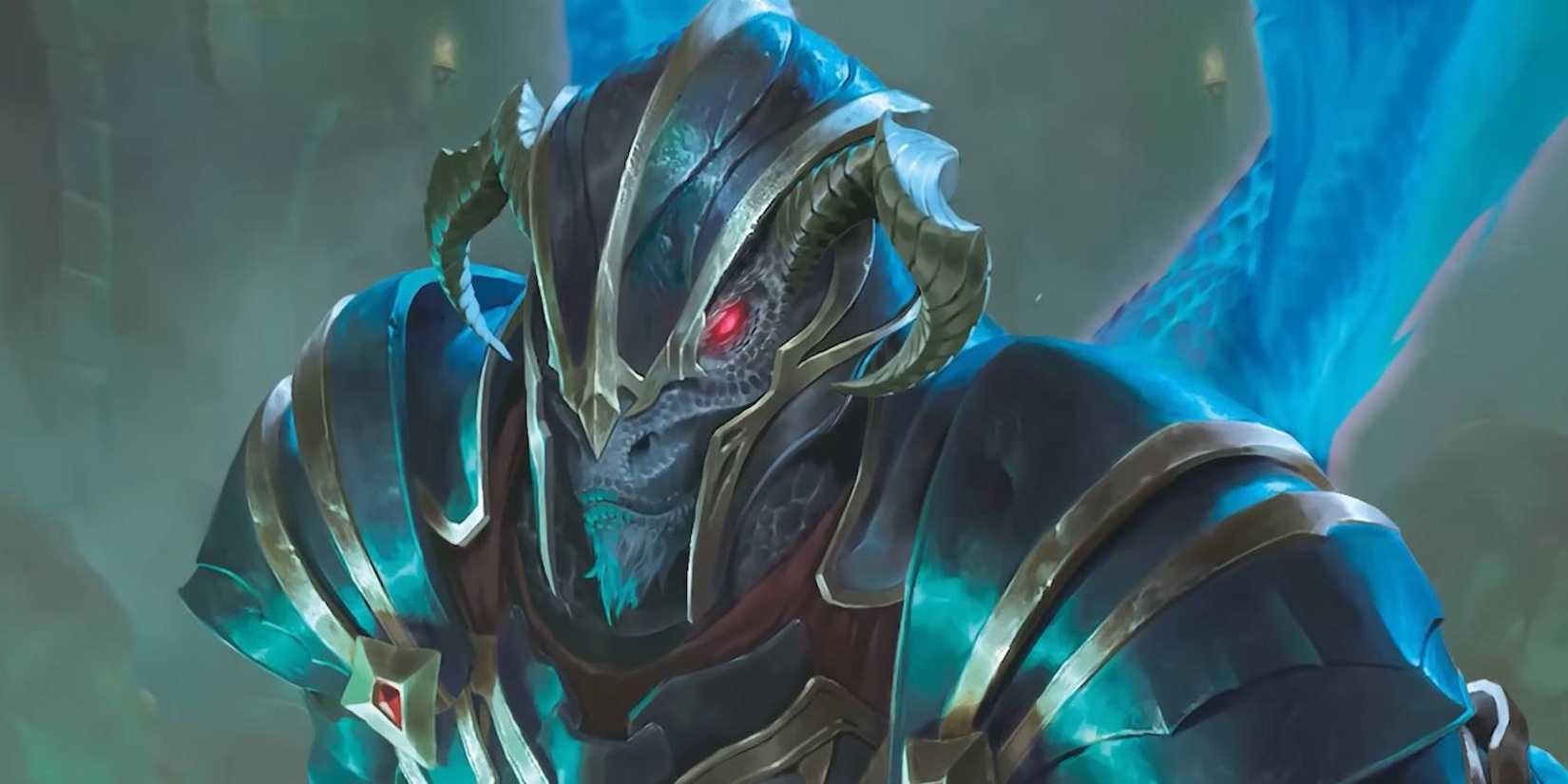
A frequent mistake new Dungeons & Dragons players make is creating characters who are overly brooding or isolated. While it’s tempting to design a cool, memorable character, a loner doesn’t really fit the spirit of the game. Remember, D&D is about teamwork and shared storytelling, so it can be difficult to integrate a character who always prefers to work alone into a group.
Characters who try too hard to be dark and rebellious often end up as predictable villains. When a character prioritizes appearing cool over caring for others, it naturally leads to selfish and harmful actions – which clashes with most stories about heroes. It’s also difficult to justify why an evil character would bother helping anyone else.
Creating a character with a rebellious or unconventional edge in D&D can be fun and add something different to the group. These characters also have the potential for great growth as they learn to connect with others. However, it’s easy for these types of characters to feel out of place or not quite fit the story. If you’re new to tabletop role-playing games, it’s generally best to avoid making them until you’re more comfortable with the format.
Being Good In All Abilities Actually Makes You Weak
“Perfect” Characters In D&D Are Uninteresting
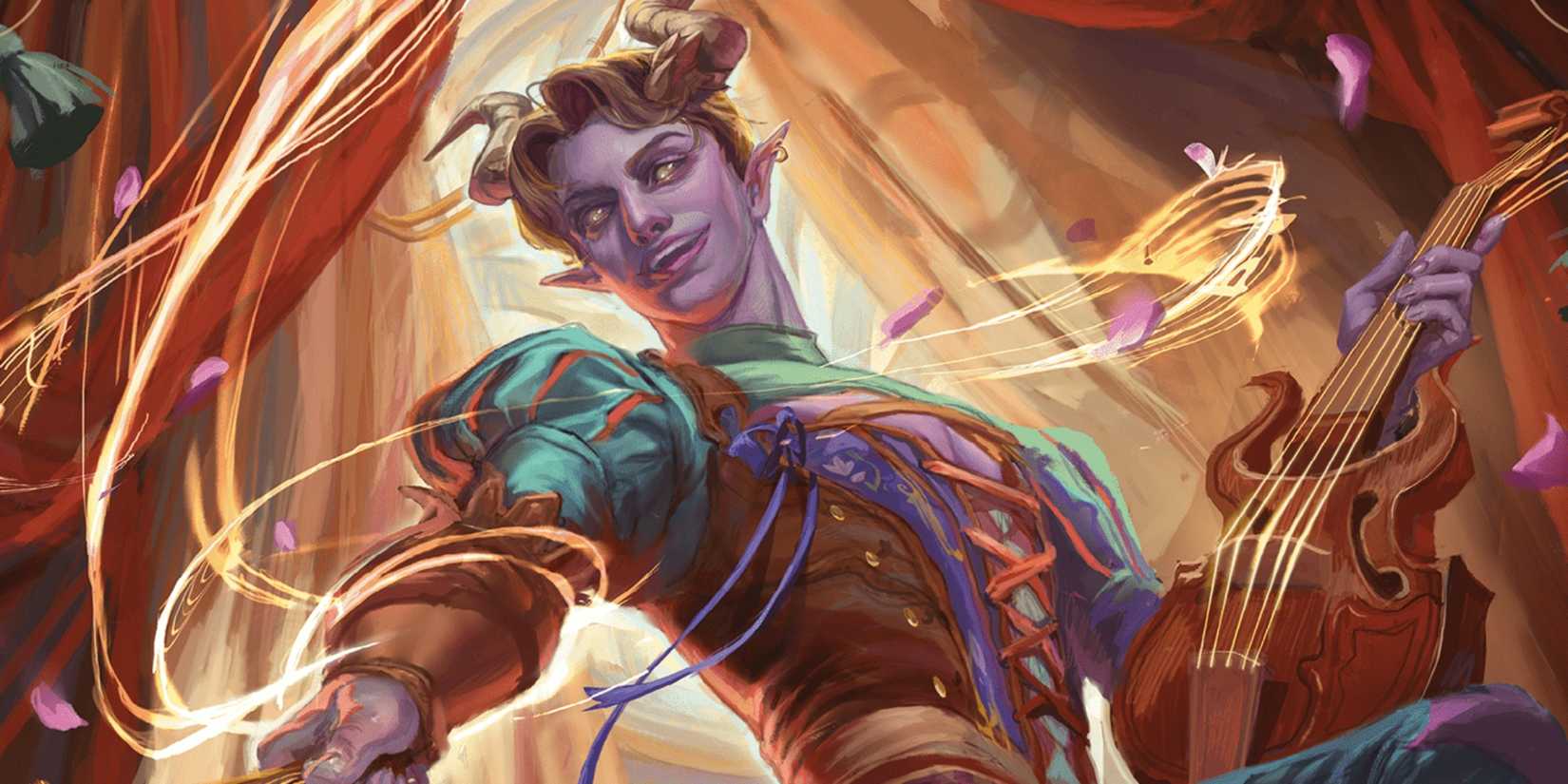
As a movie reviewer, one thing that really bugs me is when characters are just too perfect. It feels good in the moment to see someone ace everything, but it quickly makes them boring. It’s often paired with this lone wolf trope, and honestly, it doesn’t make sense! Why would someone so capable even need friends or a team? It really undermines the whole spirit of collaborative storytelling, something I think is crucial, especially when we’re talking about adventures like those in D&D.
The fun of a party in a role-playing game comes from everyone bringing different skills to the table. For example, one character might be good at opening locks, while another understands magic. While it sounds appealing to create a character who can do everything, it actually reduces the teamwork that makes games like Dungeons & Dragons enjoyable – the feeling of supporting and celebrating your fellow players. And there’s another downside to consider.
Trying to make your character good at everything can actually hold them back in the long run. While your Dungeon Master might occasionally give you powerful items, you only have a limited number of opportunities to improve your abilities and skills. If you spread yourself too thin, your character won’t truly master anything. The goal in Dungeons & Dragons is to create a character who’s really good at a specific set of things, someone who can effectively handle challenges within their area of expertise, rather than being mediocre at everything.
Deep Multiclassing Is One Of D&D’s Weaknesses
You Can Lose Out On High-Level Benefits
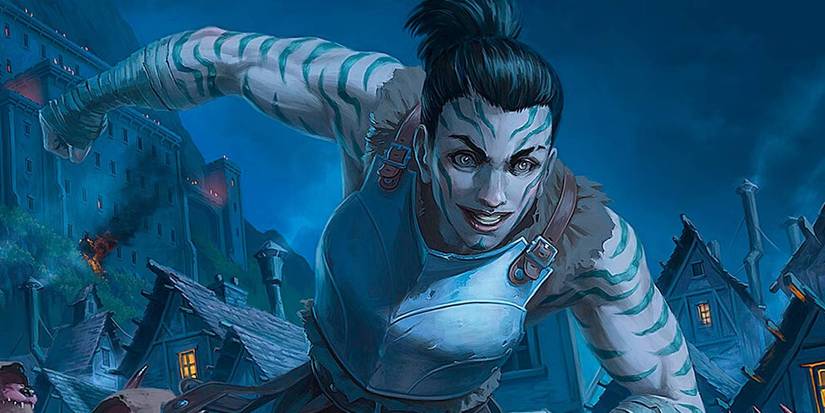
While this focuses less on initial character creation and more on long-term planning, it’s important to remember that multiclassing can significantly weaken your character. Some RPGs, like Brandon Sanderson’s Cosmere system, handle this better, but in Dungeons & Dragons, spreading your levels across multiple classes often limits your character’s overall power, particularly if you invest heavily in several classes.
Taking on multiple classes, or multiclassing, can put your character at a disadvantage. Even if your character keeps pace with others in terms of overall level, they’ll often get important abilities and features later than everyone else. For instance, switching classes early might delay unlocking a subclass and its benefits until level 4, while your teammates get theirs at level 3. You also miss out on the advantages gained from higher levels within the original class because you’ve spread your levels across multiple classes.
Multiclassing in D&D isn’t bad – in fact, some of the most effective character builds involve it. However, these builds usually only take a level or two in another class. A good example is the Padlock: taking just one level in Paladin gives you proficiency with all armor and weapons, plus weapon skills, which complements a Pact of the Blade Warlock nicely.
Overlooking Utility Spells Can Be A Formula For Failure
D&D Isn’t Always About Combat
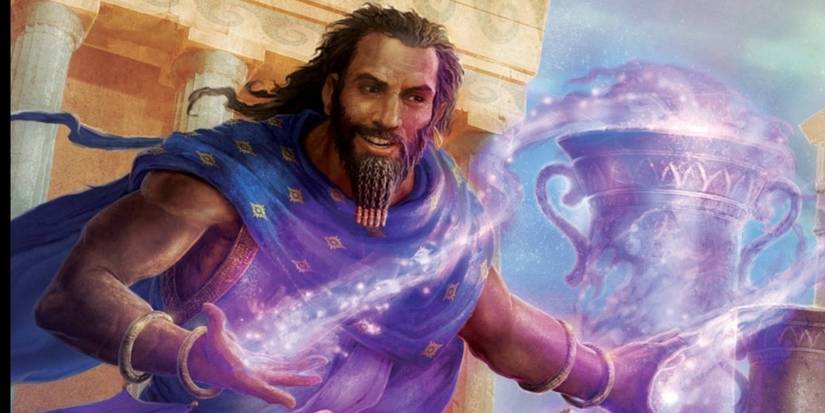
It’s common to focus on powerful attack spells when creating a character, but don’t forget about helpful, non-damaging spells! With so much combat, it’s natural to pick spells like Eldritch Blast and Fireball. However, spells like Friends and Major Image can be incredibly useful too.
While focusing on combat skills will make you stronger in battles, you’ll lose the ability to use spells for everyday situations and peaceful solutions. For instance, you won’t be able to use spells like Charm Person to get a better price from a shopkeeper, or Suggestion to talk your way out of trouble after being caught, potentially avoiding a fight altogether.
You can also use simple spells, like Mage Hand, to interact with things the party couldn’t normally reach, or Detect Magic to find a hidden magical item you’ve been searching for. Even when it comes to spells that cause damage, some less powerful options in Dungeons & Dragons can be incredibly helpful. For example, Faerie Fire doesn’t deal much damage, but it prevents enemies from turning invisible.
CON Is The Most Important Stat For Everyone
AC Loses Its Value Over Time
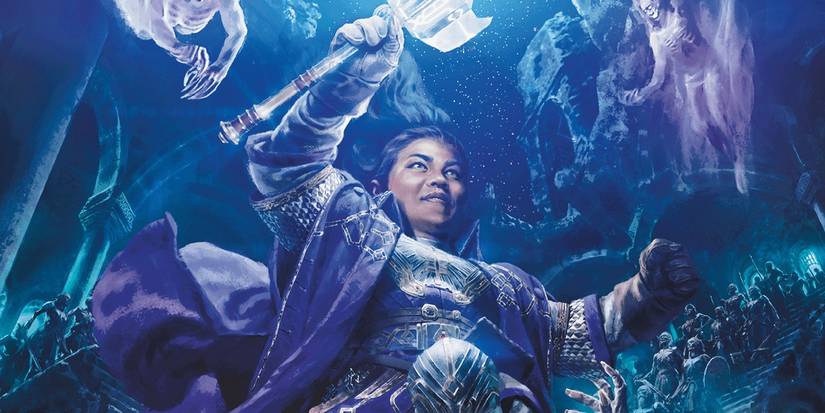
When creating a character, focusing on how much damage they can deal is important. But, assigning values to your character’s abilities can be tricky, and it’s easy to overlook Constitution. Actually, Constitution is the most crucial stat for any class or character build, right after the stat that boosts damage. Some classes, like Wizards, Bards, and Warlocks, are naturally more fragile and need Constitution even more.
While building up your character, focusing on Dexterity to boost your Armor Class is a good starting strategy. But as you progress and face tougher enemies, you’ll also need to prioritize Constitution. Enemies will hit harder as you level up, so increasing your health becomes increasingly important.
By level 10, you’ll likely find your Armor Class isn’t as effective, but having more hit points, boosted by a strong Constitution score, will be much more valuable over time. While casters don’t need as much HP as classes like Paladins, Fighters, or Barbarians, extra hit points will help you stay alive longer and contribute more to your team in Dungeons & Dragons.
Read More
- United Airlines can now kick passengers off flights and ban them for not using headphones
- How to Complete Bloom of Tranquility Challenge in Infinity Nikki
- Katanire’s Yae Miko Cosplay: Genshin Impact Masterpiece
- Gold Rate Forecast
- All Itzaland Animal Locations in Infinity Nikki
- How to Get to the Undercoast in Esoteric Ebb
- A Dark Scream Theory Rewrites the Only Movie to Break the 2-Killer Rule
- 8 Actors Who Could Play Blackbeard In One Piece Live-Action Season 3
- Fire Force Season 3 Part 2 Episode 24 Release Date, Time, Where to Watch
- Australia’s New Crypto Law: Can They Really Catch the Bad Guys? 😂
2026-02-16 02:20