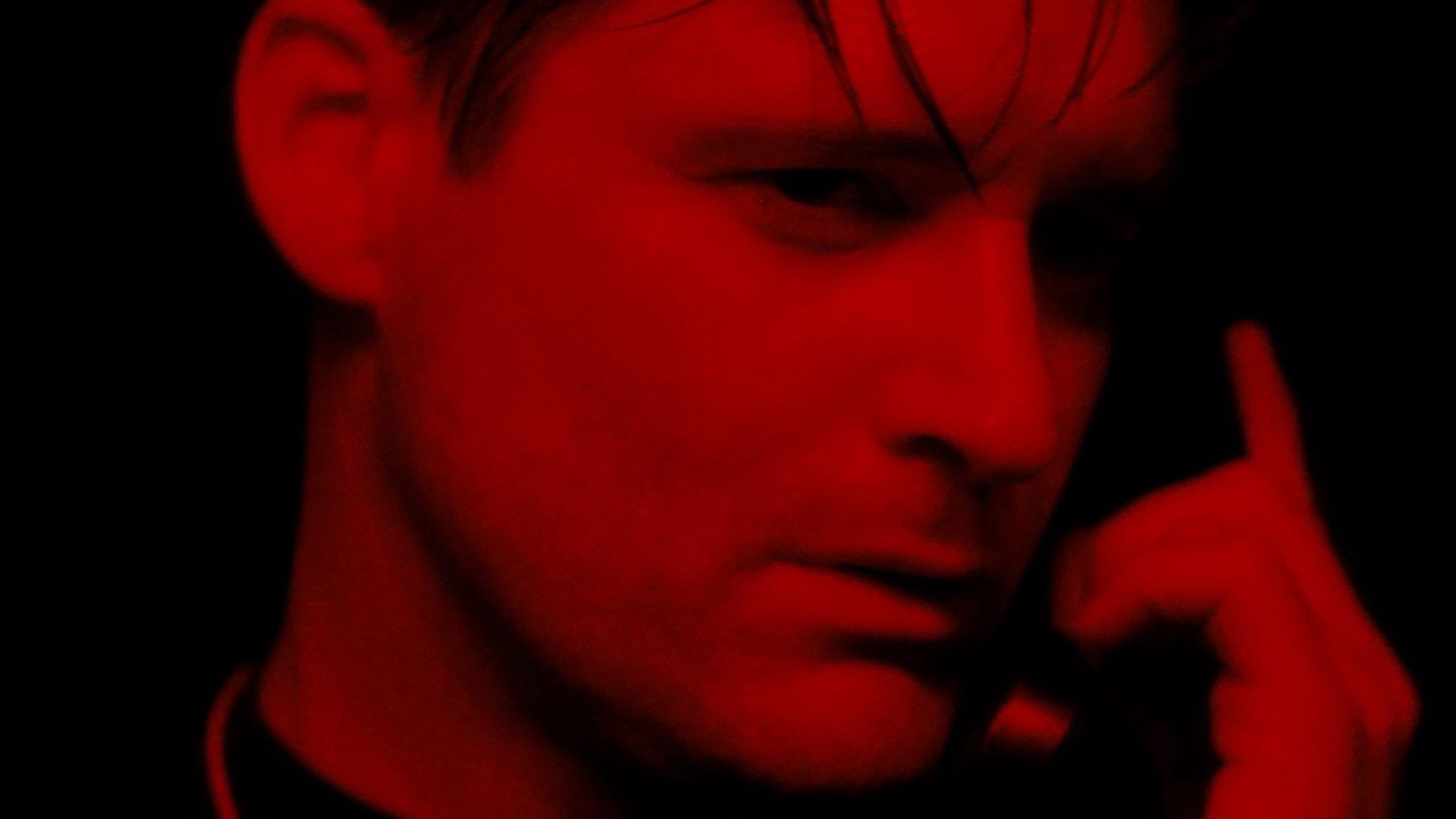
When Lost Highway was released in 1997, it wasn’t a commercial success and many people didn’t see it in theaters. Critics had mixed reactions, with some appreciating its immersive mood and others finding it confusing. However, like many films by director David Lynch, Lost Highway has gained a following over time. Those who appreciate its unconventional, non-linear story and unsettling visuals now consider it a cult classic.
While Lost Highway can be difficult to watch casually due to its unusual structure and dark tone, it’s clearly a David Lynch film. Its intense horror and dreamlike story aren’t immediately obvious, but viewers who truly get lost in the film will find it rewarding. It’s hard to define—a blend of film noir, psychological thriller, and surrealism—creating a disturbing, almost familiar nightmare.
David Lynch Is One of Cinema’s Greatest Auteurs
When David Lynch released Lost Highway, he was already known as a truly unique filmmaker. Viewers who had seen his previous movies anticipated something strange and unusual. His career up to that point had been filled with daring, original films that highlighted his surreal style and interest in the troubling aspects of the human mind.
David Lynch first gained recognition in 1977 with Eraserhead, a disturbing film about the anxieties of becoming a father and a general sense of hopelessness. Its striking black-and-white visuals and dreamlike storytelling became defining characteristics of his work. He then took on more widely known projects like The Elephant Man and Blue Velvet. The Elephant Man was a critical success, earning multiple Academy Award nominations. Blue Velvet allowed Lynch to fully develop his signature style, creating a haunting look at life in small-town America that combined elements of detective stories and psychological horror.
David Lynch’s television series, Twin Peaks, was his biggest success with mainstream audiences. The show brilliantly mixed the suspense of a murder mystery with the drama of a soap opera and unsettling supernatural elements, drawing viewers in. Despite its popularity, the show was unexpectedly cancelled, suggesting that maintaining Lynch’s distinctive artistic style within the demands of commercial television proved difficult. His preference for long, drawn-out scenes and exploration of surreal themes didn’t align with the priorities of modern producers, who increasingly prioritize profit over artistic vision.
Following his previous films, Lost Highway felt like a logical next step for David Lynch. It continued to explore the ideas of blurred reality and concealed evil, but in a more extreme and unconventional way. While its complex plot and mysterious nature divided audiences, it solidified its importance as a key work in Lynch’s distinctive body of work.
Audiences Could Not Connect With Lost Highway When It Was Released
When Lost Highway came out, it didn’t connect with many people. It only made $3.8 million at the box office, despite costing $15 million to produce, making it a financial failure. Critics had very different opinions – some admired David Lynch’s boldness and the film’s dreamlike quality, while others found it confusing and self-focused. Many viewers also struggled with the film’s mysterious and symbolic nature, feeling that it focused more on creating an atmosphere than telling a clear story.
Back then, people and reviewers were likely hoping for a film similar to Eraserhead or Blue Velvet. Those movies, though still mysterious, combined strange ideas with a more familiar story structure. However, Lost Highway immediately threw audiences into a disturbing and confusing world where identities were broken and nothing was quite as it seemed.
The movie centers around Fred Madison, a jazz musician wrongly accused of murder, who unexpectedly appears to become a younger man named Pete Dayton mid-film. The story doesn’t offer explanations for these changes, which confused many who watched it. Likewise, the character of the Mystery Man, played by Robert Blake, is a puzzling figure who seems to be everywhere and nowhere at once. The film never clarifies who he is, and his unsettling presence stays with viewers long after the credits roll.
The movie’s dark and violent content made it very divisive among audiences. Though the director often explored difficult themes, Lost Highway felt particularly harsh and hopeless. Fans used to the more nuanced and occasionally optimistic tone of his previous films found it hard to connect with this bleak, unsettling experience. Even his film Blue Velvet offered a glimmer of hope at the end, but Lost Highway offers no such comfort.
Like many of David Lynch’s works, the film initially divided audiences. However, over time, those who re-watched it, or discovered it later, were drawn in by its unforgettable visuals, unsettling sound, and complex story. The things that turned some people off in 1997 are now what make the film so beloved and continue to attract fans.
Lost Highway Is a Layered, Experiential Horror
To truly understand Lost Highway, it’s best to approach it as a unique film, separate from expectations based on director David Lynch’s other work. Though it shares some themes with Twin Peaks and Blue Velvet, Lost Highway is a particularly disturbing and dreamlike horror film. Its confusing timelines, broken sense of self, and heavy mood create a deep, lingering sense of fear, similar to his later film, Inland Empire.
In several respects, Lost Highway resembles Lynch’s Twin Peaks: Fire Walk with Me. Both films explore the disturbing side of human behavior with a raw intensity that can be unsettling. However, while Fire Walk with Me encourages viewers to feel sympathy for Laura Palmer’s heartbreaking story, Lost Highway doesn’t offer the same kind of emotional release. Its characters are trapped by their fixations and feelings of isolation, and the film offers little in the way of hope or resolution.
The movie is scary not just because of its visuals, but also because of its intensely unsettling mood. David Lynch again uses sound brilliantly – the haunting music by Angelo Badalamenti and disturbing industrial noises really amplify the feeling of dread. The editing adds to this disorientation, using sudden cuts and jarring changes that mirror the characters’ broken and confusing world.
Looking back, Lost Highway feels like a stepping stone to David Lynch’s later films, Mulholland Drive (2001) and Inland Empire (2006). All three movies delve into how easily identities can shift and how hard it is to tell what’s real and what isn’t. However, Lost Highway is particularly striking for its intense darkness and its direct portrayal of the terrifying sides of obsession and apathy.
Despite initially being considered a box office disappointment, Lost Highway has become a beloved cult film. Its confusing, non-linear story, intense horror, and creepy mood make it a difficult but ultimately satisfying watch. Fans of David Lynch will find it offers valuable insight into his artistic development and his continued exploration of identity and memory.
Lost Highway felt remarkably modern for its time. By breaking away from typical movie storytelling, it foreshadowed trends we’d later see in many films and TV shows. Now, the film showcases David Lynch’s dedication to his unique style and proves how powerfully movies can push boundaries and make us think.
If you’re ready for a truly unsettling film, Lost Highway isn’t just something to watch—it’s an all-consuming experience. It deeply explores the darker side of the human mind, feeling similar to a particularly creepy episode of The Twilight Zone, especially if the story took a sudden, violent twist. And like all of David Lynch’s best work, it’s a captivating puzzle that stays with you long after the credits roll, making it a lasting favorite among film fans.
Found an error? Send it so it can be corrected.
Read More
- United Airlines can now kick passengers off flights and ban them for not using headphones
- Katanire’s Yae Miko Cosplay: Genshin Impact Masterpiece
- All Itzaland Animal Locations in Infinity Nikki
- How to Complete Bloom of Tranquility Challenge in Infinity Nikki
- How to Get to the Undercoast in Esoteric Ebb
- Gold Rate Forecast
- All Golden Ball Locations in Yakuza Kiwami 3 & Dark Ties
- A Dark Scream Theory Rewrites the Only Movie to Break the 2-Killer Rule
- Fire Force Season 3 Part 2 Episode 24 Release Date, Time, Where to Watch
- Australia’s New Crypto Law: Can They Really Catch the Bad Guys? 😂
2026-03-29 23:12