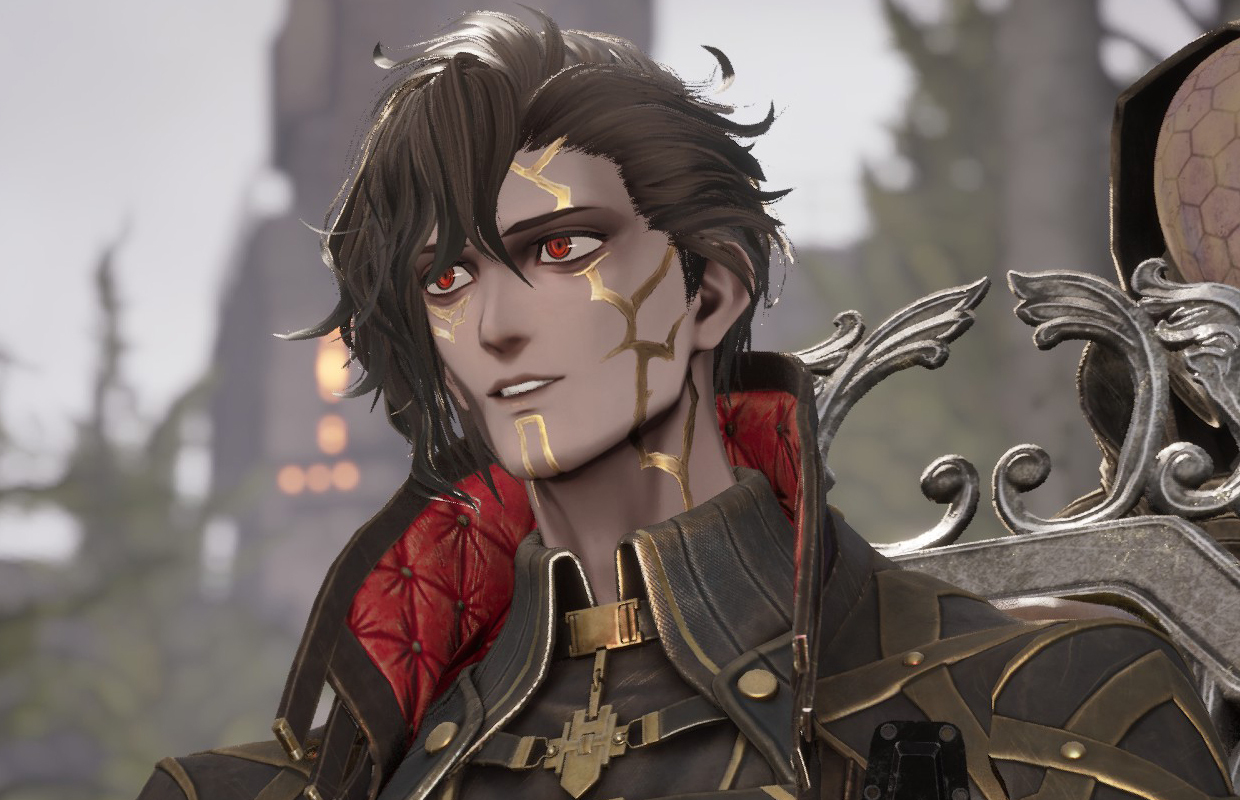
Code Vein II is a tricky game to review. While I enjoyed some individual elements, they don’t quite work well together. Instead of building on what made the first Code Vein unique and successful in the Souls-like genre, it seems to focus too much on following current gaming trends, which ultimately hurts the experience.
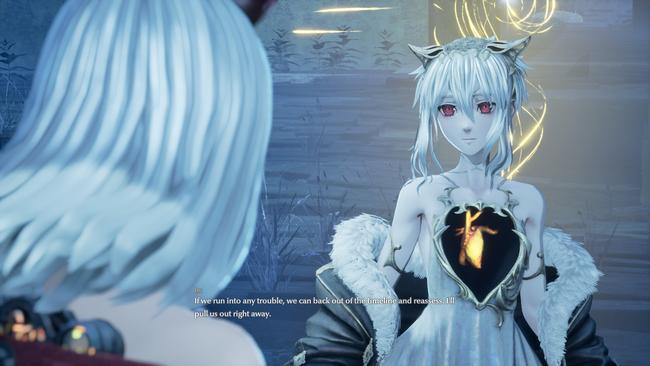
When Code Vein II was announced, I was surprised to learn it wouldn’t directly continue the story of the first game. While I generally prefer fresh starts for sequels, the original Code Vein ended with a compelling hint that it was connected to the God Eater series. It’s disappointing to see that connection dropped in the new game.
Code Vein II features a story centered around time travel, where players must prevent a world-ending event called the Resurgence. To do this, they’ll need to defeat several legendary heroes from the past. These heroes are acting as seals on a powerful structure called Luna Rapacis, which holds the key to stopping the apocalypse. However, players can’t simply kill them right away. First, the heroes must awaken from their cocoon-like states, and then, in their monstrous forms, they can be challenged and defeated.
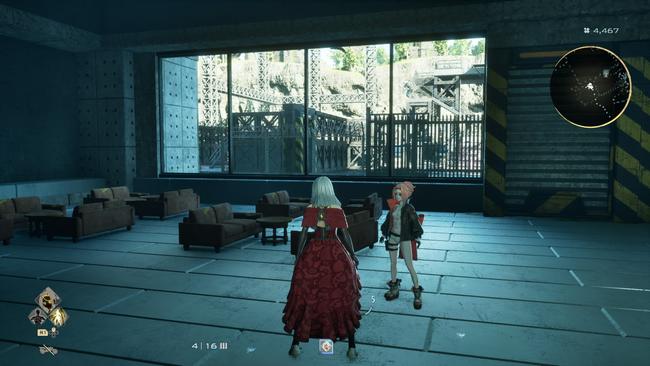
In Code Vein II, players need to connect with heroes before they died. Luckily, the main character, Lou, can travel 100 years into the past. The core gameplay involves finding a hero’s resting place, going back in time to save them from whatever caused their death, and collecting a special item that ensures they’ll reappear in the present.
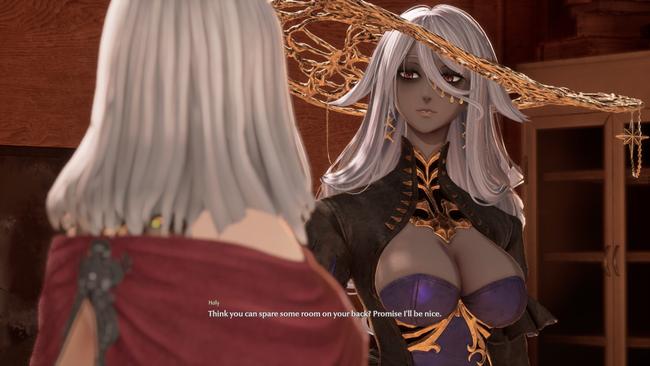
While the overall plot feels somewhat disorganized, the individual storylines for each character are pretty good. They often explore complicated family dynamics and the ways people can lose themselves while trying to help loved ones. The stories of Holly and Josee, for example, show what this game could have been if it had maintained that level of quality throughout.
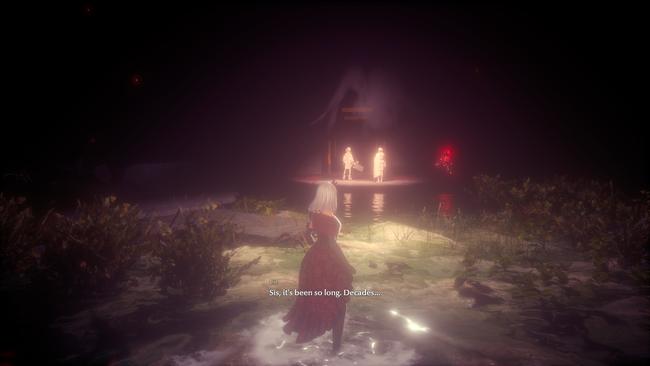
While I enjoyed the stronger storylines, the way they were shown wasn’t very engaging. The game uses ‘incursions’ to reveal the backstories of heroes and other characters, but these play out as slow, static scenes with text-based dialogue. A traditional cutscene with better visuals and direction would have been much more effective.
The game’s characters aren’t developed consistently. Early on, players rescue Noah, and his survival actually has a real impact on the present day, thanks to their actions in the past. However, after confirming he’s safe, the story essentially forgets about him until the very end.
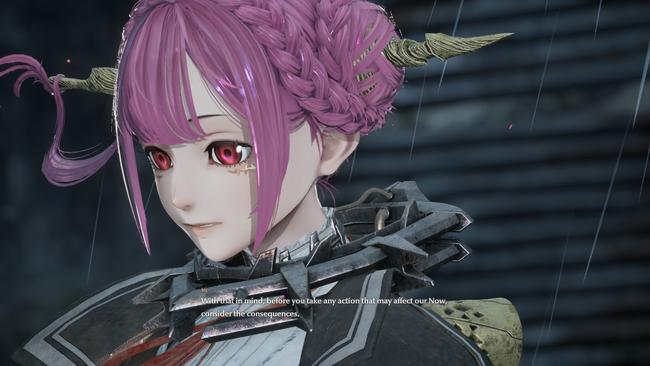
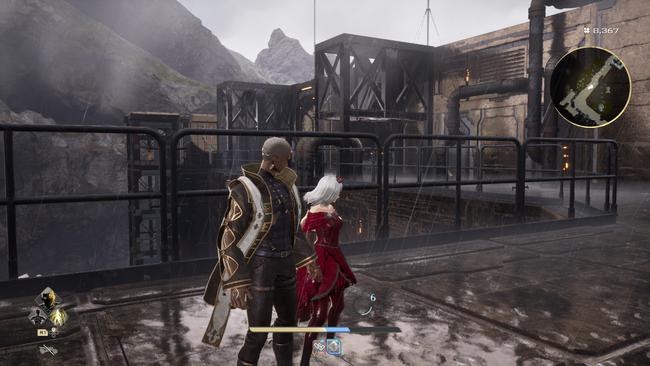
Iris is a surprisingly overlooked character in Code Vein II. She’s part of the same organization as the player and Lou, and can even join you in combat. However, her role in the story is minimal – she simply appears to point the way to a specific area and has no real connection to the main plot. It seems the developers originally intended a larger story arc for her, but ultimately removed it, leaving her character present but underdeveloped.
As you advance the stories of different heroes in the past, they’ll temporarily join you as allies. The Free Exploration mode lets you tackle optional quests without being limited by the timelines of the main story. Once you’ve defeated a hero’s present-day boss, you can also delve deeper into their backstory by finding and completing special, more challenging quests triggered by a lingering portal they leave behind.
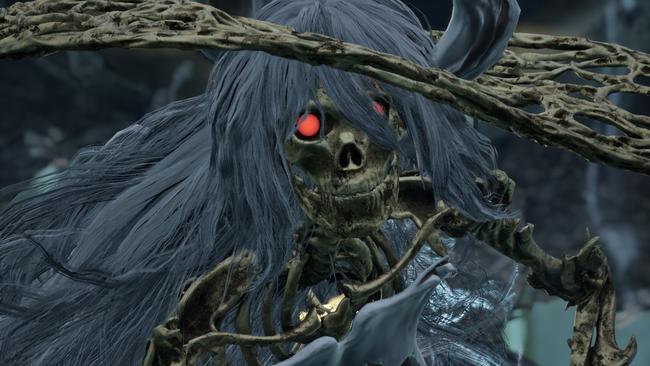
This feature lets players achieve more positive endings for each hero’s story, allowing them to avoid their original tragic fates and find peace with their families. Successfully completing this optional storyline improves the present-day world with more characters and a revitalized environment. As a reward, players unlock a challenging second boss fight against the heroes, who now have new appearances, attacks, and are much tougher. Defeating them again grants a powerful Blood Code.
Code Vein stood out from other action RPGs like Dark Souls because of its unique character progression system. While you can level up using Haze (similar to souls), this only provides small stat boosts. The main way to improve your character is through Blood Codes – essentially classes with special abilities. Each Blood Code offers different stat bonuses and unique traits. For example, one might significantly increase strength and dexterity, and also restore some mana when you use an attack. However, it comes with a trade-off: if you try to gain mana when your mana is already full, you’ll take damage.
In the Code Vein games, a key part of creating a character is finding the best mix of weapons, abilities, and Blood Codes to match how you like to play. Blood Codes change your character’s stats and defenses. In Code Vein II, each stat has a ‘burden’ meter. Filling this meter completely ‘overburdens’ that stat, giving you both a bonus and a drawback. For example, overburdening Dexterity lets you collect more Ichor with Jail weapons, but you’ll lose Ichor whenever you take damage.
The game doesn’t punish you for equipping any weapon, even if it pushes your stats too high. Instead, it lets you decide if you want to take risks for powerful benefits, knowing there will be drawbacks. For example, having high stats in two areas will make you roll slower. However, if you focus on keeping your stats balanced, you’ll be more mobile with quicker rolls and dashes. It’s a trade-off between power and speed.
One of the best parts of Code Vein II is experimenting with different ways to play. It improves on the first game in clever ways, letting you easily change your character’s build without worrying about limited resources. Just swap your gear and Blood Code, and you can try out new styles on the fly. The addition of Rune Blades and Twin Blades adds a lot of variety to the gameplay, although I personally preferred sticking with the Bayonet.
Code Vein II also benefits from its detailed character creation and excellent music. The first Code Vein game was already praised for its character customization, and the sequel takes it even further, letting players fine-tune details like fingernail color. While mixing and matching clothing options could be more flexible, it’s still a much more robust system than what you’d find in most similar action RPGs.
Go Shiina and the Bandai Namco sound team returned to create the music for Code Vein II, and the soundtrack is just as good as the first game’s. The music during boss fights is especially impressive, adding a sad and thoughtful feeling to the battles. However, the music doesn’t always quite fit the mood of every scene. I felt that some quieter, more personal music would have worked better for certain emotional cutscenes, instead of the louder, more celebratory tracks that were used.
The emotional moments in the game were sometimes paired with surprisingly cheerful music, which felt a little jarring. However, I was consistently impressed by the overall quality of the music in Code Vein II.
I usually don’t consider when a game came out or what else was happening in the gaming world when I review it. However, with Code Vein II, it’s impossible to ignore. The game is frustrating largely because it launched so soon after Nioh 3. Nioh 3 was a sequel that finally introduced open areas and a time travel story, and it really set a new standard for the series.
These two action RPGs simply play differently, with distinct rhythms and pacing. It’s not really a fair comparison to suggest one should have copied the other’s style.
However, several other issues also hold Code Vein II back. Unlike Nioh 3, which offers a great multiplayer experience for exploring its world with up to three players, Code Vein II has completely removed multiplayer. This is especially disappointing because many fans enjoyed playing the first Code Vein with friends, making this decision confusing.
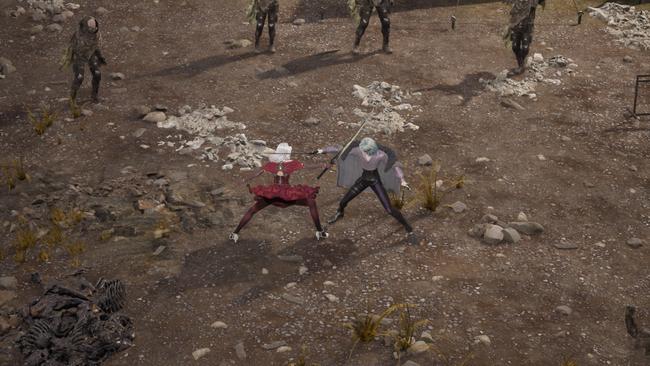
Nioh 3 runs much smoother than Code Vein II on both consoles and PC. I tested Code Vein II on PC and found its performance significantly lacking compared to Nioh 3. The developers of Nioh 3, Team Ninja, have consistently released updates to improve the game and fix problems, whereas Bandai Namco, the team behind Code Vein II, has been slower to address issues.
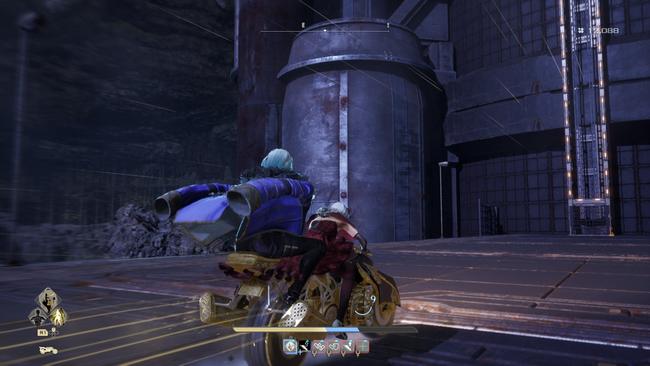
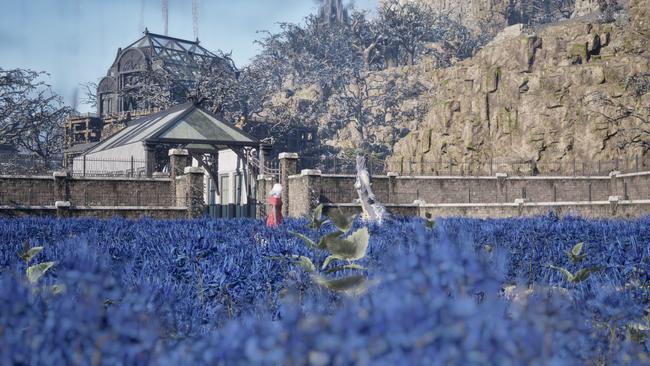
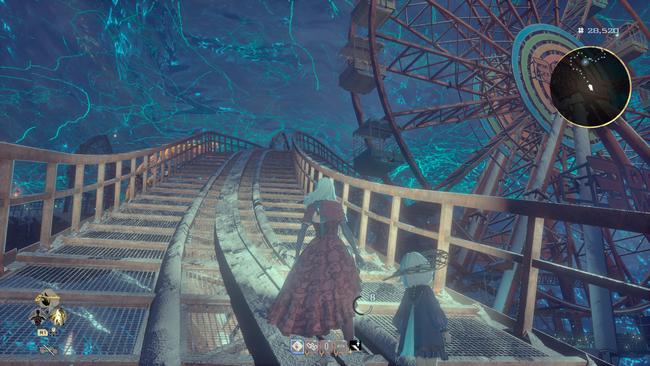
I also think Nioh 3 does a much better job with its open world. Code Vein II’s open world feels mostly empty, and there aren’t many reasons to actually explore it. The one good thing is that it smoothly connects areas to dungeons without loading screens – though some dungeons start with elevators. It’s disappointing, because the dungeons themselves often look great, but traveling through the bland open world to get to them highlights how limited it is.
I keep finding myself comparing Code Vein II to Nioh 3, and honestly, if you’re deciding between these two open-world action RPGs released in early 2026, I’d suggest choosing Nioh 3. It’s the better investment of your time and money.
One clever thing Code Vein II does is encourage players to explore the other endings after they finish the game. Without giving away spoilers, the first ending leaves things on a strange note and subtly alters the main menu. You’ll notice a small icon appear next to the ‘Continue’ option, featuring one of the game’s best characters, Zenon, seemingly prompting you to keep playing and discover what happens right after the initial ending.
The events leading to Code Vein II’s second ending felt like a satisfying conclusion to the parts of the game I enjoyed, and it ended on a high note. However, the third, “true” ending wasn’t as good. It relied on predictable RPG clichés and felt rushed, like everything was quickly tied up just to give everyone a happy ending. I would have had a much better opinion of the game if it had ended with the second ending.
Code Vein II unfortunately misses the mark, seemingly trying to follow trends instead of building on what made the first game good. It’s hard to ignore the fact that it launched around the same time as Nioh 3, a much stronger action RPG. Nioh 3 excels with its seamless multiplayer, a feature Code Vein II completely removed. Exploring Code Vein II’s open world feels sluggish compared to the faster-paced, more focused zones in Nioh 3. Ultimately, Code Vein II might have benefited from a delayed release to address its performance issues – another area where Nioh 3 shines.
6
Versions tested: PC. Code Vein II is also available on PlayStation 5 and Xbox Series X|S.
Read More
- Solo Leveling’s New Manhwa Chapter Revives a Forgotten LGBTQ Story After 2 Years
- The Boys Season 5 Spoilers: Every Major Character Death If the Show Follows the Comics
- Gold Rate Forecast
- All Itzaland Animal Locations in Infinity Nikki
- How to Get to the Undercoast in Esoteric Ebb
- Mewgenics vinyl limited editions now available to pre-order
- Smarter, Faster Networks: Optimizing Early-Exit Architectures for Edge AI
- Shiba Inu reappointed as “inspector” dog by Japanese police
- CBR’s Official Spring 2026 Anime Series Power Ranking (Week 1)
- TikToker’s viral search for soulmate “Mike” takes brutal turn after his wife responds
2026-03-03 06:58