The film The Fabelmans, director Steven Spielberg’s personal story, begins with young Sammy (Gabriel LaBelle) leaving his first movie – The Greatest Show on Earth. As he walks home through his New Jersey neighborhood, brightly decorated houses glow with Christmas lights. But one house is notably dark, a stark contrast to the others. It’s immediately clear this is a Jewish family, for whom Christmas isn’t a celebration. Instead, it’s a night they spend at the movies, avoiding a holiday that doesn’t hold meaning for them while others stay home to celebrate.
Growing up, like my friend Sammy, I loved movies and watched everything I could. This passion partly came from feeling different during holidays – I’d see other families celebrating in ways I didn’t quite understand. Instead of joining in, I’d spend Christmas at the movie theater, finding joy and celebration in films.

Joy and terror are perfect bedfellows, as it turns out.
I used to avoid Christmas movies as an adult because they frightened me. Similarly, I stayed away from horror films until I realized I was missing out on a genre I enjoyed. Once I got over my fear of both, I started watching both types of movies at the same time – much to the amusement of my Christmas-loving wife. I quickly developed a fondness for holiday-themed horror – the slasher films, the gory ones, the delightfully cheesy ones. I discovered that these movies aren’t just fun, they’re actually the best kind of Christmas movie. Forget the sentimental romances and heartwarming miracles – I’d much rather watch a crazed killer in a Santa suit terrorize some teenagers.
I’ve noticed something really interesting about horror movies – sometimes the scariest ones and the happiest moments feel strangely connected. It makes sense that a lot of Christmas horror films play with that cozy, wholesome feeling of the holidays. Take Black Christmas, for example – it’s often called the first slasher film, and it’s genuinely creepy. It basically asks the question: what if Christmas wasn’t a happy return home, but something terrifying instead?
It’s remarkable that Clark now oversees both A Christmas Story, arguably the most beloved Christmas movie for kids, and a highly acclaimed Christmas horror film. This pairing highlights how easily Christmas cheer can turn to darker feelings. The horror film, known for its silent, mysterious killer, remains a powerful and classic portrayal of evil, even outside of the holiday season.
As a horror fan, what really gets under my skin about Clark’s film isn’t just the scares, but how those scares are built. It’s incredibly claustrophobic, and the sound design is phenomenal – seriously, the creaking floors, that never-ending phone ringing, and those creepy voices… it all just builds and builds. And the fact that they used plastic wrap as a weapon? Inspired, in a twisted way! But beyond the thrills, I’ve always appreciated that this 70s slasher has something to say about a woman’s right to choose, which is maybe why it’s been remade twice. The 2006 version, directed by Glen Morgan, feels very much of its time – post-9/11, and super gory, like a Rob Zombie flick. Then, Sophie Takai’s 2019 remake, which I think didn’t get the credit it deserved, really resonated with the #MeToo movement. It’s a smart, unsettling film, and I’m glad it exists.
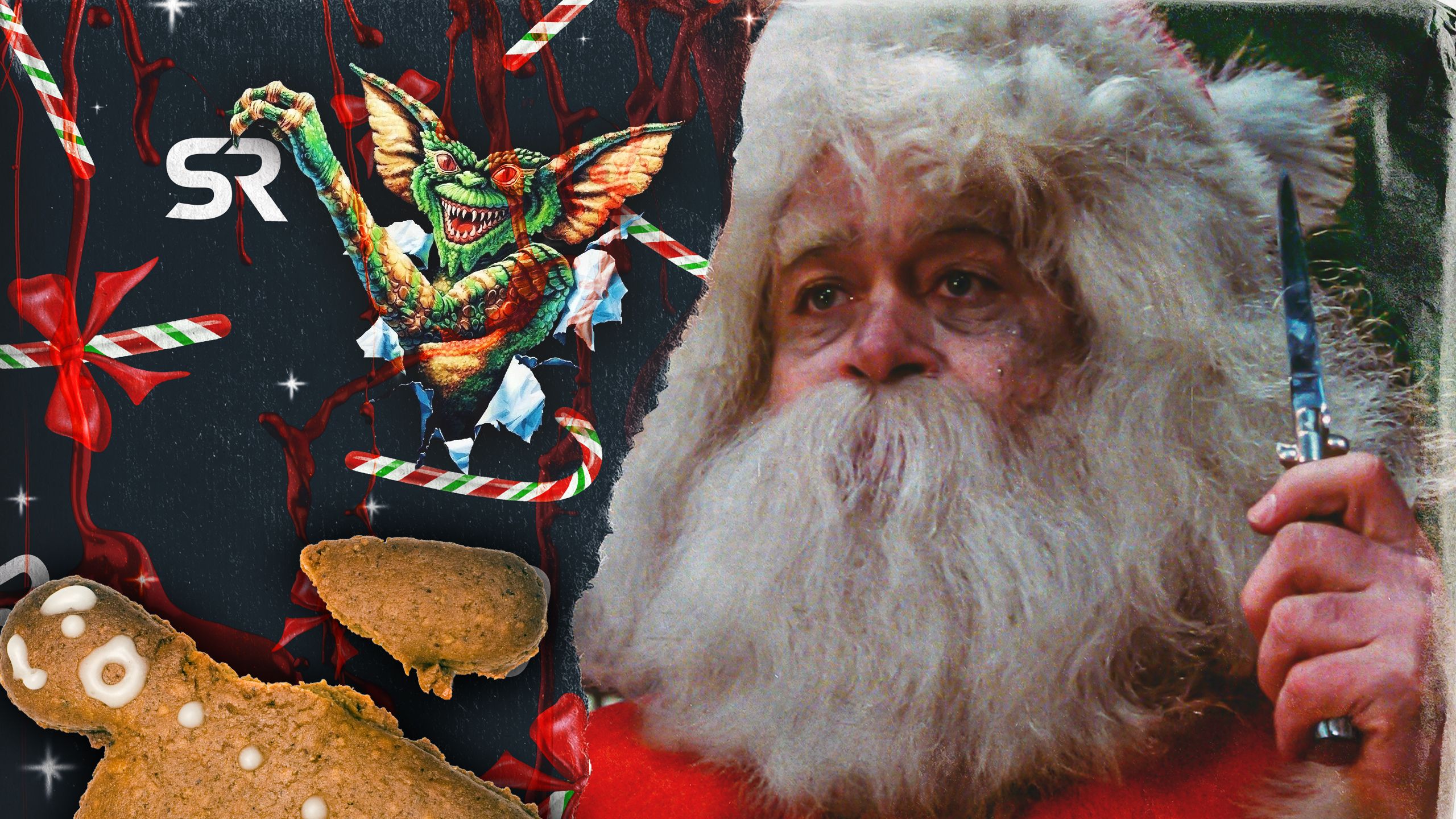
If you enjoy Christmas horror that’s a bit unconventional, you might like films like Christmas Evil and Silent Night, Deadly Night. Both movies offered a contrast to the conservative values of the 1980s, but Silent Night, Deadly Night especially shocked film critic Gene Siskel, who publicly criticized its director, Charles E. Sellier Jr., on his show. Surprisingly, this criticism actually helped the film – it became a box office hit and has since gained a devoted cult following. It even spawned four sequels and a remake planned for 2025.
The original film features Billy (Robert Brian Wilson), a man deeply traumatized since childhood – he watched a killer in a Santa suit murder his parents. As a result, he now punishes people he believes are disrespecting Christmas. Released during the peak of slasher films, this usually means his victims are couples engaging in sexual activity. The first film appeared intentionally provocative towards Christian conservatives. In Mike P. Nelson’s remake, Billy targets Nazis at a Christmas ball organized by white supremacists.
Many holiday horror films are popular because of striking visuals – like blood against snow – or the darkly humorous idea of turning cheerful Christmas symbols into tools of terror. These films often cleverly twist familiar Christmas sayings to create a sense of dread. For example, Better Watch Out is a disturbing take on Home Alone, focusing on a troubled teenager, and It’s a Wonderful Knife clearly draws inspiration from It’s a Wonderful Life. Titles like Await Further Instructions, Santa’s Slay, Silent Night, Bloody Night, Santa Jaws, and Home for the Holidays all play on our expectations, subverting the comforting traditions we know and trust.
Unlike Silent Night, Deadly Night, the film Don’t Open Till Christmas featured a killer who went after people dressed as Santa. It’s hard to say if any of these movies are genuinely good within their genres, considering how much they rely on shock value. However, it’s rare to find traditional Christmas films where Santa Claus is portrayed as a violent or sexually inappropriate character.
For truly bizarre films, check out Fabrice A. Zaphiratos’ Blood Beat, a very low-budget Wisconsin horror movie that’s hard to define. It throws together mystical samurai, telekinesis, and disturbing themes, but surprisingly, it also taps into the uneasy feelings that can arise when you spend too much time with family. If you can handle incredibly graphic violence, there’s also Inside, a French horror film by Julien Maury and Alexandre Bustillo. It’s known for being one of the goriest movies ever made, and it doesn’t hold back on the bloodshed and dismemberment.
If you’re looking for something different, films like Krampus, Gremlins, Rare Exports, and The Mean One happily break with traditional holiday cheer. The winter season itself naturally lends itself to scary stories – every snowy road or festive gathering can feel ominous. Maybe a beautifully wrapped present hides a terrible secret, or maybe spending too much time with family is the real horror! Whatever scares you, there’s likely a delightfully gruesome movie out there that hits a little too close to home. I personally never saw Santa as a figure to be worshipped, but I adore these films. And they’ve shown me that, just like a perfect gift for everyone, there’s a perfect scary movie for every single person.
Read More
- United Airlines can now kick passengers off flights and ban them for not using headphones
- Crimson Desert: Disconnected Truth Puzzle Guide
- All 9 Coalition Heroes In Invincible Season 4 & Their Powers
- Mewgenics vinyl limited editions now available to pre-order
- Grok’s ‘Ask’ feature no longer free as X moves it behind paywall
- Grey’s Anatomy Season 23 Confirmed for 2026-2027 Broadcast Season
- Assassin’s Creed Shadows will get upgraded PSSR support on PS5 Pro with Title Update 1.1.9 launching April 7
- Viral Letterboxd keychain lets cinephiles show off their favorite movies on the go
- Does Mark survive Invincible vs Conquest 2? Comics reveal fate after S4E5
- How to Get to the Undercoast in Esoteric Ebb
2025-12-24 17:01