Beyond Resolution: Neural Networks That Understand Scale
New research demonstrates how incorporating scale invariance into neural network design enables robust extrapolation to unseen data scales, unlocking better modeling of self-similar phenomena.
New research demonstrates how incorporating scale invariance into neural network design enables robust extrapolation to unseen data scales, unlocking better modeling of self-similar phenomena.
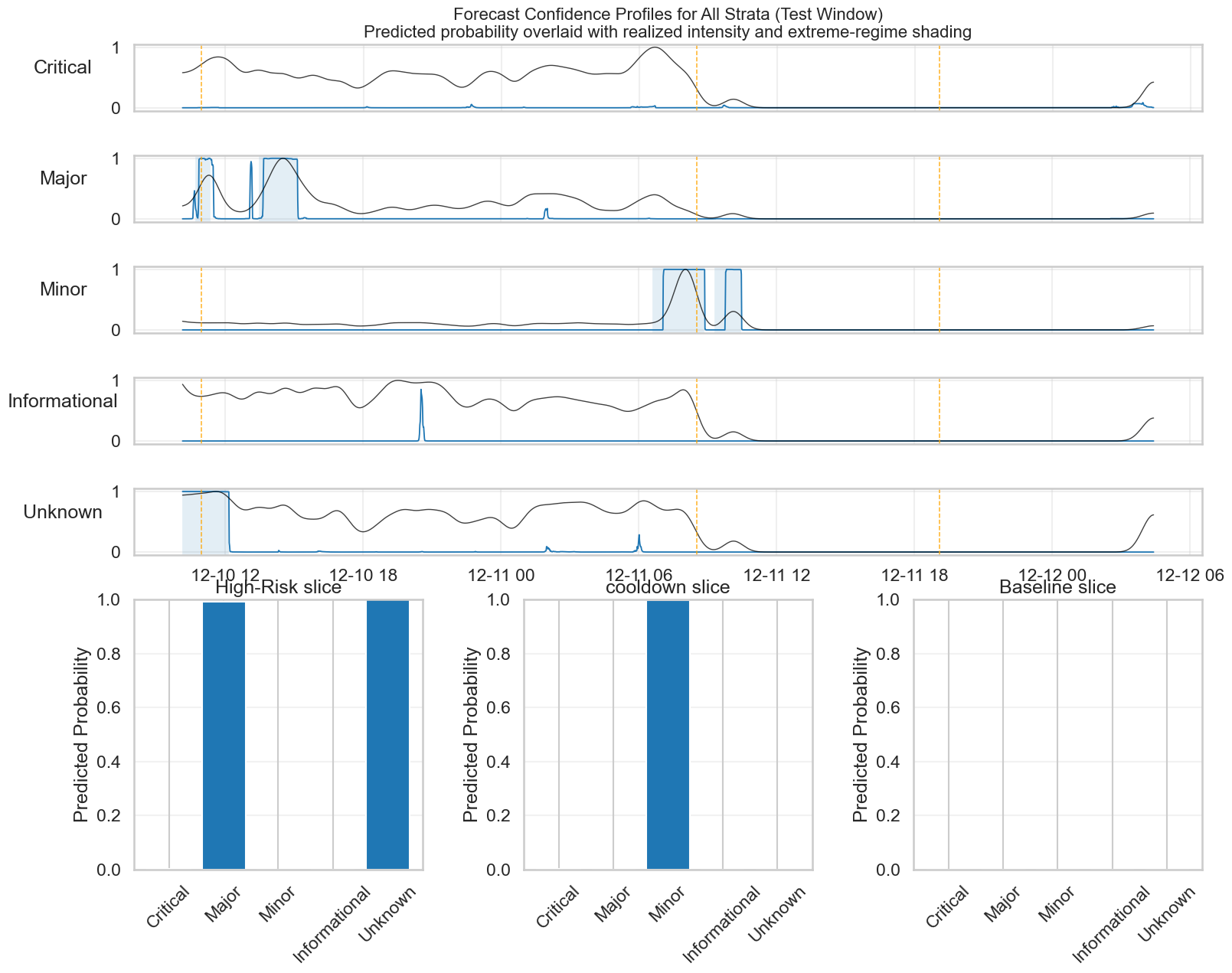
Researchers have developed a method to predict escalating periods of high-intensity network intrusion attempts by analyzing trends in security alert streams.
![Gillespie simulations-conducted across population sizes of 1,000, 10,000, and 100,000 with initial conditions of [latex]S=0.4[/latex], [latex]I=0.05[/latex], and [latex]R=0.595[/latex]-demonstrate that fluctuations in infectious individuals, when compared to mean-field solutions, exhibit empirically and theoretically derived variances, and that analyzing the quasi-stationary distribution for smaller populations ([latex]N=1,000[/latex]) provides insight into pathogen dynamics as defined in Table 1.](https://arxiv.org/html/2601.14869v1/Figures/high_quasi_sims.png)
New research reveals how inherent properties of changing systems can signal impending transitions, even without a clear tipping point, offering insights for forecasting in fields like epidemiology.
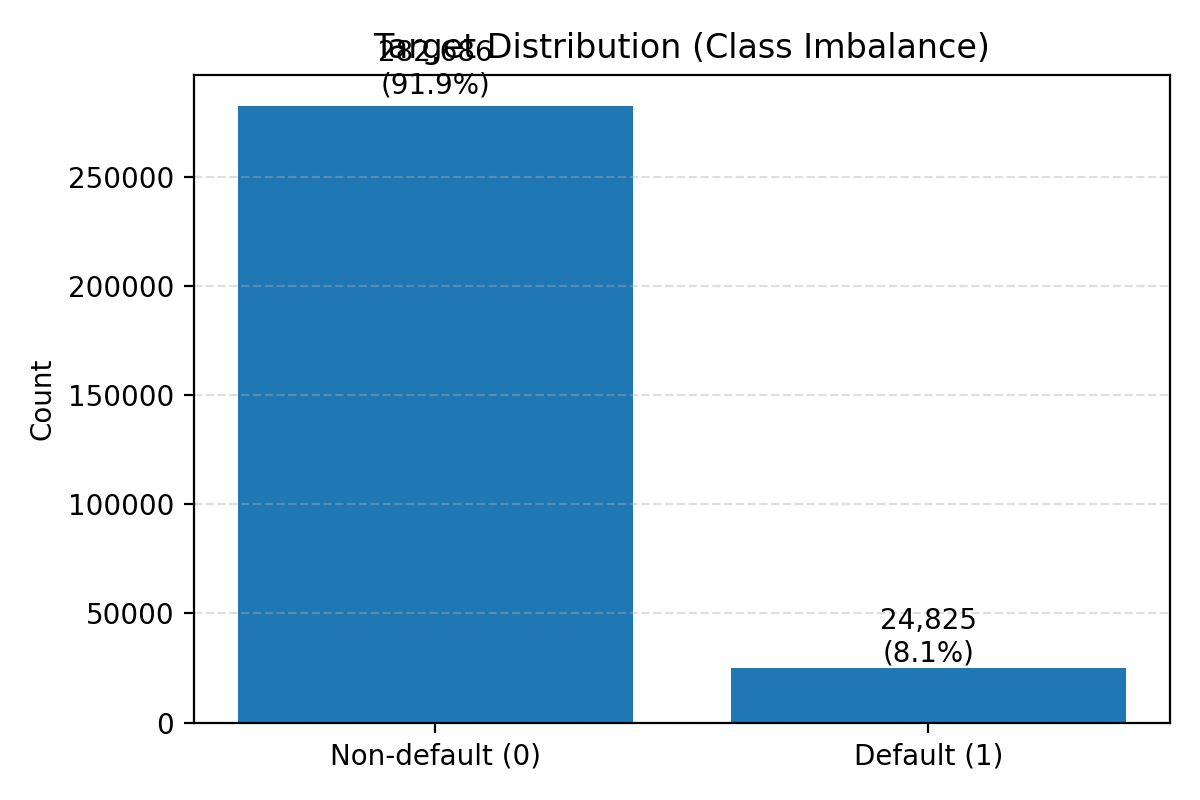
A new approach leverages the relationships between borrowers and financial products to improve credit default prediction, moving beyond traditional scoring methods.
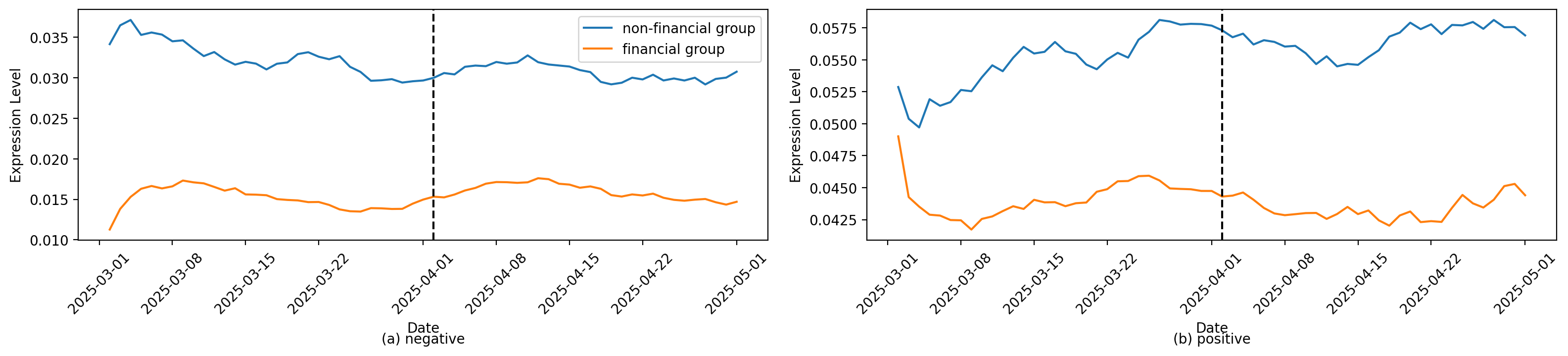
New research analyzing online financial communities confirms that negative emotional responses to market downturns are significantly stronger than positive reactions to booms, reinforcing the psychological principle of loss aversion.
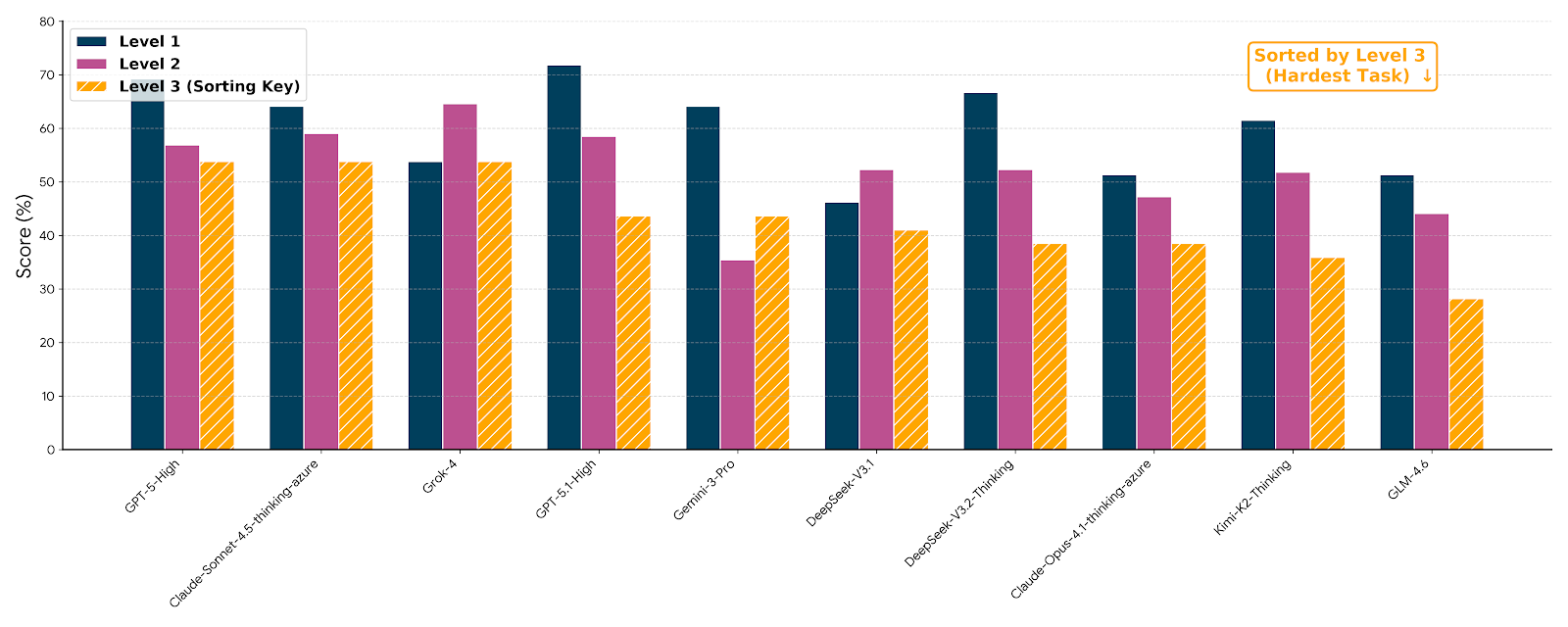
A new benchmark assesses how well AI agents can apply future prediction capabilities to critical sectors like finance, healthcare, and disaster response.
![Forecast accuracy is demonstrably linked to the distribution of out-of-sample volatility, suggesting that predictive models perform best when calibrated to the inherent uncertainty present in dynamic systems-a relationship quantified by [latex] \sigma^2 [/latex].](https://arxiv.org/html/2601.13014v1/x4.png)
New research demonstrates that machine learning models are significantly improving the accuracy of volatility forecasts, challenging established econometric methods.
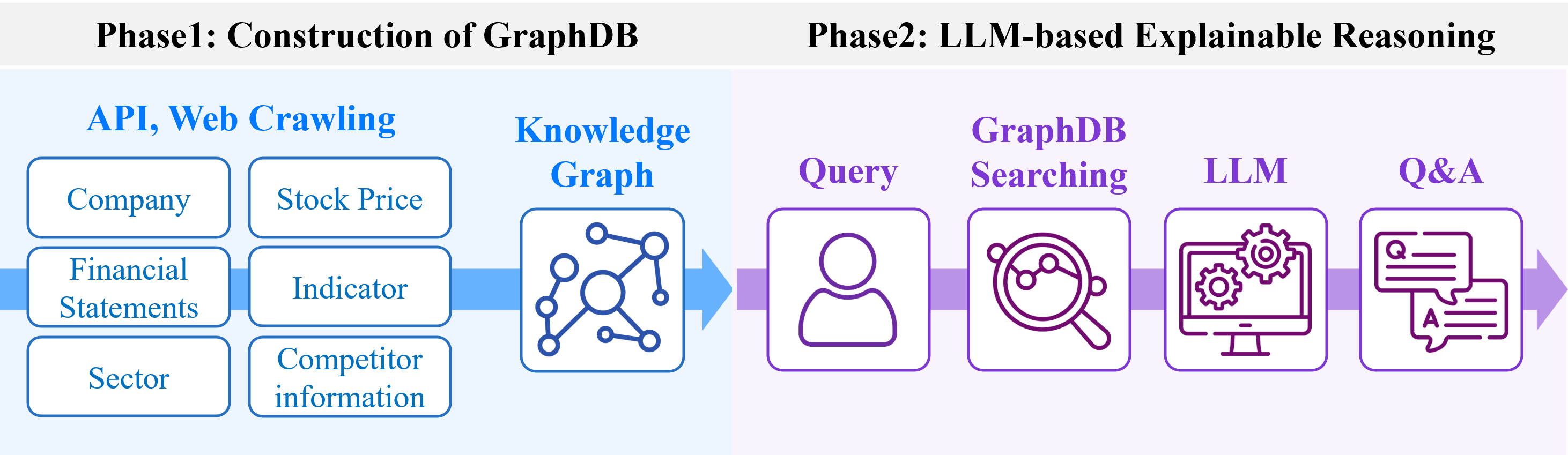
Researchers are leveraging the power of artificial intelligence and structured knowledge to move beyond traditional stock market analysis and generate explainable investment insights.
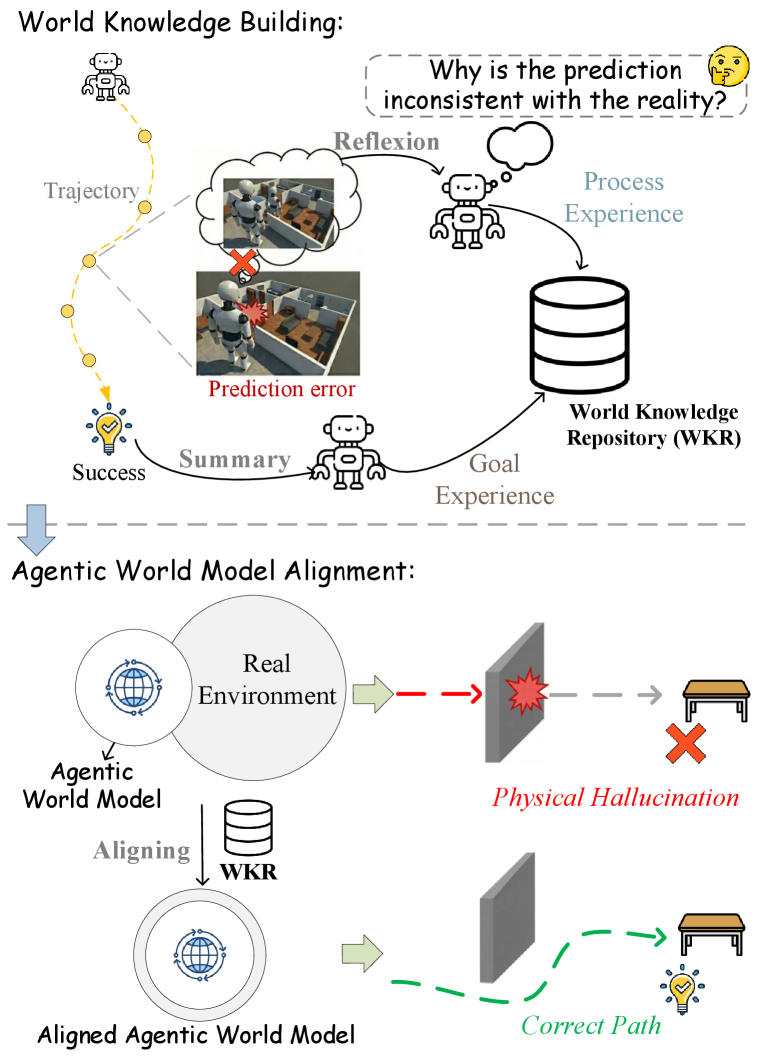
New research introduces a framework for aligning artificial intelligence with real-world experience, enabling more robust planning and physical interaction.
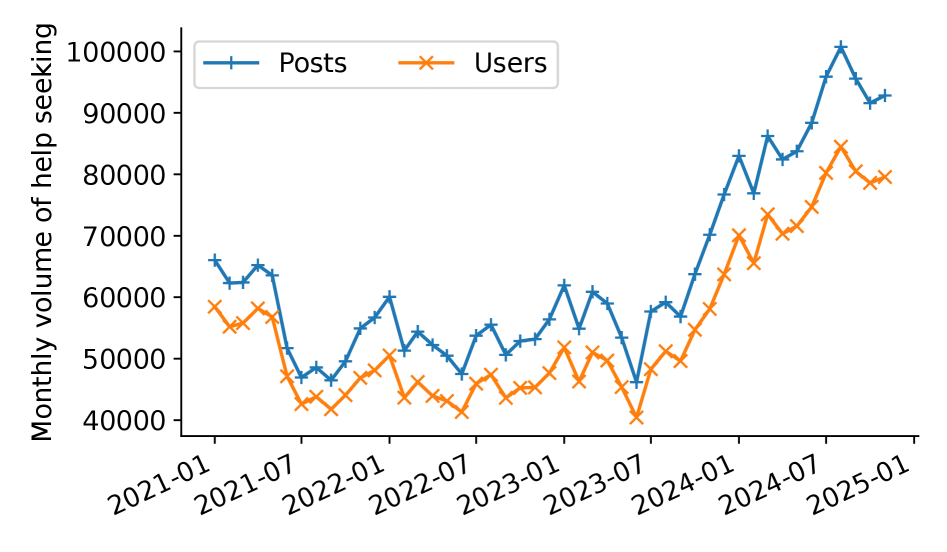
A new analysis of millions of online forum posts reveals a surge in concerns about digital privacy, security threats, and the growing need for tailored support.