Hidden Weaknesses in the Satellite Web
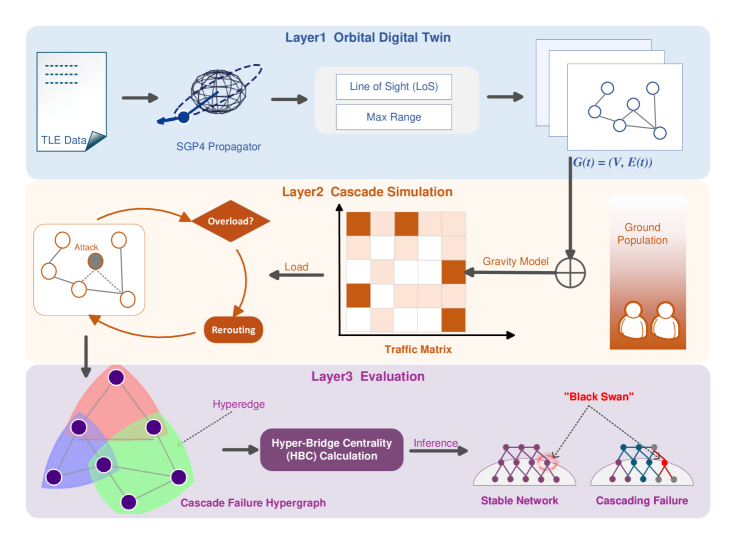
A new analysis reveals that Low Earth Orbit satellite networks harbor unexpected vulnerabilities that standard network metrics fail to detect.
A new analysis reveals that Low Earth Orbit satellite networks harbor unexpected vulnerabilities that standard network metrics fail to detect.
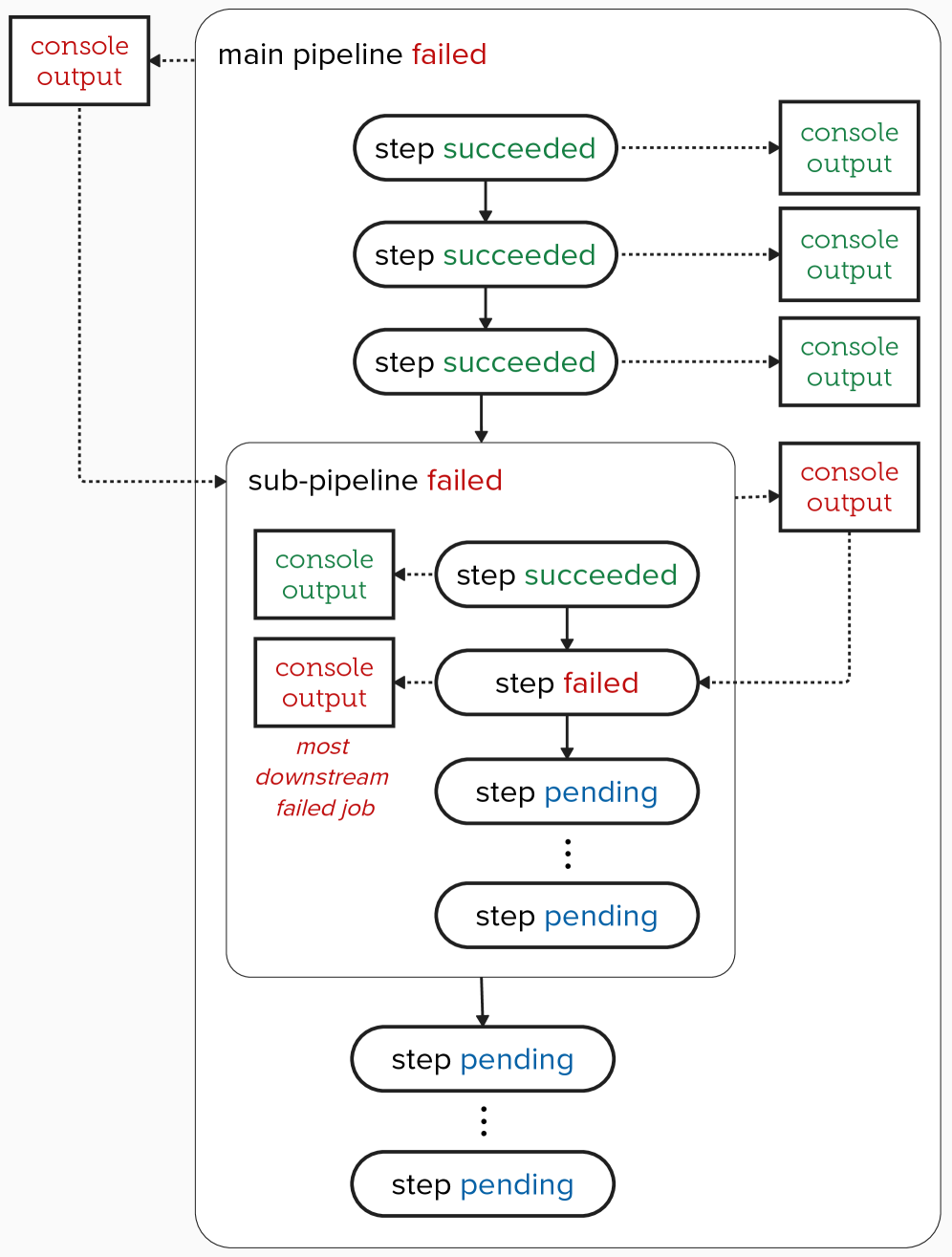
This research explores how artificial intelligence can dramatically reduce the time and effort required to diagnose and resolve issues in modern software delivery pipelines.
![Feature sensitivity analysis, quantified through gradient-based methods [latex] (Eq.5) [/latex], reveals vulnerabilities in phishing website detection, and this susceptibility is further underscored by significant drift in mean SHAP attributions when subjected to adversarial perturbations [latex] (Eq.6) [/latex].](https://arxiv.org/html/2602.06395v1/figures/feature_vulnerability_2panel_hbar.png)
New research reveals that machine learning models protecting critical systems are surprisingly vulnerable to subtle attacks, and that improving their resilience can impact how easily we understand their decisions.
![The study demonstrates that state-of-the-art large language models exhibit varying performance in vulnerability detection and reasoning, as quantified by metrics including Precision [latex]RPR\_P[/latex], Recall [latex]RRR\_R[/latex], and [latex]F_1[/latex] score [latex]RF_1[/latex], and that performance is notably influenced by the prompting strategy employed-specifically, a comparison between basic prompting and the utilization of CWE-generalized prompts.](https://arxiv.org/html/2602.06687v1/x3.png)
New research explores how to make large language models more reliable at identifying vulnerabilities in code.
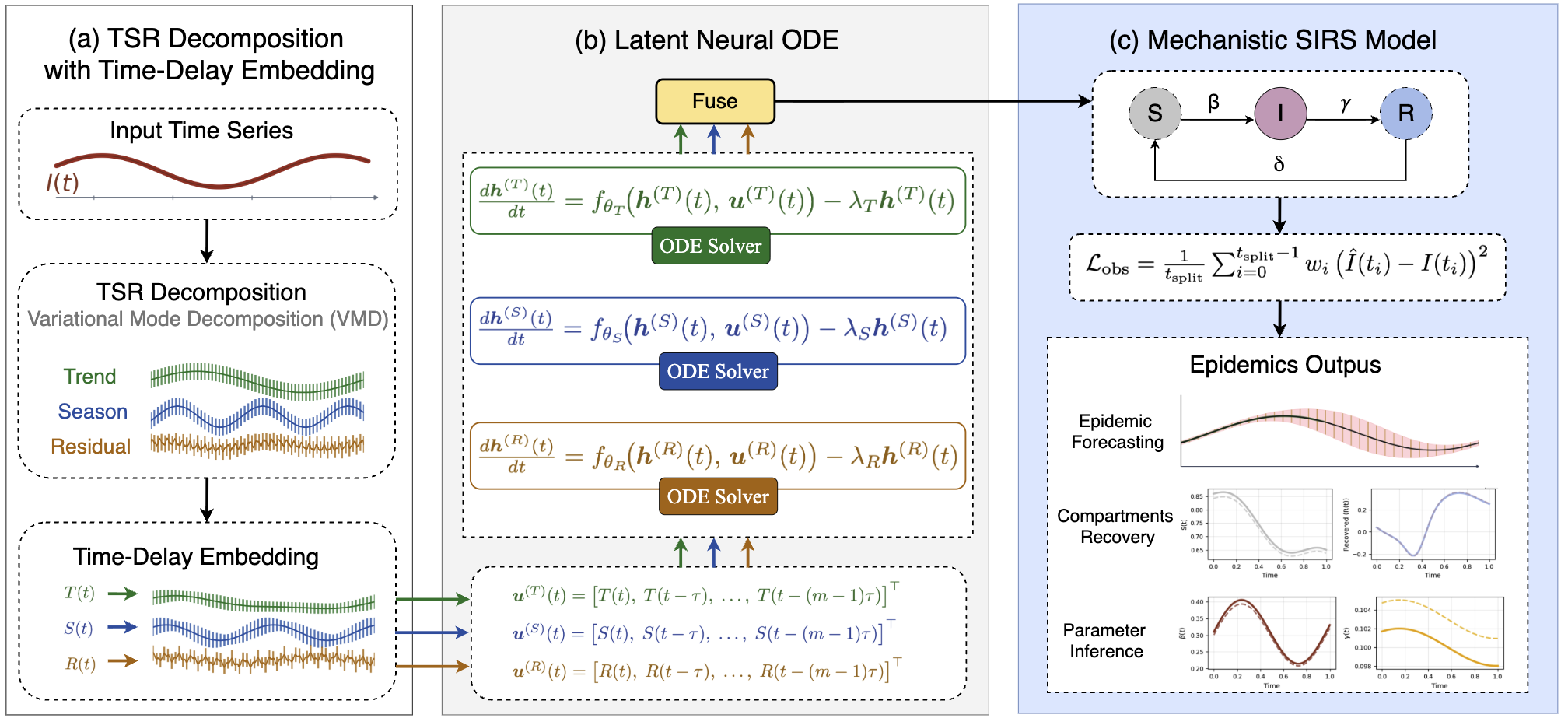
A new approach combines the strengths of neural networks and traditional epidemiological models to overcome the challenges of noisy, incomplete data and improve prediction accuracy.
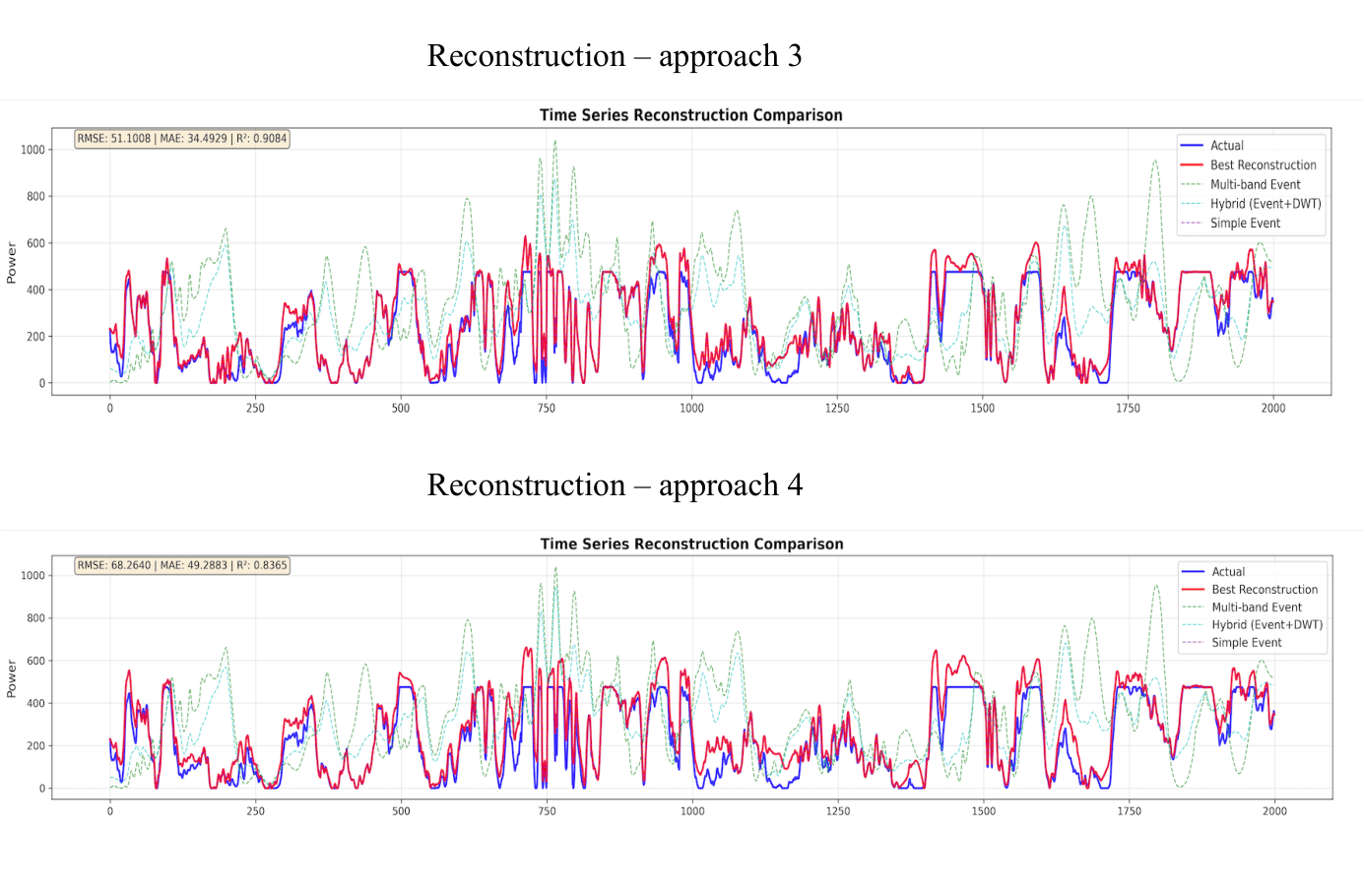
A novel forecasting framework leverages agentic systems and frequency-aware modeling to anticipate and reconstruct critical ramp events in wind power generation.
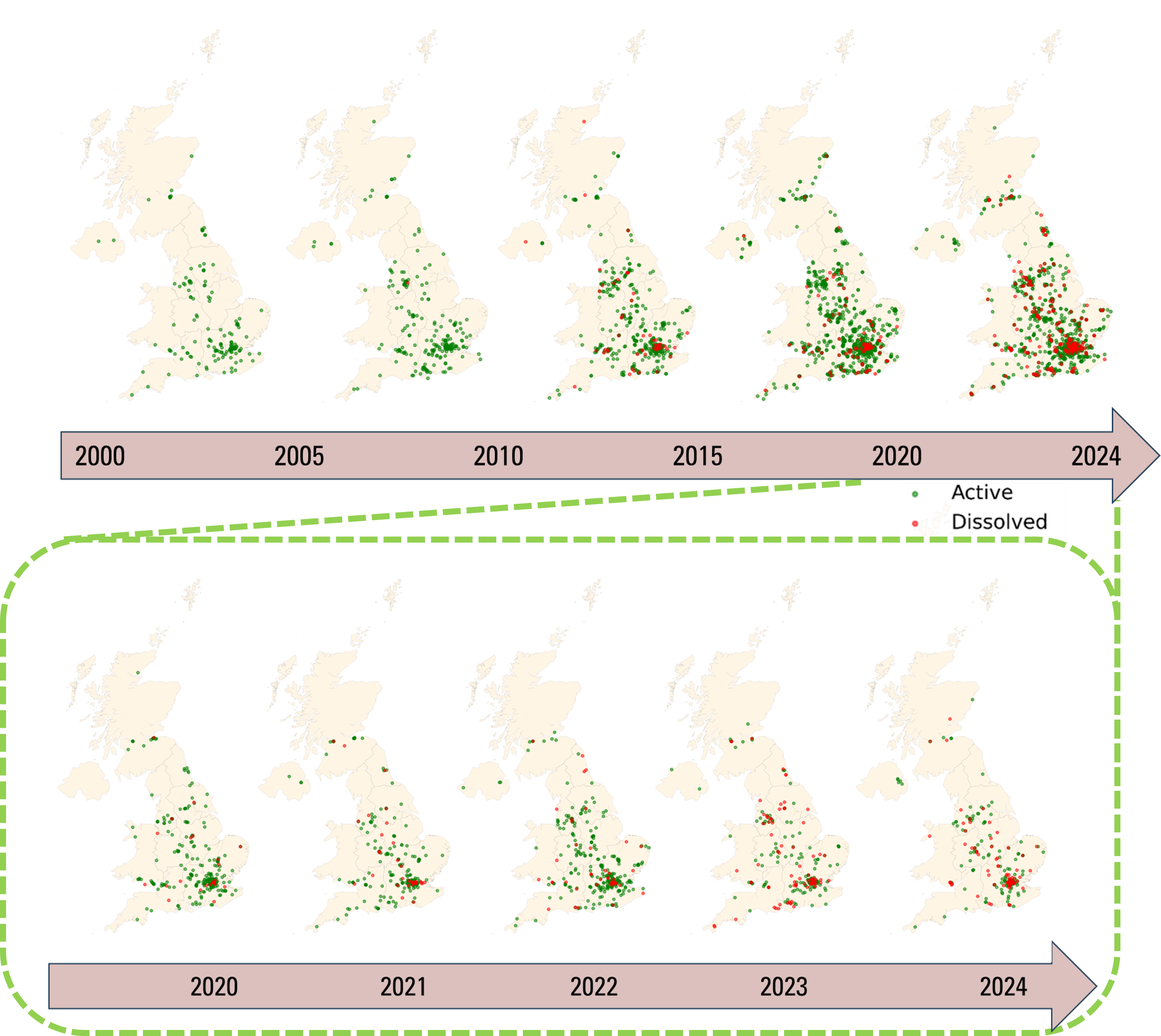
New research reveals how geographical concentration and firm characteristics are shaping success in Britain’s rapidly evolving artificial intelligence economy.
New research reveals that artificial intelligence can reliably estimate the severity of post-traumatic stress disorder from patient-provided narratives.
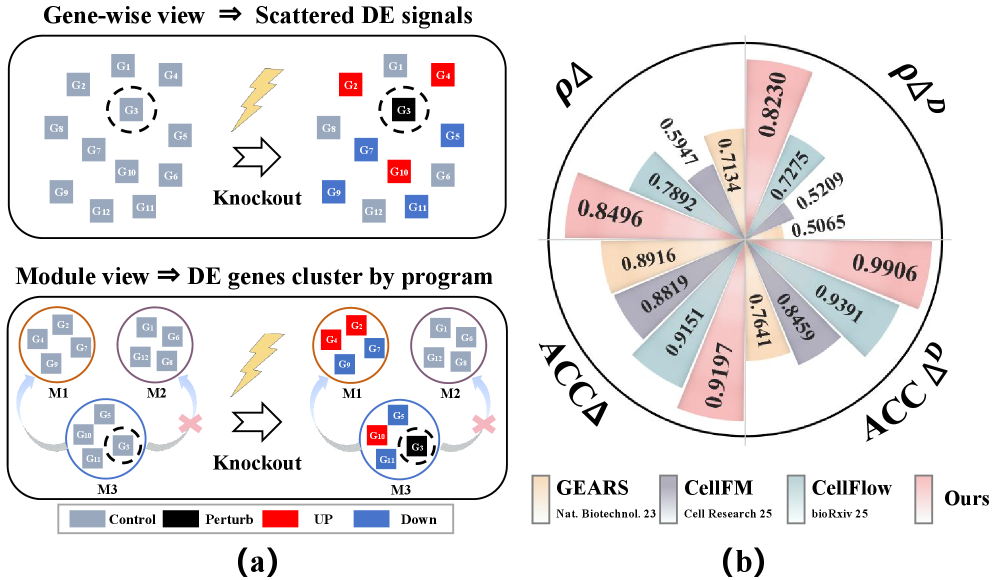
Researchers have developed a framework that moves beyond analyzing genes in isolation to predict how cells will react to genetic changes by modeling coordinated gene programs.

A new Bayesian method boosts the accuracy of combined forecasts even when experts participate irregularly, offering a solution for real-world survey panels.