Designing AI That Works: A New Framework for Agentic Systems
A structured approach to building and governing autonomous AI projects is essential for realizing their full potential and ensuring responsible development.
A structured approach to building and governing autonomous AI projects is essential for realizing their full potential and ensuring responsible development.
A review of medical data sharing, from the pioneering PhysioNet to today’s large foundation models, reveals both incredible promise and critical challenges for the future of AI in healthcare.

A new study of the Moltbook platform reveals that despite high levels of activity, artificial agent societies fail to replicate the complex social dynamics seen in human populations.
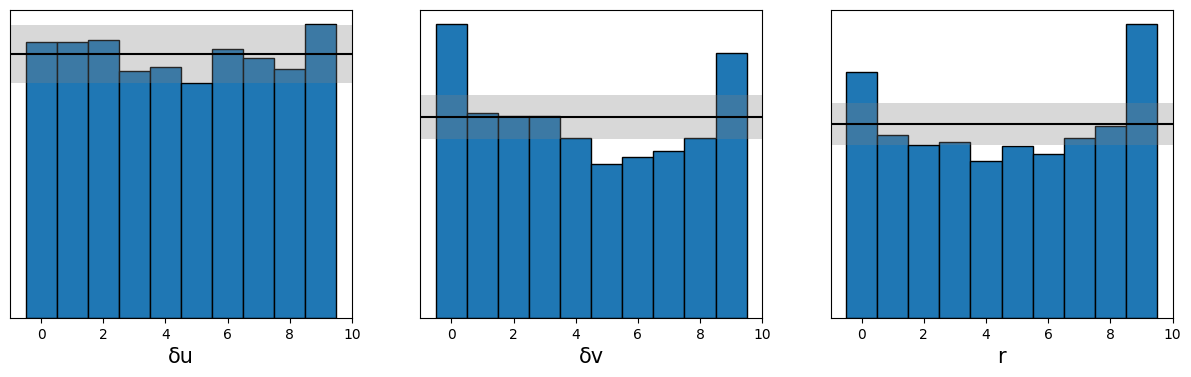
Researchers are leveraging neural networks to automatically calibrate complex labor market models, offering a more efficient path to understanding economic dynamics.
A new deep learning framework, GW-FALCON, promises to significantly accelerate the identification of gravitational wave signals from merging neutron stars and black holes.
![As vulnerability increases within a simulated banking system, a large language model accurately replicates observed shifts in behavior, demonstrating a pronounced move toward the safer [latex]Square[/latex] bank and a heightened propensity for early withdrawals-effects primarily concentrated in scenarios of high systemic fragility.](https://arxiv.org/html/2602.15066v1/llm_experimental.png)
New research uses computer simulations to explore how rapidly panic can spread among depositors and trigger a bank run, fueled by online communication and correlated behavior.
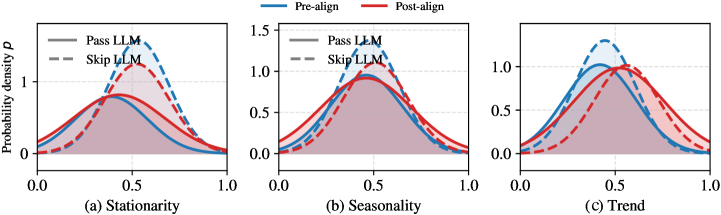
A new review examines the potential – and limitations – of using large language models to predict time series data, revealing when these powerful tools genuinely outperform traditional methods.
A new audit reveals that leading large language models exhibit significant biases, demonstrating a limited understanding of technical indicators in the Global South and raising critical questions about equitable AI development.
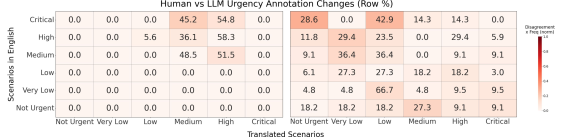
New research reveals that current artificial intelligence systems struggle to accurately and urgently translate critical information during rapidly unfolding emergencies.
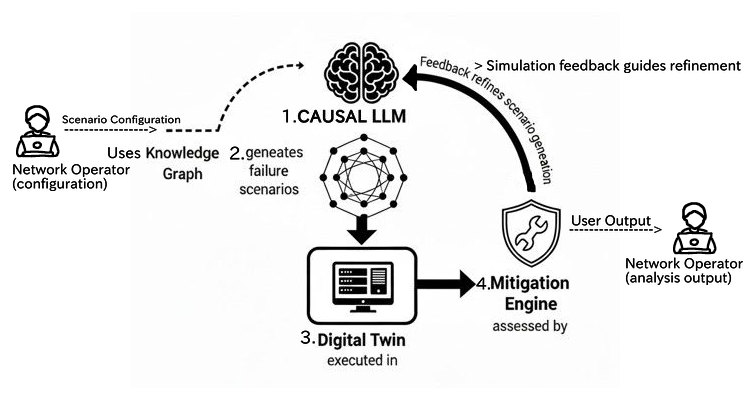
A new framework leverages the power of artificial intelligence to predict and prevent disruptions in critical communication infrastructure.