Building a Digital X-Ray: Visualizing Structural Damage in 3D
A new approach utilizes advanced 3D reconstruction techniques to create detailed digital twins of civil infrastructure, enabling precise damage assessment and long-term monitoring.
A new approach utilizes advanced 3D reconstruction techniques to create detailed digital twins of civil infrastructure, enabling precise damage assessment and long-term monitoring.
A new study reveals how neural machine translation systems can lose representational diversity, and demonstrates a method to preserve translation quality by maximizing the angular separation of decoder embeddings.
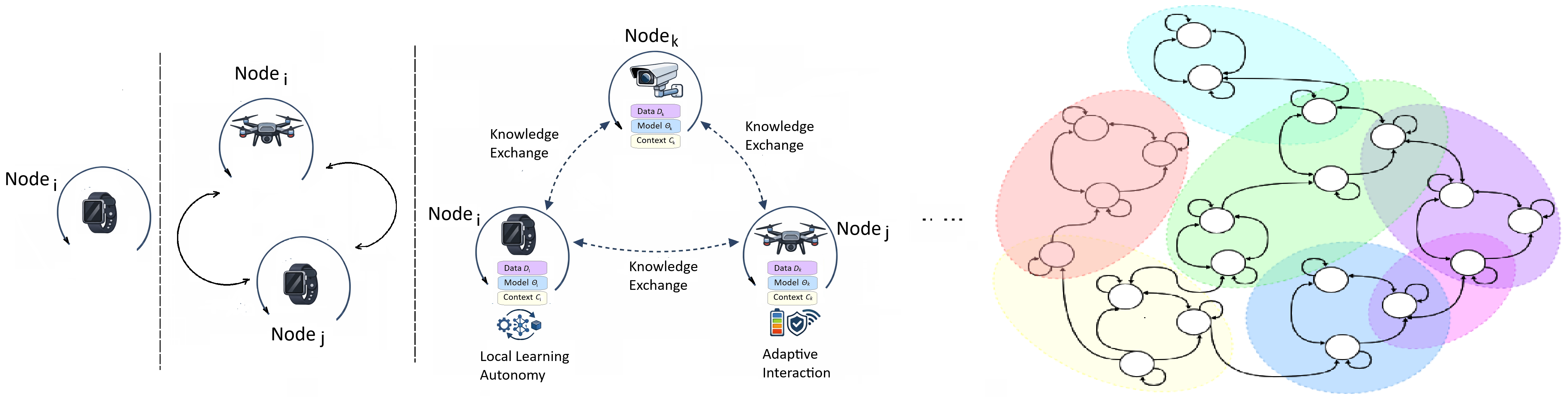
A new paradigm shifts intelligence away from centralized servers and onto individual devices, enabling continuous learning and real-time adaptation.
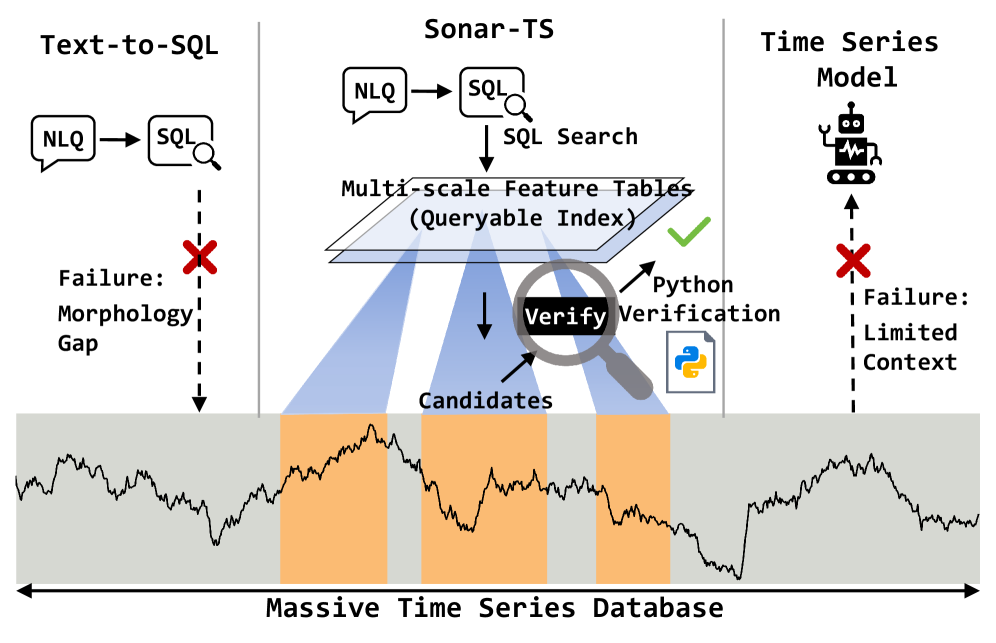
Researchers have developed a new framework that allows users to query time series databases using plain English, overcoming the limitations of traditional methods.
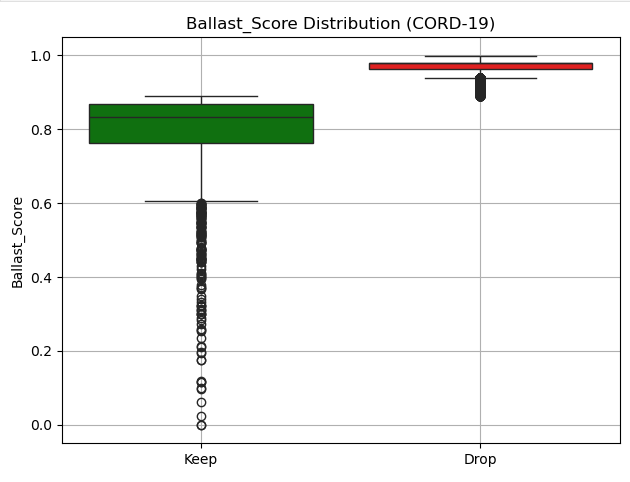
New research introduces a method for identifying and eliminating redundant information in multi-modal datasets, boosting analytical performance and reducing storage costs.
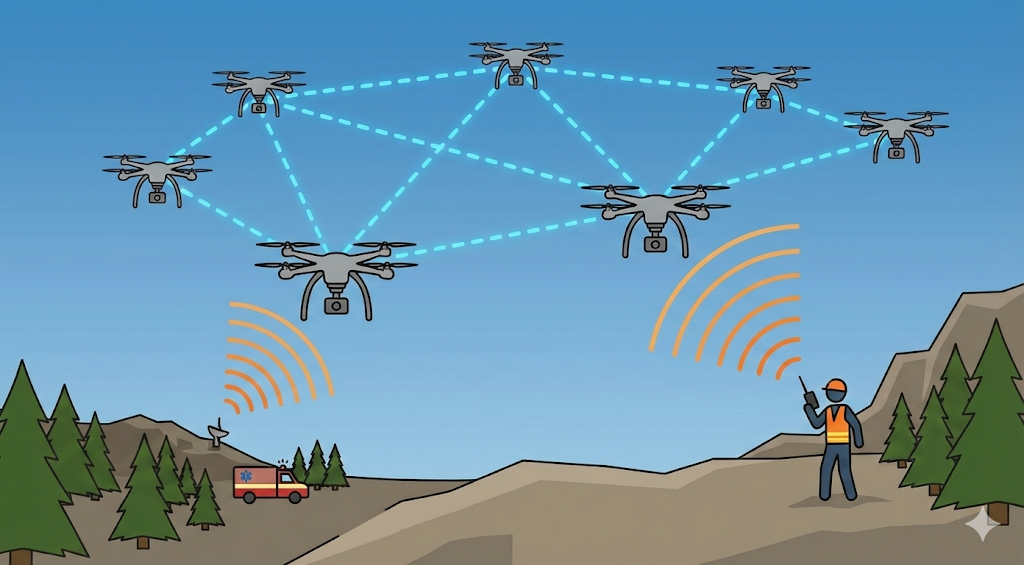
A new framework leverages the power of speech recognition and artificial intelligence to transform unstructured emergency communications into actionable data for improved UAV coordination.
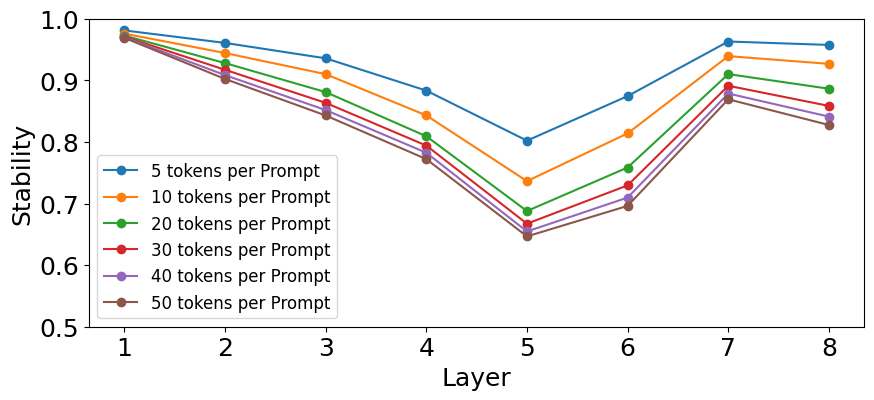
New research reveals that the core components of large language models exhibit surprising instability, challenging assumptions about the consistency of their learned representations.
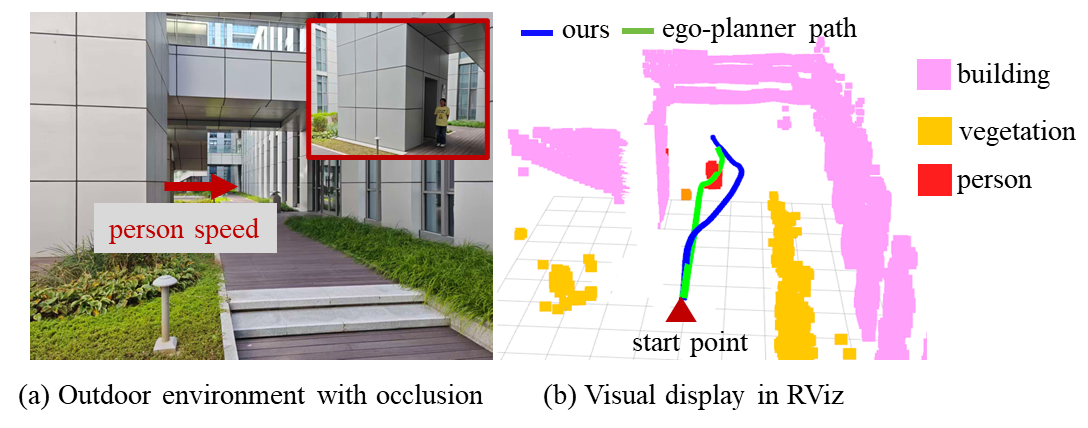
A new system leverages semantic understanding of surroundings to enable aerial robots to proactively avoid hazards and navigate complex, unpredictable environments.
![The study demonstrates a method for assessing the constraining power of a C3NN model by subjecting training maps to phase randomization within their Fourier transforms-a process involving Fast Fourier Transforms (FFT), uniform phase distribution between 0 and [latex]2\pi[/latex], and inverse FFT-effectively testing the model’s reliance on subtle, potentially illusory, correlations within the cosmological data.](https://arxiv.org/html/2602.16768v1/x8.png)
A new framework uses convolutional neural networks to extract richer information from weak lensing data, potentially unlocking more precise measurements of cosmological parameters.
New research introduces a dynamic approach to prevent performance degradation and maintain safety standards as large language models are refined for specific tasks.