The AI Safety Gap: 2026 and Beyond
A new international report reveals that the accelerating pace of artificial intelligence development is outpacing our ability to manage its growing risks.
A new international report reveals that the accelerating pace of artificial intelligence development is outpacing our ability to manage its growing risks.
New research highlights the critical role of human instructors in maximizing learning outcomes when artificial intelligence is integrated into business simulation games.
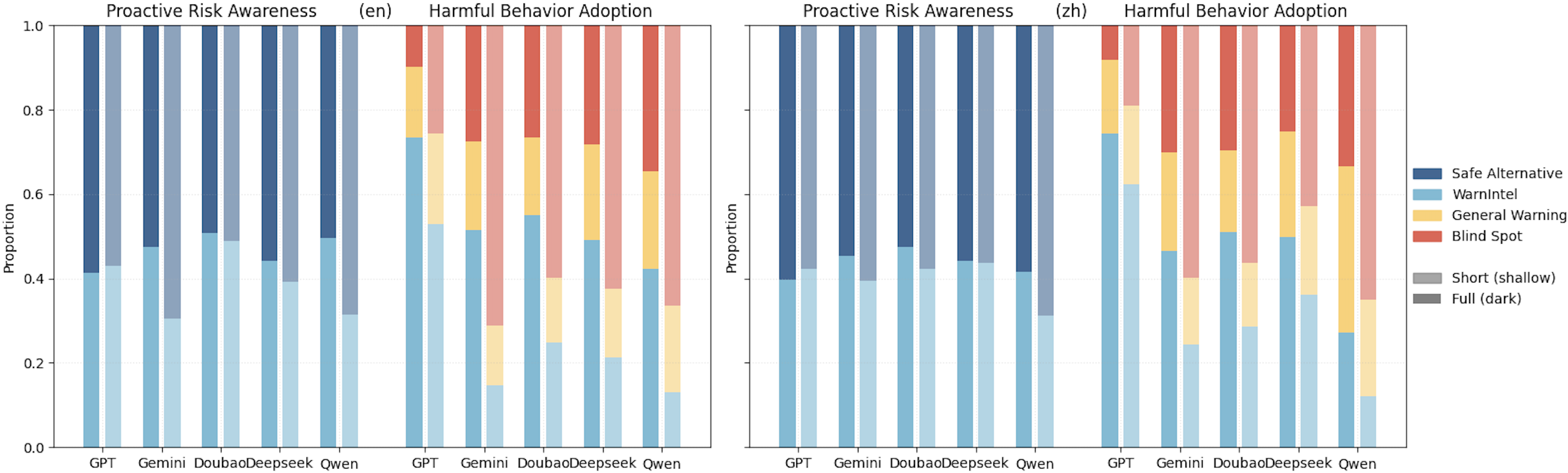
New research reveals that large language models struggle to anticipate potential harms, particularly concerning real-world environmental safety.
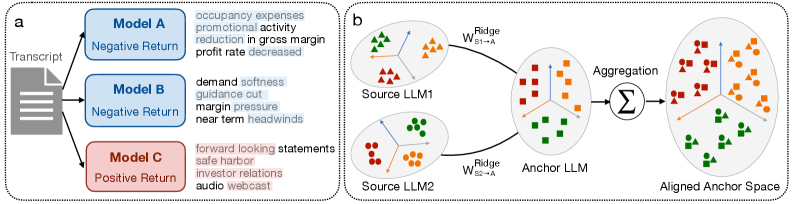
A new approach aligns the strengths of multiple large language models to create more stable and accurate predictions in the volatile world of finance.
![The distributions of account balances [latex]P(m)[/latex] and transaction sizes [latex]P(w)[/latex]-as observed in empirical data and replicated through numerical simulations parameterized with [latex]\xi = 1[/latex] and [latex]k = 0.75[/latex]-demonstrate the inherent statistical properties emerging within the modeled system, suggesting a predictable decay of financial states over time.](https://arxiv.org/html/2602.20713v1/x4.png)
New research reveals that financial transactions can be understood as random movements across networks, shedding light on the distribution of wealth and spending habits.
true collaboration with artificial intelligence demands more than just seamless interfaces – it requires a fundamental rethinking of risk, accountability, and institutional design.
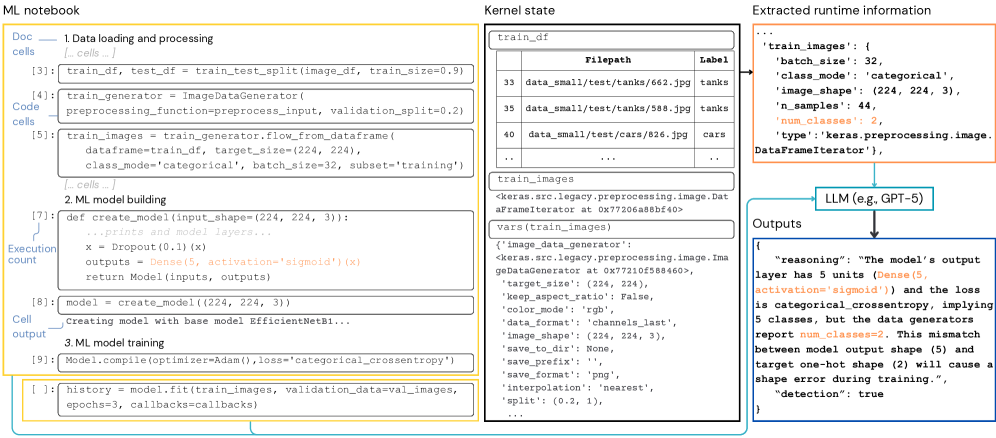
A new approach leverages the power of large language models and real-time notebook data to pinpoint and understand crashes in machine learning code.
![The study demonstrates a unifying framework for iterative feedback processes, revealing that diverse approaches - from acoustic experiments to advanced generative models like CycleGAN and diffusion models - collectively exhibit the dynamics of a Markov process, where successive model generations are linked by a transformation operator [latex]T(\cdot)[/latex] acting on the current image distribution [latex]X_n[/latex].](https://arxiv.org/html/2602.19033v1/x19.png)
New research reveals that iterative feedback loops in image generation create a resonant state, explaining why these models sometimes get stuck and offering clues to unlock their full potential.
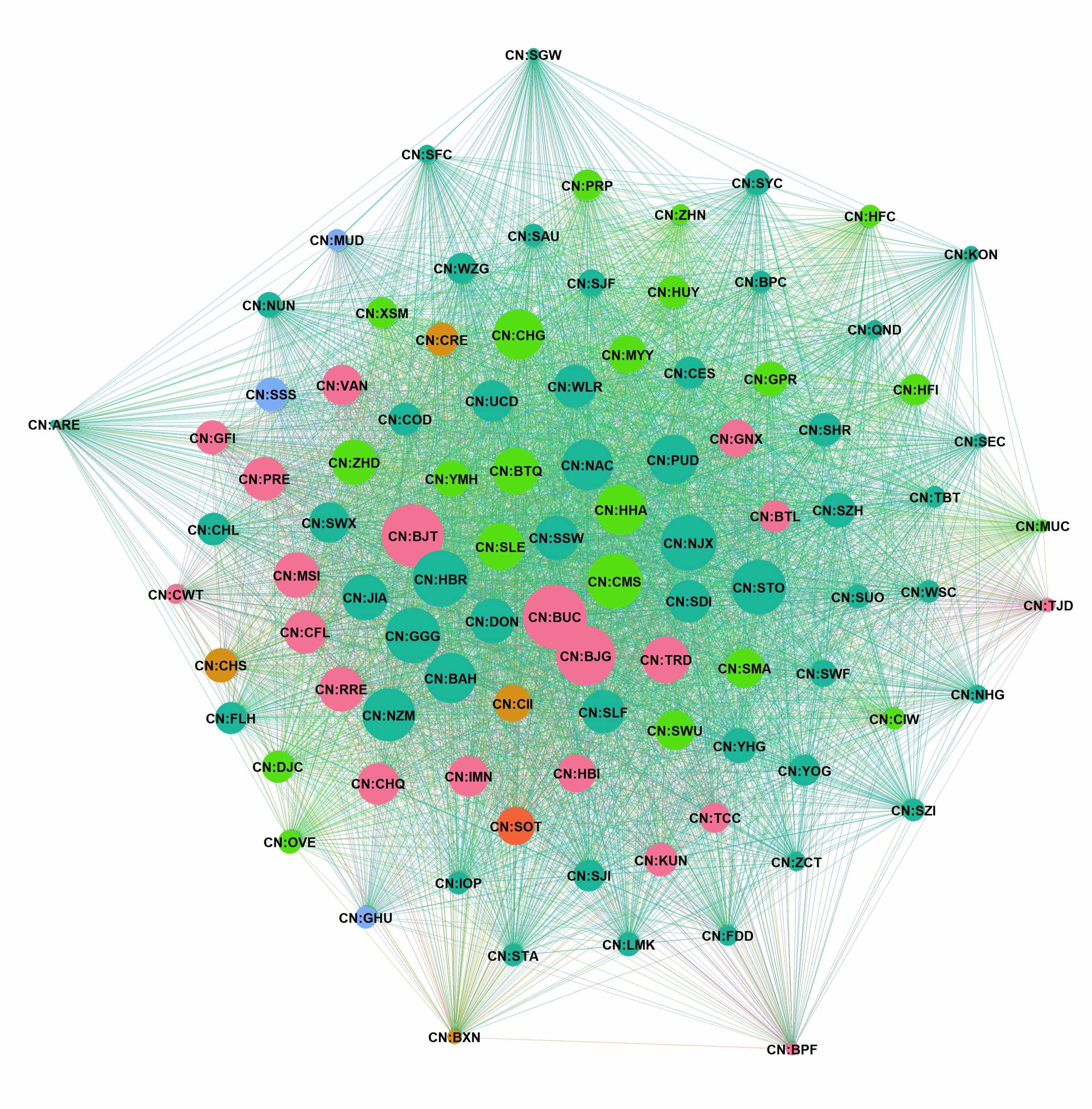
A new network analysis reveals the complex web of connections driving volatility and spillover effects among Chinese real estate firms during the ongoing crisis.
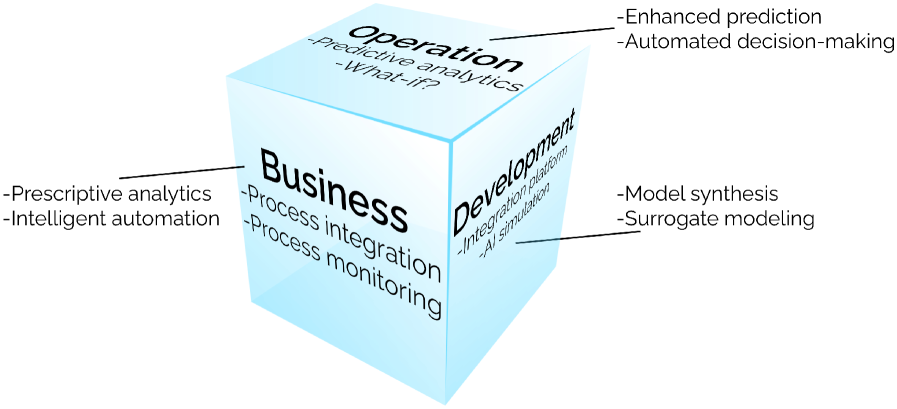
The convergence of artificial intelligence, modeling & simulation, and digital twins is unlocking unprecedented capabilities for system understanding and predictive optimization.