Beyond Capability: Measuring the Harm Potential of AI

A new benchmark assesses how likely large language models are to choose harmful actions when facing realistic pressures and complex scenarios.
A new benchmark assesses how likely large language models are to choose harmful actions when facing realistic pressures and complex scenarios.
A new dataset and risk framework, AssurAI, tackles the crucial need for culturally nuanced safety evaluations of generative AI models, moving beyond the limitations of English-centric benchmarks.
A new hybrid approach combining computer vision techniques with spiking neural networks offers a path toward real-time monitoring and threat detection in transportation systems.

A new framework leverages the power of artificial intelligence to create challenging and realistic driving scenarios, helping to validate the safety of self-driving systems.
This review explores how machine learning can transform the management of large-scale infrastructure reconstruction programs, improving efficiency and adaptability.
A new analysis details the evolving methods fraudsters are using to exploit Brazil’s instant payment system, and the critical role artificial intelligence plays in both attack and defense.

Traditional risk measures often fall short in capturing the full spectrum of potential losses, and this research proposes a refined framework based on magnitude and propensity to provide a more nuanced assessment.

A new deep learning framework leverages both images and text from social media to accurately identify disaster-related content in the Bangla language.

A new deep learning framework combines the strengths of U-Net and LSTM networks, informed by the laws of physics, to accurately model how structures behave during earthquakes.
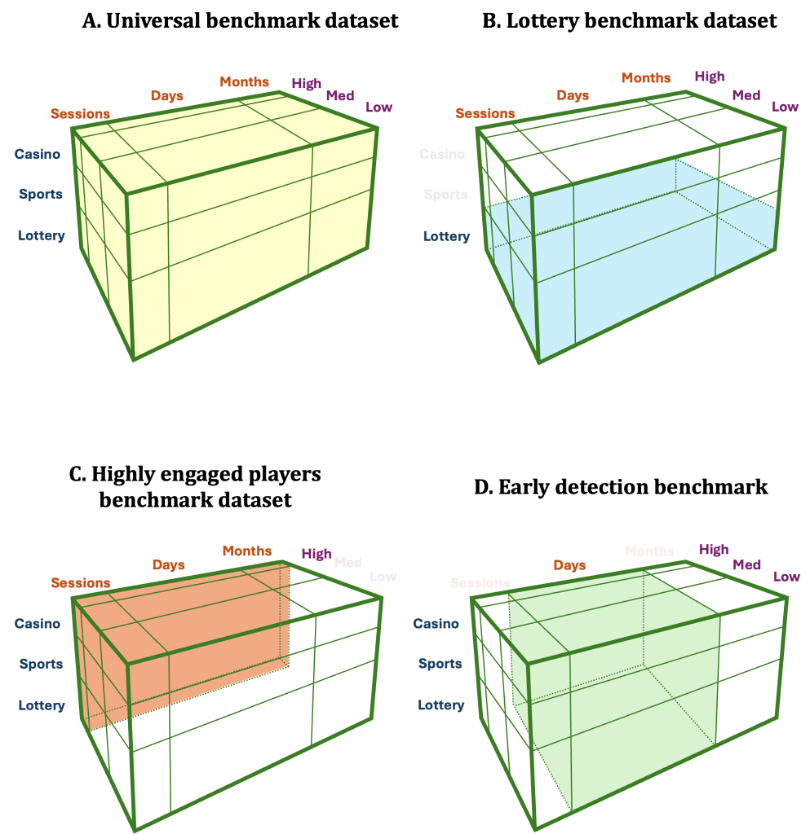
As artificial intelligence increasingly powers player risk detection in the gambling industry, a critical gap in standardized evaluation threatens effective harm reduction.