The Chair Company Recap: Spot the Difference

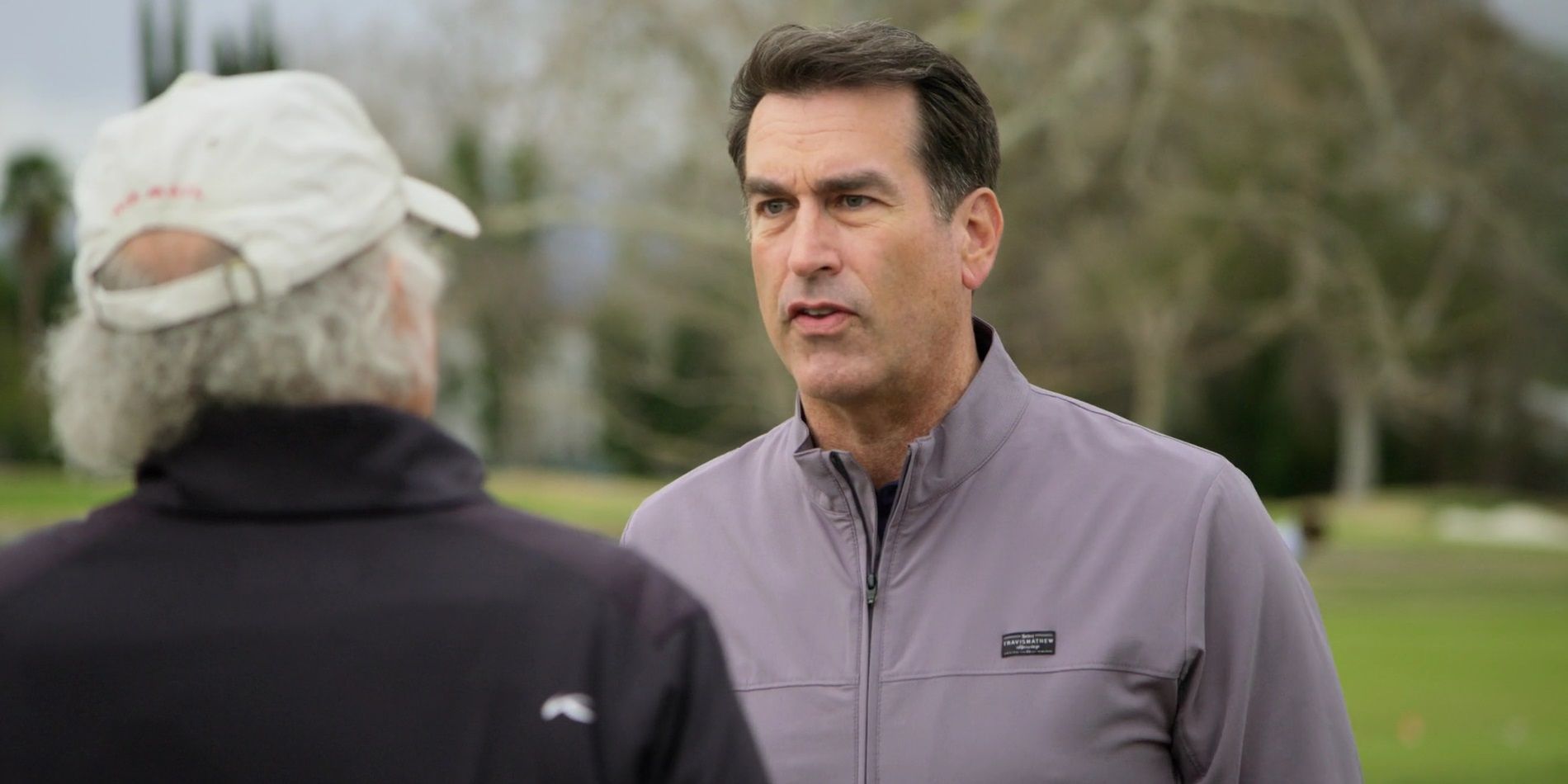
This episode features very little of Fisher Robay. We only see Ron briefly checking on the mall’s construction and one scene taking place at the office. Douglas returns to work in a wheelchair – he’ll need it for two to eight months, depending on how he feels. He seems to enjoy using his temporary disability to micromanage his coworkers, focusing on ADA compliance and office safety. It’s unclear whether to believe his emotional story about surviving on frozen food, especially since he uses it as an excuse for the behavior that previously upset everyone.

The Real Housewives of Potomac Recap: Much Ado About Nothing

Ideally, episodes like tonight’s are exactly what I’m here for. The show is supposed to be about the women working through their issues and finally talking everything out. But honestly, I often don’t even understand what they’re fighting about, and when I do, it feels like they’re overreacting. It’s like only hearing one person yell – I don’t know the background or what led to the conflict, so it’s impossible to know who’s right or wrong with so little information.

Talamasca: The Secret Order: A Bloody Mess

After watching “Wet Work,” I think this show isn’t trying to be high art – it wants to be pure, silly fun. Think mindless entertainment with plenty of violence, gore, and over-the-top villains. Guy Anatole was a frustrating character early in the first season of Talamasca, constantly worrying about who to trust. Now, surrounded by ridiculous plot twists and intentionally cheesy special effects, he’s still not particularly compelling, but he seems to have embraced his role as just a way to move the story forward.

It: Welcome to Derry Recap: Seeing Is Believing

The episode begins with a flashback to a 1908 carnival. We might expect to see Pennywise appear, but instead, a young boy dressed as a clown is shown watching from afar. It hints he could be a younger version of Pennywise, though the timing feels a bit strange. A boy named Francis is frightened at a freak show by an old man with one eye, then finds his father who dismisses his fear and gives him a slingshot he won. Francis quickly trades the slingshot to some Indigenous children for water, and he becomes friends with them, especially a girl named Rose. We learn this is the same Rose who now runs the secondhand shop the Hanlons visit. Later, Francis ignores Rose’s warning and goes into the forest, where he encounters the same old man. The scene starts out unsettling, with the creature hidden among the trees, but it quickly becomes a generic chase sequence with a poorly rendered CGI monster – and surprisingly, not a clown. Rose saves Francis by shooting the slingshot at the monster’s head, allowing both children to escape.

It: Welcome To Derry Episode 3 Recap & Ending Explained

From the very first episode, It: Welcome to Derry has included frightening scenes of Pennywise, who appears as whatever the characters fear most. In episode 2, Pennywise continues to terrorize Dick Hallorann while he uses his psychic ability, called “shine,” to find the creature. But before this, the episode shows a flashback explaining how General Shaw first met the entity as a child.

Apple TV’s Key to Dominating Streaming: A High Fantasy Series

Apple TV has quickly become known for high-quality shows, much like HBO. It’s especially distinguished itself with its science fiction programming. Shows like Severance, Foundation, Silo, and now Pluribus are among the best on television right now, and they’re really boosting Apple TV’s reputation.

8 Darkest Sci-Fi Endings of All Time, Ranked

Science fiction films often end on a hopeful note, offering a bright spot even within a bleak story. Movies like The Martian, Interstellar, Wall-E, and Avatar all conclude with a sense of optimism. However, many sci-fi films take a much darker turn, and their grim predictions about the future feel increasingly relevant—some are even coming true. These films powerfully depict a future where humanity has damaged the world beyond repair.

28 Years Later, And Fans Still Consider This Forgotten Live-Action Comic Adaptation One of the Worst

Many people now think of when they hear the name , but the comic book character actually came about over ten years earlier. Created in 1993 by Steve Englehart and Rick Hoberg, Night Man debuted during a high point for comic books. Major companies like Marvel and DC were consistently selling well, and new, independent publishers like Image, Dark Horse, and Valiant were also gaining popularity. Night Man was part of a larger interconnected story called the “Ultraverse,” and he was the only character chosen for a television adaptation. Unfortunately, the show’s design stayed very close to the original comic book appearance. As a syndicated series, it had a much smaller budget than shows on major networks, which only made the show’s existing problems with its story and writing even more noticeable. While the show does have a dedicated fanbase, viewers really had to overlook its flaws to enjoy it, especially when compared to today’s superhero shows.

20 Most Overrated TV Shows: Are These Popular Series Really That Great?

Even if a TV show is considered overrated, it’s not necessarily bad. Popularity and how well a show is received play a big role in judging its quality, and everything on this list did well in those areas. An overrated show just emphasizes its strengths, sometimes masking its flaws, which can lead people to call it a masterpiece despite its imperfections.