XRP Dilemma: Infrastructure vs Policy, with a Wink
routing liquidity through a public DEX invites compliance tempests for regulated entities, whereas employing a ledger as a post-trade settlement layer is a smoother, less storm-lashed path.
routing liquidity through a public DEX invites compliance tempests for regulated entities, whereas employing a ledger as a post-trade settlement layer is a smoother, less storm-lashed path.
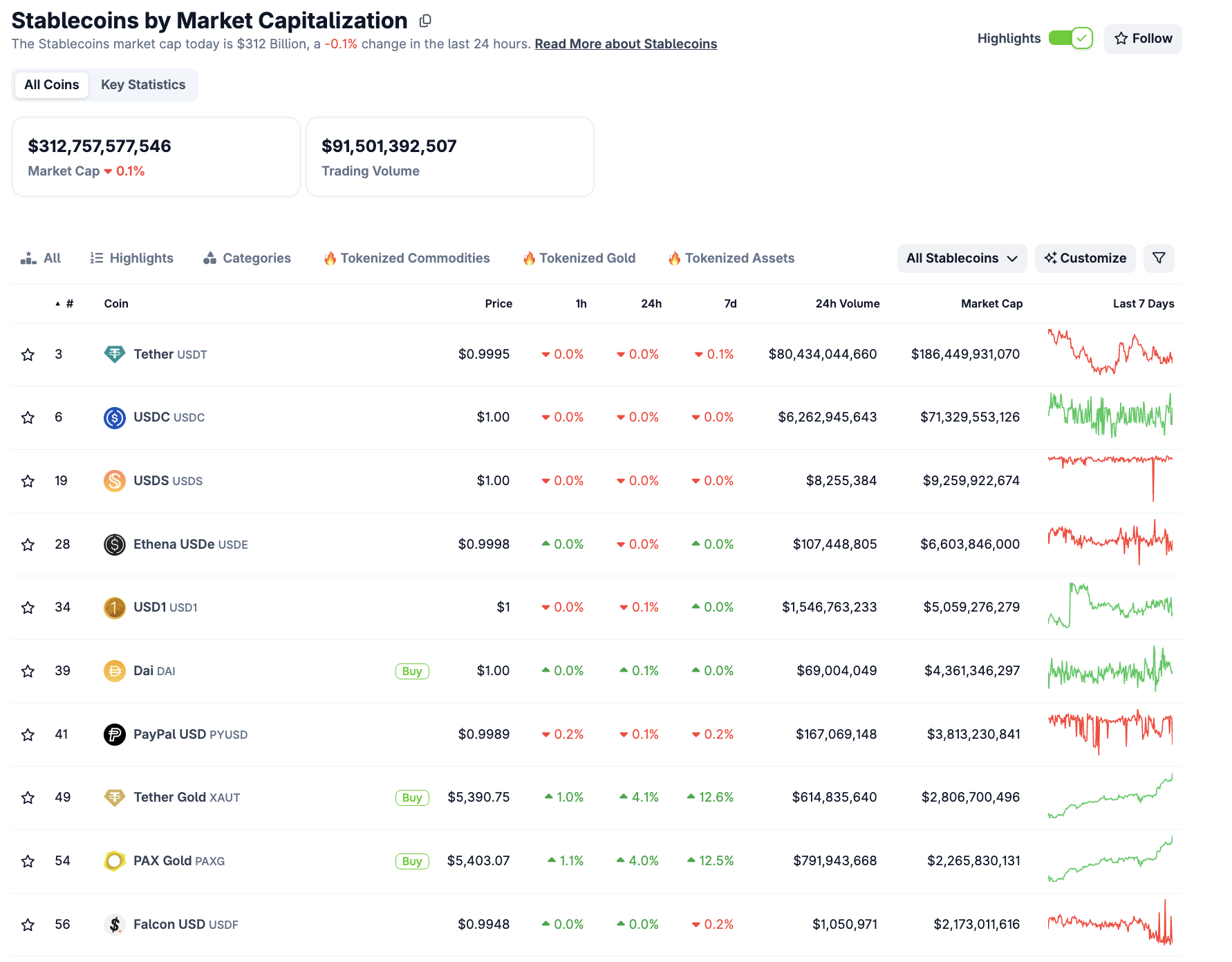
In this age of greed and folly, where every institution clamors for a piece of the $316 billion stablecoin pie, one must wonder: who shall reign supreme? Who shall be cast into the abyss of obscurity? The stage is set, the players are many, and the drama-oh, the drama-is only beginning.
So, when the burn rate went up by that astronomical number, suddenly everyone on social media was popping champagne bottles. But let’s be real-it doesn’t really do much for SHIB’s price or market standings. It’s like shouting “look at my new shoes” while standing in a puddle.
Key Revelations

As our intrepid analyst from CryptoQuant Quicktake post points out, the Bitcoin Supply in Loss is back on the dance floor, twirling its way upward. This metric, with a name as straightforward as a sledgehammer, measures the percentage of BTC holders currently sobbing into their keyboards over unrealized losses.
The insidious nature of this leaked data, published with great fanfare upon the group’s dark web blog, includes not just the IDs and IP addresses of the hopeful romantics but also other delicate personal details. Allegedly, this bounty was gleaned through the mobile analytics platform AppsFlyer, which seems to have played an unwitting role in this tragicomedy.
After cutting rates three times in 2025-because why not?-the Fed decided to hold rates steady between 3.5% and 3.75%. Jerome Powell’s basically saying, “Yeah, the economy’s doing fine, we did a 75 bps cut in 2026, and we’re still QE-ing like it’s going out of style. What’s the problem?”
Fidelity Investments, that bastion of financial prudence, has decided to dip its toes into the murky waters of the digital realm. With the launch of its stablecoin, the Fidelity Digital Dollar (FIDD), it aims to compete with the likes of Tether and Circle, those titans of the crypto world. One can almost hear the whispers of the old guard: “Ah, the youth and their playthings.”
XRP keeps striding through a maze of regulations with the poise of someone who’s memorized the script. The Ninth Circuit memo from Jan 27, 2026, adds another layer of legal certainty around early XRP distributions and tightens the narrative for the regulatory outlook, all while dialling up market optimism like a well-timed punchline.

On a fine Wednesday, when most were busy contemplating lunch options, the firm made the announcement that sent ripples through the financial community. Meet the Fidelity Digital Dollar, or FIDD-because what’s more appealing than a name that sounds like a quirky character from a children’s book? This dollar-pegged cryptocurrency will be built on the Ethereum blockchain, which some say is like building a castle in the sky, but with a much better foundation.